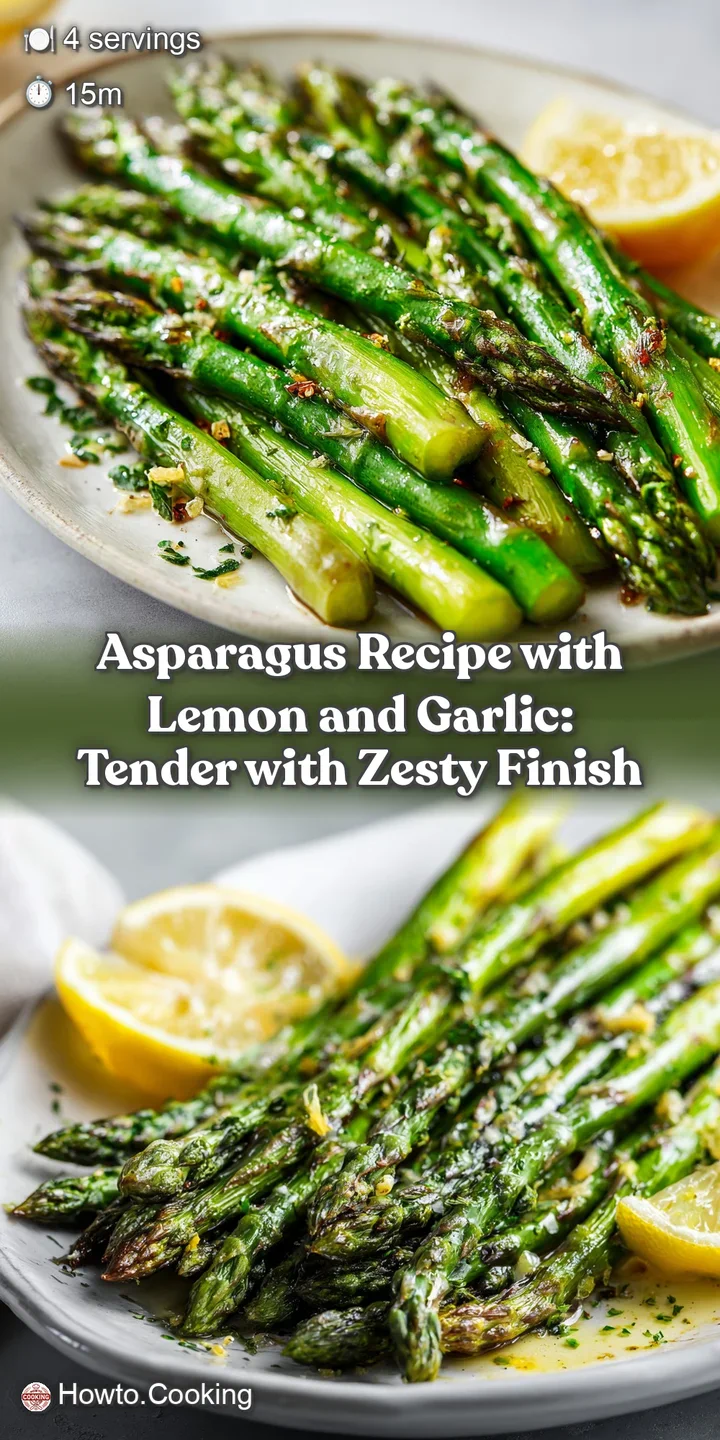
Asparagus Recipe with Lemon and Garlic: Zesty Finish
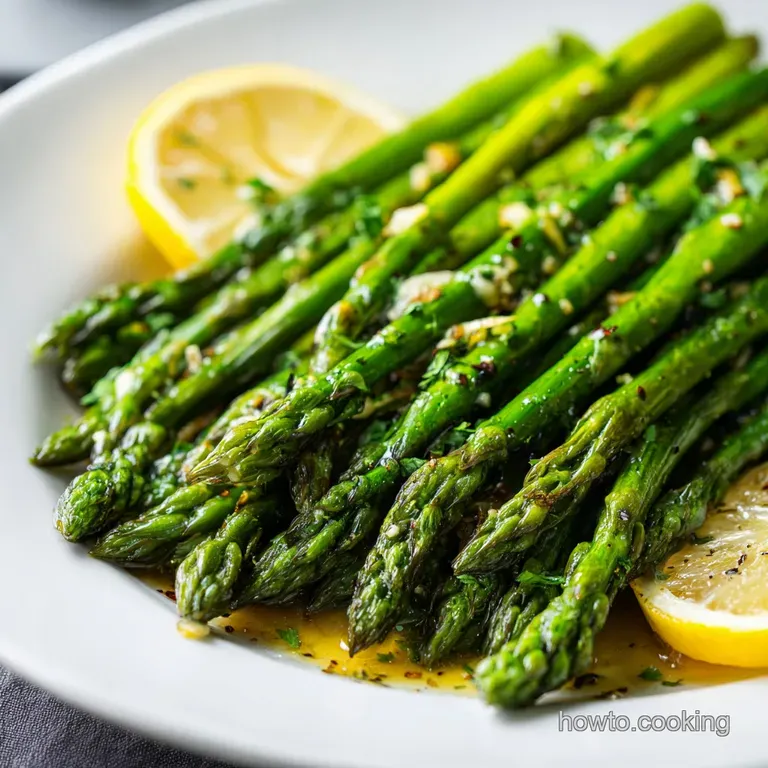
- Time: Active 5 minutes, Passive 10 minutes, Total 15 minutes
- Flavor/Texture Hook: Charred tips with a tender, snappy bite and zesty citrus finish.
- Perfect for: Wholesome family dinners and beginner cooks looking for high impact results.
- Understanding the Scientific Rationale Behind the Snap
- The Essential Components for a Wholesome Side Dish
- Simple Tools for Achieving Professional Results at Home
- Step by Step Guide to a Vibrant Roast
- Preventing Common Kitchen Errors and Flavor Mismatches
- Creative Ways to Adapt the Basic Formula
- Maintaining Freshness and Reducing Food Waste Daily
- Creating Wholesome Pairings for Your Family Table
- Recipe FAQs
- 📝 Recipe Card
The first time I tried to make a Roasted asparagus recipe with lemon and garlic, I ended up with something that looked more like seaweed than a garden fresh side dish. I’d crowded the pan and added the lemon juice way too early, resulting in a dull, olive drab mess that had zero "snap." It was a humbling moment in my kitchen, but it taught me exactly what not to do if I wanted that vibrant, emerald glow.
Now, whenever I hear that initial sizzle as the pan hits the oven rack, I know I’m on the right track. The aroma of roasting garlic hitting the hot oil is one of those sensory triggers that immediately makes my family congregate in the kitchen.
We've moved past the days of mushy vegetables, and honestly, once you master the timing, you'll never look back.
There is a genuine sense of confidence that comes from turning a humble bundle of stalks into a restaurant quality side. We aren't just cooking; we’re learning how to respect the ingredients.
This specific method focuses on high heat and strategic seasoning to ensure every spear is flavorful without losing its structural integrity.
Understanding the Scientific Rationale Behind the Snap
The Physics of the Final Brightness
Acid Reaction: Adding lemon juice after cooking prevents the acid from breaking down the chlorophyll, which would otherwise turn the vegetable a dull gray brown. This ensures the spears maintain their vibrant green hue while providing a fresh, zesty finish.
Precision Checkpoints for Results
- Temperature: Maintain a steady 400°F (200°C) environment for optimal caramelization.
- Weight: Ensure you are using exactly 1 lb of fresh asparagus to avoid overcrowding the sheet.
- Time: Total roasting should not exceed 10 minutes for medium thickness spears to preserve the "snap."
Method Comparison: Fast vs. Classic
| Method | Time | Texture | Flavor Profile |
|---|---|---|---|
| over High heat Roast | 10 minutes | Charred tips, tender center | Deeply caramelized and nutty |
| Pan-Sauté | 8 minutes | Uniformly soft | Buttery and mild |
| Blanch & Shock | 5 minutes | Very firm and crunchy | Clean and grassy |
When I’m in a rush, I often think about using the pan-sauté method, but roasting really is the secret to getting those little flower heads to turn crispy and "shatter" slightly when you bite into them. It's a texture you just can't replicate in a frying pan.
The Essential Components for a Wholesome Side Dish
Component Analysis
| Ingredient | Science Role | Pro Secret |
|---|---|---|
| Extra Virgin Olive Oil | Heat Transfer Agent | Use a mid tier oil; the high heat will mask the nuances of expensive finishing oils. |
| Garlic | Aromatic Infusion | Mince it finely but don't pulverize it; small chunks resist burning better than a paste. |
| Sea Salt | Moisture Extraction | Large grains provide a tactile crunch and draw out just enough moisture to concentrate flavor. |
Selecting your produce is the most important part of this process. I always look for bundles where the tips are tightly closed and the scales aren't starting to fray. If the bottom of the stalk looks like dry wood, it usually is.
I've learned that you can't "cook out" woodiness, so being picky at the store pays off later.
Ingredient List and Smarter Swaps
- 1 lb fresh asparagus (medium thickness)
- Substitute: String beans. Why this? They share a similar fiber structure and handle over high heat roasting equally well.
- 1.5 tbsp extra virgin olive oil
- Substitute: Avocado oil. Why this? It has a higher smoke point and a neutral, buttery flavor profile.
- 0.5 tsp sea salt
- Substitute: Kosher salt. Why this? The larger flakes make it easier to see how much you've actually seasoned.
- 0.25 tsp cracked black pepper
- Substitute: Red pepper flakes. Why this? Adds a subtle heat that cuts through the richness of the oil.
- 3 cloves garlic (finely minced)
- Substitute: Garlic powder (0.5 tsp). Why this? Good for even coverage if you are worried about fresh garlic burning in the oven.
- 1 large lemon (zested and juiced)
- Substitute: Lime. Why this? Offers a sharper, more tropical acidity that works well with seafood pairings.
Chef's Tip: If your asparagus has been sitting in the fridge for a few days and looks a bit limp, trim the ends and stand them up in a glass of ice water for 30 minutes before cooking. They’ll drink up the moisture and regain their turgor pressure, making them snappy again.
Simple Tools for Achieving Professional Results at Home
You don't need a high end kitchen to make this work, but a few specific items make the process much more predictable. I swear by a heavy rimmed baking sheet (like a half sheet pan) because it distributes heat more evenly than thin, flimsy pans.
If your pan is too thin, it might warp in the oven, causing your oil to pool in one corner and leaving half your vegetables dry.
A microplane or a fine zester is another one of those tools that feels like a luxury until you use it. It allows you to get just the yellow part of the lemon peel without the bitter white pith.
I once tried to use a vegetable peeler and a knife to get zest, and I ended up with big, bitter chunks that ruined the balance of the dish.
Finally,, a sharp chef's knife is non negotiable for trimming those ends. You want a clean cut, not a crushed stem. If you find yourself struggling to slice through the stalks, it's time to sharpen your blade. Cooking with dull tools is not only harder but also more dangerous.
step-by-step Guide to a Vibrant Roast
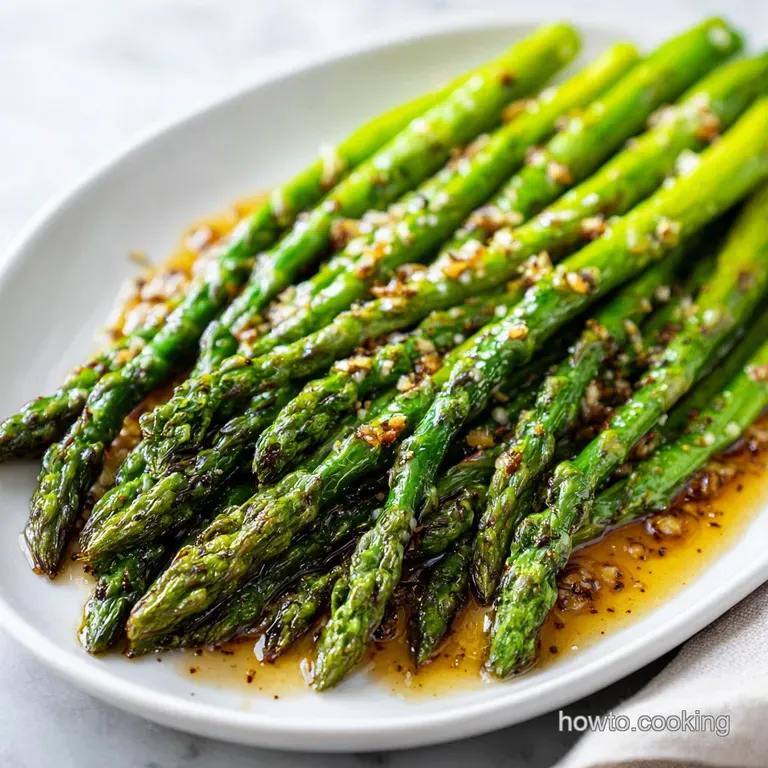
- Preheat the oven. Set your rack to the middle position and heat to 400°F (200°C). Note: This ensures the pan is hot the moment the food touches it.
- Wash and dry. Rinse 1 lb fresh asparagus and pat it thoroughly dry with a clean towel. Note: Water on the surface will cause steaming instead of roasting.
- Trim the woody ends. Slice off the bottom inch of the stalks where they feel tough. Until you see a moist, green center.
- Toss with oil. Place the spears on the baking sheet and drizzle with 1.5 tbsp extra virgin olive oil.
- Add the seasonings. Sprinkle 0.5 tsp sea salt and 0.25 tsp cracked black pepper over the spears.
- Incorporate the aromatics. Scatter 3 cloves finely minced garlic over the tray and toss again. Until every spear is glistening.
- Arrange the tray. Spread the asparagus in a single layer, ensuring they aren't touching too much.
- Roast the vegetables. Slide the tray into the oven for 8 to 10 minutes. Until the tips are slightly charred and the stems are tender.
- Add the brightness. Remove from the oven and immediately zest the whole lemon over the hot spears.
- Final squeeze. Drizzle with the juice of half the lemon and toss one last time before serving.
While the vegetables are roasting, it's the perfect time to prep a main course. This recipe pairs wonderfully with a hearty Beef and Rotini recipe because the acidity of the lemon cuts through the rich garlic sauce of the pasta.
Preventing Common Kitchen Errors and Flavor Mismatches
The biggest mistake I see people make with an Asparagus Recipe with Lemon and Garlic easy enough for beginners is failing to dry the vegetables. If there is a single drop of water left on those stalks, the heat of the oven will turn it into steam. Steamed asparagus isn't bad, but it isn't what we're going for here.
We want that concentrated, nutty flavor that only comes from dry heat roasting.
Fixing Flavor and Texture Issues
| Problem | Root Cause | Solution |
|---|---|---|
| Bitter Aftertaste | Burnt garlic or lemon pith | Add garlic halfway through roasting next time; zest lighter. |
| Soggy Stems | Overcrowded pan | Use two pans or roast in batches to allow air circulation. |
| Tough/Stringy Bite | Undercutting the ends | Use the "snap test" to find the natural break point of the stalk. |
Another common slip up is adding the lemon juice too early. If you pour it on before the tray goes into the oven, the heat will mute the citrus flavor and react with the greens to make them look gray. Always save that liquid gold for the very end.
Common Mistakes Checklist
- ✓ Don't skip the drying step: Use a kitchen towel to remove every trace of moisture.
- ✓ Check your garlic size: If you mince it too small, it will burn before the asparagus is tender.
- ✓ Avoid the "low-fat" trap: You need that 1.5 tbsp of oil to conduct heat into the vegetable.
- ✓ Wait for the lemon: Acid is a finishing touch, not a cooking liquid in this context.
- ✓ Trust your nose: If you smell garlic browning intensely, it's time to pull the tray out.
Creative Ways to Adapt the Basic Formula
If you want to transform this into something more substantial, you have plenty of options. Sometimes I'll toss in a handful of cherry tomatoes during the last 5 minutes of roasting. They burst and create a natural sauce that mingles with the lemon and garlic.
It's a fantastic way to add color and a different kind of acidity to the plate.
For those who want a bit of crunch, adding toasted slivered almonds or pine nuts after roasting is a game changer. It provides a textural contrast to the tender spears. If you have some extra time, try making a batch of Garlic Butter Green Beans recipe alongside it for a vegetable forward feast that uses similar flavor profiles.
Decision Shortcut for Variations
- If you want a creamy finish: Shave fresh Parmesan cheese over the spears while they are still piping hot.
- If you want a main course: Serve the roasted spears over a bed of Lemon garlic asparagus pasta with grilled shrimp.
- If you want a nutty depth: Brown 1 tbsp of butter and whisk it with the lemon juice before drizzling.
Scaling the Recipe Appropriately
- Scaling Down (½ lb): Use a smaller toaster oven tray; check for doneness at 7 minutes as smaller batches cook faster.
- Scaling Up (2 lbs): Use two separate baking sheets. Do not try to pile them onto one tray, or they will steam.
- For Large Crowds: You can prep the trimming and washing up to 24 hours in advance. Store the trimmed spears in a damp paper towel in the fridge.
Maintaining Freshness and Reducing Food Waste Daily
Storing leftover Asparagus with lemon butter sauce can be tricky because the texture will never be quite as snappy as it was fresh out of the oven. However, that doesn't mean you should throw it away! I love chopping up leftover spears and throwing them into an omelet or a frittata the next morning.
The lemon and garlic flavor carries over beautifully into egg dishes.
For storage, keep the cooked spears in an airtight container in the fridge for up to 3 days. When you’re ready to eat them again, avoid the microwave if you can. Instead, toss them in a hot skillet for 2 minutes to revive the edges.
Freezing is possible, but I don't recommend it for this specific Baked asparagus recipe with lemon and garlic because the cell walls will collapse, making them very soft upon thawing.
Don't toss those woody ends! Even though they are too tough to eat on their own, they are packed with flavor. I keep a "stock bag" in my freezer where I toss vegetable scraps. The ends of the asparagus add a wonderful earthy note to homemade vegetable or chicken broth.
It's a small way to practice zero waste cooking while building deeper flavors for your future soups.
Creating Wholesome Pairings for Your Family Table
I believe that a good side dish should act as a bridge between the different elements of a meal. Because this dish has such a bright, acidic profile, it works exceptionally well with "heavier" proteins. Think of it as a palate cleanser in the middle of your dinner.
It provides a much needed break from rich sauces or fatty meats.
Debunking Kitchen Myths
- The "Snap Test" is 100% Reliable: Actually, snapping each spear by hand can lead to wasting a lot of perfectly good vegetable. It's often more efficient to line them up and cut them all at once at the point where the color fades from white to green.
- Thick Spears are Tougher: This is a common misconception! Thick spears are often more tender and succulent than the pencil thin ones, which can turn "stringy" very easily in a hot oven.
- Lemon Juice Tenderizes Greens: In reality, adding acid during the cooking process toughens the vegetable fibers rather than softening them.
Serving this dish pan-fried asparagus with lemon and parmesan style is another family favorite. To do this, I just move the whole operation to a large cast iron skillet. It gives the spears a slightly different char, more akin to what you'd get on a grill.
Whichever way you choose to finish it, remember that the goal is to feel confident in your ability to nourish your family with simple, high-quality ingredients.
When you sit down to eat, notice how the zest hits the back of your tongue and how the sea salt highlights the natural sweetness of the vegetable. It's these little details that turn a routine Tuesday night meal into something truly flavorful and memorable.
Trust your instincts, watch your timer, and enjoy the process of becoming a more intuitive cook.
Recipe FAQs
What enhances the flavor of asparagus?
Lemon zest, roasted garlic, and high-quality olive oil are the core enhancers for this dish. The high heat of roasting caramelizes the sugars in the vegetable, while the lemon zest added last brightens the profile. If you are serving this alongside protein, a side of our How to Make recipe works perfectly.
What is the most delicious way to eat asparagus?
Roasting at a high temperature (400°F) until the tips are slightly charred delivers the best texture and flavor combination. This method ensures the interior is tender while the exterior develops a nutty crunch. For a flavor variation, see how we use acid balance in our Healthy Salad Dressings recipe for vinaigrettes.
What does soaking garlic in lemon juice do?
Nothing significant for this particular recipe, as the lemon juice should be added after cooking. Soaking raw garlic in citrus is sometimes done to slightly mellow its harshness, but here, we add the zest and juice off the heat to preserve their fresh impact.
Adding the acid early causes the chlorophyll to turn the spears an unappetizing olive color.
What are common mistakes when cooking asparagus?
Overcrowding the pan and adding the lemon juice too early are the most frequent errors leading to mushy, dull vegetables. Overcrowding traps steam, preventing the necessary dry roasting effect, and premature acid exposure degrades the vibrant green color.
How to avoid woody, tough asparagus stalks?
Trim until you see the moist, bright green interior inside the stalk end. Do not rely solely on snapping, as this can waste edible vegetable. If the spears are very thick, blanch them briefly before roasting to ensure tenderness throughout.
Should I use the zest or the juice first?
Use the zest first, immediately after removing the pan from the oven. Zest provides immediate aromatic oil release without introducing excess liquid that causes steaming. The juice should follow immediately after the zest to coat everything before it cools down.
Is it true that thicker asparagus spears steam more easily?
No, this is a common misconception. Thicker spears often hold moisture better internally and are less prone to shriveling than thin ones when roasted properly. Pencil thin spears cook faster and require closer monitoring to prevent them from becoming overly dry or stringy.
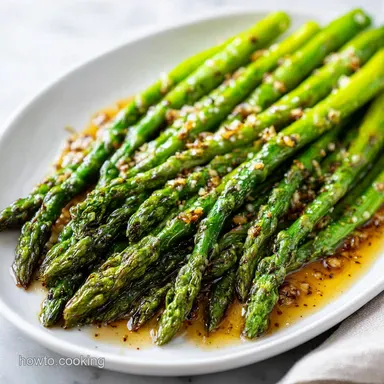
Lemon Garlic Asparagus Recipe
Ingredients:
Instructions:
Nutrition Facts:
| Calories | 72 kcal |
|---|---|
| Protein | 2.7 g |
| Fat | 5.3 g |
| Carbs | 5.4 g |
| Fiber | 2.5 g |
| Sugar | 2.1 g |
| Sodium | 294 mg |
