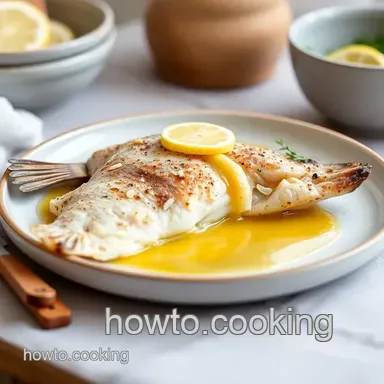
Pan-Seared Lemon Butter Flounder
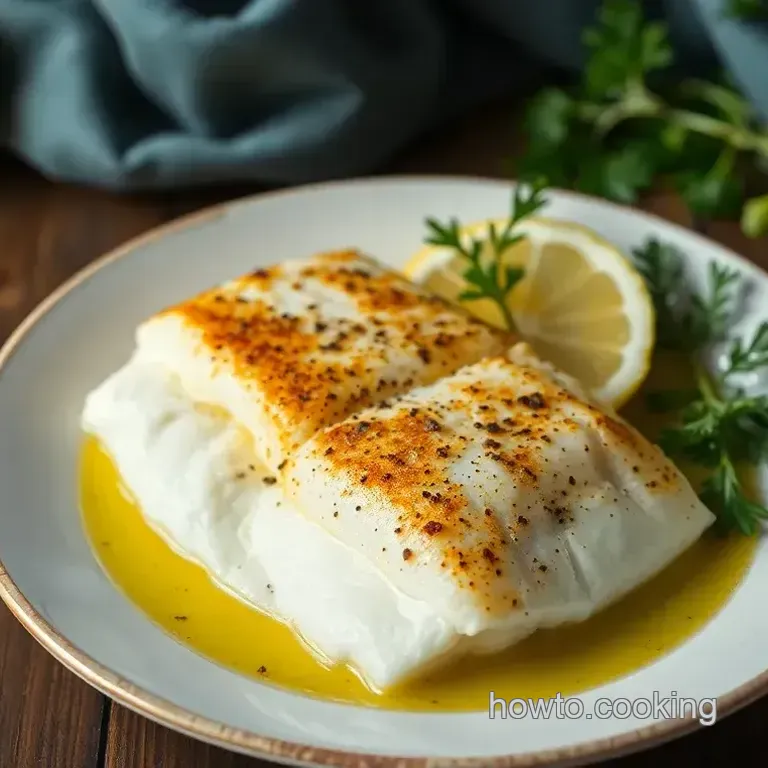
- Time: 5 min active + 10 min cooking
- Flavor/Texture Hook: Zesty citrus butter paired with a light, golden crust
- Perfect for: An effortless weeknight meal with a gourmet touch
That sharp, loud hiss as the fish meets the hot oil is incredibly satisfying. I once feared cooking flounder, convinced it was too delicate and would fall apart the second a spatula touched it.
In fact, during one attempt at a special dinner, I accidentally created "fish scramble" because I couldn't stop checking if the fillets were sticking.
You don't need a commercial kitchen or surgical precision to achieve a professional sear. Actually, if you just let the fish sit, it does the hard work for you. This Lemon Butter Flounder follows some basic principles to ensure the fillets stay flaky and the sauce remains vibrant.
The result is a perfect harmony of a savory, browned crust and a citrusy finish. This dish brings a touch of elegance to the table but is ready in just 15 minutes.
Fast Track Recipe Specs
This meal is built for speed. Because flounder is so thin, it doesn't need the long roasting times that salmon or cod require. You can go from a raw fillet to a plated meal before your pasta water even finishes boiling.
The prep is minimal just a quick pat dry and a dusting of flour. This ensures the fish doesn't steam in the pan, which is where most people go wrong. Instead, you get a crisp edge that holds up against the butter sauce.
| Fresh Fillets | Frozen Thawed |
|---|---|
| Better texture, naturally firmer | Slightly softer, requires extra drying |
| More expensive, shorter shelf life | Budget friendly, lasts months |
The Pantry List
Less is more here. Butter and lemon provide the primary flavor, so a long list of spices isn't necessary. Stick with unsalted butter so you have complete control over the saltiness.
- 4 (6 oz / 170 g) flounder fillets
- ¼ cup (30 g) all purpose flour Why this? Helps create a delicate layer for a better crust
- ½ tsp (3 g) kosher salt
- ¼ tsp (1 g) black pepper
- 2 tbsp (30 ml) extra virgin olive oil Why this? Better for high heat searing than butter alone
- 4 tbsp (56 g) unsalted butter
- 2 tbsp (30 ml) fresh lemon juice Why this? Fresh juice is far more zesty than bottled
- 1 tbsp (6 g) lemon zest
- 2 cloves (6 g) garlic, minced
- 1 tbsp (4 g) fresh parsley, chopped
If you don't have flour, cornstarch is a good alternative for a crunchier finish. For a bit more complexity, stir a dash of paprika into the dredging flour.
Kitchen Gear Needed
You don't need much. A 12 inch skillet is the way to go. If the pan is too small, the fish will crowd each other, and they'll release moisture, which leads to steaming instead of searing.
A fish spatula is a lifesaver here. It's thin and flexible, which means you can slide it under the fillet without breaking the delicate meat. If you don't have one, a wide turner works, but be extra gentle.
Cooking the Fish
Time to start. The key is to work efficiently once the fish enters the pan to prevent the butter from scorching.
1. Prep: Drying and Dusting
Use paper towels to pat the flounder fillets completely dry. This step is essential for achieving a crisp exterior. In a shallow dish, combine the flour, salt, and pepper. Lightly coat each fillet, shaking off any excess; you are aiming for a thin veil of flour rather than a thick coating.
2. Searing: Achieving the Golden Crust
Using a medium high setting, heat olive oil in a 12 inch pan until it shimmers. Carefully place the fillets in the oil. Sear for 2–3 minutes without disturbing them until they lift easily and exhibit a mahogany colored crust.
Flip gently and cook for another 2 minutes, then transfer the fish to a plate.
3. Finishing: The Butter Baste
Lower the heat to medium. Add 3 tbsp (42 g) of butter to the pan. Once it begins to foam, stir in the minced garlic for 30 seconds until aromatic.
Stir in the lemon juice and zest, whisking for 1 minute to create a smooth emulsion. Return the fish to the pan for 30 seconds to glaze, then garnish with fresh parsley.
Chef Note: Watch the garlic closely. If it browns too much, it will become bitter and overpower the brightness of the Lemon Butter Flounder.
Why This Method Works
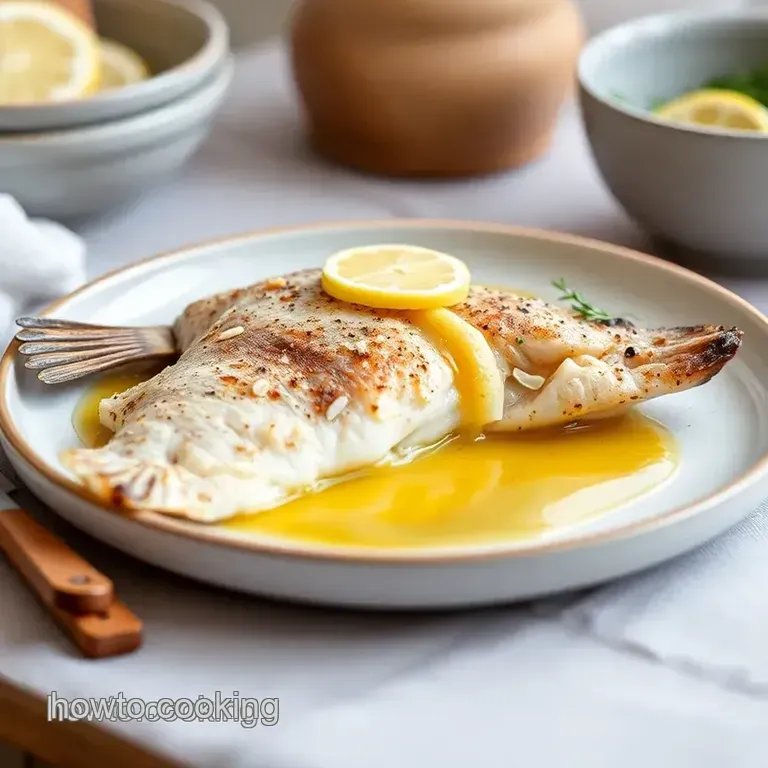
The flour dredging acts as a desiccant, soaking up any surface moisture. This lets the heat hit the fish directly, creating a crisp shell that protects the tender meat inside.
The butter is added at the end because it burns quickly. By searing in olive oil first and then finishing with a butter baste, you get the flavor of the butter without the burnt taste. If you're looking for other citrus heavy dishes, my spaetzle with lemon sauce uses a similar balance of fat and acid.
Fixing Common Issues
The biggest struggle with this recipe is usually the "stick factor." If the fish is clinging to the pan, it's almost always because the pan wasn't hot enough or the fish was too wet.
Another common issue is overcooking. Flounder is thin, so it goes from "perfect" to "rubbery" in about 60 seconds. Watch for the edges to turn opaque.
Preventing the Fish from Breaking
The fillet often tears when you try to flip it too early. Stop touching the fish. It will naturally release from the pan once the crust has formed. Give it another 30 seconds if it feels stuck.
Stopping the Butter from Burning
If the butter foams and then immediately turns brown, your heat is too high. Pull the pan off the burner for a few seconds before adding the lemon juice to cool it down.
| Problem | Fix |
|---|---|
| Fillet sticks to pan | Wait 30 seconds; don't force the flip |
| Sauce separates/breaks | Whisk vigorously over medium low heat |
| Fish is rubbery | Reduce cook time by 1 minute per side |
Storing Your Leftovers
While fresh fish is ideal, any remaining Lemon Butter Flounder can be stored in an airtight glass dish in the refrigerator for a maximum of 2 days.
Skip the microwave when reheating, as it can make the fish rubbery and cause the butter sauce to break. Instead, place the fillet in a pan on low heat with an additional knob of butter or a teaspoon of water. Cover for 2 minutes until heated through.
To reduce waste, make use of the leftover lemon halves by squeezing them into water or adding the zest to a salad dressing. Any remaining butter sauce in the pan is perfect for drizzling over sautéed spinach or steamed asparagus.
Different Flavor Twists
You can easily tweak this to change the vibe. For a Mediterranean twist, swap the parsley for fresh dill and add a few capers to the butter sauce.
If you want something a bit richer, you could try a creamy cheese sauce on the side, though that's a bit heavier than the classic lemon route.
For Different White Fish
You can use sole or tilapia here. Sole is very similar to flounder. Tilapia is slightly thicker, so you might need to add 1 minute to the sear time on each side.
For a Low Carb Swap
Skip the flour dredge entirely. Just pat the fish very dry and season with salt and pepper. You won't get the same crust, but the Lemon Butter Flounder will still taste great.
Decision Shortcut
- Extra tang? → fold in 1 tsp extra lemon zest
- More depth? → add a pinch of smoked paprika to flour
- Healthier? → use 2 tbsp butter instead of 4
What to Serve Alongside
Since the sauce is so rich and citrusy, you want sides that can soak up that butter. Sautéed spinach or roasted asparagus are classic choices.
For a heartier meal, serve the fish over a bed of wild rice or quinoa. The grains catch the sauce, and the earthiness of the rice balances the acidity of the lemon.
If you're feeling adventurous, some smashed fingerling potatoes with sea salt and rosemary provide a great textural contrast to the flaky fish. Just make sure the potatoes are crispy enough to stand up to the butter glaze.
| Ingredient | What It Does | Best Swap |
|---|---|---|
| Flounder | Main lean protein | Sole or Tilapia |
| All purpose Flour | Creates a crisp crust | Cornstarch or Almond flour |
| Unsalted Butter | Adds richness and gloss | Ghee or Vegan butter |
| Fresh Lemon | Provides acidity/brightness | Lime juice (for a twist) |
Recipe FAQs
How to prevent the fish from sticking?
Heat olive oil in the skillet until it shimmers.
Tip: leave the fillets untouched for 2-3 minutes to develop a mahogany crust.
What sides pair best with flounder?
Steamed asparagus or roasted potatoes balance the rich butter sauce.
Tip: this also pairs beautifully with a creamy pasta.
Is it true that flour is unnecessary for searing?
Actually, no. A light dredge prevents sticking and helps the lemon butter glaze adhere.
Tip: shake off any excess flour to keep the coating translucent.
Reheating leftover fillets correctly?
Warm the fish in a pan over low heat with a teaspoon of water or butter.
Tip: avoid the microwave to keep the texture from becoming rubbery.
Do I need a deep pot to prevent oil splashes?
No, and here's why. A 12 inch skillet provides the necessary surface area for the fish to sear without crowding.
Tip: ensure the pan is large enough so fillets aren't touching.
Why does the sauce separate?
Excessive heat breaks the emulsion of the lemon juice and butter.
Tip: reduce heat to medium and whisk for one minute for a velvety finish.
Should I use bottled lemon juice to save time?
Not true. Fresh lemon juice and zest are essential for the brightness needed to cut the butter.
Tip: zest your lemon before squeezing it for the best results.
Pan Seared Flounder With Lemon Butter