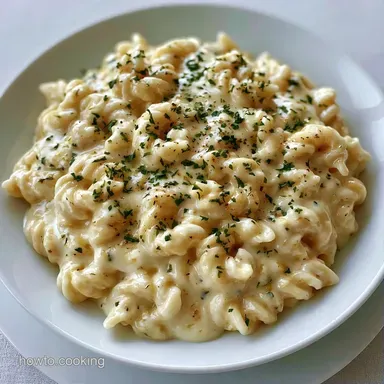
Garlic Cream Cheese Pasta Sauce
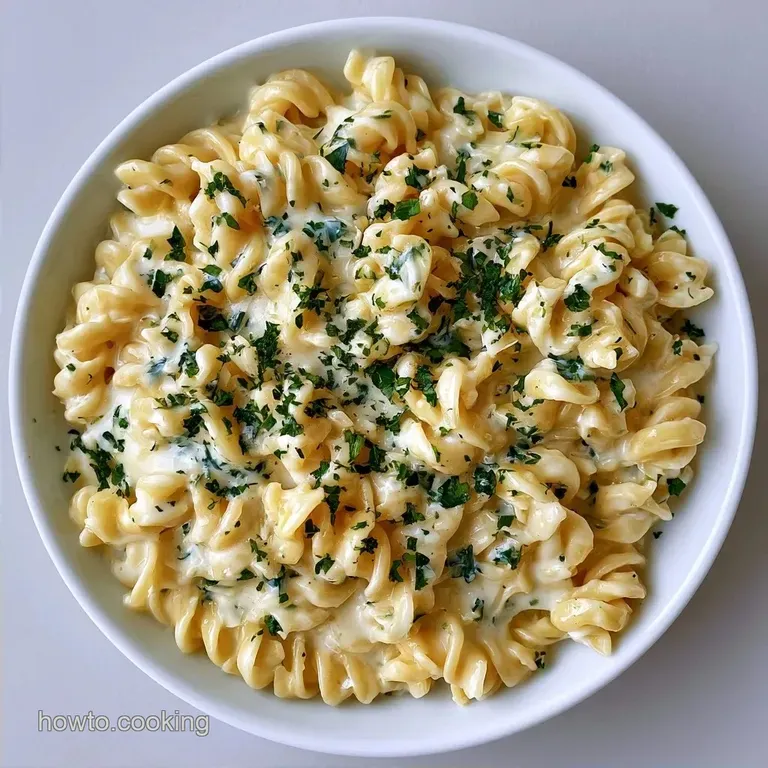
- Prep: 5 min active | Cook: 10 min
- Taste Profile: Tangy, glossy, and rich
- Best for: Busy weeknights and kid-friendly dinners
Cream Cheese Pasta Sauce Made Easy
You don't need a bottle of pricey heavy cream to achieve a thick, indulgent sauce. I once thought that was the only method, but in reality, heavy cream can easily split or turn oily if the temperature isn't just right. That's an unnecessary stress for a Tuesday evening.
The secret is using cream cheese. It's more affordable, stays stable, and adds a hint of tanginess that balances the richness. I always turn to this sauce when my fridge is almost empty but I'm craving something special.
The result is a sauce that clings beautifully to the noodles rather than sliding off. It's a simple approach using basic staples that takes roughly the same amount of time as boiling your pasta.
Quick Sauce Specs
This recipe is designed for speed and budget. You aren't spending an hour reducing liquids or whisking a flour paste. Since we're using softened cheese, the emulsion happens almost instantly.
Right then, the focus here is on balance. The lemon juice and black pepper stop the cream cheese from tasting too heavy, making it feel more like a meal and less like a dip. It's a wholesome way to feed a family without breaking the bank.
Why This Version Works
- Stabilized Fats: Cream cheese contains natural emulsifiers. This means your sauce stays together and doesn't split into oil and solids like some butter based sauces do.
- Starch Binding: Using reserved pasta water adds gelatinized starch. This helps the sauce grip the noodles, according to the principles of starch gelatinization often cited by King Arthur Baking.
- Acid Balance: A tiny bit of lemon juice brightens the fat. It wakes up the garlic and makes the whole dish taste fresher.
The difference between a "shortcut" sauce and a "from scratch" bechamel is mainly the prep time and the flavor profile.
| Component | Fresh Roux Method | Shortcut Cream Cheese | Result |
|---|---|---|---|
| Prep Time | 15-20 mins | 5 mins | Much faster |
| Stability | Can break if boiled | Very stable | Easier for beginners |
| Flavor | Neutral/Buttery | Tangy/Rich | More depth |
Essential Sauce Ingredients
Before we crack on, make sure your cream cheese is truly softened. If it's cold, you'll be fighting lumps for ten minutes.
Ingredient Deep Dive
| Ingredient | What It Does | Best Swap |
|---|---|---|
| Cream Cheese | Provides thickness and tang | Mascarpone (richer, less tang) |
| Pasta Water | Binds sauce to noodle | Milk (less clingy) |
| Lemon Juice | Cuts through the fat | White wine or apple cider vinegar |
The Shopping List
- 4 oz (113g) cream cheese, softened Why this? Acts as the primary thickener and emulsifier
- 1 tbsp (14g) unsalted butter Why this? Sautés garlic and adds a glossy finish
- 3 cloves (9g) garlic, minced Why this? Provides the savory, aromatic base
- ½ cup (120ml) milk Why this? Thins the cheese into a pourable sauce
- ½ cup (120ml) reserved pasta water Why this? Contains starch for better adhesion
- ¼ tsp (1.5g) fine sea salt
- ¼ tsp (1g) cracked black pepper
- 1 tbsp (3g) fresh parsley, chopped
- 1 tsp (5ml) lemon juice Why this? Balances the richness of the dairy
The Required Tools
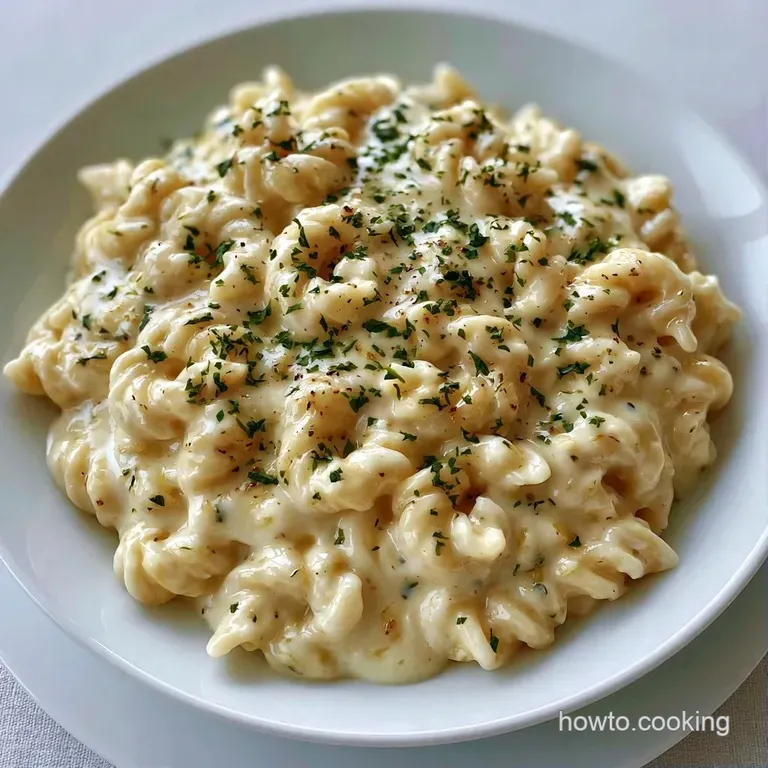
This recipe requires only a few basic tools. All you really need is a skillet and a whisk.
I recommend using a wide non-stick pan; it allows the garlic to brown evenly and provides enough surface area for the sauce to reduce. A whisk is essential for this process, as it helps incorporate the cream cheese into the milk rapidly to ensure a clump-free consistency.
While you can substitute a fork if a whisk isn't available, achieving a perfectly smooth texture will take considerably more effort.
Step-by-step Cooking Guide
Start by boiling your pasta. You'll need some of that starchy water to finish the sauce.
- Set the skillet over medium low heat. Melt the butter until it foams, then stir in the minced garlic.
- Sauté for 1–2 minutes until the garlic is translucent and fragrant, but not browned.
- Add the softened cream cheese to the pan. Whisk constantly to break it down and blend it with the butter.
- Slowly pour in the milk, whisking vigorously until the mixture is smooth and the cheese has melted into a thick, pale cream.
- Whisk in the saved pasta water, adding it by the tablespoon until the sauce reaches a velvety, pourable consistency.
- Stir in the salt, black pepper, and lemon juice.
- Remove from heat once the sauce is glossy and smooth.
- Fold in the cooked pasta and chopped parsley. Stir for 30 seconds to coat every noodle.
Chef Note: If you're using a thicker pasta like rigatoni, let the noodles simmer in the sauce for one minute. This allows the sauce to seep into the tubes.
Handling Common Issues
Temperature is the primary cause of most Cream Cheese Pasta Sauce issues. Excessive heat can cause the cheese to grain, while a pan that isn't warm enough will prevent a proper emulsion.
Fixing a Grainy Texture
This typically occurs if the cream cheese is added too rapidly to a pan on high heat, causing the proteins to clump. You can smooth it out by whisking in a splash of milk over very low heat. For persistent lumps, a quick burst with an immersion blender works instantly.
When the Sauce is Too Thick
Because thickness varies between brands, your sauce might end up feeling more like a dip. To fix this, stir in small amounts of the starchy pasta water. This thins the texture without sacrificing the glossy finish.
Managing Sauce Separation
If you notice small beads of oil forming on the surface, the sauce has been overheated. Remove the pan from the heat source immediately. Stir in a teaspoon of cold milk or some pasta water to reunite the emulsion.
| Problem | Fix |
|---|---|
| Lumpy texture | Lower heat and whisk in extra milk |
| Too thick/pasty | Gradually stir in reserved pasta water |
| Separated oil | Remove from heat and stir in cold milk |
Twists for Different Tastes
This base is incredibly versatile, acting as a blank slate that I often adapt based on whatever is currently in my crisper drawer.
To create a spicy Garlic Cream Cheese Pasta Sauce, stir red pepper flakes into the butter while sautéing the garlic. For a Cream Cheese Tomato Pasta Sauce, blend in two tablespoons of tomato paste before adding the milk; this produces a savory, pink sauce that children usually love.
To make the meal more substantial, add some grilled chicken or sautéed shrimp at the end. If you prefer a different herbal profile, my creamy pesto pasta is a wonderful alternative. For those who prefer a cleaner, oil-based finish, try traditional pesto pasta.
- For a sharper tang
- add an extra teaspoon of lemon juice.
- For a richer taste
- swap the milk for heavy cream.
- For a lighter version
- use a 2% milk and low-fat cream cheese.
Storage and Waste Tips
Keep this sauce chilled in a covered container for up to 3 days. Be aware that it will thicken as it cools because the fats in the cream cheese solidify.
To warm it up, place the pasta and sauce in a pan over low heat. A small amount of milk or water will help loosen the consistency. Avoid using a high microwave setting for too long, otherwise the sauce may separate. I advise against freezing this sauce, as thawing can make the cream cheese grainy.
To reduce waste, don't toss the parsley stems. I save mine in a freezer bag with other veggie scraps for a quick stock. Additionally, any leftover cream cheese is delicious mixed into scrambled eggs for breakfast.
Best Pairing Options
Since this sauce is quite rich, you need something with acidity or crunch to balance the plate. A crisp arugula salad with a lemon vinaigrette is my favorite pairing. The bitterness of the greens cuts right through the creaminess of the pasta.
Roasted broccoli or sautéed spinach also work well. The charred flavor of roasted veg provides a nice contrast to the smooth sauce. If you're serving this to a crowd, a side of toasted garlic bread can help soak up any leftover sauce on the plate.
Trust me, don't overdo it with more cheese on top. A little bit of cracked black pepper and a few fresh parsley leaves are enough. Let the tang of the cream cheese be the star of the show.
Recipe FAQs
Can cream cheese actually be used for pasta sauce?
Yes, it creates a rich and velvety base. The fats emulsify with pasta water to coat the noodles perfectly.
Is it possible to melt cream cheese without it clumping?
It melts smoothly if you use softened cream cheese and stir constantly over medium-low heat. Whisking in milk slowly prevents the cheese from breaking.
How to make a simple three-ingredient version?
Melt butter, stir in softened cream cheese, and whisk in milk. This creates a basic creamy base before you add the seasonings.
Must I use a brand-name cream cheese for the best results?
No, and here's why. Any standard full-fat cream cheese block provides the necessary stability and creaminess for this sauce.
What can I add to customize the flavor?
Stir in extra black pepper or a squeeze of lemon juice for more brightness. If you enjoy these creamy textures, you might like the creamy comfort style of our chicken pasta.
Why is my sauce too thick?
The sauce thickens when the fats in the cream cheese emulsify too tightly or reduce too much. Add reserved pasta water one tablespoon at a time until it reaches a velvety consistency.
Which pasta shapes work best with this creamy sauce?
Ridged shapes like penne or fusilli are ideal because they trap the thick sauce. Long noodles like spaghetti also work well if you toss them thoroughly in the pan.
Does the sauce separate when reheated?
It can separate if heated too quickly in the microwave. Use a pan over low heat and add a splash of milk to loosen the fats back into a smooth emulsion.
Cream Cheese Pasta Sauce in 15 Minutes