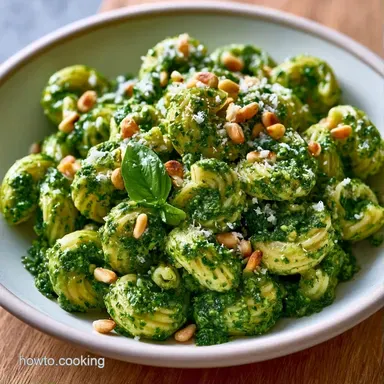
Traditional Pesto Pasta with Genovese Basil
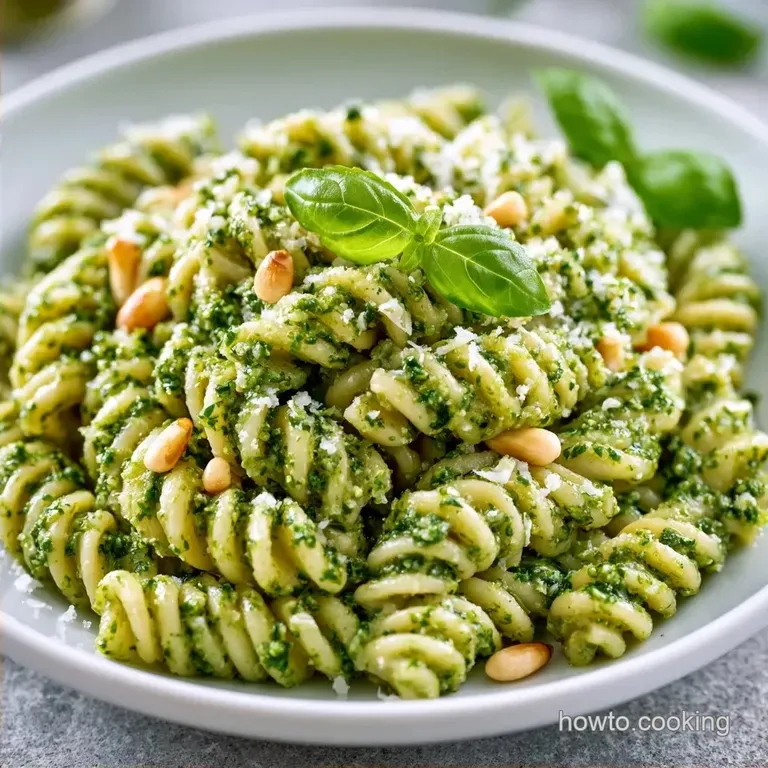
- Time: 10 min active + 5 min cook
- Flavor/Texture Hook: Sharp, nutty, and bright
- Perfect for: Fast weeknight dinners or meal prep
- Making Traditional Pesto Pasta
- Why the Flavors Pop
- Ingredient Deep Dive
- The Shopping List
- Simple Tools Needed
- Step By Step Guide
- Fixing Common Issues
- Troubleshooting Common Issues
- Easy Flavor Variations
- Adjusting the Batch Size
- Pesto Truths
- Storage and Waste
- Best Pairing Ideas
- Recipe FAQs
- 📝 Recipe Card
Making Traditional Pesto Pasta
The scent of fresh basil hitting olive oil always takes me back to the coast of Liguria. In Italy, pesto isn't just a condiment, it's a point of pride. Families have specific ways of grinding their herbs, and for generations, the goal has been a sauce that tastes like a summer morning in Genoa.
It's about that specific balance of salty cheese and peppery basil.
I used to think you needed a marble mortar and a heavy pestle to get this right. While that's the old school way, most of us don't have the arm strength or the time for it on a Tuesday night. The trick is using a food processor without overheating the greens.
This Traditional Pesto Pasta is all about speed and temperature. We keep everything cool so the basil doesn't turn brown. You'll end up with a vibrant, punchy sauce that clings to the noodles.
Why the Flavors Pop
Cold Oil: Using chilled olive oil helps keep the basil from oxidizing, which prevents the sauce from turning a dull brown.
Short Bursts: Pulsing instead of blending stops the blades from heating up. This preserves the bright, grassy notes of the Genovese basil.
Cheese Blend: Mixing Parmesan and Pecorino gives you both a nutty depth and a sharp, salty kick. If you're looking for more variations, you can check out my Homemade Basil Pesto Pasta for different twist ideas.
| Method | Prep Time | Texture | Best For |
|---|---|---|---|
| Raw (Traditional) | 10 mins | Coarse and bright | Fresh summer pasta |
| Heated (Cooked) | 15 mins | Smooth and heavy | Creamy comfort meals |
Ingredient Deep Dive
| Ingredient | What It Does | Best Swap |
|---|---|---|
| Genovese Basil | Provides the primary herbal base | Baby spinach (milder taste) |
| Pine Nuts | Adds creamy, buttery fat | Walnuts (earthier flavor) |
| Pecorino Romano | Adds a sharp, salty punch | Extra Parmesan (milder) |
The Shopping List
- 2 cups (50g) packed fresh Genovese basil leaves Why this? Traditional variety with a sweeter, less minty profile
- 2 cloves (6g) garlic Why this? Fresh cloves provide a sharper bite than jarred
- 1 tbsp (15ml) fresh lemon juice Why this? Acid cuts through the heavy fats
- 1/3 cup (50g) pine nuts Why this? Classic nutty base for authentic flavor
- 1/2 cup (50g) freshly grated Parmesan cheese Why this? Adds salty, savory umami
- 1/3 cup (30g) freshly grated Pecorino Romano cheese Why this? Adds a tangier saltiness
- 1/2 cup (120ml) extra virgin olive oil Why this? high quality oil defines the finish
- 1/2 tsp (3g) sea salt Why this? Enhances the natural herb flavors
- 1/4 tsp (1g) freshly cracked black pepper Why this? Adds a subtle woody heat
Simple Tools Needed
You don't need a kitchen full of gadgets for this. A standard food processor is your best bet here. If you don't have one, a small blender works, but you'll have to be even more careful with the pulse button. For the pasta, a large pot and a colander are all you need.
I usually use a stainless steel pot because it holds heat well.
Step by step Guide
First, let's get the Traditional Pesto Pasta sauce ready.
- Place the toasted pine nuts and chopped garlic into the food processor. Pulse several times until the nuts are broken down into a coarse, sandy meal.
- Add the packed basil leaves, lemon juice, salt, and pepper. Pulse in short, 1 second bursts until the basil is finely chopped but still holds some texture. Note: Don't over process or it will turn into a paste.
- Turn the processor to a low setting. Slowly drizzle in the chilled extra virgin olive oil in a steady stream until the sauce looks silky and integrated.
- Add the grated Parmesan and Pecorino. Pulse one last time until the cheese is just combined.
- Boil a large pot of salted water. Cook your pasta until it is al dente.
- Reserve about 60ml of the starchy pasta water before draining.
- Toss the drained pasta with the pesto.
- Stir in a splash of the reserved pasta water until the sauce coats the noodles evenly.
- Serve immediately with an extra sprinkle of cheese.
Fixing Common Issues
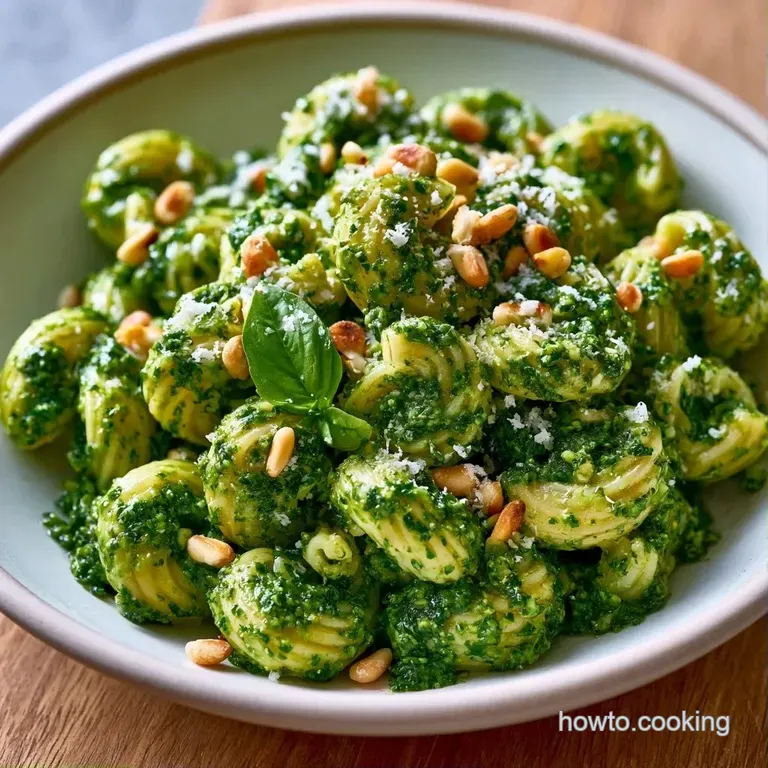
Making Traditional Pesto Pasta usually goes smoothly, but a few things can go sideways. The most common issue is the color. If your sauce looks like swamp water, you probably processed the basil for too long or used warm oil.
Troubleshooting Common Issues
| Issue | Solution |
|---|---|
| Why Your Pesto Turned Brown | This happens because of oxidation. The blades generate heat, which breaks down the chlorophyll in the basil. To prevent this, keep your oil in the fridge before using it. |
| Why Your Sauce Is Too Oily | This usually means the oil wasn't emulsified. Make sure you drizzle the oil slowly while the machine is running. |
| Why Your Pesto Tastes Bitter | Over processing the basil or using too much garlic can create a bitter aftertaste. Pulse in short bursts and taste as you go. |
Easy Flavor Variations
If you want to switch things up, this base is very flexible. You can make it a bit richer by adding a splash of cream, similar to my Basil Pesto Cream Sauce.
- The Nut Swap: Use toasted walnuts or almonds if pine nuts are too pricey.
- The Green Swap: Mix in a handful of baby spinach or arugula for a more peppery bite.
- The Protein Add: Stir in grilled shrimp or shredded chicken.
Decision Shortcut:
- If you want more zing, add an extra teaspoon of lemon juice.
- If you want it creamier, stir in a tablespoon of ricotta.
- If you want more heat, add a pinch of red pepper flakes.
Adjusting the Batch Size
Scaling Down (1/2 Batch): Use a smaller food processor if you have one. Reduce the processing time by about 20% because the blades will hit the smaller amount of ingredients faster. Since you're using less volume, be very careful with the salt.
Scaling Up (2x-4x Batch): Work in batches. If you crowd the processor, the basil at the bottom turns to mush while the top stays chunky. Only increase the salt and pepper to 1.5x the original amount, then taste and adjust. Liquids can usually be reduced by 10% when doubling.
Pesto Truths
Searing the garlic before adding it to the processor doesn't "mellow" the flavor in a good way for this dish. It actually changes the profile from fresh to savory, which ruins the Traditional Pesto Pasta vibe.
Some people think you should cook the pesto in a pan. Don't do this. Heat destroys the delicate basil aromatics and can cause the cheese to clump.
Storage and Waste
Store any leftover sauce in a glass jar. Pour a thin layer of olive oil over the top to seal out the air, which keeps it green. It stays fresh in the fridge for 5 days. You can also freeze it in ice cube trays for 3 months. Just thaw one cube at a time for a quick meal.
To avoid waste, don't throw away the basil stems. Simmer them in your next pot of vegetable broth or stock. They hold a lot of flavor that's usually wasted. If you have leftover Parmesan rinds, toss them into a soup for a salty, rich boost.
Best Pairing Ideas
Since this dish is quite rich, you need something to cut through the fat. A crisp arugula salad with a simple lemon vinaigrette is the standard choice. The bitterness of the greens balances the creamy nuts and cheese.
For a heartier meal, serve it with roasted cherry tomatoes. The burst of acidity from the cooked tomatoes complements the Traditional Pesto Pasta beautifully. If you're serving a crowd, a platter of sliced sourdough bread toasted with garlic is always a hit.
Recipe FAQs
What does traditional pesto have in it?
Fresh basil, pine nuts, garlic, Parmesan, Pecorino, extra virgin olive oil, lemon juice, salt, and pepper. This specific combination of ingredients creates the authentic Genovese flavor profile.
What is the traditional pasta for pesto?
Trofie or Trenette. These regional shapes from Liguria are designed to grip the sauce perfectly. If you enjoyed mastering a regional pasta pair here, see how it works in our Sardinian Gnocchetti recipe.
How to make a pesto pasta recipe?
Pulse toasted pine nuts and garlic into a sandy meal. Add basil, lemon juice, salt, and pepper, pulsing in 1-second bursts before slowly drizzling in chilled olive oil and pulsing in the grated cheeses.
Which type of olive oil should be used to make pesto?
Extra virgin olive oil. This specific grade provides the necessary flavor depth and richness required for a stable, traditional emulsion.
Is pesto okay for a diabetic?
Yes, in moderation. The healthy fats from the olive oil and pine nuts can help stabilize blood sugar, though the overall glycemic load depends on the type of pasta chosen.
How to make pesto with just basil, garlic, and olive oil?
Blend the garlic and basil until finely chopped. Slowly stream in the olive oil while the processor runs on a low setting until the sauce reaches your desired consistency.
How can I use pesto from a jar with pasta?
Stir the pesto into hot, cooked pasta. Incorporate a small amount of reserved starchy pasta water to help the jarred sauce emulsify and coat the noodles more smoothly.
Traditional Pesto Pasta