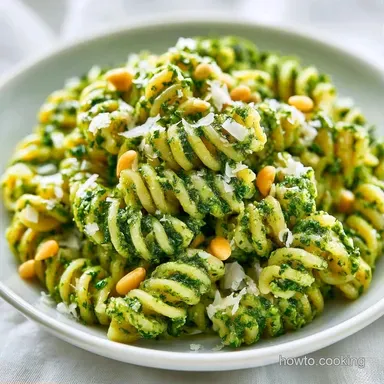
Pine Nut Pesto Pasta with Fresh Basil
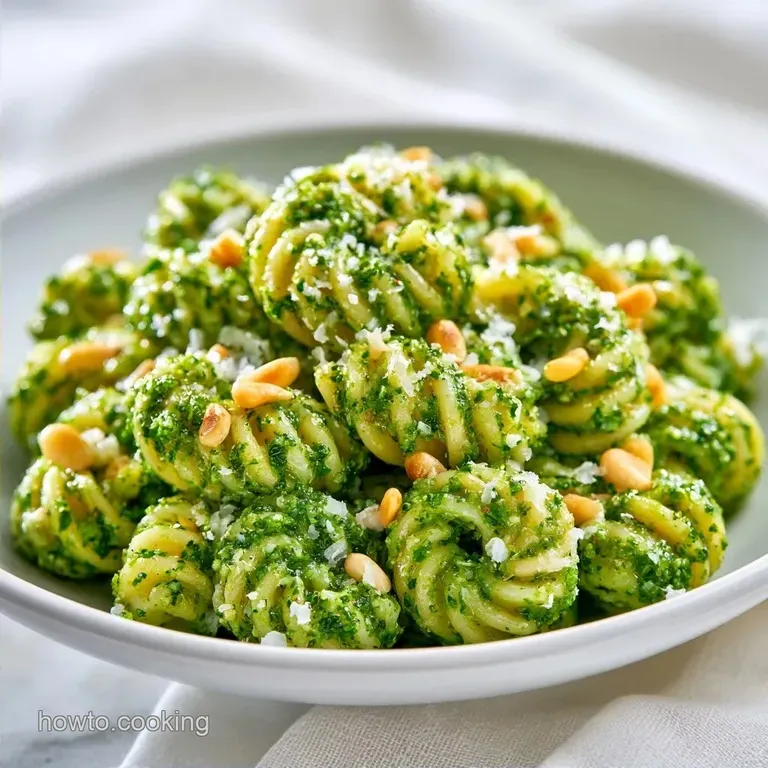
- Time: 15 min active + 10 min cooking
- Flavor/Texture Hook: Nutty, fresh, and glossy
- Perfect for: Quick weeknight dinners or a light lunch
The smell of pine nuts hitting a hot pan is one of those scents that immediately feels like a vacation. It starts as a faint, toasted aroma and then quickly becomes rich and buttery. In the Liguria region of Italy, this isn't just a recipe, it's a point of pride.
They've spent centuries arguing over the exact type of basil and the right way to crush the nuts, usually with a mortar and pestle to keep the heat low.
I used to think any green sauce was basically the same, but that changed when I stopped using pre made jars. Once you taste the difference between a shelf stable paste and a fresh blend, there is no going back.
The freshness of the basil hits you first, followed by the creamy weight of the cheese and the crunch of the nuts.
This Pine Nut Pesto Pasta is designed for people who want that authentic taste without spending an hour in the kitchen. We are using a food processor to save time, but we'll keep the temperature in check so the basil stays vibrant. It is a simple meal, but when you get the emulsion right, it feels like something from a high end bistro.
Easy Pine Nut Pesto Pasta Recipe
Right then, let's talk about why this works. Most people just dump the sauce on the pasta, but that's where they go wrong. The real trick is the "mantecatura" phase, which is just a fancy way of saying we toss everything together with a bit of starchy water.
Pasta Water: The starch acts as a bridge between the fat in the olive oil and the water based pasta. This creates a stable emulsion that coats every inch of the linguine.
Toasting Nuts: Heating the pine nuts for a few minutes changes their chemical structure. This brings out a deeper, nuttier flavor that cuts through the sharpness of the raw garlic.
| Method | Time | Texture | Best For |
|---|---|---|---|
| Stovetop Toss | 25 mins | Glossy & Fluid | Fresh dinners |
| Baked Pesto | 45 mins | Jammy & Concentrated | Meal prep/Casseroles |
Why These Ingredients Work
I've found that a few small changes in ingredient quality make a massive difference here. Don't bother with the pre grated cheese in the green can; it has cellulose that prevents it from melting, leaving you with a gritty sauce.
| Ingredient | What It Does | Best Swap |
|---|---|---|
| Fresh Basil | Provides the primary herbal, peppery base | Spinach (for a milder taste) |
| Pine Nuts | Adds creamy richness and a woody note | Walnuts (cheaper, slightly bitter) |
| Parmesan | Adds saltiness and helps thicken the sauce | Pecorino Romano (saltier, sharper) |
| Olive Oil | Carries the flavor and creates the emulsion | Avocado oil (neutral flavor) |
What You'll Need
Grab your ingredients. I like to set everything out first so I'm not scrambling while the pasta is boiling.
- 2 cups (60g) fresh basil leaves, packed Why this? The core flavor profile
- 1/3 cup (50g) pine nuts, toasted Why this? Provides the signature creamy crunch
- 1/2 cup (50g) Parmesan cheese, freshly grated Why this? For salty, umami depth
- 1/2 cup (120ml) extra virgin olive oil Why this? high-quality oil prevents a greasy finish
- 2 cloves (6g) garlic, peeled Why this? Adds a necessary pungent bite
- 1/4 tsp (1.5g) salt
- 1/8 tsp (0.5g) black pepper
- 12 oz (340g) linguine or trofie pasta
- 4 qts (3.8L) water
- 2 tbsp (34g) salt
Chef's Note: If you can find trofie pasta, use it. It's a short, twisted shape from Genoa that's specifically designed to trap pesto in its spirals.
Must Have Kitchen Tools
You don't need a professional kitchen for this. A basic setup works just fine.
- Food Processor: This is the fastest way to get a smooth consistency.
- Large Pot: You need plenty of room for the pasta to move, otherwise it clumps.
- Small Skillet: For toasting the pine nuts quickly.
- Colander: For draining, though we'll keep some water first.
The Cooking Process
Let's crack on. Follow these steps for the best result.
- Heat the pine nuts in a small pan over medium low heat. Stir constantly for 3-5 minutes until they smell nutty and turn golden brown. Note: They burn quickly, so don't walk away.
- Place the toasted nuts, basil, garlic, and Parmesan into the food processor.
- Pulse the mixture until coarsely chopped.
- Slowly stream in the olive oil while blending until the sauce is smooth and velvety.
- Bring the salted water to a rolling boil.
- Add the pasta and cook according to package directions until it is al dente (usually 8-11 mins).
- Reserve 1 cup (240ml) of the starchy pasta water before draining.
- Drain the pasta and return it to the pot off the heat.
- Fold in the pesto sauce and 1/4 cup (60ml) of the reserved pasta water.
- Toss vigorously for about 60 seconds until the sauce clings and looks glossy.
Fixing Common Pesto Problems
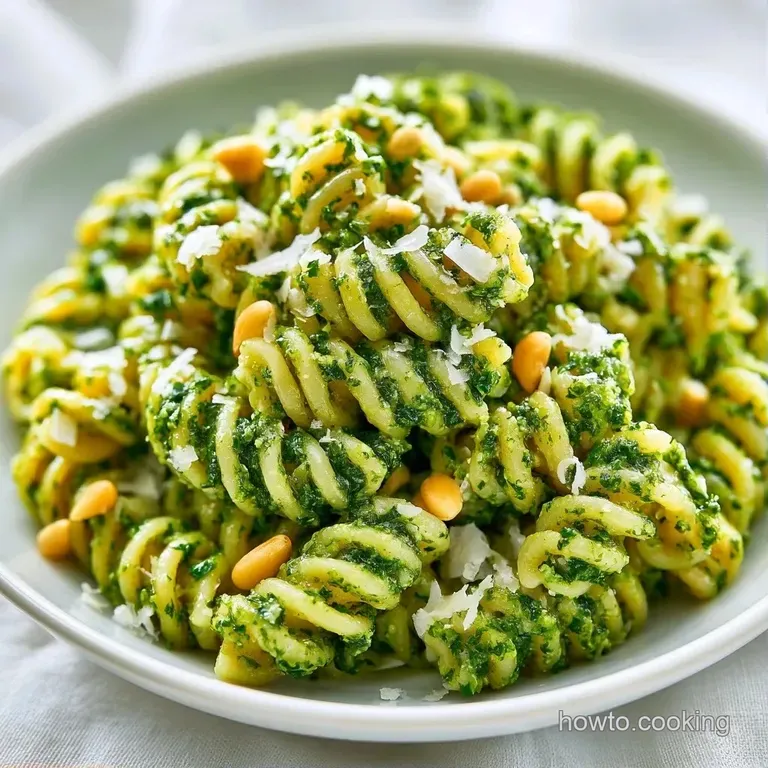
Even with a simple recipe, things can go sideways. I once blended my pesto for way too long, and the friction from the blades actually heated the basil, turning it a weird brownish green. It tasted fine, but it looked like swamp water.
The Pesto Turned Brown
This usually happens because of oxidation or overheating. If you're using a high speed blender, use the pulse setting or add a splash of cold water to keep the temperature down. You can also try a homemade basil pesto pasta approach by using a mortar and pestle for the most vibrant color.
The Sauce is Greasy
If the oil is separating, it means the emulsion broke. This happens if the pesto is too hot or if you didn't use enough pasta water. The starch is what keeps the oil and basil locked together.
The Flavor is Too Sharp
Raw garlic can sometimes overpower the basil. If this happens, stir in a tiny pinch of sugar or a squeeze of lemon juice to balance the acidity and pungency.
| Problem | Root Cause | Solution |
|---|---|---|
| Grainy Texture | Pre grated cheese used | Use freshly grated Parmesan |
| Dull Color | Over processing heat | Pulse instead of constant blending |
| Watery Sauce | Too much pasta water | Toss longer or add a bit more cheese |
Ways to Customize
Once you have the base down, you can really play around with this. I often make a bigger batch of the sauce and use it in different ways throughout the week.
Protein Additions If you want a heartier meal, try some Chicken Pine Nut Pesto Pasta. I usually sear chicken breast separately and slice it on top. Mixing it in can sometimes make the sauce too heavy, so layering is better.
Vegetable Swaps For a Spinach Pine Nut Pesto Pasta, replace half the basil with baby spinach. This makes the dish more nutritious and gives it a slightly more earthy tone. If you want something even lighter, you can follow a traditional pesto pasta method and add blanched asparagus.
Texture Changes For a Creamy Pine Nut Pesto Pasta, stir in a tablespoon of heavy cream or mascarpone at the very end. It softens the garlic and makes the dish feel more indulgent. If you're packing a lunch, a Pine Nut Pesto Pasta Salad is brilliant.
Just cook the pasta, cool it down, and toss it with the pesto and some halved cherry tomatoes.
| Original Ingredient | Substitute | Why It Works |
|---|---|---|
| Pine Nuts (1/3 cup) | Walnuts (1/3 cup) | Similar fat content. Note: Slightly more bitter taste |
| Linguine (12 oz) | Penne (12 oz) | Holds sauce well. Note: Changes the mouthfeel to be chunkier |
| Basil (2 cups) | Arugula (2 cups) | Peppery flavor. Note: Makes the sauce more "spicy" |
Adjusting the Batch Size
Scaling this is pretty straightforward, but you can't just multiply everything linearly.
Cutting it in half Use a smaller pot for the water to avoid wasting energy. Since you're using fewer ingredients, the food processor might struggle to grab the basil. I suggest adding the olive oil first to create a liquid base that helps the blades catch the leaves.
Doubling or Tripling Don't double the garlic; it becomes too aggressive. Use about 1.5x the garlic and salt. When blending a large batch, work in two stages. If you cram too much basil into the processor, you'll end up with a chunky paste rather than a smooth sauce.
Pesto Truths and Myths
There is a lot of bad advice out there about pesto. Let's clear a few things up.
Myth: You should cook the pesto in the pan. Truth: Never heat pesto directly over a flame. Basil is delicate; high heat turns it brown and destroys the fresh, peppery flavor. Always toss it with the pasta off the heat.
Myth: You must use a mortar and pestle for "real" pesto. Truth: While traditional, a food processor is perfectly fine for home cooking. As long as you don't overheat the sauce, the taste is almost identical.
Storage and Zero Waste
Pesto keeps surprisingly well if you know how to handle it.
Fridge Storage Store the sauce in a glass jar. The trick to keeping it green is to pour a thin layer of olive oil over the top before sealing the lid. This creates an air barrier that prevents oxidation. It stays fresh for about 5 days.
Freezer Storage I love freezing pesto in ice cube trays. Once frozen, pop the cubes into a freezer bag. You can drop a cube directly into hot pasta for a quick meal. It lasts about 3 months in the freezer.
Reheating When reheating, don't microwave it on high. The oil will separate. Instead, warm the pasta in a pan with a splash of water, then stir the pesto in at the very end.
Zero Waste Tips Don't throw away the basil stems! They have a ton of flavor. Toss them into a pot of simmering stock or freeze them in an oil tray to use as a flavor base for sautéing vegetables.
Serving Your Dish
To finish the Pine Nut Pesto Pasta, keep the presentation simple.
The Protein Pair This pairs well with grilled shrimp or a piece of seared salmon. The richness of the pine nuts complements the sweetness of the seafood.
The Fresh Balance Since the sauce is quite heavy on fat and cheese, serve it with a crisp side salad. A mix of arugula and lemon vinaigrette cuts through the richness and cleanses the palate. Top the pasta with a few extra toasted pine nuts and a sprinkle of fresh Parmesan for a professional look.
High in Sodium
850 mg 850 mg of sodium per serving (37% 37% of daily value)
The American Heart Association recommends a limit of 2,300 mg of sodium per day for most adults to maintain heart health.
Tips to Reduce Sodium
-
Reduce Pasta Water Salt-30%
The 2 tbsp of salt used for boiling the pasta is the largest source of sodium. Reduce this to 1 teaspoon or omit it entirely, as the pesto sauce is already savory.
-
Omit Added Salt-25%
Skip the 1/4 tsp of salt in the pesto blend; the natural sodium in the Parmesan cheese is sufficient to season the sauce.
-
Limit Parmesan Cheese-15%
Reduce the Parmesan cheese to 1/4 cup or replace a portion of it with nutritional yeast to maintain the cheesy flavor with less sodium.
-
Use Fresh Aromatics
Increase the amount of fresh basil or add a pinch of crushed red pepper flakes to enhance the flavor profile without adding any sodium.
Recipe FAQs
Is pesto ok for a diabetic?
Yes, it is generally safe. The healthy fats from the olive oil and pine nuts help slow the absorption of carbohydrates from the pasta.
Can you have pesto with GERD?
No, it often triggers symptoms. The combination of garlic and high fat content can relax the esophageal sphincter and increase acid reflux.
How to make a pesto pasta recipe?
Toast pine nuts over medium low heat for 3-5 minutes. Pulse them with basil, garlic, and Parmesan, then stream in olive oil before tossing the sauce with al dente pasta and reserved starchy water.
Which type of olive oil should be used to make pesto?
Use extra virgin olive oil. This variety provides the most robust flavor and highest quality for a sauce that isn't cooked.
How to make pesto with just basil, garlic, and olive oil?
Blend the basil, garlic, and oil until smooth. Simply omit the pine nuts and Parmesan to create a lighter, dairy-free version.
How can I use pesto from a jar with pasta?
Toss the sauce with pasta and reserved starchy water. If you enjoyed using this water to create a glossy emulsion, apply the same principle to our homemade egg noodles for a rich finish.
Can you eat pesto with Ckd?
Proceed with caution and consult a doctor. Pesto contains Parmesan and pine nuts, which are high in phosphorus and potassium minerals often restricted in kidney friendly diets.
Pine Nut Pesto Pasta