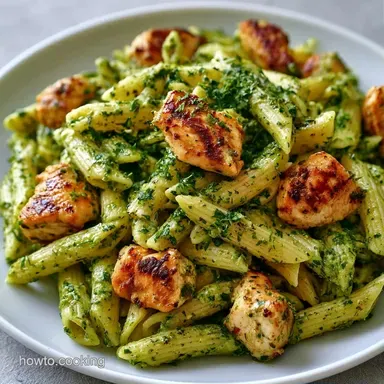
Best Pasta for Pesto with Chicken
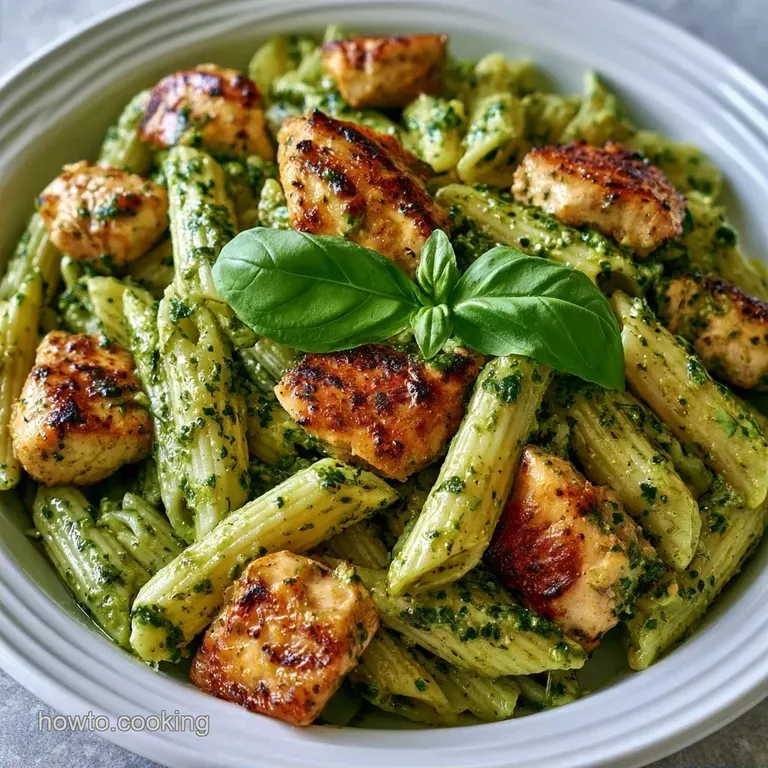
- Time: 10 min active + 15 min cooking
- Flavor/Texture Hook: Bright, herbaceous, and velvety
- Perfect for: Busy weeknights or healthy family dinners
The smell of fresh basil hitting a food processor is honestly one of my favorite things in the kitchen. There is something about that sharp, peppery aroma that just signals summer, even if it is freezing outside.
I used to just toss any noodles I had in the pantry with some store-bought green sauce, but the result was always a bit disappointing. The sauce would just slide off the pasta, leaving me with bland noodles and a pile of pesto at the bottom.
I realized that the pasta shape is actually the most important part of the whole dish. Once I started choosing shapes with ridges and holes, the sauce actually clung to the food. It changes everything when every single bite is packed with flavor instead of just a hint of it.
Whether you are making a quick lunch or a dinner for the kids, getting the pairing right is the move. I've spent enough time experimenting to know that when you combine the best pasta for pesto with a few simple techniques, you get a meal that tastes like it took hours but only takes 25 minutes.
Picking the Best Pasta for Pesto
Right then, let's talk about why some noodles work and some just don't. If you use a smooth, round pasta like spaghetti, the pesto has nothing to grip. It's like trying to put glue on a glass bead. You want something with "architecture."
I usually reach for Penne Rigate because those ridges (the "rigate" part) act like tiny gutters for the sauce. Fusilli is another top choice because the spirals trap the basil and Parmesan in every curve.
If you are making a cold salad, these shapes are even more important because the sauce tends to thicken when chilled.
The goal is to maximize the surface area. When the sauce gets trapped in the ridges, you use less of it but get more flavor in every mouthful. That is the real logic behind choosing the best pasta for pesto.
Why Shape Matters
Shapes with grooves or twists create pockets. These pockets hold onto the oil and nuts in the pesto, ensuring the sauce stays on the noodle.
The Power of Water
Starchy pasta water acts as a bridge. It binds the oily pesto to the starch of the pasta, creating a cohesive glaze.
Don't Cook Pesto
Heat kills the fresh taste of basil and can make the cheese clump. Always toss the pesto in at the very end on low heat.
DIVTABLE_0
Choosing the right shape depends on whether you want a heavy meal or something lighter. While spaghetti is classic, it's rarely the best pasta for pesto if you want a thick, clinging sauce.
The Logic Behind the Shape
When we talk about the best pasta for pesto, we are really talking about physics. Pesto is an emulsion of fat (oil and nuts) and solids (basil and cheese). Because it doesn't have a thick base like a béchamel or a heavy tomato reduction, it needs physical help to stay attached to the pasta.
I once tried making this with linguine, and it was a disaster. The noodles were just slippery, and the pesto pooled at the bottom of the plate. It felt like I was eating oily noodles with a side of basil. Now, I only use shapes that have a "grip."
By using a shape like fusilli or penne, you create a mechanical bond. The sauce doesn't just coat the outside; it fills the gaps. This means you get a balanced ratio of pasta to sauce in every single forkful, which is why these are considered the best pasta for pesto.
What Goes Into the Pot
For this recipe, we're focusing on budget friendly ingredients that still pack a punch. You don't need expensive imports to make this work. The key is using fresh basil and a bit of lemon to keep the colors bright.
For the Pasta & Protein
- 1 lb Penne Rigate or Fusilli Why this? Ridges hold the sauce better than smooth pasta
- 1.5 lbs chicken breast, cubed into 1 inch pieces Why this? Lean protein that sears quickly
- 2 tbsp extra virgin olive oil Why this? High smoke point for searing
- 1 tsp salt Why this? Enhances natural chicken flavors
- ½ tsp black pepper Why this? Adds a subtle heat
For the Homemade Pesto
- 2 cups fresh basil leaves, packed Why this? The heart of the flavor profile
- ½ cup freshly grated Parmesan cheese Why this? Provides salty, umami depth
- ⅓ cup pine nuts, lightly toasted Why this? Adds creaminess and nuttiness
- 3 cloves garlic, peeled Why this? Sharp contrast to the sweet basil
- ½ cup extra virgin olive oil Why this? Carries the flavors across the palate
- 1 tbsp fresh lemon juice Why this? Prevents browning and adds brightness
- ½ tsp salt Why this? Balances the richness of the oil
For the Finishing Touch
- ¼ cup reserved pasta cooking water Why this? Emulsifies the sauce into a glaze
DIVTABLE_1
If you're on a tight budget, swapping pine nuts for toasted walnuts is a great move. You still get that crunch and fat, but it costs a fraction of the price.
Tools You'll Actually Need
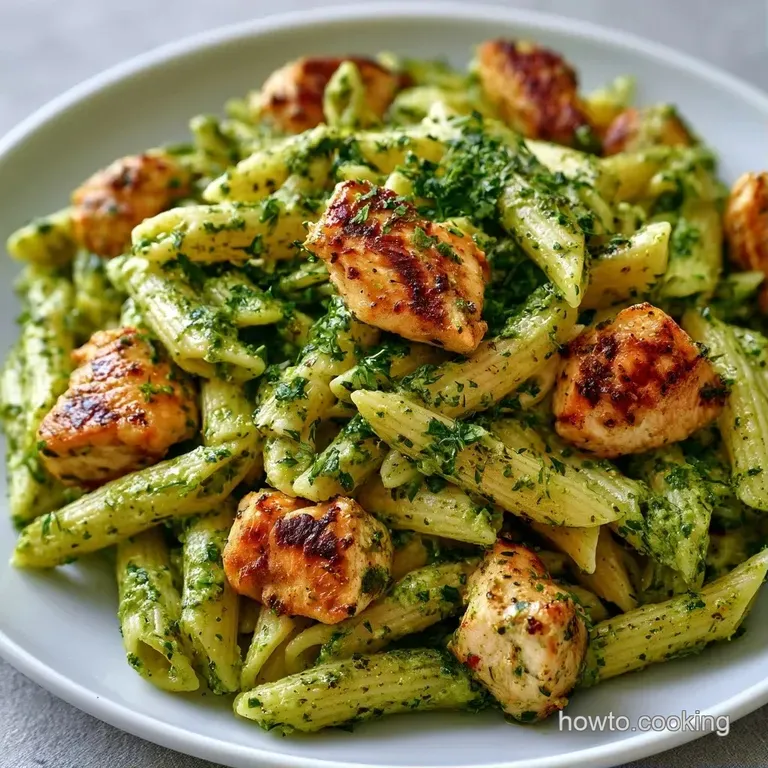
You don't need a professional kitchen for this. A few basic tools will do the job. I use a standard food processor, but if you're feeling old school, a mortar and pestle works too (though your arms will feel it).
First, you'll need a large pot for the pasta. Make sure it's big enough that the noodles have room to move; otherwise, they clump together. A large skillet is essential for the chicken. I prefer a stainless steel or cast iron pan because they create a better sear.
Finally, have a colander and a measuring cup ready. That measuring cup is vital because you need to snag some pasta water before you drain the pot. If you forget, you'll be stuck with a dry sauce.
Putting the Dish Together
Follow these steps closely to ensure the chicken is juicy and the pesto stays vibrant.
Phase 1: Creating the Pesto Base
- Pulse the toasted pine nuts and garlic in the food processor until coarsely chopped.
- Add the fresh basil and salt, pulsing until the leaves are finely minced. Note: Don't over process or the basil can get gummy
- While the processor is running on low, slowly drizzle in the olive oil until the mixture is a cohesive, vibrant green paste.
- Stir in the grated Parmesan and lemon juice by hand or a quick pulse. Set aside.
Phase 2: Cooking the Pasta and Protein
- Bring a large pot of heavily salted water to a rolling boil. Add the pasta and cook for 1 minute less than the package directions until al dente.
- While pasta cooks, heat olive oil in a large skillet over medium high heat.
- Add cubed chicken breast, seasoning with salt and pepper. Sear for 5-7 minutes until the edges are mahogany colored and cooked through. Remove from heat.
Phase 3: The Final Emulsion
- Before draining the pasta, scoop out ½ cup of the cloudy pasta water.
- Drain the pasta and immediately add it to the skillet with the chicken.
- Turn the heat to low. Add the homemade pesto and ¼ cup of the reserved pasta water.
- Toss vigorously for 60 seconds until the starchy water and the pesto emulsify into a glaze.
Fixing Common Pesto Problems
Even when you use the best pasta for pesto, things can go sideways. Most of the time, it's a temperature or ratio issue.
Troubleshooting Common Issues
| Issue | Solution |
|---|---|
| Why Your Pesto Turned Brown | Basil is sensitive to oxygen and heat. If you process it too long, the blades heat up and "burn" the leaves. To prevent this, pulse in short bursts and add the lemon juice immediately. |
| Why Your Sauce Separated | This usually happens if the pan is too hot when you add the pesto. The oil separates from the solids, leaving you with a greasy mess. Always drop the heat to low before tossing. |
| Why the Sauce is Too Thick | Pesto can be quite dense, especially with a lot of cheese. If it's not coating the noodles evenly, add another splash of that reserved pasta water. |
Remember, the pasta water is your best friend here. It's the only way to get that glossy, restaurant style finish at home.
| Original Ingredient | Substitute | Why It Works |
|---|---|---|
| Pine Nuts (1/3 cup) | Toasted Walnuts (1/3 cup) | Similar fat content. Note: Adds an earthier, slightly bitter tone |
| Parmesan (1/2 cup) | Pecorino Romano (1/2 cup) | Hard sheep's milk cheese. Note: Much saltier, so reduce added salt |
| Chicken (1.5 lbs) | Canned Chickpeas (2 cans) | Great plant based protein. Note: Drain and pat dry before searing |
When you're adjusting the recipe, just remember to maintain the balance of fat, acid, and salt. If you add something very salty like Pecorino, dial back the salt in the pesto base.
High in Sodium
840 mg 840 mg of sodium per serving
(37% 37% of daily value)
The American Heart Association recommends a daily sodium limit of 2,300 mg to help maintain healthy blood pressure and reduce the risk of heart disease.
Tips to Reduce Sodium
-
Eliminate Added Salt-30%
Remove the 1 tsp of salt for the chicken and the ½ tsp of salt in the pesto; these are the primary sources of sodium.
-
Reduce Parmesan Cheese-15%
Reduce the freshly grated Parmesan by half or substitute a portion with nutritional yeast for a similar salty, nutty flavor.
-
Use Unsalted Pasta Water-10%
Boil the penne in unsalted water; since the sauce contains cheese and garlic, the pasta will still taste flavorful.
-
Boost Citrus and Herbs
Increase the fresh lemon juice or add lemon zest to enhance the acidity and brightness, making the dish taste seasoned without extra salt.
Estimated Reduction: Up to 55% less sodium
(approximately 378 mg per serving)
Recipe FAQs
What type of pasta pairs best with pesto?
Penne Rigate or Fusilli. The ridges and spirals of these shapes are designed to capture and hold the thick, textured sauce.
What is the traditional pasta for pesto?
Trofie or Trenette. While these are the authentic choices from Liguria, Penne Rigate and Fusilli are excellent, widely available alternatives.
How to make pesto pasta with chicken?
Sear cubed chicken, boil pasta, and toss with pesto. Use a splash of reserved pasta water over low heat to emulsify the sauce into a velvety glaze.
Which type of olive oil should be used to make pesto?
Extra virgin olive oil. This variety provides the rich, peppery flavor profile necessary for a high-quality raw sauce.
How can I use pesto from a jar with pasta?
Toss the jarred sauce with cooked pasta and starchy water over low heat. This prevents the oil from separating and ensures the sauce coats the noodles evenly.
Can I make pesto using only basil, garlic, and olive oil?
Yes, but it will lack depth. Adding Parmesan and lemon juice, as seen in our homemade basil pesto, provides essential salt and acidity.
Why did my pesto turn brown?
The basil oxidized due to heat or over processing. Pulse the food processor in short bursts and add lemon juice immediately to maintain the vibrant green color.
Best Pasta For Pesto