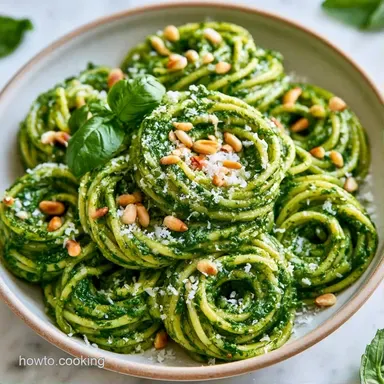
Easy Homemade Pesto Pasta in 20 Minutes
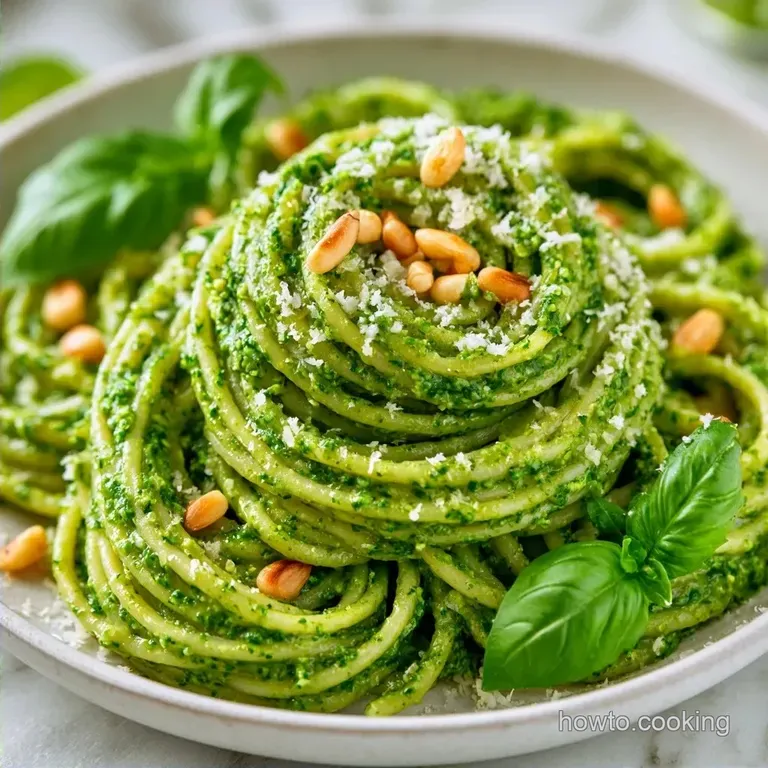
- Time: 10 min active + 10 min cooking
- Flavor/Texture Hook: Bright, garlicky, and creamy
- Perfect for: A fast weeknight dinner or a fresh lunch
- Easy Homemade Pesto Pasta for Busy Nights
- The Pesto Pitfalls to Avoid
- The Quick Stats
- Ingredients and Smart Swaps
- Simple Tools for the Job
- Step-by-Step Cooking Guide
- Fixing Common Pesto Issues
- Troubleshooting Common Issues
- Mixing Up the Flavors
- Storage and Zero Waste
- Best Ways to Serve
- Scaling the Recipe
- Pesto Truths
- High in Sodium
- Recipe FAQs
- 📝 Recipe Card
Easy Homemade Pesto Pasta for Busy Nights
The smell of bruised basil always reminds me of my garden in July. I remember one Tuesday when I was completely exhausted, staring at a bunch of basil that was starting to droop. I didn't have the energy for a complex meal, but I wanted something that tasted fresh and felt wholesome.
I tossed everything into the processor, and it came together in minutes. This Easy Homemade Pesto Pasta doesn't require any fancy techniques or hours of prep. It's the kind of meal that makes you feel like a pro without the actual stress.
You'll get a bright, zesty sauce that clings to the noodles. It's fast and way better than anything you'll find in a jar. Trust me on this, once you make it fresh, you'll never go back to the store-bought stuff.
The Pesto Pitfalls to Avoid
Most people treat pesto like a standard sauce and cook it in a pan. That's where things go wrong. Heat kills the fresh basil flavor and turns the vibrant green into a dull, muddy brown. The real trick is using the residual heat of the pasta to warm the sauce.
Another issue is the oil separation. If you just dump the oil in, you get a greasy puddle at the bottom of the bowl. When making Easy Homemade Pesto Pasta, the key is the slow stream of oil and the addition of pasta water. This creates a stable bond between the fats and the solids.
Honestly, don't even bother with pre grated cheese in a can. It has cellulose to stop it from clumping, which prevents it from melting into the sauce. Freshly grated Parmesan is the only way to go if you want that creamy finish.
What Makes the Sauce Stick
Starch from the reserved pasta water acts as a bridge between the oil and the noodles. This keeps the sauce from separating and sliding off the pasta.
| Fresh Basil | Shortcut (Jarred) | Impact | Savings |
|---|---|---|---|
| Vibrant, peppery taste | Flat, metallic notes | High flavor loss | $2-3 |
| Bright green color | Dark olive green | Visual appeal drop | N/A |
| Fresh aroma | Canned scent | Significant aroma loss | N/A |
The Quick Stats
Right then, let's look at the numbers. This recipe is designed for a family of four. It's a quick win that focuses on minimal tools and maximum flavor.
- Prep time:10 minutes
- Cook time:10 minutes
- Total time:20 minutes
- Yield: 4 servings
Chef: If you're using a small food processor, don't overfill it. It's better to pulse in two batches than to have the basil get stuck under the blade and overheat.
Ingredients and Smart Swaps
I use a mix of traditional ingredients and a bit of lemon to keep the flavors popping. For the pasta, any shape works, but something with ridges like fusilli or penne holds the sauce better.
- 2 cups (60g) packed fresh basil leaves Why this? Provides the core peppery, fresh flavor
- 1/2 cup (50g) freshly grated Parmesan cheese Why this? Adds salt and creamy thickness
- 1/3 cup (45g) pine nuts Why this? Gives a buttery, nutty base
- 1/3 cup (80ml) extra virgin olive oil Why this? Carries the flavors and emulsifies
- 3 cloves (9g) garlic, peeled Why this? Adds a sharp, aromatic bite
- 1 tbsp (15ml) fresh lemon juice Why this? Cuts through the fat and preserves color
- 1/2 tsp (3g) salt
- 1/4 tsp (1g) black pepper
- 1 lb (450g) pasta
- 4 quarts (3.8L) water
- 2 tbsp (34g) salt
What Each Ingredient Does
| Ingredient | What It Does | Best Swap |
|---|---|---|
| Pine Nuts | Adds richness and body | Walnuts (more earthy) |
| Basil | Primary aromatic flavor | Spinach (milder, budget friendly) |
| Lemon Juice | Brightens flavor and stops browning | White wine vinegar (sharper) |
| Parmesan | Saltiness and binding | Pecorino Romano (saltier/funkier) |
Simple Tools for the Job
You don't need a professional kitchen for this. A basic food processor or a high powered blender does the heavy lifting. If you have neither, a mortar and pestle works, but it'll take a bit more arm strength.
For the pasta, a large pot is essential. You need enough room for the water to circulate so the noodles don't clump together. I also recommend a pair of tongs for the final toss, as they help coat every single piece of pasta without breaking them.
Step-by-step Cooking Guide
Let's crack on. This Easy Homemade Pesto Pasta comes together quickly, so have your ingredients measured out before you start the water.
- Fill a large pot with water and add 2 tbsp salt. Bring to a rolling boil.
- Add the pasta and set a timer for 2 minutes less than the package directions. Note: This ensures the pasta finishes cooking in the sauce
- Pulse the basil, toasted pine nuts, and garlic in a food processor until coarsely chopped.
- Slowly stream in the olive oil while pulsing.
- Stir in the Parmesan and lemon juice by hand or a quick pulse until integrated.
- Just before draining the pasta, reserve 1 cup (240ml) of the starchy pasta water.
- Drain the remaining pasta in a colander.
- Return the pasta to the pot over low heat.
- Pour in the homemade pesto sauce and 1/4 cup (60ml) of the reserved pasta water.
- Toss vigorously with tongs until the sauce is velvety and clings to the pasta. Add more reserved water if the sauce is too thick.
Fixing Common Pesto Issues
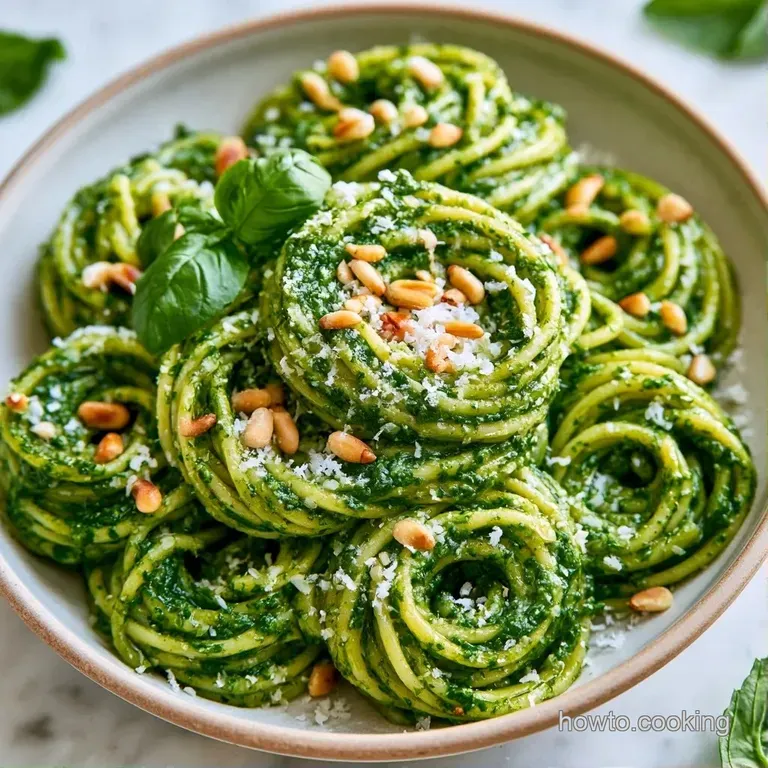
Even with a simple recipe, things can go sideways. Usually, it's a matter of temperature or ratios. If your Easy Homemade Pesto Pasta looks more like oil than sauce, it's usually because the emulsification failed.
Troubleshooting Common Issues
| Issue | Solution |
|---|---|
| Why Your Pesto Is Grainy | This happens when the cheese isn't integrated properly or the nuts are too large. Pulse the sauce for an extra 10 seconds or add a splash more pasta water to smooth it out. |
| Why Your Pesto Turned Brown | Basil oxidizes when exposed to air and heat. To prevent this, add the lemon juice early and never cook the pesto directly on the stove. |
| Why Your Pasta Is Dry | You likely didn't use enough reserved pasta water. The starch in that water is what makes the sauce creamy without adding actual cream. |
Mixing Up the Flavors
Once you've got the base down, you can play with the ingredients. If you want a different vibe, check out my homemade basil pesto pasta recipe for some extra inspiration.
- For a Creamy Twist: Stir in 1 tablespoon of heavy cream or a dollop of ricotta during the final toss. This makes a Simple Creamy Pesto Pasta that kids usually love.
- Nut Free Version: Swap the pine nuts for toasted sunflower seeds or pumpkin seeds. You get the same crunch without the allergens.
- The Budget Swap: Use a mix of basil and baby spinach. It keeps the green color but lowers the cost significantly.
- Adding Protein: Toss in some grilled chicken or sautéed shrimp. I find that cherry tomatoes, blistered in a pan for 3 minutes, add a great acidity.
Storage and Zero Waste
Pesto stays fresh in the fridge for about 5 days. The secret is to pour a thin layer of olive oil over the top of the jar before sealing it. This creates an air barrier that stops the basil from turning brown.
For longer storage, freeze it in ice cube trays. Once frozen, pop the cubes into a freezer bag. They last about 3 months and are great for adding a quick flavor boost to soups or stews. You can also try classic basil pesto pasta if you want a more traditional approach.
Don't throw away those basil stems. They have tons of flavor. Toss them into a freezer bag with other veggie scraps like onion ends and carrot peels to make a nutritious vegetable broth later.
Best Ways to Serve
Serving Easy Homemade Pesto Pasta is all about the presentation. I like to plate it in wide bowls and top it with an extra sprinkle of Parmesan and a few whole basil leaves for a pop of color.
- The Fresh Route: Serve it with a side of arugula salad dressed with lemon and olive oil.
- The Hearty Route: Pair it with toasted garlic bread. The crunch of the bread balances the richness of the pine nuts.
- The Quick Lunch: Let the pasta cool completely and toss it with more lemon juice and fresh mozzarella pearls for a cold pesto pasta salad.
If you want to adjust the flavor at the table, keep a lemon wedge on the side. A fresh squeeze of juice right before eating wakes up all the flavors in the Easy Homemade Pesto Pasta.
Quick Decision Guide:
- If you want it nuttier → Toast pine nuts for 3 minutes in a dry pan.
- If you want more zip → Increase lemon juice to 1.5 tbsp.
- If you want it richer → Add an extra 2 tbsp of Parmesan.
Scaling the Recipe
When you need to feed a crowd, scaling this Easy Homemade Pesto Pasta is simple, but you can't just multiply everything linearly.
Scaling Down (1/2 batch): Use a smaller pot to keep the water boiling quickly. Reserve only 1/2 cup of pasta water. If you're using one egg for a variation, beat it first and then measure out half.
Scaling Up (2x-4x batch): Work in batches when blending the pesto. Overloading the processor can lead to uneven chopping or a burnt motor. Increase the salt and pepper to 1.5x rather than 2x, then taste and adjust. For the pasta, use your largest pot to ensure the water doesn't overflow.
Pesto Truths
There are a few things people get wrong about this dish. Let's clear them up.
Searing the pesto in a pan does not "lock in" flavor. In reality, it destroys the delicate oils in the basil. Always toss the sauce into the hot pasta off the heat.
Using a mortar and pestle isn't the only way to get a good texture. While it's traditional, a food processor is more than enough for a family meal. It saves about 15 minutes of effort without a noticeable loss in quality.
High in Sodium
840 mg 840 mg of sodium per serving (37% 37% of daily value)
The American Heart Association recommends a daily sodium limit of no more than 2,300 mg to reduce the risk of cardiovascular disease.
Tips to Reduce Sodium in Your Pesto Pasta
-
Slash Pasta Water Salt-30%
Reduce or eliminate the 2 tbsp of salt in the boiling water; most of this sodium is wasted or absorbed by the pasta.
-
Omit Added Salt-25%
Remove the 1/2 tsp of salt from the pesto mixture and rely on the natural saltiness of the cheese.
-
Moderate the Parmesan-15%
Reduce the Parmesan cheese amount or swap half of it for nutritional yeast for a salty, cheesy flavor with less sodium.
-
Enhance with Acid and Aromatics
Increase the fresh lemon juice or add more fresh garlic to brighten the flavor without adding salt.
Recipe FAQs
How to make quick easy pesto pasta?
Boil pasta for 2 minutes less than the package directions. Pulse basil, pine nuts, and garlic, stream in olive oil, and stir in Parmesan and lemon juice before tossing everything together with reserved pasta water.
Can you just add jar pesto to pasta?
Yes, but avoid boiling it. Stir the jarred sauce into cooked pasta over low heat, or experiment with a creamy basil pesto sauce for a more indulgent variation.
Which type of olive oil should be used to make pesto?
Extra virgin olive oil is the best choice. It provides the robust, peppery flavor profile essential for a traditional basil pesto.
How to store leftover pesto?
Pour a thin layer of olive oil over the top before sealing. This creates an air barrier that stops the basil from oxidizing and turning brown.
Is it true that you should cook pesto on the stove to enhance the flavor?
No, this is a common misconception. High heat oxidizes the basil and turns the sauce brown; always toss the sauce with pasta over low heat or off the burner.
How to make pesto with just basil, garlic, and olive oil?
Pulse the basil and garlic together until coarsely chopped. Slowly stream in the olive oil while pulsing until the mixture reaches your desired consistency.
Why is my pesto pasta dry?
You likely didn't use enough reserved pasta water. The starch in the water is necessary to emulsify the oil and cheese, creating a sauce that clings to the pasta.
Easy Homemade Pesto Pasta