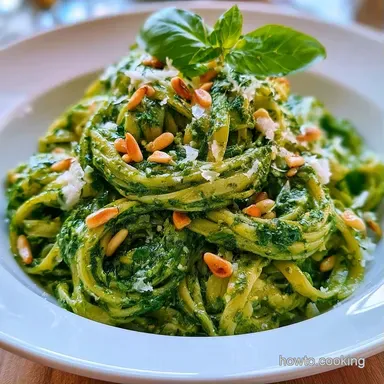
Authentic Italian Pesto Pasta with Fresh Basil
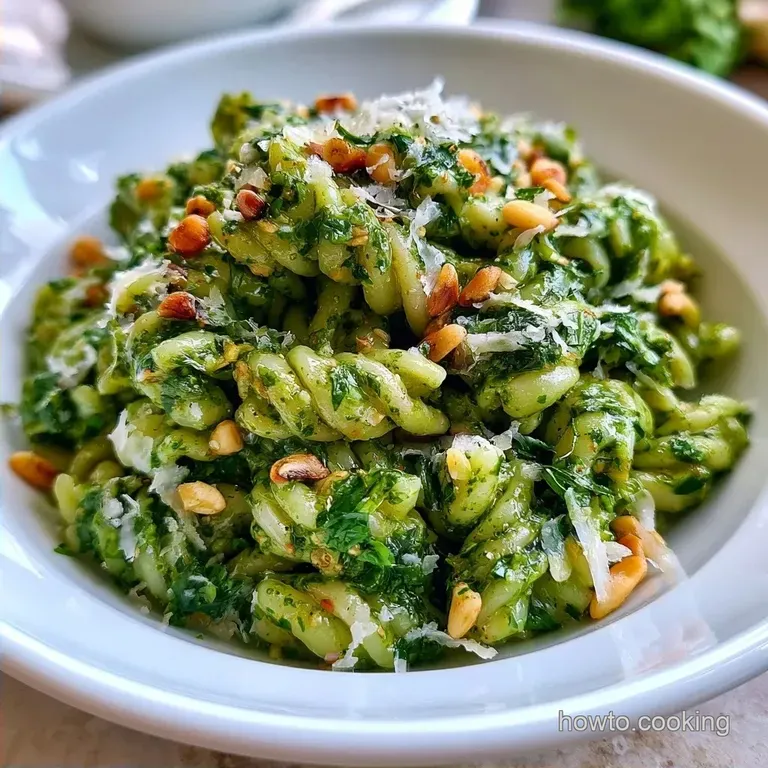
- Time: 5 min active + 10 min cook
- Flavor/Texture Hook: Nutty, herbaceous, and glossy
- Perfect for: Quick weeknight dinner
Authentic Italian Pesto Pasta
That smell of fresh basil hitting the air is something else. It’s that instant hit of summer that makes you want to drop everything and just eat. I remember the first time I tried making this from scratch and completely messed up by using warm oil. The sauce turned a dull, muddy brown and lost that zesty punch.
It looked more like a swamp than a meal.
Since then, I've learned that a few small tweaks make the difference between a bland paste and a vibrant sauce. You don't need fancy equipment or years of training to get this right. You just need a few fresh ingredients and a bit of patience with your food processor.
This Authentic Italian Pesto Pasta isn't about being fancy. It's about the balance of salty Pecorino, nutty pine nuts, and that bright, peppery basil. Once you get the hang of the emulsion, it becomes a reliable go to for those nights when you want something that feels special but takes almost no time.
Why This Version Works
- Chilled Olive Oil: Using cold oil prevents the basil from bruising and oxidizing, which keeps the sauce a bright green.
- Starchy Water: A splash of the pasta cooking water helps the oil and cheese bond, creating a silky coating on the noodles.
- Pulse Blending: Short bursts prevent the processor from heating up, which stops the basil from turning brown.
Choosing Your Pesto Style
Depending on how much time you have, you might want a different approach. Some people love the raw, punchy flavor of a quick blend, while others prefer a more integrated taste.
| Approach | Time | Texture | Best For |
|---|---|---|---|
| Fresh Blend | 5 mins | Coarse and bright | Quick weeknight meals |
| Mortar & Pestle | 20 mins | Chunky and rich | Traditional slow cooking |
| store-bought | 0 mins | Smooth and uniform | Absolute emergencies |
You can see that the fresh blend is the way to go for most home cooks. It preserves the volatile oils in the basil that get lost in processed versions.
The Role of Ingredients
Each part of the sauce adds something specific. If you pull one out or swap it, the whole profile shifts. For those who want to dive deeper into the base sauce, this basil pesto recipe shows how the ratios change the outcome.
| Ingredient | What It Does | Best Swap |
|---|---|---|
| Basil | Provides the peppery, fresh base | Baby spinach (milder flavor) |
| Pine Nuts | Adds a creamy, buttery fat | Walnuts (earthier, more bitter) |
| Parmigiano | Gives a salty, umami depth | Grana Padano (slightly milder) |
What You Will Need
You don't need a professional kitchen for this. A standard food processor or a high speed blender works just fine. If you're doing this by hand, a granite mortar and pestle is the traditional choice.
I usually suggest using a wide skillet or a large pot for the final toss. This gives you plenty of room to move the pasta around without breaking the noodles. A pair of long tongs is also a lifesaver for getting every bit of sauce coated onto the pasta.
The Cooking Process
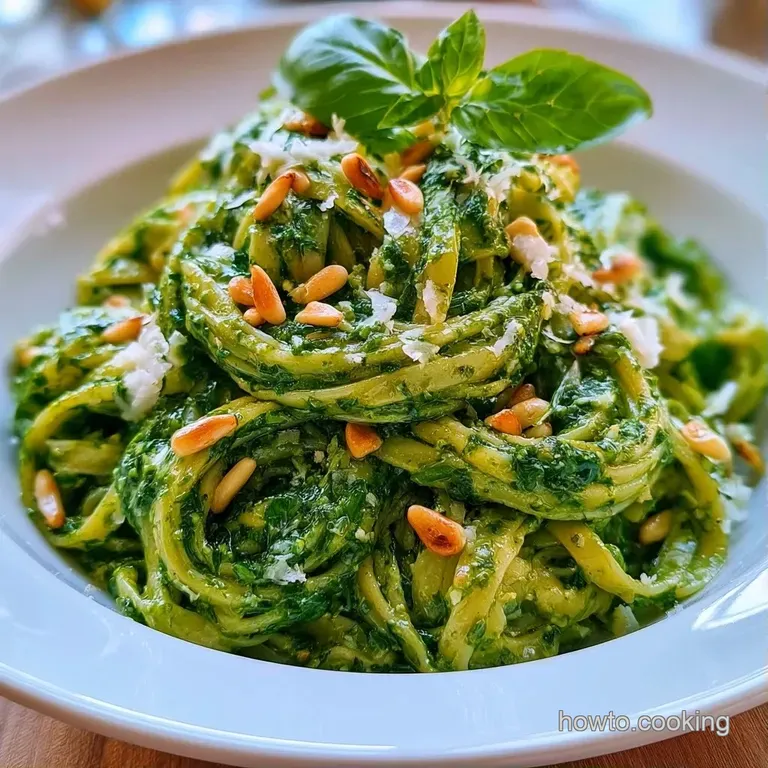
Right then, let's crack on. Follow these steps to keep the sauce bright and the pasta perfectly cooked.
- Toast pine nuts in a dry pan over medium heat for 2-3 minutes until they smell fragrant and look golden. Let them cool completely.
- Combine toasted pine nuts and garlic in the food processor. Pulse until coarsely chopped.
- Add the fresh basil leaves and salt. Pulse in short bursts until the leaves are finely broken down but not a paste.
- While the processor is running on low, slowly drizzle in the chilled olive oil until the sauce is smooth and vibrant green.
- Stir in the Parmigiano Reggiano and Pecorino Romano by hand or one final quick pulse.
- Bring 4 quarts of water to a rolling boil and add 2 tablespoons of salt.
- Add the pasta and cook according to package instructions, pulling the pasta out 1 minute before the al dente time.
- Reserve 1/2 cup (120ml) of the starchy pasta water before draining.
- Return the drained pasta to the pot over low heat. Add the pesto sauce and 1/4 cup of the reserved pasta water.
- Toss vigorously with tongs until the pasta is glazed and emulsified.
Chef's Note: Never boil your pesto. High heat kills the fresh basil flavor and can cause the oil to separate. Always toss it with the pasta off the direct high heat.
Fixing Common Pesto Problems
Even with a simple recipe, things can go sideways. Most of the time, it comes down to temperature or timing.
Troubleshooting Common Issues
| Issue | Solution |
|---|---|
| Why Your Pesto Turned Brown | This usually happens because of oxidation. If the basil is chopped too aggressively or exposed to heat, it reacts with oxygen and loses its color. |
| Why the Sauce Separates | If you see pools of oil floating on top, the emulsion broke. This often happens if the pasta is too hot or you didn't add enough pasta water. According to Serious Eats adds a rich, chewy texture that holds onto the sauce even better. |
- If you want more zing
- Add a squeeze of fresh lemon juice.
- If you want it heartier
- Stir in some sautéed shrimp or grilled chicken.
- If you want a nutty twist
- Swap pine nuts for toasted pistachios.
When scaling this Authentic Italian Pesto Pasta up for a crowd, don't just double the salt. Increase the salt and pepper to about 1.5x the original amount and taste as you go. Liquids usually need a slight reduction cut the oil back by about 10% when making a 4x batch to avoid it becoming too greasy.
Storage and Waste Tips
Fresh pesto doesn't last forever, but you can keep it for a while if you're smart. Store any leftover sauce in a glass jar in the fridge for up to 5 days. The trick is to pour a thin layer of olive oil over the top before sealing the lid. This creates an air barrier that stops the basil from browning.
For long term storage, freeze the pesto in ice cube trays. Once frozen, pop the cubes into a freezer bag. They last for about 3 months and are great for adding a burst of flavor to soups.
Don't throw away those basil stems. I usually toss them into a simmering pot of vegetable stock or freeze them to use in a homemade herb butter. Even the leftover pasta water can be used to thicken other sauces or used to boil potatoes for extra saltiness.
Serving Your Pasta
To finish your Authentic Italian Pesto Pasta, plate it while it's still glossy. I like to add a final sprinkle of freshly grated Parmigiano and a few small, whole basil leaves on top for a pop of color.
This dish pairs well with a crisp arugula salad with a light lemon vinaigrette. The acidity of the salad cuts through the richness of the pine nuts and cheese. If you're looking for a drink, a chilled Pinot Grigio or a sparkling water with a slice of lemon works best.
Trust me on this: serve it on warm plates. Pesto based pastas cool down quickly because of the oil, and a warm plate keeps the sauce in that luscious, pourable state for longer. Enjoy it immediately while the aroma is still fresh and the noodles have that perfect bite.
High in Sodium
1040 mg 1,040 mg of sodium per serving (45% 45% of daily value)
The American Heart Association recommends a daily sodium limit of 2,300 mg for most adults to maintain heart health.
Tips to Reduce Sodium
-
Reduce Pasta Water Salt-30%
Decrease the 2 tbsp of salt in the boiling water to 1 tbsp or less, as the pasta absorbs a significant amount of this sodium.
-
Eliminate Added Salt-25%
Omit the 1/2 tsp of kosher salt from the pesto mixture; the aged cheeses provide ample saltiness on their own.
-
Swap Pecorino Romano-15%
Replace the Pecorino Romano, which is typically saltier, with a smaller amount of Parmigiano Reggiano or a low-sodium hard cheese alternative.
-
Decrease Cheese Volume-15%
Reduce the total quantity of grated cheeses by one-third to lower the sodium while keeping the creamy texture.
-
Enhance with Acidity
Add fresh lemon zest or a squeeze of lemon juice to the pesto to brighten the flavors without adding any sodium.
Recipe FAQs
What pasta is traditionally served with pesto?
Linguine or Trofie. These shapes are traditional and grip the sauce perfectly. If you like these, try making homemade gnocchetti for another authentic Italian experience.
Is pesto pasta a common dish in Italy?
Yes, it is a staple. It originates from Genoa and remains one of the most beloved regional dishes across the country.
What is the secret to a creamy pesto pasta?
Using reserved pasta water. Tossing the pasta over low heat with a splash of starchy water emulsifies the oil and cheese into a glossy glaze.
Which type of olive oil should be used to make Pesto?
Use chilled extra virgin olive oil. The high quality provides the best flavor, and keeping the oil chilled helps the basil maintain its vibrant green color.
How to make authentic pesto pasta?
Toast pine nuts in a dry pan until golden. Pulse them with garlic, add basil and salt, slowly drizzle in chilled olive oil, stir in cheeses, and toss with al dente pasta and reserved water.
Is pesto pasta ok for a diabetic?
Yes, in moderation. The healthy fats from olive oil and pine nuts are beneficial, but monitor your pasta portion to manage carbohydrate intake.
Is it true that jarred pesto is the same as homemade?
No, this is a common misconception. Jarred versions often lack the brightness of fresh basil and the creamy texture provided by freshly grated cheese.
Authentic Italian Pesto Pasta