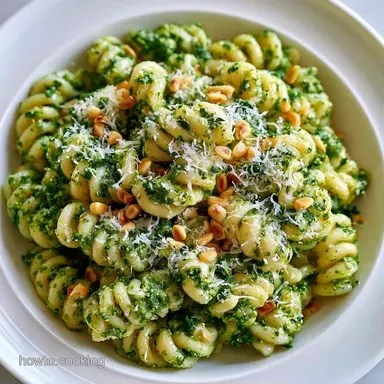
Simple Scratch Made Pesto Pasta in 20 Minutes
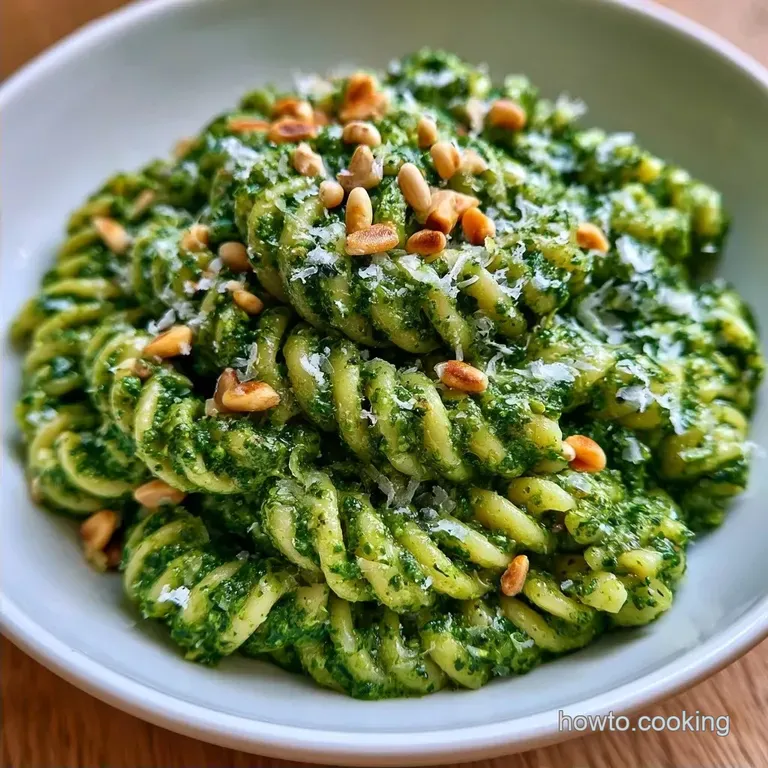
- Time: 10 min active + 10 min cook
- Flavor/Texture Hook: Bright, herbaceous, and glossy
- Perfect for: Weeknight dinner, beginner friendly, or a quick lunch
The smell of fresh basil hitting a hot pan or a cold blade is one of those scents that just feels like summer. Pesto started in Genoa, Italy, where they used a mortar and pestle to crush basil and pine nuts into a thick, fragrant paste.
For those who grew up with it, it's not just a sauce, it's the taste of tradition and simplicity.
Most people think you need a fancy marble mortar to get it right, but a food processor does the job in a fraction of the time. The goal is a sauce that tastes fresh and bright, not muted or greasy.
This Simple Scratch Made Pesto Pasta is all about using a few high-quality ingredients to create a bold result. You'll get a vibrant green sauce that clings to the noodles instead of pooling at the bottom of the bowl.
Simple Scratch Made Pesto Pasta
The trick here is managing the heat. Pesto is a raw sauce, meaning if you cook it in a pan over high heat, the basil loses its color and turns a dull olive brown. Instead, we toss the sauce with the pasta off the heat.
The Pasta Water Trick: Starch from the boiling water acts as a bridge between the oil and the pasta, creating a creamy emulsion.
Toasted Nuts: Heating the pine nuts for a few minutes wakes up the natural oils, giving the sauce a deeper, nuttier base.
| Method | Time | Texture | Best For |
|---|---|---|---|
| Cold Mix (Stovetop) | 20 mins | Fresh & Vibrant | Weeknight meals |
| Baked Version | 45 mins | Rich & Melty | Comfort food/Dinner parties |
What Each Ingredient Does
| Ingredient | What It Does | Best Swap |
|---|---|---|
| Fresh Basil | Provides the core peppery, floral flavor | Baby spinach (milder) |
| Pine Nuts | Adds creaminess and a buttery base | Walnuts or Almonds |
| Parmesan | Adds saltiness and helps thicken the sauce | Pecorino Romano |
| Lemon Juice | Brightens the flavor and preserves green color | White wine vinegar |
Gear and Ingredients
For the sauce, you'll need 2 cups (60g) of fresh basil leaves, packed tight. Grab 1/3 cup (50g) of pine nuts, 1/2 cup (50g) of grated Parmesan cheese, and 2 cloves (6g) of peeled garlic.
You'll also need 1/2 cup (120ml) of extra virgin olive oil, 1 tbsp (15ml) of fresh lemon juice, 1/2 tsp (3g) of kosher salt, and 1/4 tsp (1g) of cracked black pepper. For the base, use 1 lb (450g) of your favorite pasta and reserve 1/2 cup (120ml) of the pasta water.
Chef: Use a high-quality oil. Since it's not cooked, the flavor of the olive oil really stands out. If you're not sure about yours, check out how to tell good olive oil from mediocre.
Pantry Substitutions:
- Walnuts: Great budget swap for pine nuts.Why this? Similar fat content and earthiness.
- Pecorino: Use this for a sharper, saltier kick.Why this? Sheep's milk adds a punchy tang.
- Spinach: Mix 50/50 with basil if basil is expensive.Why this? Maintains the green look.
Equipment Needed
You don't need a professional kitchen for this. A large pot for the pasta and a food processor or a high speed blender will work. If you're using a blender, make sure you have a wide enough base so the basil doesn't just get stuck at the top.
A silicone spatula is also helpful for scraping down the sides of the processor.
Putting It Together
- Bring a large pot of heavily salted water to a rolling boil. Add pasta and cook according to package directions until just al dente. Note: Al dente means it still has a slight bite.
- Before draining the pasta, scoop out 1/2 cup of the cloudy pasta water and set it aside.
- Place the basil, toasted pine nuts, garlic, and Parmesan into the food processor. Pulse until coarsely chopped.
- While the motor is running on low, slowly stream in the olive oil until the mixture is smooth but still retains a slight texture.
- Stir in the lemon juice, salt, and pepper by hand using a spoon.
- Drain the pasta and return it to the warm pot, but keep it off the heat.
- Pour in the fresh pesto.
- Add the reserved pasta water one tablespoon at a time.
- Toss vigorously for 1-2 mins until the sauce is glossy and creamy.
Fixing Common Pesto Issues
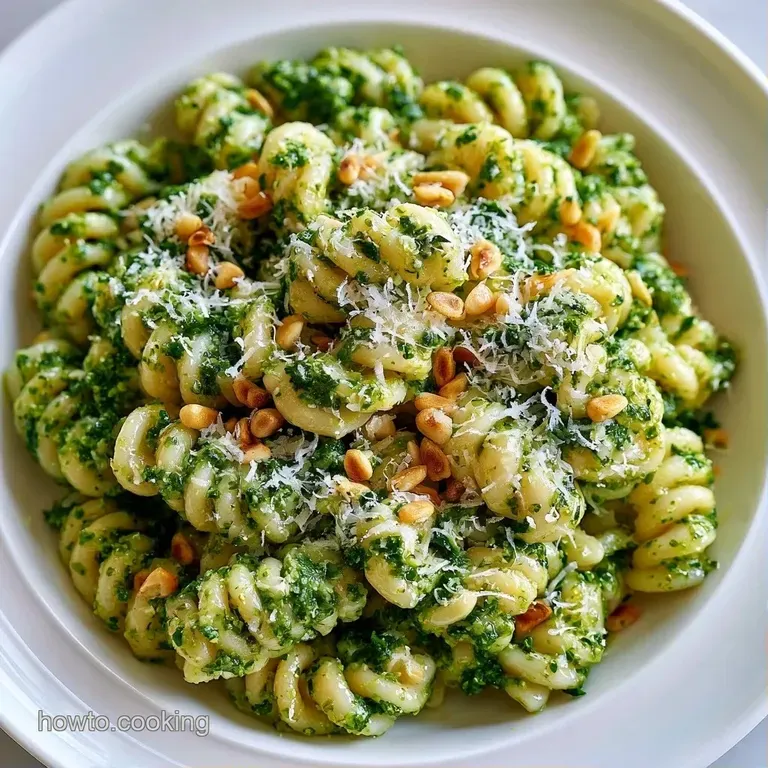
Sometimes things go sideways. The most common issue is a sauce that looks "broken" or separated, where the oil is floating on top. This usually happens if the oil was added too quickly or if the pasta was too cold when mixed.
Troubleshooting Common Issues
| Issue | Solution |
|---|---|
| Why Your Pesto Turns Brown | Basil oxidizes when it hits the air or high heat. Adding lemon juice helps stop this, but the real fix is avoiding the stove. |
| Why the Sauce Is Clumpy | This happens when there isn't enough moisture to bind the cheese and oil. The pasta water is your best friend here. Add it slowly and toss constantly to smooth it out. |
| Why the Garlic Is Too Sharp | Raw garlic can be aggressive. If you find it overpowering, try grating the garlic into the oil first or lightly sautéing the cloves for 30 seconds before adding them to the processor. |
Swapping and Scaling
If you're cooking for one, you can easily halve the recipe. Use a smaller pan and reduce your boiling time slightly. If you're doubling it for a crowd, don't double the salt and garlic start with 1.5x and taste as you go. Garlic can become overwhelming in large batches.
For a different texture, you can swap the standard noodles for homemade silky egg noodles, which hold the sauce differently than dried pasta.
Decision Shortcut:
- If you want a creamier vibe, stir in 2 tbsp of heavy cream or Greek yogurt at the end.
- If you want it lighter, swap half the oil for a splash of the pasta water.
- If you want a protein boost, add grilled chicken or sautéed shrimp.
Pesto Myths
You might hear that you must use a mortar and pestle for "authentic" pesto. While it gives a slightly chunkier texture, a food processor is perfectly fine for a home cook. The flavor remains the same as long as you don't over process the leaves.
Another myth is that adding cream is the only way to make it creamy. In reality, the starch in the pasta water creates a emulsion with the olive oil and cheese without needing any dairy.
Storage and Zero Waste
Keep your pesto in an airtight jar in the fridge for up to 5 days. To prevent the top from turning brown, pour a thin layer of olive oil over the surface to seal out the air. You can also freeze it in ice cube trays for up to 3 months, then pop a cube into a pan for a quick sauce later.
Don't toss the basil stems. They have a ton of flavor. Throw them into your next pot of vegetable stock or a soup base to get every bit of use out of your bunch.
What to Serve Beside
This dish is rich and herbaceous, so it needs something acidic to balance it. A simple arugula salad with a lemon vinaigrette works wonders. If you want something heartier, a side of toasted sourdough rubbed with a raw garlic clove is a classic pairing.
For a fuller meal, consider adding some halved cherry tomatoes or sautéed zucchini. The sweetness of the tomatoes cuts through the saltiness of the Parmesan and the richness of the pine nuts.
Recipe FAQs
How to make your own homemade pesto sauce?
Pulse basil, toasted pine nuts, garlic, and Parmesan in a food processor. Slowly stream in olive oil while running on low, then stir in lemon juice, salt, and pepper by hand.
Which type of olive oil should be used to make pesto?
Use extra virgin olive oil. It provides the distinct, fruity flavor essential for a traditional fresh sauce.
Can I use regular olive oil in pesto?
Yes, it is a functional substitute. While it lacks the robust flavor of extra virgin, it still provides the necessary fat to emulsify the ingredients.
Can you just add pesto to pasta?
No, avoid simply stirring it in dry. Use reserved pasta water one tablespoon at a time to bind the sauce and prevent clumping.
How to combine pesto with pasta for the best texture?
Toss the pesto into the warm pot off the heat. Add reserved pasta water gradually while tossing vigorously until the sauce is glossy and creamy.
Is it true that pesto must be cooked on the stove to thicken?
No, this is a common misconception. Heating pesto can cause the basil to oxidize and turn brown; instead, use pasta water to achieve the desired consistency.
What should I put in my pesto pasta to make a good meal?
Add a high protein side for balance. This dish pairs perfectly with soy glazed salmon for a nutrient dense dinner.
Simple Scratch Made Pesto Pasta