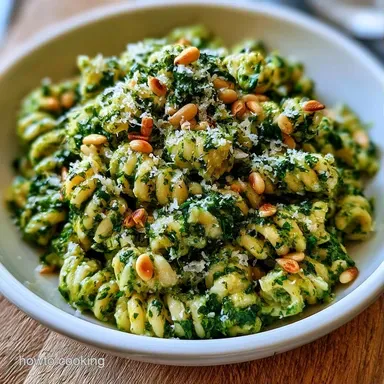
Pesto Pasta with Olive Oil in 20 Minutes
- Time: 10 min active + 10 min cooking
- Flavor/Texture Hook: Fresh, herbaceous, and glossy
- Perfect for: 20 minute weeknight dinners
- Easy Pesto Pasta with Olive Oil
- Why These Flavors Work
- The Essential Ingredient List
- Tools for the Job
- How to Cook It
- Fixing Common Pesto Issues
- Troubleshooting Common Issues
- Fun Twists and Swaps
- Practical Scaling Tips
- Debunking Pesto Myths
- Saving Your Leftovers
- What to Serve Alongside
- Recipe FAQs
- 📝 Recipe Card
Easy Pesto Pasta with Olive Oil
The smell of fresh basil hitting a food processor is one of those things that immediately makes a kitchen feel alive. I remember the first time I tried to make this, I skipped the pasta water entirely.
I just dumped the pesto on top of the noodles and wondered why it looked like oily clumps of grass sitting in a bowl of pasta. It was a mess, but it taught me that the water is the real bridge.
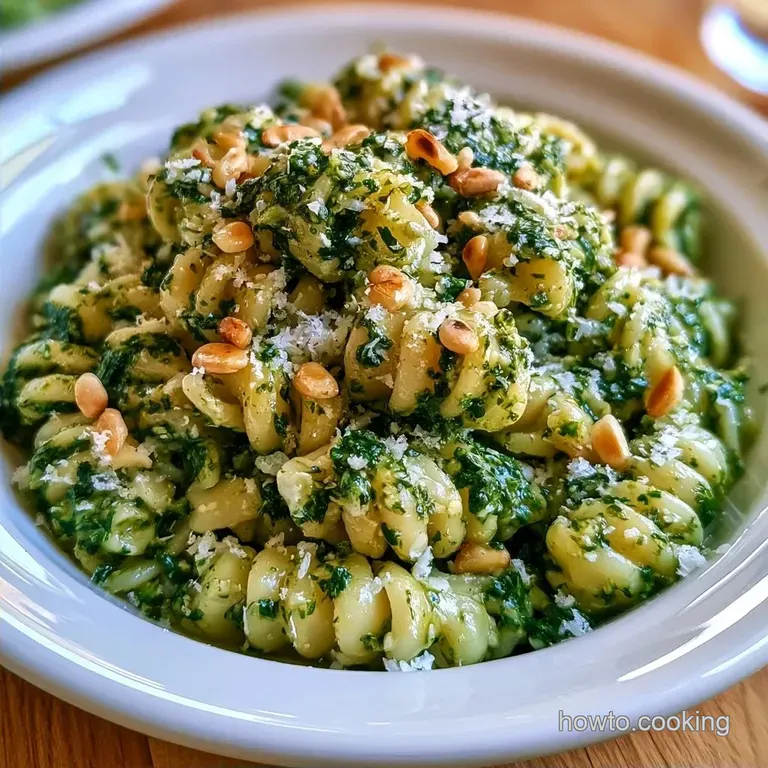
When you get this right, the sauce doesn't just sit on the pasta, it wraps around it. You get that punch of garlic and the nuttiness of the pine nuts, all balanced by a hit of lemon.
It's the kind of meal that feels like you spent an hour in the kitchen, but you actually just spent ten minutes pulsing leaves and boiling water.
You can expect a dish that's vibrant green and rich. We aren't using heavy creams here, so the olive oil does all the heavy lifting. It's a straightforward approach that lets the basil be the star of the show.
Why These Flavors Work
Starchy Water: The cloudy water from the pot contains starch that acts as a binder, helping the oil and basil emulsify.
Acid Balance: A splash of lemon juice cuts through the heavy fats of the pine nuts and cheese, brightening the whole dish.
Temperature Control: Tossing the pasta over low heat ensures the cheese melts without the basil turning a muddy brown color.
| Method | Time | Texture | Best For |
|---|---|---|---|
| Cold Mixing | 2 mins | Grainy/Oily | Cold pasta salads |
| Stovetop Emulsion | 5 mins | Glossy/Coated | Warm dinner |
The difference is all in the emulsion. When you mix it on the stove with that reserved water, the sauce transforms from a paste into a fluid glaze.
The Essential Ingredient List
What Each Ingredient Does
| Ingredient | What It Does | Best Swap |
|---|---|---|
| Fresh Basil | Primary flavor and color | Baby spinach (milder) |
| Pine Nuts | Creamy texture and earthiness | Walnuts or Almonds |
| Parmesan | Saltiness and thickness | Pecorino Romano |
| Olive Oil | Carries flavor and creates silkiness | Avocado oil (neutral) |
For the Homemade Pesto
- 2 cups (60g) fresh basil leaves, packed Why this? Provides the core herbaceous punch
- 1/3 cup (80ml) extra virgin olive oil Why this? high-quality oil adds a peppery finish
- 1/3 cup (45g) pine nuts, lightly toasted Why this? Toasting unlocks a deep, nutty aroma
- 1/2 cup (50g) Parmesan cheese, freshly grated Why this? Pre shredded has starch that prevents melting
- 2 cloves (6g) garlic, minced Why this? Raw garlic gives a sharp, fresh bite
- 1 tbsp (15ml) fresh lemon juice Why this? Keeps the color bright and cuts the fat
- 1/2 tsp (3g) salt Why this? Enhances the natural basil flavor
- 1/4 tsp (1g) black pepper Why this? Adds a subtle woody heat
For the Pasta Base
- 1 lb (450g) linguine or trofie pasta Why this? Long strands or twists hold the sauce best
- 2 tbsp (30ml) extra virgin olive oil Why this? Prevents sticking during the final toss
- 1/2 cup (120ml) reserved pasta cooking water Why this? The essential binder for the sauce
Tools for the Job
You don't need a professional kitchen for this, but a few specific tools make it faster. A food processor is the standard choice, but if you want a more rustic texture, a mortar and pestle works. Just be prepared for a bit of an arm workout.
Tongs are a must for the final stage. Trying to stir linguine with a spoon usually results in a clump of noodles. Tongs let you lift and swirl the pasta, ensuring every inch is coated in that glossy glaze.
Finally, a fine grater for the Parmesan is key. You want the cheese to be light and fluffy so it disappears into the sauce rather than leaving chewy clumps of cheese.
How to Cook It
Phase 1: Pulse the Pesto
- Place the basil, toasted pine nuts, and garlic in the food processor. Pulse several times until coarsely chopped. Note: Don't over process or the basil will heat up and lose its color.
- While the processor is running on low, slowly stream in the olive oil until the mixture is smooth.
- Stir in the Parmesan cheese, lemon juice, salt, and pepper by hand. Note: Mixing these by hand keeps the texture from becoming too pasty.
Phase 2: Boil the Pasta
- Bring a large pot of heavily salted water to a boil. Add the pasta and cook according to package directions until al dente.
- Before draining the pasta, reserve 1/2 cup (120ml) of the cloudy pasta cooking water. Note: This is the most important step for the sauce.
Phase 3: The Final Emulsion
- Drain the pasta and return it to the pot over low heat.
- Add 2 tbsp (30ml) of olive oil and the prepared pesto to the pasta.
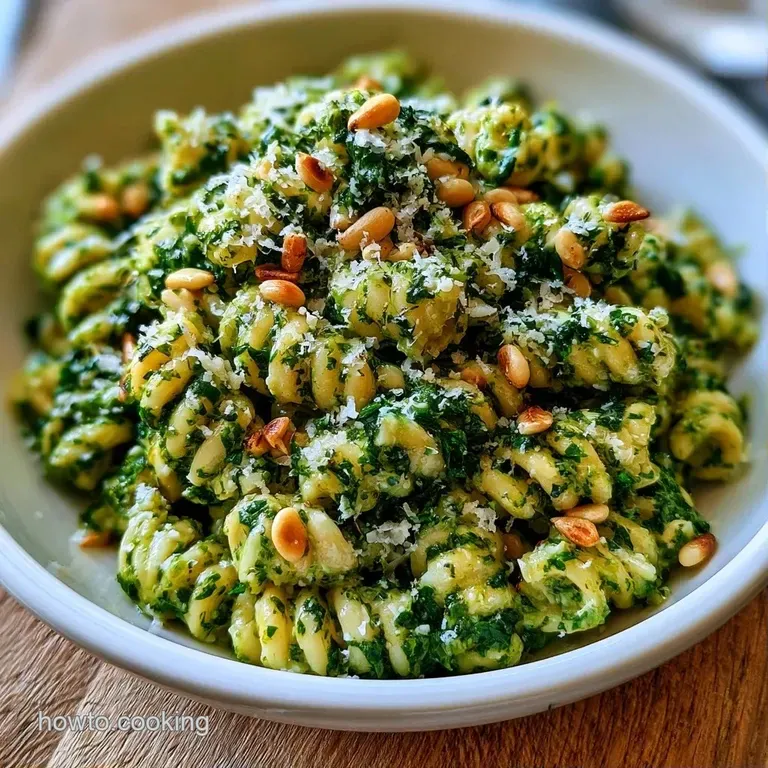
- Pour in the reserved pasta water gradually while tossing with tongs for 1–2 minutes until the sauce becomes a velvety, glossy glaze.
Fixing Common Pesto Issues
Troubleshooting Common Issues
| Issue | Solution |
|---|---|
| Why Your Sauce Separated | If you see pools of oil at the bottom of the pot, the emulsion failed. This usually happens if the heat was too high or you didn't use enough pasta water. |
| Why Your Basil Turned Brown | Basil is sensitive to heat and oxygen. If you blend it for too long, the blades heat up and "cook" the leaves. Adding the lemon juice at the end helps, but the real fix is pulsing in short bursts. |
| Why Your Pesto Tastes Bitter | This happens when basil is bruised or over processed. It can also happen if your pine nuts were toasted too long and burnt. |
Fun Twists and Swaps
If you want a change in protein, adding grilled chicken makes this a full, hearty meal. Just slice the chicken thin and toss it in at the very end so it warms through without overcooking. For those looking for a different vibe, a protein cottage cheese sauce can be mixed in for an extra creamy, high protein version.
For a healthier Pesto Pasta with Olive Oil, try swapping the pine nuts for toasted sunflower seeds. You get a similar crunch but a lower price point and different nutrient profile. You can also swap half the pasta for zucchini noodles to lighten the load.
If you are cooking for a vegan friend, swap the Parmesan for 2 tablespoons of nutritional yeast and a pinch more salt. The yeast provides that fermented, cheesy funk without the dairy. To make it a bit more punchy, add a teaspoon of capers to the food processor for a salty, briny kick.
Practical Scaling Tips
When you need to feed a crowd, doubling the recipe isn't always a straight line. For a 2x batch, I recommend only increasing the garlic to 3 or 4 cloves instead of 4. Garlic can become overwhelmingly sharp when scaled up in raw applications.
If you are scaling down to a single serving, use a smaller pan to ensure the pasta water doesn't evaporate too quickly. Reduce your cooking time by about 20% for the final emulsion stage, as the smaller mass of pasta heats up and coats much faster.
For those baking a pasta dish with pesto (like a pesto pasta bake), lower your oven temp by 25°F and extend the time. Pesto can dry out and brown quickly in the oven, so cover it with foil for the first 15 minutes to lock in the moisture.
Debunking Pesto Myths
Some people think you must use a mortar and pestle to get the "real" flavor. While it creates a different texture, a food processor is just as good for flavor as long as you don't over blend. I've tried both, and the difference is mostly in how much effort you want to put in.
There is also a belief that you need to blanch the basil to keep it green. This is a bit overkill for a home cook. According to King Arthur Baking, managing the temperature and adding acidity (like lemon) is usually enough to keep colors vibrant.
Another common myth is that traditional pesto pasta requires heavy cream to be "creamy". The creaminess actually comes from the emulsification of the fats and the starchy water. Adding cream often masks the fresh taste of the basil.
Saving Your Leftovers
Store any leftover pesto in a glass jar in the fridge for up to 5 days. The trick to keeping it green is to pour a thin layer of olive oil over the top to seal out the air. When you're ready to use it, just stir the oil back in.
For long term storage, freeze pesto in ice cube trays. Once frozen, pop the cubes into a freezer bag. They last for about 3 months. This is great for adding a quick burst of flavor to soups or grilled fish later on.
To avoid waste, don't throw away your basil stems. They actually hold a lot of flavor. Toss them into a simmering pot of pasta water or a vegetable stock. Even the pine nut shells can be composted, and any leftover Parmesan rinds should be saved in the freezer to flavor your next tomato sauce.
What to Serve Alongside
Since this dish is quite rich, you want sides that offer a crisp contrast. A simple arugula salad with a lemon vinaigrette works well because the peppery greens match the basil. Grilled asparagus or sautéed broccolini also add a nice snap to the meal.
If you want something more filling, a side of crusty sourdough bread is a must. It's perfect for mopping up any remaining sauce at the bottom of the bowl. For a more indulgent treat, a ball of fresh burrata cheese placed right on top of the pasta adds a creamy, cool element that balances the garlic.
Finally, a chilled glass of Pinot Grigio or a light sparkling water with a slice of lemon complements the acidity of the dish. The goal is to keep the sides light so the Pesto Pasta with Olive Oil remains the main event.
Recipe FAQs
Should you put olive oil in pesto pasta?
Yes, it is essential. Olive oil provides the necessary fat for a smooth emulsion and prevents the basil from drying out during tossing.
Is pesto ok for a diabetic?
Yes, generally. The healthy fats from olive oil and pine nuts help slow glucose absorption, though managing the pasta portion is the primary concern.
Can you have pesto with GERD?
Use caution. The garlic, lemon juice, and high oil content are common triggers that can exacerbate acid reflux symptoms.
Is pesto ok for kidney patients?
Consult your doctor first. The sodium content in Parmesan cheese and added salt can be restrictive for those on a specific renal diet.
How to make a pesto pasta recipe?
Boil linguine or trofie until al dente. Blend basil, toasted pine nuts, and garlic, then toss the pasta with the pesto and reserved water over low heat. If you enjoyed mastering the emulsion here, apply that same technique to our ultimate homemade pesto.
Which type of olive oil should be used to make Pesto?
Extra virgin olive oil is best. It offers the superior flavor and quality required for a raw sauce, whereas refined oils lack the necessary aromatic punch.
How to make pesto with just basil, garlic, and olive oil?
Pulse fresh basil and minced garlic in a food processor. Slowly stream in olive oil while the processor runs on low until the mixture reaches a smooth consistency.
Pesto Pasta With Olive Oil