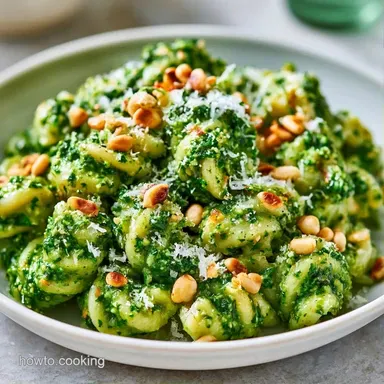
Garlic Basil Pesto Pasta in 15 Minutes
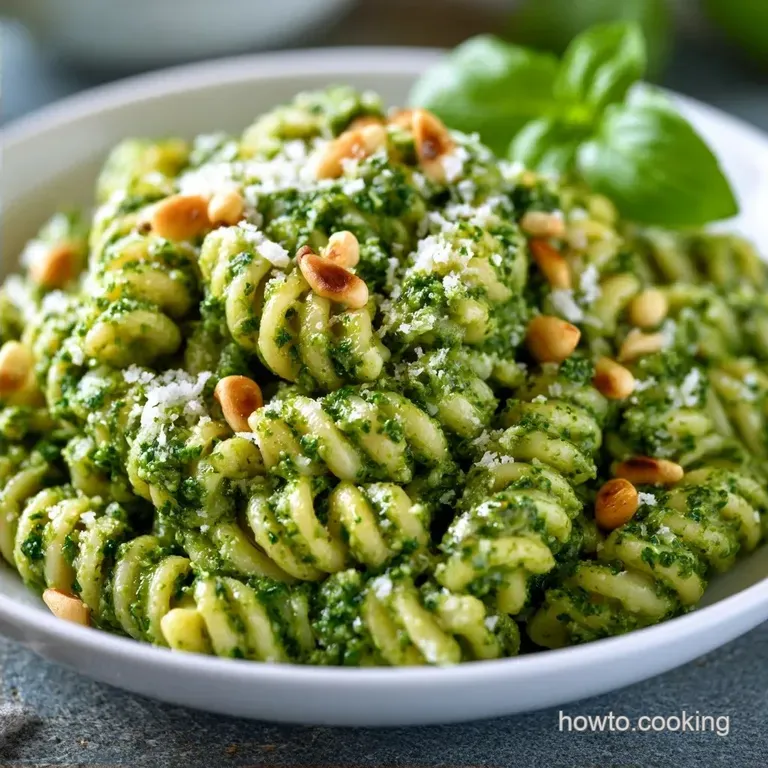
- Time: 5 min active + 10 min cooking
- Flavor/Texture Hook: Nutty, herbaceous, and rich
- Perfect for: Last minute weeknight dinners or a fresh lunch
- Garlic Basil Pesto Pasta: The 15 Minute Meal
- Winning Strategies for the Best Flavor
- What Each Ingredient Does
- Gathering Your Essentials
- Equipment Needed
- Key Steps for Execution
- Fixing Common Pesto Issues
- Flavor Variations to Try
- Adjusting the Batch Size
- Debunking Pesto Myths
- Storage Guidelines
- Serving and Enjoying
- Recipe FAQs
- 📝 Recipe Card
The smell of pine nuts browning in a dry pan is one of my favorite things in the kitchen. It's that toasted, buttery aroma that tells me dinner is actually going to be good tonight. I remember the first time I tried to rush this, skipping the toast, and the sauce felt flat.
It lacked that depth that makes the basil pop.
Since then, I've realized that the beauty of this meal is in the contrast. You have the sharp bite of raw garlic, the brightness of lemon, and the heavy, salty hit of Parmesan. When it all hits the hot pasta, it creates this glossy coating that feels far more expensive than the 15 minutes it takes to make.
If you're looking for a Garlic Basil Pesto Pasta that doesn't taste like a jar from the grocery store, you're in the right place. We're keeping it simple, focusing on fresh ingredients, and using a few small tricks to make sure the sauce stays green and the pasta stays al dente.
Garlic Basil Pesto Pasta: The 15 Minute Meal
Getting a vibrant result comes down to how you handle the greens. Most people just throw everything in a blender and whiz it into a paste, but that often heats up the basil and dulls the color. I prefer pulsing. It keeps the texture a bit more rustic and prevents the blades from cooking the leaves with friction.
If you're in a rush, this is your go to. But if you have an extra five minutes, I highly suggest grating your own cheese. Pre shredded Parmesan is coated in potato starch to stop it from clumping in the bag, and that starch can make your sauce feel grainy rather than smooth.
For those who like a different twist, you might enjoy a Classic Basil Pesto Pasta which follows a similar logic but focuses on a slower, more traditional blend. Regardless of the method, the goal is a balance of fat, acid, and salt.
Winning Strategies for the Best Flavor
Toasted Pine Nuts: Heating the nuts for 3-5 minutes releases oils that deepen the flavor. This prevents the sauce from tasting too "grassy."
The Pasta Water Trick: Starchy water acts as a bridge between the oil based pesto and the pasta. It helps the sauce cling to the noodles instead of pooling at the bottom of the bowl.
Cold Oil Drizzle: Adding the olive oil slowly while the processor is running creates a stable emulsion. This keeps the sauce from separating when it hits the hot pasta.
| Method | Time | Texture | Best For |
|---|---|---|---|
| Freshly Made | 15 mins | Coarse and bright | Immediate serving |
| store bought | 10 mins | Smooth and uniform | Absolute emergencies |
| Freezer Prep | 10 mins | Dense and rich | Meal prepping |
What Each Ingredient Does
| Ingredient | What It Does | Best Swap |
|---|---|---|
| Fresh Basil | Provides the primary herbal, peppery base | Baby spinach (milder, less punch) |
| Pine Nuts | Adds a creamy, buttery richness | Walnuts or almonds (earthier tone) |
| Parmesan | Brings saltiness and a sharp, aged depth | Pecorino Romano (saltier and tangier) |
| Lemon Juice | Cuts through the fat to brighten the flavor | White wine vinegar (sharper acid) |
Gathering Your Essentials
You'll need a few fresh items for this. Make sure your basil is washed and completely dry. If the leaves are damp, the oil won't emulsify correctly, and you'll end up with a watery sauce.
- 2 cups (60g) fresh basil leaves, packed Why this? Packed leaves give a concentrated herbal punch
- ½ cup (60g) Parmesan cheese, freshly grated Why this? Freshly grated melts better into the sauce
- ⅓ cup (50g) pine nuts, lightly toasted Why this? Toasting adds a nutty, caramelized layer
- 3 cloves (15g) garlic, peeled Why this? Raw garlic provides a sharp, spicy contrast
- ½ cup (120ml) extra virgin olive oil Why this? high-quality oil carries the basil flavor
- 1 tbsp (15ml) lemon juice Why this? Acid balances the richness of the nuts and oil
- ½ tsp (3g) salt Why this? Enhances all other flavors
- ¼ tsp (1g) black pepper Why this? Adds a subtle woody heat
- 1 lb (450g) pasta Why this? Fusilli or Penne hold the sauce in their ridges
- 1 tbsp (15ml) salt (for pasta water)
- ½ cup (120ml) reserved pasta cooking water
Equipment Needed
A food processor is the easiest tool here, but a blender works if you're careful not to over process. If you're going old school, a mortar and pestle is great, though it takes significantly more elbow grease.
You'll also need a large pot for the pasta and a colander. I suggest using a wide skillet or returning the pasta to the pot to toss everything together. A wider surface area helps the emulsion happen faster.
Key Steps for Execution
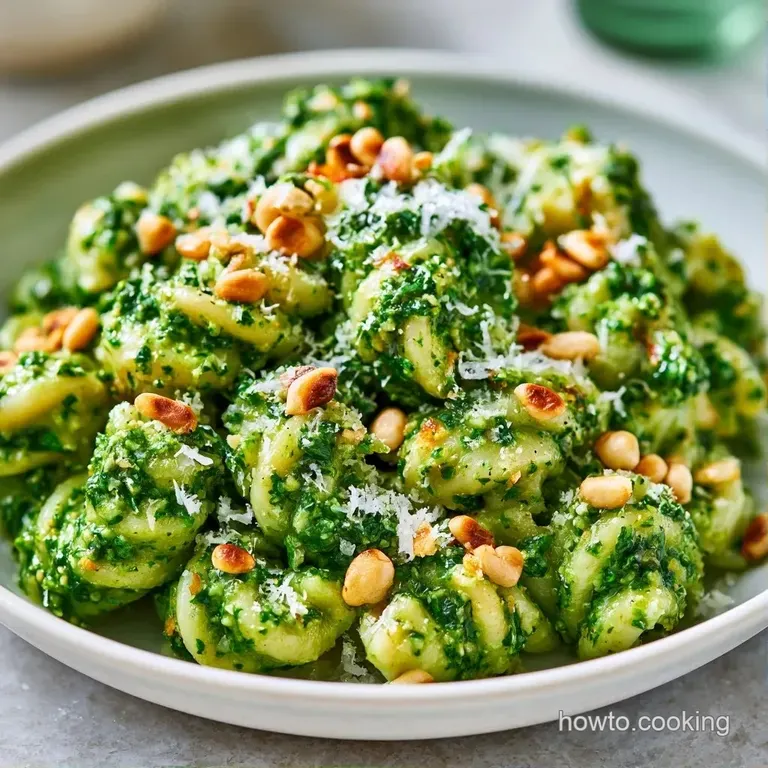
Phase 1: Prepping the Pesto
- Place the toasted pine nuts and garlic cloves in the food processor and pulse until coarsely chopped. Note: Don't over process the garlic into a paste.
- Add the fresh basil leaves and lemon juice; pulse several times until the leaves are finely minced.
- While the processor is running on low, slowly drizzle in the extra virgin olive oil until the sauce is smooth and cohesive.
- Stir in the grated Parmesan cheese, salt, and pepper by hand or a final short pulse to maintain texture.
Phase 2: Boiling the Pasta
- Fill a large pot with water, add 1 tbsp salt, and bring to a rolling boil.
- Add the pasta and cook according to package directions, stopping 1 minute early to ensure it remains al dente.
Phase 3: The Final Toss
- Reserve ½ cup of the starchy pasta cooking water before draining the pasta.
- Return the drained pasta to the warm pot over low heat, pour in the pesto, and toss with the reserved pasta water until the sauce is emulsified and clings to the pasta.
Chef's Note: If the sauce seems too thick, add the reserved water one tablespoon at a time. You want a silky coating, not a soup.
Fixing Common Pesto Issues
One of the most annoying things about this recipe is when the bright green turns into a muddy brown. This usually happens because of oxidation. The lemon juice helps, but the heat from the food processor blades can also trigger this.
Another issue is the "grainy" feeling. This is almost always due to the cheese. If you use the pre shredded kind, the anti caking agents don't dissolve, leaving you with a sandy texture.
Why Your Pesto Turns Brown
Basil is sensitive to air and heat. To stop this, you can blanch the basil for 5 seconds in boiling water and then shock it in ice water before blending. It's an extra step, but the green stays vivid for days.
Why Your Sauce Feels Grainy
This happens when the fat and water don't bond, or when the cheese is too dry. Adding a splash more pasta water and tossing over low heat usually smooths it out.
| Problem | Root Cause | Solution |
|---|---|---|
| Sauce separates | Oil added too fast | Drizzle oil slowly while blending |
| Too salty | Too much Parmesan/Salt | Add a squeeze more lemon juice |
| Pesto is too thick | Not enough pasta water | Add reserved water 1 tbsp at a time |
Flavor Variations to Try
If you want to switch things up, you can easily adapt this into a Pasta in 20 Minutes recipe by swapping the pine nuts for toasted sunflower seeds or walnuts. Walnuts give a slightly more bitter, earthy edge that pairs well with chicken.
For a creamier version, stir in a tablespoon of mascarpone or heavy cream during the final toss. This softens the garlic's bite and makes the dish feel more indulgent.
If you love heat, add a pinch of red pepper flakes to the oil before you blend. It doesn't overpower the basil, but it gives a warmth that lingers in the back of your throat.
Adjusting the Batch Size
When you're cooking for just one or two, you can halve the recipe easily. Just be careful with the garlic. I find that if I halve the recipe, using 2 cloves instead of 1.5 keeps the flavor balanced.
If you're scaling up for a party, don't just quadruple the salt and garlic. Spices and aromatics don't always scale linearly. Increase the salt and garlic to about 3x the original amount, then taste and adjust.
For the pasta, if you're doubling the amount, use your largest pot. If the pot is too crowded, the water temperature drops too much when you add the noodles, and they can become gummy.
Debunking Pesto Myths
Some people insist that you can't use a food processor because it "bruises" the basil. While a mortar and pestle is traditional, the difference in taste for a weeknight meal is negligible. The key is pulsing, not blending on high.
Another myth is that you must use pine nuts for it to be "real" pesto. In many parts of Italy, walnuts or almonds are used depending on what's local. As long as you have a fatty nut and a hard cheese, you're good.
Storage Guidelines
Store your pesto in an airtight jar in the fridge for up to 5 days. The trick to keeping it green is to pour a thin layer of olive oil over the top before sealing the lid. This creates a barrier that blocks oxygen from hitting the basil.
For longer storage, freeze the pesto in ice cube trays. Once frozen, pop the cubes into a freezer bag. They last about 3 months. Just thaw one cube in a pan over low heat and toss with your pasta.
To avoid waste, don't throw away the basil stems. They have a ton of flavor. Toss them into a simmering pot of vegetable stock or freeze them to use in a future soup base.
Serving and Enjoying
This Garlic Basil Pesto Pasta is best served immediately while the aroma is strongest. I like to top it with a few extra shavings of Parmesan and a crack of fresh black pepper.
If you want to turn this into a full meal, add grilled shrimp or sliced chicken breast on top. The acidity of the pesto cuts through the richness of the protein beautifully. A side of arugula with a simple lemon vinaigrette is the best pairing here, as the bitterness of the greens balances the nutty sauce.
For a bit of crunch, toast some extra panko breadcrumbs in butter and sprinkle them over the top just before serving. It adds a texture contrast that makes the whole dish feel more complete.
Recipe FAQs
How to make a pesto pasta recipe?
Pulse toasted pine nuts and garlic, then blend in basil, lemon juice, and olive oil. Stir in Parmesan, salt, and pepper, then toss with al dente pasta and reserved cooking water over low heat.
Which type of olive oil should be used to make Pesto?
Use extra virgin olive oil. This variety provides the rich, fruity flavor necessary for raw sauces, whereas refined oils are too neutral.
Can I just add basil pesto to pasta?
No, you should emulsify it with pasta water. Mixing in a bit of reserved starchy water helps the sauce bind to the noodles rather than sliding off.
Do garlic and pesto go well together?
Yes, garlic is a foundational ingredient. It adds a sharp, pungent contrast to the sweetness of the fresh basil and the richness of the pine nuts.
Can you have pesto with GERD?
Generally no. The high concentrations of garlic, lemon juice, and olive oil are common triggers for acid reflux and heartburn.
How can I use pesto from a jar with pasta?
Stir the pesto into warm pasta over low heat. Adding a tablespoon of reserved pasta water prevents the jarred sauce from tasting too thick or dry.
What to mix with basil pesto for pasta?
Use reserved pasta water to create a silky emulsion. If you enjoy mastering sauce textures, try a similar approach with our protein cottage cheese pasta sauce.
Garlic Basil Pesto Pasta