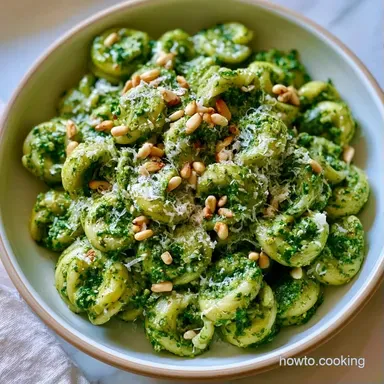
15-Minute Fresh Basil Pesto Pasta
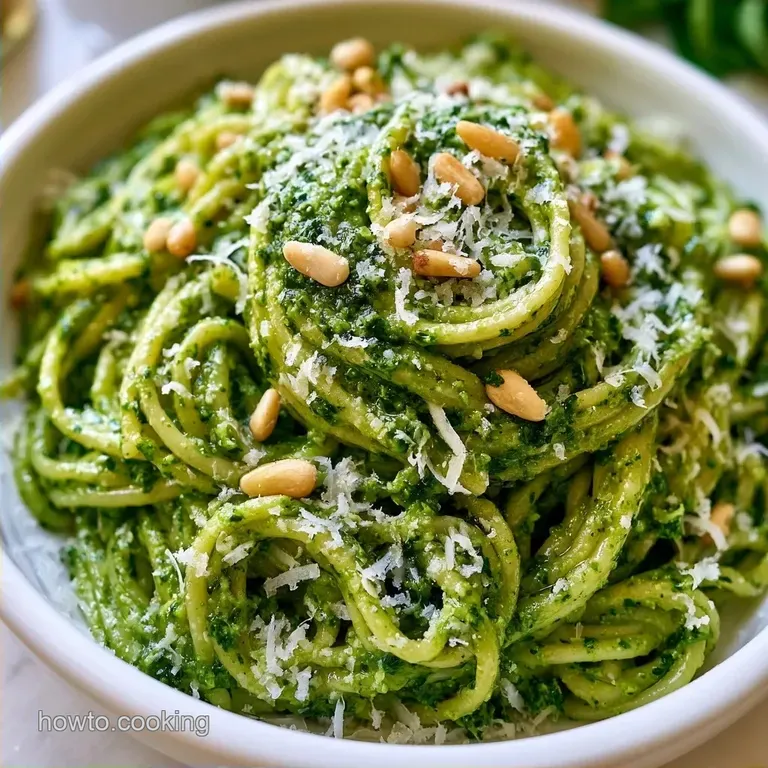
- Time: 5 min active + 10 min cook
- Flavor/Texture Hook: Glossy, herbaceous, and rich
- Perfect for: Quick weeknight dinner or a fresh lunch
Fresh Basil Pesto Pasta
I once made a batch of pesto that looked like swamp water. I thought blending it for five minutes would make it smoother, but the friction from the blades actually heated the basil, oxidizing it into a dull brown sludge.
It tasted fine, but it looked depressing, and that's when I realized the food processor is a tool, not a magic wand.
The trick is to work fast and keep things cool. If you treat the basil with a bit of respect and don't overwork the nuts, you get that neon green glow that makes a bowl of pasta look like it came from a professional kitchen.
This recipe fixes the common "oily mess" problem by controlling how the fat hits the greens. You'll get a sauce that actually clings to the noodles instead of pooling at the bottom of your bowl.
Why Pesto Often Turns Brown
Right then, let's talk about why your sauce sometimes loses its color. Basil is sensitive to heat and air, so the goal is to minimize exposure. If you're looking for a more detailed breakdown on getting that neon hue, my Vibrant Homemade Basil Pesto guide covers the finer points.
What Actually Keeps It GreenQuick Pulsing: Short bursts of blending prevent the blades from heating up the leaves. Lemon Juice: The acid helps stabilize the chlorophyll in the basil to maintain the color.
Since we're keeping things simple, we don't need a complex process. We just need to follow the flow: prep the base, blend the greens, and toss with the pasta.
| Method | Prep Time | Texture | Best For |
|---|---|---|---|
| Stovetop Toss | 15 minutes | Glossy & fluid | Fresh, fast dinners |
| Oven Bake | 45 minutes | Thick & cheesy | Meal prep casseroles |
Recipe Basics
Before you start, get all your ingredients on the counter. It's a fast recipe, and you don't want to be chopping garlic while your pasta is overcooking.
What Each Ingredient Does
| Ingredient | What It Does | Best Swap |
|---|---|---|
| Fresh Basil | Provides the core herbal punch | Baby Spinach (milder) |
| Pine Nuts | Adds a buttery, rich base | Walnuts (earthier) |
| Parmesan | Adds salt and a nutty depth | Pecorino (sharper) |
| Olive Oil | Binds everything and adds gloss | Avocado Oil (neutral) |
Your Ingredient List
Grab these items. I've used imperial measurements since that's what works best in my kitchen.
- 2 cups fresh basil leaves, packed Why this? Provides the essential peppery, sweet base
- 1/3 cup pine nuts Why this? Traditional buttery flavor and creamy texture
- 1/2 cup freshly grated Parmesan cheese Why this? Adds salty, umami depth
- 2 cloves garlic, peeled Why this? Sharpness to cut through the fat
- 1/2 cup extra virgin olive oil Why this? high-quality oil improves the finish
- 1 tbsp fresh lemon juice Why this? Brightens flavors and preserves color
- 1/2 tsp kosher salt Why this? Enhances all other flavors
- 1/4 tsp black pepper Why this? Adds a subtle heat
- 1 lb dry pasta (Trofie, Fusilli, or Linguine) Why this? Shapes with ridges hold sauce better
- 1/2 cup reserved pasta water Why this? The starch binds the sauce to the noodle
Tools for the Job
You don't need much here. A standard food processor works, but if you have a high powered blender, just be extra careful not to over process. A large pot for the pasta and a mixing bowl for the final toss are essential.
Honestly, don't even bother with low-fat cheese; the real Parmesan makes a huge difference in how the sauce emulsifies.
Cooking the Pasta
Let's crack on with the actual process. Remember to keep the processor pulses short.
- Place the pine nuts in the food processor and pulse until coarsely chopped.
- Add the fresh basil, garlic, and lemon juice to the processor and pulse several times until the leaves are finely minced.
- While the processor is running on low, slowly stream in the olive oil until the sauce is velvety and bright green.
- Stir in the Parmesan cheese and salt by hand to maintain a varied texture. Note: Blending cheese can make the sauce gummy
- Bring a large pot of heavily salted water to a boil. Add the pasta and cook according to package directions until al dente.
- Before draining the pasta, reserve 1/2 cup of the starchy pasta water. Note: This is the most important step for a glossy finish
- Transfer the drained pasta to a large mixing bowl and pour the homemade basil pesto sauce over the noodles.
- Add the reserved pasta water one tablespoon at a time, tossing vigorously until the sauce becomes a glossy, fluid coating.
Chef's Note: For a deeper flavor, toast your pine nuts in a dry pan for 3 minutes until they smell like popcorn before adding them to the processor.
Fixing Common Pesto Issues
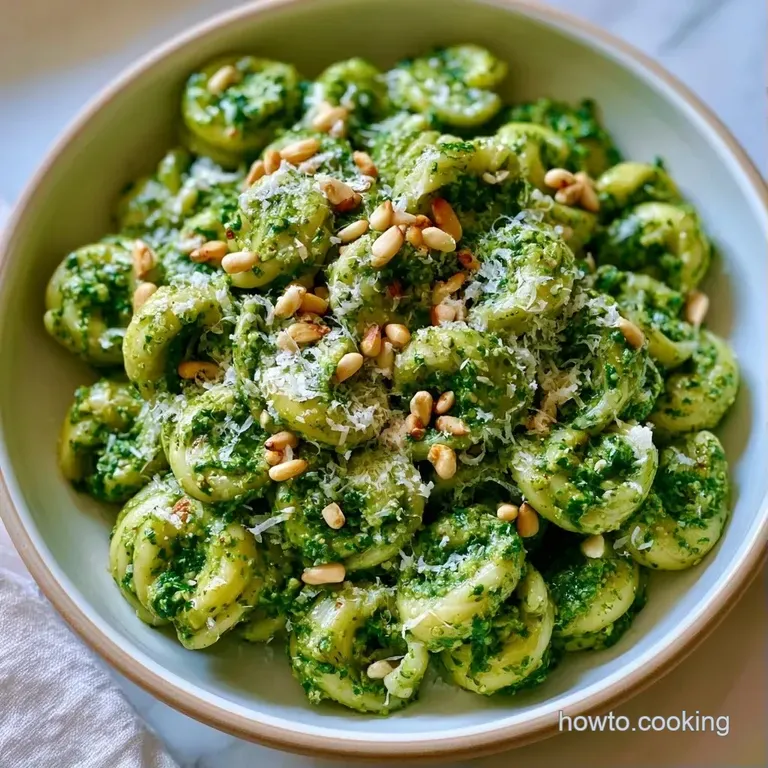
Even with a simple recipe, things can go sideways. Usually, it comes down to temperature or ratios. According to Serious Eats, the starch in the pasta water is what actually helps the oil based sauce stick to the noodles.
Troubleshooting Common Issues
| Issue | Solution |
|---|---|
| Why Your Pesto Turned Brown | This happens when the basil is bruised or heated. If you blend too long, the blades create heat that kills the color. Keep your pulses short and your oil cold. |
| Why the Sauce is Too Thick | If the pesto feels like a paste, you didn't use enough pasta water. The water thins the oil and creates a creamy emulsion that coats every inch of the pasta. |
| Why the Taste is Too Sharp | Too much raw garlic can overpower the basil. If this happens, stir in a tablespoon of ricotta or heavy cream to mellow out the bite. |
Different Flavor Twists
Once you've got the base down, you can play around with the ingredients. If you want a more traditional vibe, check out my Traditional Pesto Pasta for some old school variations.
Decision Shortcut
- If you want more punch, add an extra squeeze of lemon.
- If you want it creamier, stir in a spoon of mascarpone.
- If you want it healthier, swap half the oil for a splash of pasta water and extra lemon.
For a Healthy Basil Pesto Pasta, you can swap the pine nuts for toasted sunflower seeds and use whole grain fusilli. If you're craving a Creamy Pesto Pasta, whisk in 1/4 cup of heavy cream at the very end.
For a Basil Pesto Pasta Salad, let the noodles cool completely before tossing them with the sauce and some halved cherry tomatoes.
Scaling the Recipe
Adjusting this for a crowd or a solo meal is easy, but don't just double everything blindly.
Scaling Down (1/2 batch) Use 1 cup of basil and 1/6 cup of pine nuts. Use a smaller pot for the pasta so the water boils faster. Reduce the cooking time by about 20% to ensure you don't overcook a smaller amount of noodles.
Scaling Up (2x batch) When doubling, only increase the salt and pepper to 1.5x the original amount. Taste it first, as Parmesan is already quite salty. Work in batches if your food processor is small to avoid over processing the bottom layer.
Pesto Myths
There are a few things people get wrong about this dish. Let's clear them up.
The "Blender is Better" Myth Some say a blender is better for a smooth sauce. In reality, blenders often over process the basil, leading to that brown color we talked about. A food processor's pulsing action is much safer.
The "Cook the Sauce" Myth Never put your pesto in a pan over high heat. Heat destroys the fresh basil flavor and turns the sauce dark. Always toss the sauce with the hot pasta off the heat.
Storage and Scraps
If you have leftover sauce, put it in a jar and pour a thin layer of olive oil over the top. This creates a seal that keeps air out and prevents browning.
Storage Guidelines
- Fridge: 5 days in an airtight container
- Freezer: 3 months (freeze in ice cube trays for easy portions)
- Reheating: Gently warm the pasta in a pan with a splash of water, then stir in the pesto at the very end.
Zero Waste Tips Don't throw away the basil stems. They have tons of flavor. Toss them into a simmering pot of vegetable stock or freeze them to use as a base for a future soup.
If you have leftover Parmesan rinds, throw them into your pasta boiling water for 5 minutes to add a layer of savory depth to the noodles.
Serving Your Meal
To finish your Fresh Basil Pesto Pasta, plate it in warm bowls. Top it with a few fresh basil leaves and an extra sprinkle of Parmesan cheese. It pairs beautifully with a crisp side salad or some grilled sourdough bread to soak up any remaining sauce.
Keep the bowls warm so the sauce stays fluid. If the pasta sits too long and gets dry, just stir in a teaspoon of warm water to bring back that glossy shine. Enjoy it while it's hot and the basil is still singing.
Recipe FAQs
Is it true I can just stir pesto into pasta without adding anything else?
No, this is a common misconception. Without adding reserved pasta water, the sauce often stays too thick and fails to create a glossy, fluid coating on the noodles.
How to make a pesto pasta recipe?
Pulse pine nuts, basil, garlic, and lemon juice in a food processor, then stream in olive oil. Stir in Parmesan and salt by hand, then toss the sauce with al dente pasta and reserved pasta water.
Which type of olive oil should be used to make Pesto?
Use extra virgin olive oil. It provides the specific flavor profile and quality required for a raw sauce where the oil is a primary ingredient.
How to make pesto with just basil, garlic, and olive oil?
Blend fresh basil, peeled garlic, and olive oil until smooth. Since this version excludes lemon juice and cheese, season with salt and black pepper to balance the richness of the oil.
How can I use pesto from a jar with pasta?
Warm the jarred sauce gently or stir it into hot pasta off the heat. For a fresher taste, try this homemade pesto recipe and incorporate pasta water to emulsify the sauce.
Is pesto ok for a diabetic?
Yes, generally. The healthy fats from the olive oil and pine nuts help slow the absorption of carbohydrates from the pasta.
Can you have pesto with GERD?
No, it is often a trigger. The combination of raw garlic, lemon juice, and olive oil can easily exacerbate acid reflux symptoms.
Fresh Basil Pesto Pasta