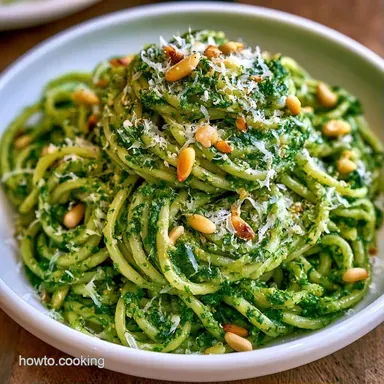
Creamy Pesto Pasta Genovese
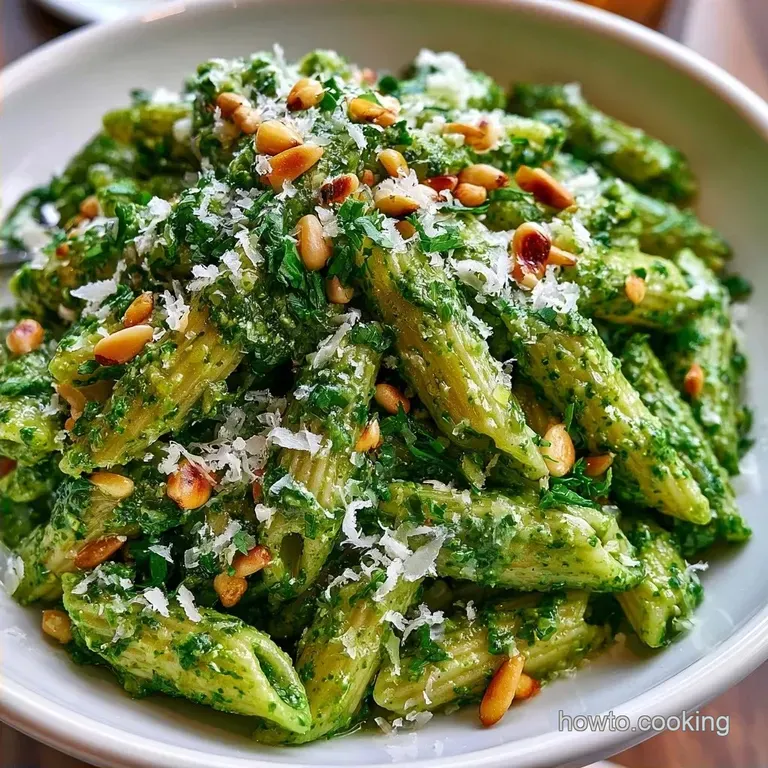
- Time: 10 min active + 5 min cook
- Flavor/Texture Hook: Garlicky, herbal, and rich
- Perfect for: A quick weeknight dinner that feels special
- Making Authentic Pesto Pasta Genovese
- Keys to Great Results
- Ingredient Deep Dive
- Essential Kitchen Tools
- Simple Step-by-Step Instructions
- Fixing Common Issues
- Troubleshooting Common Issues
- Fun Flavor Twists
- Adjusting the Portion Size
- Busting Pesto Myths
- Storage and Waste
- Plating and Serving
- Recipe FAQs
- 📝 Recipe Card
The smell of basil hitting a food processor is one of those things that just makes a kitchen feel alive. I remember the first time I tried making this for a group of friends during a summer heatwave. I didn't want to turn on the oven, and the air was so thick you could almost chew it.
We sat on the patio with bowls of pasta, the scent of fresh herbs and toasted pine nuts floating through the breeze.
It's the kind of meal that doesn't require a lot of fuss but tastes like you spent hours on it. You just need a few fresh ingredients and a bit of confidence with a blender. This Pesto Pasta Genovese is my go to when I need something wholesome and fast.
You can expect a vibrant, green dish that's heavy on the garlic and salty cheese. It's not a "cooked" sauce in the traditional sense, so the freshness stays front and center. Let's get into how to get it right.
Making Authentic Pesto Pasta Genovese
The goal here is balance. You want the punch of the garlic to be there, but you don't want it to drown out the delicate basil. Most people make the mistake of over processing the sauce, which heats up the leaves and turns them a dull brown.
Keep your processor pulses short. I've found that keeping the oil cold or the bowl slightly chilled helps maintain that bright green color. It's a simple dish, but the details make the difference between a bland paste and a restaurant quality meal.
Keys to Great Results
- Pasta Water: Starchy water acts as the glue that binds the oil and cheese to the noodles.
- Cold Blending: Pulsing in short bursts prevents the blades from heating the basil, which stops it from oxidizing.
- Hand Stirring Cheese: Adding the cheese at the end by hand keeps the texture from becoming too gummy.
| Method | Time | Texture | Best For |
|---|---|---|---|
| Stovetop | 15 mins | Glossy and fresh | Fresh dinner |
| Oven Baked | 35 mins | Cheesy and crusty | Potlucks |
Ingredient Deep Dive
The components of this sauce are traditional for a reason. Each one brings a specific structural or flavor element that balances the richness of the olive oil.
| Ingredient | What It Does | Best Swap |
|---|---|---|
| Fresh Basil | Provides the core herbal aroma | Spinach (milder taste) |
| Pine Nuts | Adds a buttery, creamy depth | Walnuts (earthier, cheaper) |
| Parmesan | Gives a salty, umami punch | Pecorino (saltier) |
| Olive Oil | Emulsifies the sauce and preserves color | Avocado oil (neutral) |
Essential Kitchen Tools
You don't need a professional kitchen for this. A standard food processor or a high speed blender works great. If you're feeling old school, a mortar and pestle is the traditional way, though it'll take a lot more elbow grease.
I usually use a medium sized mixing bowl for the final toss. This gives me enough room to vigorously mix the pasta and sauce without spilling everything over the counter. A fine grater or a Microplane is also a must for the cheeses to ensure they melt instantly into the sauce.
Simple step-by-step Instructions
Before you start, make sure your basil is washed and completely dry. Wet leaves will make the sauce watery.
- Lightly toast the pine nuts in a dry pan over medium heat for 2–3 minutes until golden brown. Let them cool completely. Note: Cooling prevents the basil from wilting.
- Place the garlic and toasted pine nuts in a food processor and pulse until coarsely chopped.
- Add the fresh basil leaves and salt, pulsing in short bursts.
- Slowly stream in the olive oil while the processor is running on low.
- Stir in the grated Parmesan and Pecorino by hand or one final short pulse.
- Boil the pasta in salted water according to package directions. Reserve 1/2 cup of the starchy pasta water before draining.
- Transfer drained pasta to a large mixing bowl. Add the pesto sauce and a splash of reserved pasta water, tossing vigorously until creamy.
Fixing Common Issues
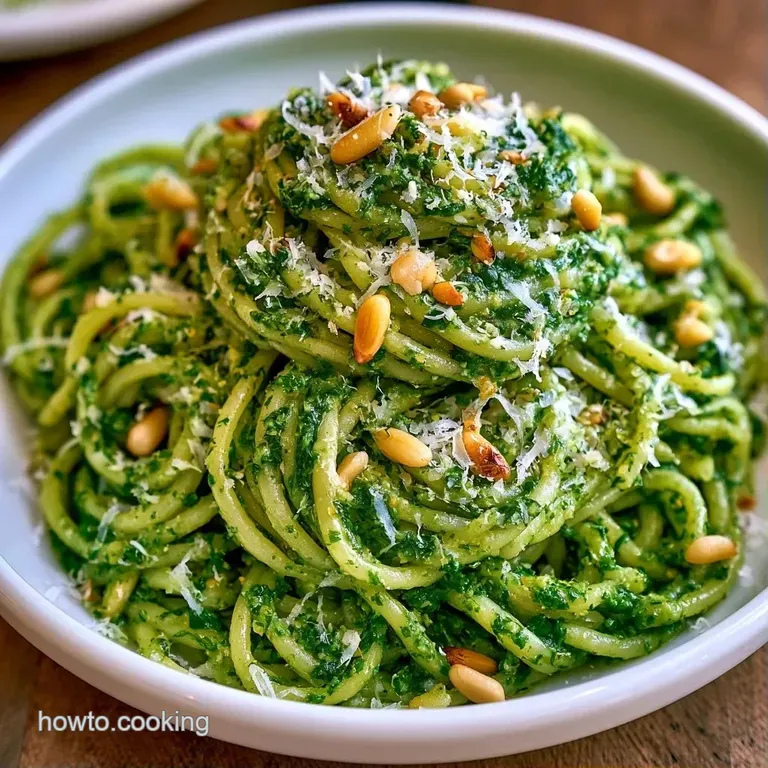
When you're making Pesto Pasta Genovese, things can occasionally go sideways. The most common issue is the sauce breaking or the color fading. According to Serious Eats, heating pesto too aggressively can cause the basil to lose its vibrancy and the oil to separate.
Troubleshooting Common Issues
| Issue | Solution |
|---|---|
| Why Your Sauce Is Brown | This usually happens because of oxidation or heat. If the food processor runs too long, the blades heat up. |
| Why Your Pasta Is Dry | If the sauce feels like a thick paste rather than a coating, you didn't use enough pasta water. The water emulsifies with the fats in the cheese and oil to create a smooth finish. |
| Why Your Sauce Is Too Garlic Heavy | Garlic potency varies wildly. Some cloves are mild, others are aggressive. |
Fun Flavor Twists
If you want to change things up, you can play with the nut base. While pine nuts are traditional, toasted almonds provide a great crunch. For a more budget friendly version, sunflower seeds work surprisingly well and keep the dish nutty without the high cost.
You can also add a handful of baby spinach to the blender for extra nutrients. If you're looking for a more concentrated flavor, try making a vibrant homemade basil pesto and letting it sit for 30 minutes before tossing with the noodles.
For a creamy version, stir in a tablespoon of ricotta or mascarpone at the very end. It softens the sharp edge of the Pecorino and makes the dish feel more like a comfort meal.
Adjusting the Portion Size
Scaling this recipe is pretty straightforward, but you have to be careful with the seasonings.
- Scaling Down (½ or ¼): Use a smaller food processor or a mortar and pestle. Reduce the garlic to one small clove if you're only making a single serving, as it can easily overpower smaller batches.
- Scaling Up (2x-4x): Don't just multiply the salt and garlic by four. Start with 1.5x the salt and garlic, taste the sauce, and then add more if needed. Work in batches if your blender is small to avoid over processing the bottom layer.
- Pasta Adjustments: If you're doubling the pasta, make sure you use a larger pot. If the pot is too crowded, the pasta will clump together and won't cook evenly.
Busting Pesto Myths
There's a common belief that you should cook the pesto in a pan to "develop the flavor." This is a mistake. Basil is delicate and turns bitter when exposed to high heat. The heat from the freshly boiled pasta is more than enough to warm the sauce.
Another myth is that you need a fancy mortar and pestle for "authentic" results. While the texture is slightly different, a food processor gets you 95% of the way there in a fraction of the time.
Finally, some people think you can't freeze pesto. You absolutely can. Just freeze it in ice cube trays and pop one out whenever you need a quick flavor boost for a soup or a sandwich.
Storage and Waste
Store any leftover sauce in a glass jar. Pour a thin layer of olive oil over the top before sealing the lid. This creates an airtight seal that prevents the basil from turning brown. It'll stay fresh in the fridge for about 5 days.
For long term storage, freeze the pesto in small portions for up to 3 months. When you're ready to use it, let it thaw in the fridge overnight.
To reduce waste, don't throw away the basil stems. They have a lot of flavor but are too woody for the pesto. Toss them into a pot of simmering vegetable stock or use them to infuse olive oil for a few days before straining them out.
Plating and Serving
To make Pesto Pasta Genovese look as good as it tastes, serve it in warmed bowls. This keeps the sauce from thickening too quickly as you eat.
Top the dish with a few fresh, whole basil leaves and a generous sprinkle of extra Parmesan. A few toasted pine nuts scattered on top add a nice textural contrast to the soft pasta.
If you have extra space on the plate, a side of blistered cherry tomatoes provides a sweet and acidic counterpoint to the rich, salty sauce. Serve it immediately while the pasta is still glistening.
Recipe FAQs
What is the difference between pesto and pesto genovese?
Pesto Genovese is the original, specific version from Genoa. While "pesto" is a general term for any crushed sauce, Genovese specifically requires basil, pine nuts, garlic, olive oil, and a blend of Parmesan and Pecorino.
What is pesto genovese pasta?
It is a traditional Italian dish featuring pasta tossed in a fresh basil based sauce. The "Genovese" style denotes the specific regional ingredients and technique from Liguria.
Can I use regular olive oil instead of extra virgin?
No, stick with extra virgin olive oil. Its superior flavor and quality are essential for the raw sauce, as refined oils lack the necessary aromatic profile.
Can I use a different type of pasta?
Yes, you can use various shapes. While trofie and linguine are traditional, you can achieve a richer texture by using homemade egg noodles.
How to make pesto pasta?
Boil trofie or linguine in salted water according to package directions. Reserve 1/2 cup of pasta water, drain the noodles, and toss them in a bowl with the pesto and a splash of that water until creamy.
How to stop pesto from turning brown?
Pour a thin layer of olive oil over the top in a glass jar. This creates an airtight seal that prevents oxidation and keeps the basil vibrant for about 5 days in the fridge.
Is it true that you must cook pesto in a pan to make it creamy?
No, this is a common misconception. Heating the sauce can oxidize the basil and turn it brown; instead, use reserved starchy pasta water to emulsify the fats and create a smooth finish.
Pesto Pasta Genovese