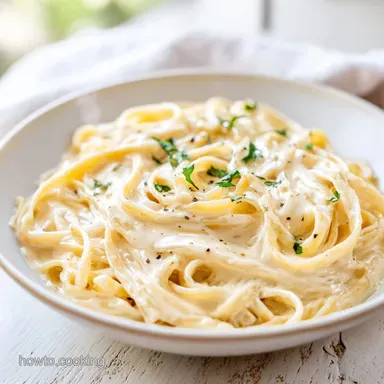
The Ultimate Homemade Alfredo Sauce
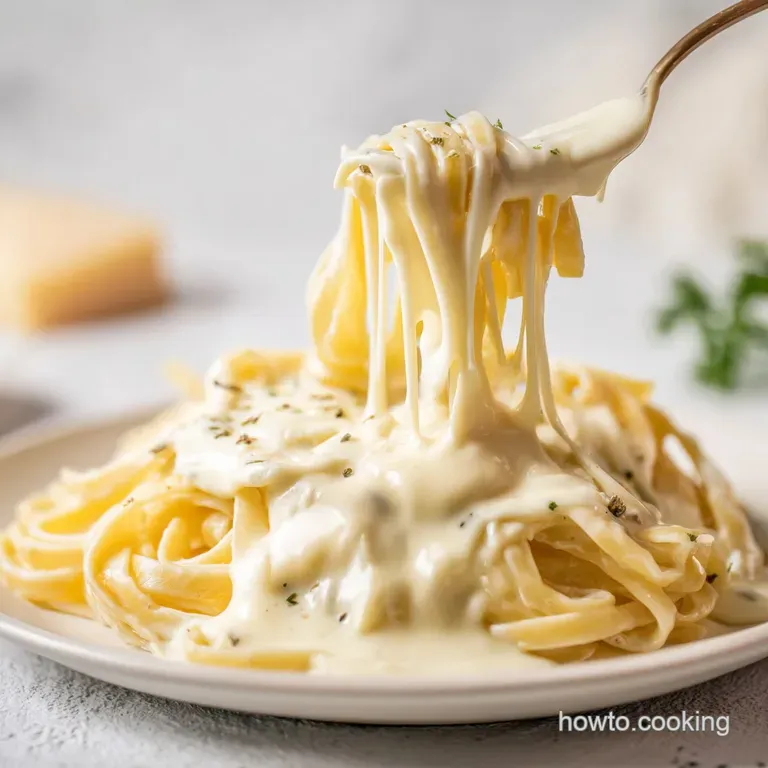
- Time: 5 min active + 5 min cooking = 10 mins
- Flavor/Texture Hook: Velvety and rich with a hint of nutmeg
- Perfect for: Fast weeknight dinners or a cozy date night in
That sharp sizzle of butter hitting a hot pan is the only alarm clock I need when I'm craving comfort food. For a long time, I thought the "secret" to those restaurant style sauces was some weird thickener or an obscene amount of flour.
I spent months making a version that looked okay but felt like eating wet sand because I was using the pre shredded cheese from the bag.
It was a total disaster. The cheese wouldn't actually melt, it just clumped together into these rubbery little balls while the butter separated into a yellow oil slick. I almost gave up on the idea of making it from scratch entirely.
But once I realized that the cellulose coating on bagged cheese is the enemy, everything changed.
Now, I can whip up this homemade alfredo sauce recipe in about ten minutes. It's the kind of meal that feels fancy but costs very little if you're smart about your ingredients. You don't need a culinary degree, just a whisk and a bit of patience with your heat settings.
Best Homemade Alfredo Sauce Recipe Tips
The real struggle with most sauces isn't the ingredients, it's the heat. If you blast your cream and cheese on high, you're basically inviting the sauce to split. I've seen so many people panic when their sauce looks curdled, but usually, it's just because the cheese got too hot and the proteins tightened up and pushed the fat out.
The trick is to treat the cheese like a delicate guest. You want it to melt slowly into the cream, not be shocked by a boiling pot. By pulling the pan off the heat or dropping it to the absolute lowest setting, you create a velvety environment where the Parmesan can fully integrate.
But what about the thickness? Many people add flour to make a roux, but that changes the flavor and makes it feel "heavy" in a bad way. This version relies on the reduction of the cream and the natural thickening power of the cheese. It's a much cleaner taste and feels more authentic to how it should be.
The Smoothness SecretFat Binding: Butter and cream create a stable base that holds the cheese in suspension. Heat Control: Low temperatures prevent cheese proteins from clumping, keeping the texture silky.
| Method | Time | Texture | Best For |
|---|---|---|---|
| Stovetop | 10 mins | Velvety & Glossy | Fresh pasta tossing |
| Oven Bake | 30 mins | Thick & Bubbling | Casseroles or Lasagna |
The Quick Specs
Before we get into the grit, let's look at what's actually happening in the pan. Most people think they need a dozen ingredients, but the magic is really just in the quality of the three main components.
Component Analysis
| Ingredient | Science Role | Pro Secret |
|---|---|---|
| Unsalted Butter | Fat base for flavor | Use European style for more richness |
| Heavy Cream | Liquid emulsifier | Room temperature prevents splitting |
| Parmesan | Thickener & Salt | Grate it yourself for a better melt |
According to the USDA FoodData, the high fat content in heavy cream is what allows it to carry the flavor of the garlic and nutmeg without breaking, which is why we don't need a flour based thickener here.
The Ingredient List
Keep it simple. If you're on a budget, you can still get great results by focusing on the cheese. Don't buy the cheapest powdered stuff in a can; a small wedge of real Parmesan makes a world of difference.
- 1/2 cup (115g) unsalted butter Why this? Provides the rich, buttery foundation
- 1 cup (240ml) heavy cream Why this? Stabilizes the sauce and adds creaminess
- 1 1/2 cups (150g) freshly grated Parmesan cheese Why this? The primary flavor and thickening agent
- 3 cloves (15g) garlic, minced Why this? Adds a savory, aromatic depth
- 1/4 tsp (1.5g) ground nutmeg Why this? Cuts through the richness of the fat
- 1/2 tsp (3g) kosher salt Why this? Enhances all other flavors
- 1/4 tsp (1g) cracked black pepper Why this? Adds a subtle heat and bite
If you find yourself without cream in the fridge, you can use a homemade heavy cream hack using milk and butter to get a similar result.
| Original Ingredient | Substitute | Why It Works |
|---|---|---|
| Heavy Cream | Whole Milk + 1tbsp Flour | Lighter feel. Note: Needs a longer simmer to thicken |
| Parmesan | Pecorino Romano | Saltier and tangier. Note: Reduce added salt |
| Unsalted Butter | Salted Butter | Works fine. Note: Omit the kosher salt in the recipe |
Right then, let's talk about the gear. You don't need anything fancy, but a few specific tools make the process way easier.
Kitchen Tools You Need
You'll want a wide skillet or a sauté pan. The wider the pan, the more surface area the cream has to reduce, which means your sauce thickens faster. Avoid using a deep pot if you can, as it takes longer for the liquid to simmer down.
A whisk is non negotiable. You could use a spoon, but you'll end up with lumps of cheese. A whisk helps you break up those clumps and incorporate air, which gives the sauce that glossy, restaurant style look.
Finally,, get a handheld grater or a food processor for the cheese. As I mentioned, bagged cheese is the enemy here. Grating your own Parmesan ensures that the cheese melts instantly into the cream rather than staying in grainy bits.
Step by step Guide
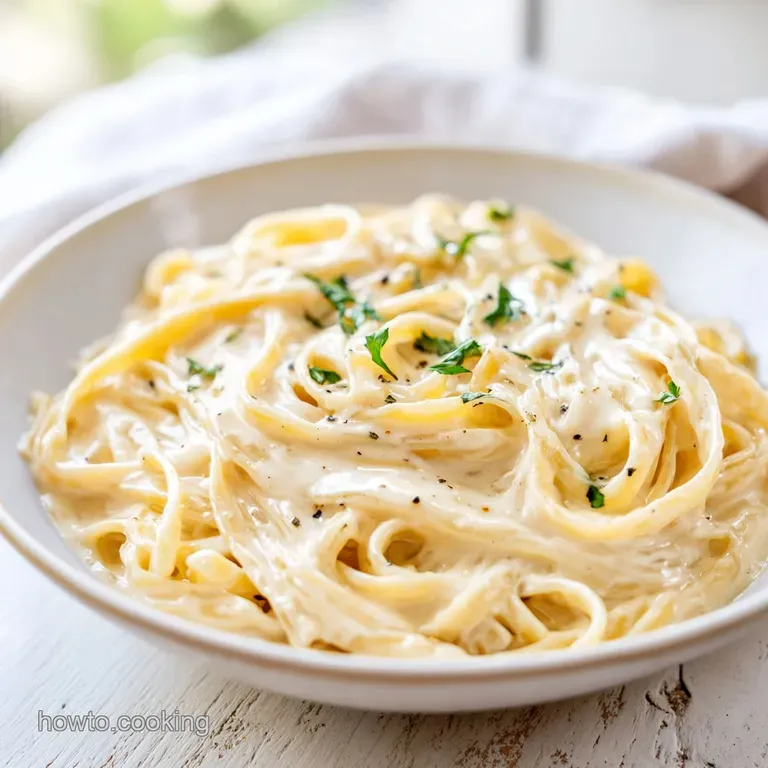
Let's get cooking. Make sure your pasta is boiling in a separate pot so you can toss it in the sauce the second it's ready.
- Melt the butter over medium low heat. Once foaming, add the minced garlic and sauté for about 60 seconds until fragrant but not brown. Note: Browned garlic becomes bitter.
- Pour in the heavy cream and stir in the ground nutmeg.
- Increase the heat slightly to bring the mixture to a gentle simmer for 3–5 minutes until it reduces slightly and thickens.
- Turn the heat to the lowest setting or remove the pan from the heat entirely. Note: This is the most critical step to prevent the cheese from separating.
- Gradually whisk in the freshly grated Parmesan cheese, one handful at a time.
- Whisk vigorously until the sauce is glossy and uniform.
- Stir in the kosher salt and cracked black pepper.
- If the sauce is too thick, whisk in a tablespoon of reserved pasta water until the consistency is velvety.
Chef's Note: If you're using a very hot pan, let it sit for 30 seconds before adding the first handful of cheese. It's better to be too cool than too hot.
Fixing Common Mistakes
Even with a simple homemade alfredo sauce recipe, things can go sideways. Usually, it's a temperature issue or an ingredient quality problem.
Troubleshooting Common Issues
| Issue | Solution |
|---|---|
| Why Your Sauce Is Grainy | This is almost always caused by one of two things: using pre shredded cheese or overheating the sauce. Pre shredded cheese contains potato starch or cellulose to keep it from clumping in the bag, but |
| Why Your Sauce Split | If you see beads of oil floating on top, the sauce has "broken." This happens when the emulsion fails because the heat was too high. You can sometimes save this by whisking in a tiny bit of cold cream |
| Why Your Sauce Is Too Thin | If it feels like soup, you probably didn't simmer the cream long enough or you didn't use enough Parmesan. The cheese is what provides the structure. |
The "Don't Do This" Checklist
- ✓ Never boil the sauce once the cheese is added.
- ✓ Avoid using "Parmesan style" shaker cans.
- ✓ Don't skip the nutmeg; it's the secret flavor bridge.
- ✓ Don't forget to save some pasta water before draining.
- ✓ Avoid high heat during the garlic sauté.
Easy Ingredient Swaps
Depending on what's in your pantry, you might want to tweak this. If you're looking for something a bit healthier, you might try a protein cottage cheese pasta sauce for a massive boost in nutrients.
For those avoiding gluten, this recipe is naturally gluten free, but you can check out my gluten free alfredo sauce for a version that uses different stabilizers for an even silkier finish.
Decision Shortcut
- If you want it richer: Use a knob of extra butter at the very end.
- If you want it zingy: Add a squeeze of fresh lemon juice.
- If you want it heartier: Stir in sautéed mushrooms or spinach.
When you're scaling this up for a crowd, don't just double everything blindly. Double the butter and cream, but only increase the salt and nutmeg by about 1.5x. Spices can become overpowering in larger volumes. If you're doubling the recipe, use your largest skillet to ensure the cream reduces evenly.
Storage and Leftovers
This sauce is a dream for meal prep, though it does change a bit in the fridge. The fats solidify, so it will look like a thick paste when cold. That's totally normal.
Storage Guidelines Store any leftover sauce in an airtight container in the fridge for up to 4 days. For freezing, I don't recommend it for this specific recipe, as the cream often splits during the thawing process. If you must freeze it, use a very low temperature and thaw it slowly in the fridge.
Reheating Tips Never microwave alfredo on high. It will split into oil and clumps. Instead, put it in a small pan over low heat and add a splash of milk or water to loosen it up. Whisk constantly until it becomes velvety again.
Zero Waste Ideas If you have a bit of sauce left that's too small for a meal, use it as a binder for a tuna melt or stir it into a bowl of steamed broccoli. Even the Parmesan rinds from your block of cheese can be tossed into a soup or stock pot to add a deep, salty richness.
What to Serve With It
Since this homemade alfredo sauce recipe is so rich, you need something to cut through that fat. I love serving this with a crisp arugula salad with a sharp lemon vinaigrette. The bitterness of the greens balances the creaminess of the pasta.
If you want to add protein, grilled chicken or sautéed shrimp are the classics for a reason. But if you're feeling adventurous, try adding some seared scallops or even a few sun dried tomatoes for a pop of color and acidity.
Right then, you've got everything you need to nail this. Just remember: grate your own cheese, keep your heat low, and don't be afraid to use that pasta water. Trust me, once you move away from the jarred stuff, you'll never go back.
It's a simple, empowering win in the kitchen that makes any night feel a bit more special.
Recipe FAQs
What are the main ingredients in Alfredo sauce?
Butter, heavy cream, freshly grated Parmesan, garlic, nutmeg, salt, and black pepper. These components combine to create the classic rich and creamy profile.
What is the secret to a good Alfredo sauce?
Use freshly grated Parmesan and keep the heat low. Pre-shredded cheeses contain starches that prevent a smooth melt, and high heat causes the fat to separate from the cream.
Can I use milk instead of heavy cream in my Alfredo sauce?
No, stick with heavy cream. Milk lacks the necessary fat to emulsify with the cheese, resulting in a thin sauce; for a different style of creamy comfort, try our one-pot meal.
How to make Alfredo cream from scratch?
Melt butter over medium low heat and sauté minced garlic for 60 seconds. Stir in heavy cream and nutmeg, simmer for 3 5 minutes, then whisk in Parmesan on the lowest heat setting.
Is it true that pre-shredded cheese works as well as freshly grated?
No, this is a common misconception. Pre-shredded cheese is coated in cellulose or potato starch to prevent clumping, which makes the final sauce grainy.
What to do if the sauce is too thick?
Whisk in a tablespoon of reserved pasta water. This thins the sauce to the desired consistency while maintaining a glossy emulsion.
How should I store and reheat leftover Alfredo sauce?
Store in an airtight container in the fridge for up to 4 days. Reheat slowly and avoid high microwave settings to prevent the sauce from splitting into oil and clumps.
Homemade Alfredo Sauce Recipe