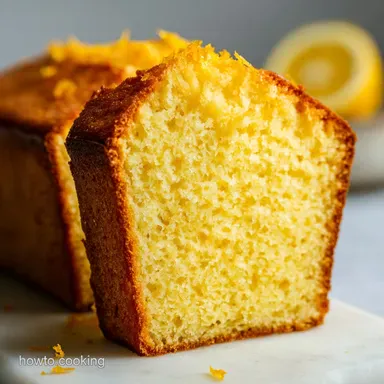
Lemon Pound Cake: Ultra Moist and Velvety
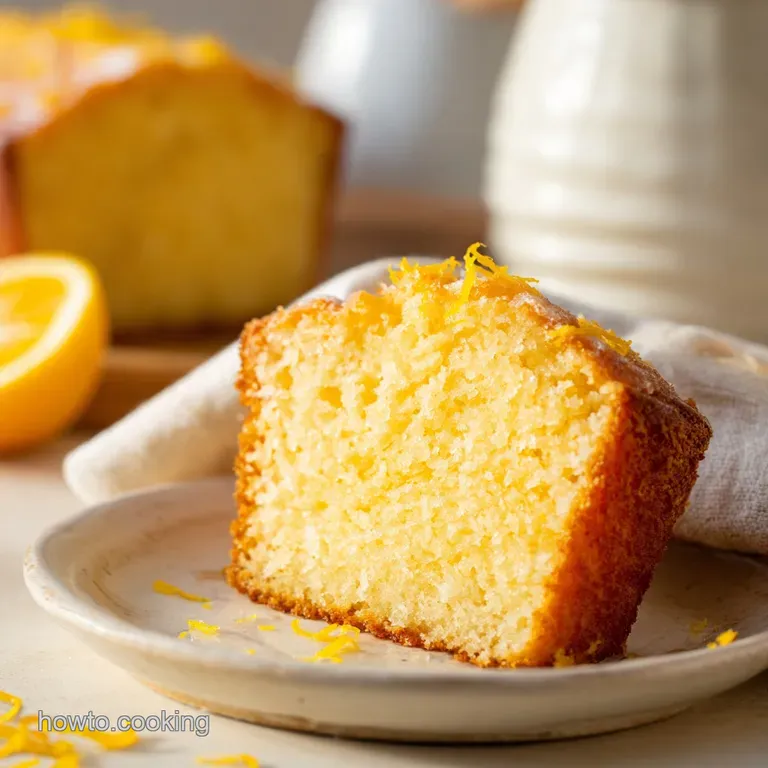
- Time:15 minutes active + 75 minutes baking = Total 1 hours 40 mins
- Flavor/Texture Hook: Tangy, buttery crumb with a shatter thin sugary glaze
- Perfect for: Sunday brunch, afternoon tea, or a crowd-pleasing dessert
The smell of fresh lemon zest hitting softened butter is, for me, the ultimate "weekend" scent. I remember the first time I tried to make a citrus cake and just squeezed the juice in at the end. It tasted fine, but it lacked that punchy, aromatic quality you get from a bakery.
I realized I was ignoring the most powerful part of the fruit: the oils in the skin.
That's why this Lemon Pound Cake centers entirely on the zest. By massaging the lemon peel directly into the sugar, we release those essential oils before the butter even hits the bowl. It transforms the cake from something that just "tastes like lemon" into something that smells like a sunny grove in Italy.
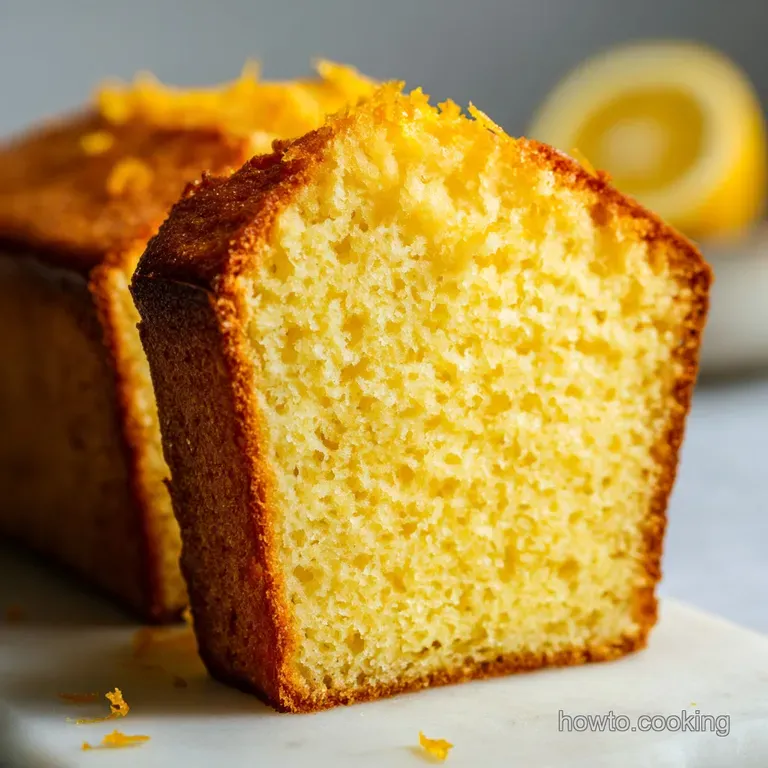
You can expect a tight, velvety crumb that isn't too airy, but definitely isn't heavy. It's that old-fashioned style of cake that feels substantial on a plate. We're going for a bright, zesty profile balanced by the richness of butter, finished with a glaze that adds a sharp, sweet contrast.
The Best Lemon Pound Cake
Right then, let's get into how we actually make this happen. I've spent a lot of time figuring out why some cakes come out dry while others are too dense. The secret is all in the temperature and the mixing method. If your eggs are cold, your batter will break, and you'll end up with a greasy cake.
Trust me on this, just leave your ingredients on the counter for an hour before you start.
When you're working with a Lemon Pound Cake, you're essentially creating an emulsion. We're forcing fat and water (from the milk and eggs) to play nice. If you rush the process or use a mixer on too high a speed during the flour stage, you'll develop too much gluten.
That leads to a rubbery texture instead of a tender one. We want a cake that melts in your mouth, not something you have to chew like a bagel.
I also found that using a slightly lower oven temperature (325°F) is the way to go. Higher heat often browns the edges too quickly, leaving the middle raw. By slowing things down, the heat penetrates the center evenly.
It gives the cake a flat top and a consistent golden hue, which makes it look much more professional when you slice it.
How This Recipe Works
The magic here isn't about fancy tools, but about how the ingredients interact during the bake.
- Zest Infusion: Rubbing zest into sugar breaks the oil sacs in the lemon peel, distributing the flavor evenly throughout the fat.
- Air Incorporation: Creaming butter and sugar creates tiny air pockets that allow the cake to rise without needing heaps of chemical leaveners.
- Protein Structure: The eggs provide the structure and "lift" that prevents the cake from collapsing under the weight of the butter.
- Starch Gelatinization: The all purpose flour binds everything together, creating that signature dense but soft pound cake texture.
Before we dive into the ingredients, it's helpful to see how this version stacks up against the shortcuts people often take. While a mix is faster, the scratch method gives you total control over the tanginess.
| Feature | Scratch Method | Cake Mix Method | Impact |
|---|---|---|---|
| Flavor | Bright, fresh citrus | Artificial lemon notes | Scratch is far more aromatic |
| Texture | Velvety and dense | Spongy and airy | Scratch feels more authentic |
| Control | Adjust sugar/zest | Fixed ratios | Scratch allows for customization |
| Prep Time | 15 mins active | 5 mins active | Mix is faster but less flavorful |
Essential Ingredient Breakdown
I don't believe in "secret" ingredients, just using the right ones. For this cake, the quality of your butter and lemons makes the entire difference.
| Ingredient | Science Role | Pro Secret |
|---|---|---|
| Unsalted Butter | Provides moisture and flavor carrier | Use European style butter for higher fat content |
| Large Eggs | Emulsifier and structure | Room temp prevents the batter from curdling |
| All Purpose Flour | Provides the cake's skeleton | Sift it to avoid clumps and keep it light |
| Lemon Zest | Concentrated aromatic oils | Rub into sugar first for maximum impact |
If you're looking for a different type of cake, perhaps something with a different texture, you might enjoy a velvety funfetti cake for a more celebratory vibe. But for a cozy afternoon, this lemon version is unbeatable.
The Ingredient List
Here is everything you'll need. Please stick to the measurements, as baking is more about chemistry than "vibes."
For the Cake Batter
- 1 cup (225g) unsalted butter, softenedWhy this? High fat content ensures a velvety crumb
- 1.5 cups (300g) granulated sugarWhy this? Stabilizes the butter emulsion
- 2 tbsp (12g) fresh lemon zestWhy this? Primary source of citrus aroma
- 4 large eggs, room temperatureWhy this? Provides lift and structure
- 3 cups (375g) all purpose flour, siftedWhy this? Balanced protein for a sturdy slice
- 0.5 tsp (3g) baking powderWhy this? Adds a tiny bit of extra lift
- 0.5 tsp (3g) saltWhy this? Balances the sweetness and citrus
- 0.5 cup (120ml) whole milk, room temperatureWhy this? Adds moisture and tenderness
- 2 tbsp (30ml) fresh lemon juiceWhy this? Adds a bright, acidic tang
- 1 tsp (5ml) vanilla extractWhy this? Rounds out the lemon flavor
For the Lemon Glaze
- 1 cup (120g) powdered sugarWhy this? Dissolves quickly for a smooth finish
- 2 tbsp (30ml) fresh lemon juiceWhy this? Thins the glaze and adds zip
- 1 tsp (2g) fresh lemon zestWhy this? Visual appeal and extra scent
Quick Ingredient Swaps
| Original Ingredient | Substitute | Why It Works |
|---|---|---|
| Whole Milk | Sour Cream | Same moisture, but adds a slight tang and richness |
| All Purpose Flour | Cake Flour | Lighter protein. Note: Result is softer, less "pound cake" like |
| Granulated Sugar | Coconut Sugar | Similar sweetness. Note: Changes color to brown and adds caramel notes |
| Unsalted Butter | Margarine | Similar fat content. Note: Lacks the rich, creamy flavor of real butter |
The Cooking Process
Let's crack on. I recommend getting your ingredients out early so they can reach room temperature. If you're in a rush, you can put cold eggs in warm water for 5 minutes.
Phase 1: Flavor Infusion and Prep
- Preheat your oven to 325°F (160°C). Grease a 9x5 inch loaf pan and line it with parchment paper. Note: The parchment is a lifesaver for getting the cake out without it breaking.
- Combine the granulated sugar and 2 tbsp lemon zest in a bowl. Use your fingertips to rub the zest into the sugar until it looks damp and smells fragrant. Wait until you can actually smell the lemon filling the room before moving on.
Phase 2: Creating the Emulsion
- Cream the softened butter and your lemon sugar mixture using a mixer on medium high speed. Do this for 3-5 minutes until the mixture is pale and fluffy. If it's still yellow and dense, keep going.
- Add the eggs one at a time. Beat well after each egg. Note: If the batter looks like it's splitting, just add a tablespoon of your flour. Stir in the vanilla extract.
Phase 3: The Final Fold and Bake
- In a separate bowl, whisk together the flour, baking powder, and salt. I highly recommend sifting the flour, as suggested by King Arthur Baking, to ensure no lumps remain.
- Mix your milk and 2 tbsp lemon juice together. Now, alternately add the dry ingredients and the milk mixture to the butter mixture, starting and ending with the flour. Mix on low speed just until combined. If you overmix, the cake will be tough.
- Pour the batter into the pan and bake for 70–80 minutes. Use a toothpick in the center; it should come out clean or with just a few moist crumbs.
Phase 4: The Glazing Finish
- Let the cake cool in the pan for 10 minutes, then move it to a wire rack.
- Whisk the powdered sugar, 2 tbsp lemon juice, and 1 tsp zest together. Drizzle this over the cake while it's still slightly warm so a bit of the glaze soaks in.
Chef's Tip: If your glaze is too thick, add lemon juice a teaspoon at a time. If it's too runny, add a pinch more powdered sugar. You want it to coat the cake, not run off completely.
How to Fix Common Problems
Even the best of us hit a snag. Most issues with a Lemon Pound Cake come down to temperature or mixing.
Troubleshooting Common Issues
| Issue | Solution |
|---|---|
| Why Your Batter Curdled | If the batter looks like cottage cheese, your eggs were likely too cold. This causes the fat in the butter to separate from the liquid in the eggs. It's not a disaster, but it can affect the final tex |
| Why the Cake Sank | A sunken middle usually means the oven door was opened too early, letting out the heat, or you used too much baking powder. Once the structure is set, it's fine, but it looks a bit sad. |
| Why the Crust is Too Dark | If the outside is dark but the inside is raw, your oven might be running hot. This is why I use 325°F. For future bakes, try shielding the top with a piece of foil halfway through. |
Common Mistakes Checklist:
- ✓ Did I rub the zest into the sugar first?
- ✓ Are my eggs and milk actually room temperature?
- ✓ Did I sift the flour to prevent lumps?
- ✓ Did I stop mixing as soon as the flour disappeared?
- ✓ Did I line the pan with parchment paper?
Adjusting the Recipe Size
Sometimes you don't need a giant loaf. Here is how to scale this Lemon Pound Cake without ruining the chemistry.
Scaling Down (Half Batch) Use a smaller 8x4 inch pan. Reduce the baking time by about 20% and start checking at 55 minutes. Since you can't easily use half an egg, crack one egg into a bowl, whisk it, and measure out 2 tablespoons.
Scaling Up (Double Batch) Do not use one giant pan; use two 9x5 inch loaf pans. When doubling, I only increase the salt and baking powder by 1.5x to avoid an "off" taste or an over inflated cake.
If you're baking two cakes at once, lower the oven temp to 300°F (150°C) and extend the time by 10-15 minutes to ensure even heat distribution.
If you love a dense, buttery cake, you might also want to try a classic pound cake for a simpler vanilla version.
| Method | Pan Size | Temp Adjustment | Time Change |
|---|---|---|---|
| Single | 9x5 Loaf | None | 75 mins |
| Half | 8x4 Loaf | None | -20% time |
| Double | 2x 9x5 Loaf | -25°F | +15 mins |
Common Baking Misconceptions
I've heard a lot of "rules" about pound cakes that just aren't true. Let's clear some of that up.
"You don't need room temperature ingredients." Actually, you really do. In a Lemon Pound Cake, the room temperature butter and eggs create a stable emulsion. Cold eggs will shock the butter, causing it to seize and separate. This leads to a cake that doesn't rise evenly and has a greasy mouthfeel.
"Adding more baking powder makes it lighter." Not necessarily. A pound cake is supposed to be dense. If you add too much baking powder, the cake will rise too quickly and then collapse in the center, leaving you with a crater. The lift should come primarily from the creamed butter and eggs.
"You must use a stand mixer." While a KitchenAid makes it easier, you can absolutely do this with a hand mixer or even a whisk and some elbow grease. The important part is the result—the butter and sugar must be pale and fluffy regardless of the tool used.
Storage Guidelines
Because of the high fat content, this cake stays moist longer than a sponge cake.
Fridge Storage Wrap the cake tightly in plastic wrap or store it in an airtight container. It will stay fresh in the fridge for up to 5 days. Just let a slice sit at room temperature for 15 minutes before eating to bring back that velvety texture.
Freezer Storage This cake freezes beautifully. Wrap individual slices in parchment paper and then place them in a freezer bag. They'll last for 3 months. To thaw, you can either leave a slice on the counter or pop it in the microwave for 10 seconds.
Zero Waste Tips Don't throw away those lemon peels after zesting! You can freeze the leftover peels in a small bag and use them to infuse sugar or vinegar. Also, if you have leftover glaze, it's a great addition to a bowl of fresh berries or drizzled over a piece of toast.
Perfect Complements
A Lemon Pound Cake is a star on its own, but a few additions can turn it into a real event.
Fresh Fruit Pairings Fresh raspberries or blueberries are the gold standard here. The tartness of the berries cuts through the richness of the butter. I love serving a slice with a dollop of whipped cream and a handful of macerated strawberries.
Beverage Matches A strong Earl Grey tea is the best match because the bergamot notes in the tea mirror the citrus in the cake. If you're serving this for brunch, a crisp Prosecco or a cold glass of iced coffee provides a refreshing contrast to the dense crumb.
Serving Suggestions For a more "dessert" feel, warm a slice in the oven for 2 minutes and serve it with a scoop of vanilla bean ice cream. The way the ice cream melts into the warm, zesty cake is honestly just brilliant.
Recipe FAQs
What is the secret to a professional lemon flavor?
Rub the lemon zest into the granulated sugar. This process releases the essential oils from the zest, creating a much more intense citrus aroma and flavor than simply mixing them.
Why did my batter look curdled?
Your eggs were likely too cold. This causes the fat in the butter to separate from the liquid in the eggs; ensure all ingredients are at room temperature for a smooth emulsion.
How to prevent the cake from sinking in the middle?
Keep the oven door closed until the cake is nearly finished. Opening the door too early lets out heat and can cause the cake to collapse before the structure is set.
Can I substitute the whole milk with buttermilk?
Yes, this adds a pleasant tang. If you love the acidic profile found in a buttermilk pie, this substitution works well for a more complex flavor.
How to glaze the cake for the best finish?
Drizzle the glaze over the cake while it is still slightly warm. This allows the glaze to set properly while keeping the exterior moist.
How long can I store the cake in the freezer?
Up to 3 months. Wrap individual slices in parchment paper before placing them in a freezer bag to prevent them from sticking together.
Is it true that I should bake this at 350°F to save time?
No, this is a common misconception. Baking at 325°F is essential to ensure the center cooks through completely without the outside crust becoming too dark.
Moist Lemon Pound Cake