No Knead Butterhorn Dinner Rolls: Overnight Sensation
- The Fluffiest No-Knead Butterhorn Rolls: Overnight Sensation
- The Science Behind Effortless, Melt-In-Your-Mouth Rolls
- Essential Ingredients for No-Knead Butterhorn Rolls and Expert Swaps
- Baking Your Best Butterhorns: Detailed Step-by-Step Instructions
- Mastering the No-Knead Technique: Expert Tips and Troubleshooting
- Storing and Freezing Homemade Butterhorn Rolls
- The Perfect Accompaniments for Warm Dinner Rolls
- Recipe FAQs
- 📝 Recipe Card
The Fluffiest No-Knead Butterhorn Rolls: Overnight Sensation
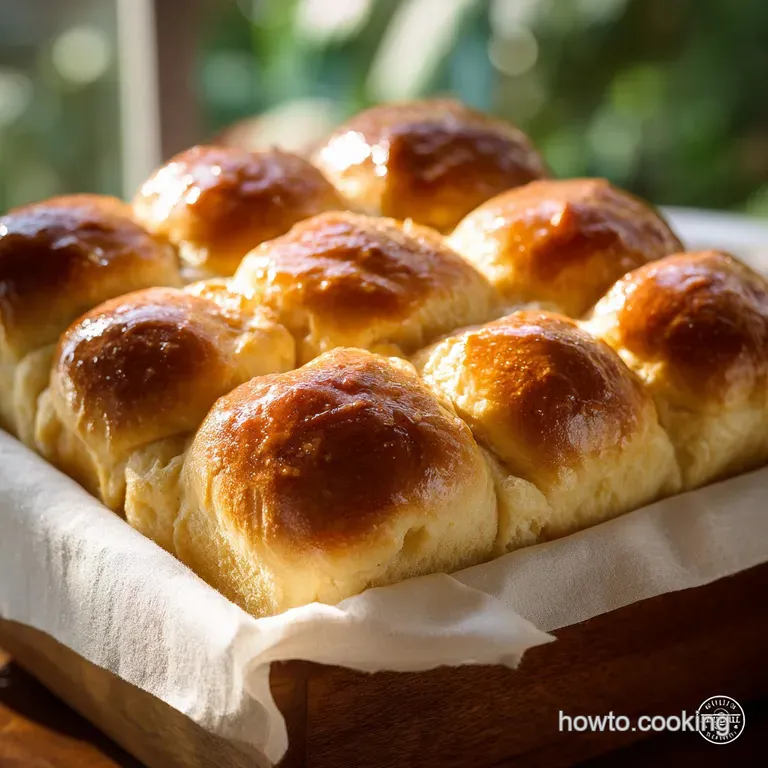
That aroma. You know the one warm yeast, melting butter, and something deeply comforting that signals the start of a serious family meal. These fluffy, buttery clouds are not just rolls; they are the heart of the dinner table, destined to be slathered in butter and devoured moments after they cool.
Making the ultimate No Knead Butterhorn Dinner Rolls is genuinely easier than you think, relying on simple pantry staples and a little patience.
Honestly, who has time for twenty minutes of grueling kneading, especially when prepping for a big gathering? Not me, definitely not you. This recipe is a genuine lifesaver for busy weeks or big holiday meals, relying on the fridge to do the heavy lifting while you sleep, which is the definition of a great homemade roll.
The resulting depth of flavor from the cold proof is huge, yet the actual effort is almost zero.
If you’ve ever been intimidated by yeast bread before, stop right now. I promise this method is foolproof, relying on time instead of brute force to build structure. Get ready to bake the best, softest batch of No Knead Butterhorn Dinner Rolls you’ve ever tasted.
Let's crack on and get this easy bread recipe into your baking rotation!
The Science Behind Effortless, Melt-In-Your Mouth Rolls
The secret to incredible No Knead Butterhorn Dinner Rolls isn't muscle; it's chemistry and a little bit of patience. This recipe flips the traditional bread making process on its head, swapping intense labor for cold, slow development, giving you the best of both worlds maximum flavor, minimum elbow grease.
This is the key to mastering these amazing No Knead Butterhorn Dinner Rolls .
The Magic of the Slow Fermentation Process
This process isn't just about convenience, though that's a massive bonus, let's be honest. When you let the dough rise slowly in the fridge (the cold proof), the yeast works at a slower, steadier rate.
This extended period allows the yeast to produce complex organic acids, which is where the deep, slightly tangy flavor of high-quality, artisan bread comes from. It takes these everyday No Knead Butterhorn Dinner Rolls from "good" to "wow."
Why 'No-Knead' Doesn't Mean 'No Structure'
Kneading forces gluten strands to align instantly, building strength but often sacrificing tenderness in enriched doughs. Cold fermentation allows those gluten strands to build structure slowly and gently over hours, without human interference.
The long contact time between the flour and the liquid also contributes significantly. This passive approach is why the final product, these gorgeous No Knead Butterhorn Dinner Rolls , remain so unbelievably tender.
A Brief History of the Classic Butterhorn Shape
The butterhorn, or crescent roll, shape isn't merely aesthetic; it’s highly functional, maximizing flakiness. When you roll the dough wedge tightly, you create dozens of delicate, thin layers of dough separated by air.
These trapped layers inflate and trap steam during baking, making the roll unbelievably light and airy inside. It's part of what makes the No Knead Butterhorn Dinner Rolls shape so iconic.
Developing Gluten with Time, Not Muscle
When I first started baking yeast bread, I thought the recipe would fail unless my hands were covered in dough and my arms were aching. What a complete waste of effort! Time, particularly cold time, is the most powerful tool for gluten development, especially in enriched doughs like this one that contain fat and sugar.
Trust the clock, not your biceps.
The Role of High Hydration in Fluffiness
You might notice this dough is slightly wetter than a typical dinner roll dough, perhaps even a little sticky when it emerges from its cold slumber. That higher hydration is absolutely critical for the texture.
It ensures a lighter, more pillowy crumb and actively prevents that dry, cardboard texture that nobody wants in their dinner rolls.
Achieving the Perfect Golden Crust
The sugar and fat in this enriched dough play a crucial role in achieving that deep, beautiful golden crust through efficient caramelization and the Maillard reaction. We bake these delicious No Knead Butterhorn Dinner Rolls at a slightly lower temperature (375°F/190°C) compared to standard lean bread.
This calibration allows the center to fully cook and puff up before the exterior gets too dark.
Essential Ingredients for No-Knead Butterhorn Rolls and Expert Swaps
You absolutely do not need fancy tools or niche ingredients to make truly spectacular No Knead Butterhorn Dinner Rolls (NKBR #9). The magic here lies in the quality of the basics and understanding exactly how they interact. This is the ultimate, tasty bread recipe built from simple foundations.
Choosing the Right Flour: Bread vs. All-Purpose
I specifically call for standard all-purpose flour here because we are targeting maximum tenderness, not a chewy, tough texture. Bread flour has too much protein, which can result in a chewier, denser roll.
If you only have bread flour, I strongly recommend reducing the hydration slightly by using about 1 tablespoon less milk.
Optimizing Yeast Activation Temperature
Instant yeast is the key to making this recipe so fast and easy to mix initially. Yeast thrives around 105°F (40°C), which should feel warm but comfortable to the touch. If the liquid (milk and melted butter) is too cold, the yeast will be sluggish and slow to activate.
If it’s too hot and I mean scalding you will kill the yeast instantly, leaving you with a dense brick of dough. Rule of thumb: If it burns your finger, it will kill your yeast.
Clarified Butter vs. Melted Butter: Which is Best?
We are keeping it simple by using plain melted unsalted butter in the dough. While clarified butter (or ghee) is pure fat, using melted whole butter here adds a little bit of extra moisture and milk solids.
These milk solids caramelize beautifully during baking, contributing to the wonderfully rich flavor and soft interior of these classic No Knead Butterhorn Dinner Rolls .
Dairy Substitutions for a Lighter Roll
Life happens, and sometimes you need to swap ingredients. Don't panic; most changes work out just fine!
| Ingredient | Viable Substitution | Notes |
|---|---|---|
| Whole Milk | Full fat Oat Milk or Half and Half | Oat milk keeps the texture rich; Half and half makes it decadently richer! |
| Unsalted Butter | high-quality Vegan Butter Stick | Use the same volume; ensure your chosen vegan butter has a high fat content. |
| Eggs | Flax Egg (for texture only) | Use 1 tbsp ground flax + 3 tbsp water per egg. Expect the texture to be slightly denser. |
Baking Your Best Butterhorns: Detailed step-by-step Instructions
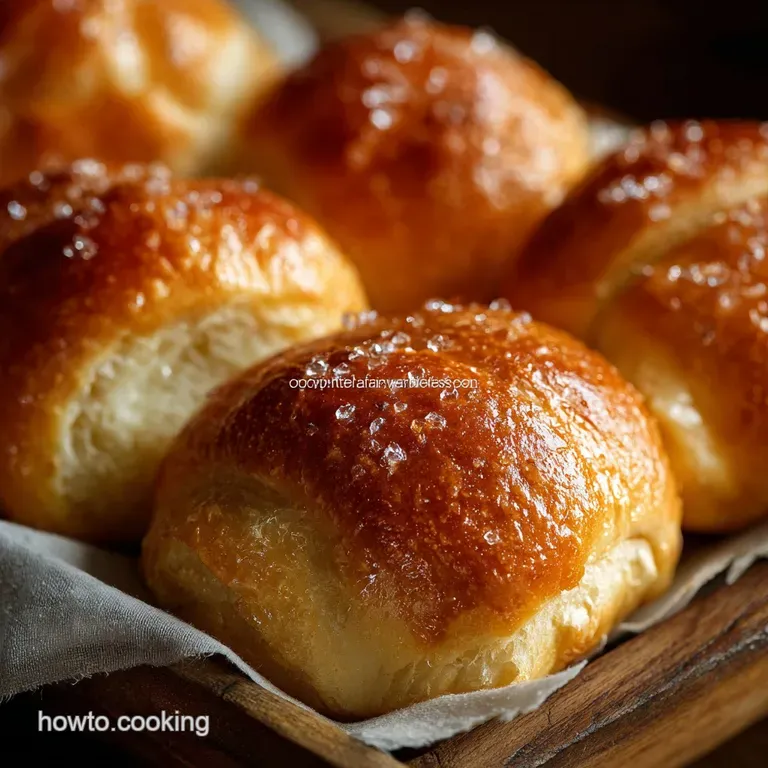
This section walks you through creating the perfect batch of No Knead Butterhorn Dinner Rolls (NKBR #11), starting with the initial mix and ending with that perfect golden finish. Remember, the fridge is your best assistant!
Phase One: Preparing the Shaggy Dough (The Initial Mix)
In your large mixing bowl, whisk together all the dry ingredients first flour, instant yeast, sugar, and salt. Make sure they are thoroughly combined. Then, dump in the wet stuff: the slightly warm milk, the cooled melted butter, and the beaten eggs.
Mix quickly with a wooden spoon or spatula until a sticky, shaggy dough forms. Stop mixing when there is absolutely no dry flour left visible in the bowl. This initial active stage should take about 90 seconds, tops.
The Overnight Rest: Cold Proofing Protocol
Cover the bowl tightly with plastic wrap or a fitted lid. I mean tightly ; you want that beneficial CO2 trapped inside. Now, walk away and put the dough straight into the refrigerator for a slow, cold fermentation of 12 to 18 hours (you can push it up to 24 if needed).
This long, cold slumber is the actual genius behind these incredibly delicious No Knead Butterhorn Dinner Rolls . (NKBR #12)
Shaping the Classic Crescent Rolls
Once the dough has visibly doubled and smells slightly yeasty, turn the cold dough out onto a very lightly floured surface. The dough will still be soft and maybe a little sticky, but resist the urge to dump on half a cup of flour!
Divide the dough in half and roll one piece into a large, uniform circle, roughly 12 inches (30 cm) in diameter and about ¼ inch thick. Cut the circle into 8 equal wedges, like slicing a pizza.
Starting at the wide end of each wedge, tightly roll the dough towards the point, creating that classic crescent shape. Place the finished roll point down onto your prepared, parchment lined baking sheets.
Keep your hands lightly floured while shaping these delightful No Knead Butterhorn Dinner Rolls (NKBR #13).
Bake Time and Temperature Calibration
Cover the shaped rolls loosely and let them rise in a warm, draft free spot for the second proof (45 to 60 minutes). This is a critical stage don't rush it, or your rolls will be dense and won't rise fully in the oven. Preheat your oven to 375°F (190°C).
Once puffy, bake the rolls for 18– 20 minutes until they achieve that deep, enviable golden brown color. Pro Tip: Immediately brush the hot rolls generously with 2 tablespoons of melted butter when they come out of the oven.
This creates that irresistible soft, shiny, and flavorful crust that everyone loves.
Mastering the No-Knead Technique: Expert Tips and Troubleshooting
Even though these are No Knead Butterhorn Dinner Rolls , (NKBR #14) things can still occasionally go sideways if you miss a temperature cue or mismeasure the flour. I’ve made all the common mistakes, so you don't have to repeat my past failures.
The Windowpane Test (Even without Kneading)
Even though we skip the kneading, you can still test for successful gluten development after the cold proof. Pinch off a small piece of dough and try to gently stretch it between your fingers into a very thin sheet without tearing.
If you can see light faintly through it (the "windowpane"), the gluten is developed beautifully. If it tears instantly, let the dough sit on the counter for 30 minutes to warm up and continue developing before shaping.
Identifying and Fixing a Sticky Dough
This dough is meant to be soft and enriched, but if it's genuinely impossible to handle, you likely added too much liquid or didn't measure the flour properly. Dust the shaping surface very lightly with flour, and lightly dust your hands.
Work quickly, as the colder the dough, the easier the No Knead Butterhorn Dinner Rolls (NKBR #15) are to shape. If the dough warms up too much, pop it back into the fridge for 20 minutes before continuing.
Preventing Rolls from Drying Out During Baking
The enemy of fluffiness is dry heat, especially in a long bake like this. Make sure your shaped rolls are placed far enough apart that they don't touch initially, allowing for even heat circulation.
If your oven tends to brown things too quickly, lightly cover the rolls with a loose sheet of aluminum foil halfway through baking to prevent the tops from scorching.
Storing and Freezing Homemade Butterhorn Rolls
Once you taste freshly baked No Knead Butterhorn Dinner Rolls (NKBR #16), you'll understand why it's hard to keep leftovers. But if you succeed in saving some, knowing how to store them is crucial for maintaining that tender texture.
Best Practices for Short Term Storage
Baked rolls, particularly those brushed with butter, will stay delightfully fresh for 2 3 days when stored in an airtight container at room temperature. They are highly prone to drying out and going stale, so ensure the container is truly sealed.
Crucially, never, ever put warm rolls straight into a container; the trapped steam will make them instantly soggy.
How to Freeze Dough Before or After Baking
This recipe freezes beautifully, making it perfect for preparing ahead of time. You can freeze the shaped rolls (after the second rise but before baking). Place them on a tray and flash freeze them until solid (about 1 hour), then transfer them immediately to a heavy duty freezer bag for up to 3 months. When ready to bake your frozen No Knead Butterhorn Dinner Rolls (NKBR #17), thaw them overnight in the fridge, then let them sit on the counter for 90 minutes for the final proof before baking as directed. If you love freezing dough, this method works wonderfully for my Garlic Butter Bread Rolls: Soft, Fluffy, Easy Homemade Dinner Rolls too!
Reheating Rolls Without Sacrificing Softness
To bring day-old rolls back to that 'fresh out of the oven' feeling, wrap them loosely in aluminum foil. Reheat them in a 300°F (150°C) oven for about 10 minutes. The foil traps the moisture that the rolls lost overnight, keeping the crust soft and the inside steaming hot and tender.
The Perfect Accompaniments for Warm Dinner Rolls
These buttery, No Knead Butterhorn Dinner Rolls (NKBR #18) are truly so versatile. They stand up perfectly to rich, savory meals because of their enriched dough. They are phenomenal for soaking up the delicious, sticky pan sauce left over from a meal like my Balsamic Chicken and Vegetables: Sticky One-Pan Dinner Recipe .
They are also a magnificent partner for a rich, creamy Butternut Squash Soup in the winter. Just make sure you always serve them warm, sliced, and loaded with extra butter.
Chef's Note: Don't limit the No Knead Butterhorn Dinner Rolls (NKBR #19) to just dinner. Their subtle sweetness makes them fantastic split open and served alongside jam and clotted cream for a luxurious weekend brunch treat.
I hope this recipe for No Knead Butterhorn Dinner Rolls (NKBR #20) transforms your entire approach to baking yeast bread. Making fluffy dinner rolls doesn't need to be a multi hour chore involving elbow grease and sore muscles.
Rely on the cold proof, rely on the melted butter, and enjoy the praise you get when you serve these truly magnificent, tasty bread rolls. This easy bread recipe will become your new go-to homemade rolls recipe, guaranteed.
Recipe FAQs
Since there is no kneading, how does the dough develop a sufficient gluten structure?
The success of the no-knead method relies on time rather than mechanical manipulation to develop gluten. As the dough rests during the long, cold overnight proof, enzymes naturally break down the starch, allowing the proteins to align and form a strong, elastic network.
This results in that beautiful, fluffy interior without any manual effort.
Why didn't my dough rise properly after the overnight chill?
Yeast inactivity is typically due to the liquid being too hot initially (which kills the yeast) or insufficient time for the cold proofed dough to wake up. Ensure your yeast is fresh and the liquid temperature is lukewarm (around 105-110°F) when mixing.
If the dough has been chilled, allow it 1 to 2 hours at room temperature before shaping to encourage yeast activation.
Can I bake these rolls the same day instead of doing an overnight rise?
Yes, while the overnight chill optimizes flavor depth, you can certainly expedite the process. Allow the dough to proof at room temperature until doubled in size (1.5 to 2 hours), shape the rolls, and then proceed with the final proof (about 45 minutes) before baking.
Note that the resulting flavor will be slightly less complex than the cold proofed version.
My finished rolls look dry and pale. What went wrong?
A pale exterior often indicates that your oven temperature was running slightly cool or the bake time was too short to achieve the desired browning. To ensure a rich, golden finish, make sure you apply a generous egg wash (or melted butter/milk wash) right before placing the shaped rolls into the oven.
This seals in moisture and promotes a glossy, appealing crust.
Can I make these butterhorns dairy-free or vegan?
Absolutely. To achieve a vegan butterhorn, substitute the whole milk with a creamy, plain non-dairy alternative like oat or soy milk. Crucially, replace the traditional butter with a high-quality, high fat vegan butter block, which is essential for achieving the signature flakiness and rich flavor of the roll.
How should I store leftover baked rolls, and how long do they stay fresh?
Store leftover rolls in an airtight container at room temperature for up to three days to maintain freshness. For the very best results, we highly recommend reheating them briefly (5-8 minutes) in a 350°F oven before serving, which softens the interior crumb and restores the delicate crust.
Can I freeze the dough or the finished butterhorn rolls?
Both options work well. To freeze unbaked dough, shape the rolls first, freeze them on a baking sheet until solid, then transfer them to a freezer bag; bake straight from the freezer, adding 5-10 minutes to the bake time.
Baked rolls should be thoroughly cooled, wrapped tightly, and can be frozen for up to two months before being thawed and reheated.
No Knead Butterhorn Rolls Recipe
Ingredients:
Instructions:
Nutrition Facts:
| Calories | 235 kcal |
|---|---|
| Fat | 11 g |
| Fiber | 1 g |
