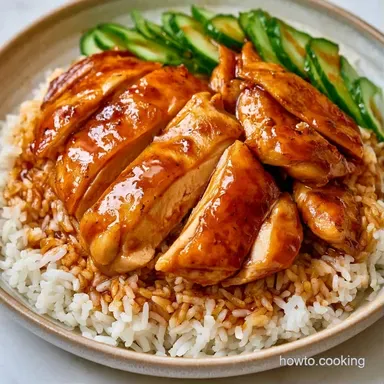
Nongs Khao Man Gai: Homemade Thai Chicken Rice
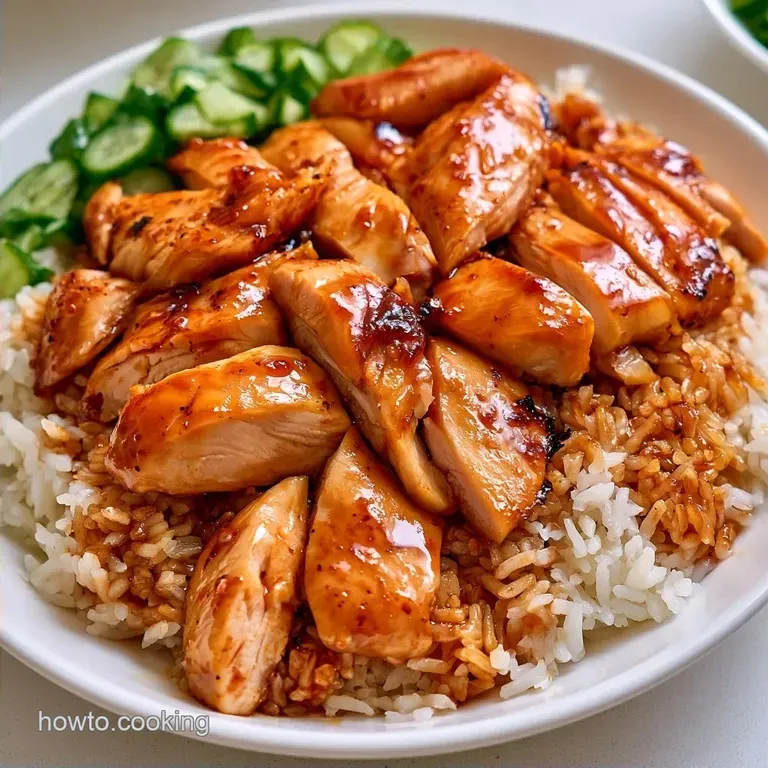
- Time: 30 min active + 1 hour 30 mins cooking
- Flavor/Texture Hook: Fragrant, garlic infused rice with tender chicken
- Perfect for: Hearty weeknight dinner or meal prep
Nongs Khao Man Gai
That smell of simmering ginger and lemongrass hitting the air is the best part. But let's be real, most home attempts at this end up with chicken that feels like a rubber band and rice that's just... wet. I've been there, staring at a pot of bland, overcooked bird and wondering where it went wrong.
The problem usually happens because people treat the chicken like a potato and just boil it. That tightens the muscle fibers. This Nongs Khao Man Gai approach fixes that by using a gentle steep. You get that tender, juicy meat that actually melts in your mouth.
We're going to use minimal tools here. A big pot and a rice cooker do all the heavy lifting. It's a straightforward process that focuses on fresh flavors and a punchy sauce to bring everything together.
Why Most Recipes Fail
The Steep Method: Boiling chicken ruins the texture. Bringing water to a simmer and then turning off the heat allows the meat to cook gently.
Toasting the Rice: Most people just dump rice and water together. Sautéing the grains in chicken fat first adds a nutty layer and stops the rice from becoming mushy.
The Sauce Balance: A bland sauce kills the dish. Using fermented soybean paste provides a salty, funky depth that offsets the lean chicken. If you like other hearty proteins, you might also enjoy this Poor Man's Steak recipe for a different kind of comfort food.
Basic Tools You Need
No specialized equipment is required here. For the chicken, make sure you have a large stockpot (at least 6 quarts). When it comes to the rice, a standard rice cooker is the most convenient option, though a heavy bottomed pot with a tight lid works perfectly too.
To achieve a clear, golden broth for the rice, a fine mesh strainer is essential. You will also need a blender or a small food processor to ensure the sauce is smooth and properly emulsified.
Gathering Your Essentials
For the Poached Chicken
- 1 whole chicken (approx 3.5 lbs)
- 4 quarts water
- 2 inches ginger, sliced into coins
- 4 cloves garlic, smashed
- 2 stalks lemongrass, bruised
- 1 tbsp salt
For the Fragrant Rice
- 2 cups Jasmine rice, rinsed until clear
- 2 tbsp rendered chicken fat or olive oil
- 3 cloves garlic, minced
- 2.5 cups reserved chicken poaching broth
- 0.5 tsp salt
For the Signature Ginger Sauce
- 0.25 cup fermented soybean paste (Taochiao)
- 3 tbsp low sodium soy sauce
- 2 tbsp rice vinegar
- 1 tbsp honey
- 2 tbsp fresh ginger, finely grated
- 2 cloves garlic, minced
- 1 tsp toasted sesame oil
- 2 Thai bird's eye chilies, finely chopped
For the Thai Style Pickles
- 1 medium cucumber, thinly sliced
- 1 small carrot, julienned
- 0.25 cup rice vinegar
- 1 tbsp honey
- 0.5 tsp salt
Ingredient Substitutions
| Original Ingredient | Substitute | Why It Works |
|---|---|---|
| Rendered Chicken Fat | Olive Oil | Similar fat content. Note: Lacks the deep poultry flavor |
| Honey | Brown Sugar | Provides similar sweetness and viscosity |
| Fermented Soybean Paste | Miso Paste | Similar salty, fermented profile. Note: Use light miso for closer taste |
The fermented soybean paste is the backbone of the Nongs Khao Man Gai flavor. If you can't find Taochiao, Miso is your best bet, though it's slightly sweeter.
The Recipe Specs
Ingredient Deep Dive
| Ingredient | Role | If You Don't Have It |
|---|---|---|
| Jasmine Rice | Aromatic base | Basmati (though texture differs) |
| Lemongrass | Citrusy aroma | Lemon zest (use sparingly) |
| Ginger | Warmth and zing | Ground ginger (not recommended) |
| Taochiao | Umami depth | Miso paste |
The Jasmine rice is non negotiable for that authentic fragrance. Rinsing it until the water runs clear removes excess starch and prevents clumping.
Cooking Method Comparison
| Feature | Stovetop Steep | Oven Baked Rice |
|---|---|---|
| Texture | More tender chicken | More consistent rice |
| Speed | Faster overall | Slower, passive |
| Effort | Low | Very Low |
From Prep to Plate
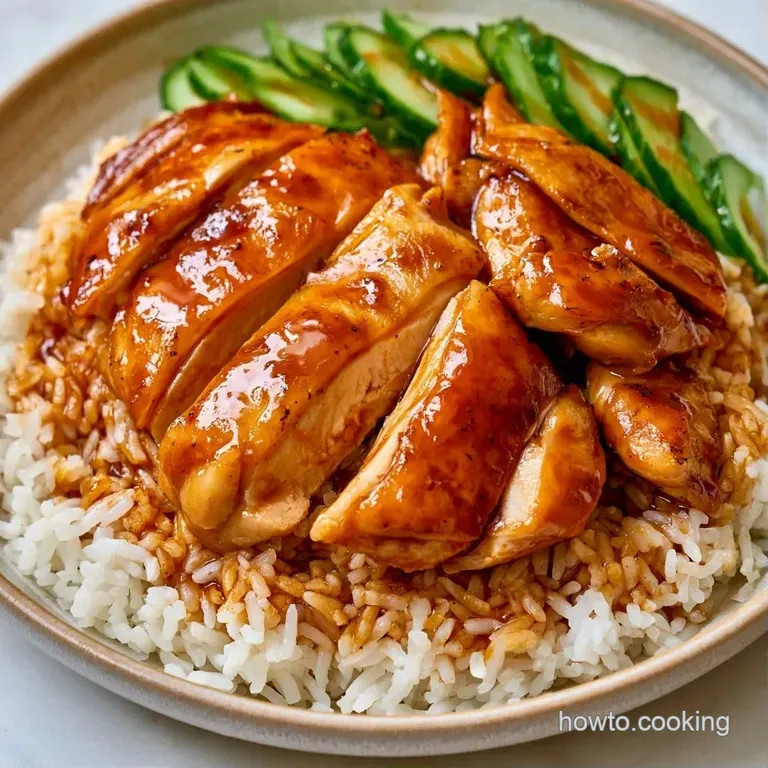
Phase 1: The Gentle Poach
- Place the whole chicken in a large stockpot. Add water, sliced ginger, smashed garlic, bruised lemongrass, and 1 tablespoon of salt.
- Bring the water to a simmer until small bubbles break the surface, then turn off the heat.
- Cover the pot with a tight lid. Let the chicken steep in the hot liquid for 45-60 mins until the thickest part of the thigh hits 165°F.
- Remove chicken and set aside to cool. Strain the poaching broth through a fine mesh strainer.
Phase 2: The Garlic Infused Rice
- Heat chicken fat or olive oil in a rice cooker or pot. Sauté minced garlic until it smells nutty and turns pale gold.
- Stir in the rinsed Jasmine rice. Toast for 2-3 mins until grains look translucent.
- Add 2.5 cups of reserved poaching broth and salt. Cook using standard rice cooker settings or simmer covered for 15-20 mins.
Phase 3: The Sauce and Pickles
- Blend fermented soybean paste, soy sauce, rice vinegar, honey, grated ginger, minced garlic, sesame oil, and chopped chilies until smooth and glossy.
- Toss sliced cucumber and julienned carrots with rice vinegar, honey, and salt. Let them sit for 10 mins to pickle.
- Slice the chicken into precise pieces and serve over the rice with a side of ginger sauce and pickles.
Chef's Note: To get a velvety skin, plunge the chicken into an ice bath for 5 mins immediately after poaching. It stops the cooking and sets the gelatin.
Pro Tips and Pitfalls
Preventing Rubber Chicken
If you keep the water boiling, the muscle fibers contract and get chewy. The "steep" method ensures the heat penetrates slowly. If you see a rolling boil, kill the heat immediately.
Fixing Mushy Rice
Mushy rice happens when there's too much liquid or the rice wasn't rinsed. Always measure your poaching broth accurately. If it happens, spread the rice on a baking sheet and pop it in a 300°F oven for 5 mins to dry out.
Enhancing Sauce Punch
If the sauce tastes too salty, add a pinch more honey. If it lacks zing, a splash of extra rice vinegar usually does the trick.
| Problem | Fix |
|---|---|
| Chicken is undercooked | Return to hot broth for 10 mins |
| Rice is too sticky | Rinse rice more thoroughly next time |
| Sauce is too thick | Thin with 1 tbsp of poaching broth |
Keeping It Fresh
Keep the poached chicken and rice in separate containers. Both will stay fresh in the refrigerator for about 3 days.
To reheat the rice, add a tablespoon of water and microwave for 1-2 minutes to steam the grains back to tenderness. For the chicken, serve it cold or gently warmed to keep it from drying out.
Avoid wasting the poaching liquid, as it's packed with flavor. Freeze it in ice cube trays to stir into future stir fries or a quick soup.
Flavor Variations to Try
For Extra Ginger Heat: Grate an extra tablespoon of fresh ginger into the sauce. This gives Nongs Khao Man Gai a sharper, more warming kick.
For a Fiber Boost: You can use brown rice, but you'll need to increase the poaching broth by 20% and extend the cooking time. It changes the texture but keeps the flavor profile.
For a Low Sodium Option: Swap the soy sauce for coconut aminos and reduce the salt in the poaching liquid.
If you're looking for another fresh side to go with this, my German Potato Salad recipe offers a great tangy contrast.
Decision Shortcut: - More tang? → fold in 1 tsp lime juice - Extra spice? → add 1 more bird's eye chili - Richer rice? → add 1 tsp butter at the end
Presentation Tips
Place a generous mound of the garlic rice on a flat plate. Slice the chicken across the grain into 1/2 inch thick pieces and fan them out across the rice.
Put the ginger sauce in a small dipping bowl on the side rather than pouring it over the top. This lets you control the flavor of each bite.
Pile the cucumber and carrot pickles on the side for a pop of color. The bright orange and green against the white rice and golden chicken makes the plate look fresh and intentional.
Final Checkpoints for Nongs Khao Man Gai
- Chicken Temp: 165°F (74°C) internal.
- Rice Texture: Fluffy, distinct grains, not a clump.
- Sauce Consistency: Pourable but thick enough to coat a spoon.
Making Nongs Khao Man Gai at home is all about patience during the poach and precision with the rice. Once you get the hang of the steep method, you'll never go back to boiling your chicken again. It's a hearty, fresh meal that brings a bit of street food magic to your kitchen.
Critical Sodium Levels
2100 mg 2,100 mg of sodium per serving (91% 91% of daily value)
The American Heart Association recommends a limit of no more than 2,300 mg of sodium per day, and an ideal limit of no more than 1,500 mg for most adults.
Strategies to Reduce Sodium
-
Reduce Soybean Paste-30%
Cut the fermented soybean paste (Taochiao) by half or substitute it with a small amount of white miso to significantly lower the salt concentration.
-
Minimize Poaching Salt-25%
Reduce the 1 tbsp of salt used for poaching the chicken by half; the ginger and lemongrass already provide a strong aromatic base.
-
Swap the Soy Sauce-20%
Replace the low sodium soy sauce with coconut aminos, which provides a similar savory flavor with much less sodium.
-
Adjust Salad Seasoning-15%
Eliminate the 0.5 tsp salt in the cucumber salad and instead increase the rice vinegar or add freshly cracked black pepper for zest.
-
Enhance Fresh Aromatics
Increase the amounts of fresh ginger, garlic, and lemongrass to boost the flavor profile without relying on sodium.
Recipe FAQs
How to apply the signature sauce?
Drizzle it directly over the sliced chicken once plated. This provides a salty, funky contrast to the lean meat and fragrant rice.
Can I substitute water with poaching broth in the rice cooker?
Yes, it is required for the best flavor. Using the reserved chicken broth ensures the Jasmine rice is savory and aromatic.
Is it true that boiling the chicken is the best way to ensure it's cooked?
Not true. Boiling tightens the meat and makes it rubbery, whereas steeping in hot liquid preserves the moisture.
Why is the rice toasted in fat before simmering?
Toasting adds a nutty depth and prevents mushiness. If you enjoyed controlling the rice texture here, see how we manage starch and acidity in our German Potato Salad.
What should I use if I lack rendered chicken fat?
Use olive oil. It performs the same function of sautéing the minced garlic and toasting the Jasmine rice grains.
Nongs Khao Man Gai Recipe