Pan Seared Lamb Chops: Garlic Butter Method
- Time: Active 10 minutes, Passive 10 minutes, Total 20 minutes
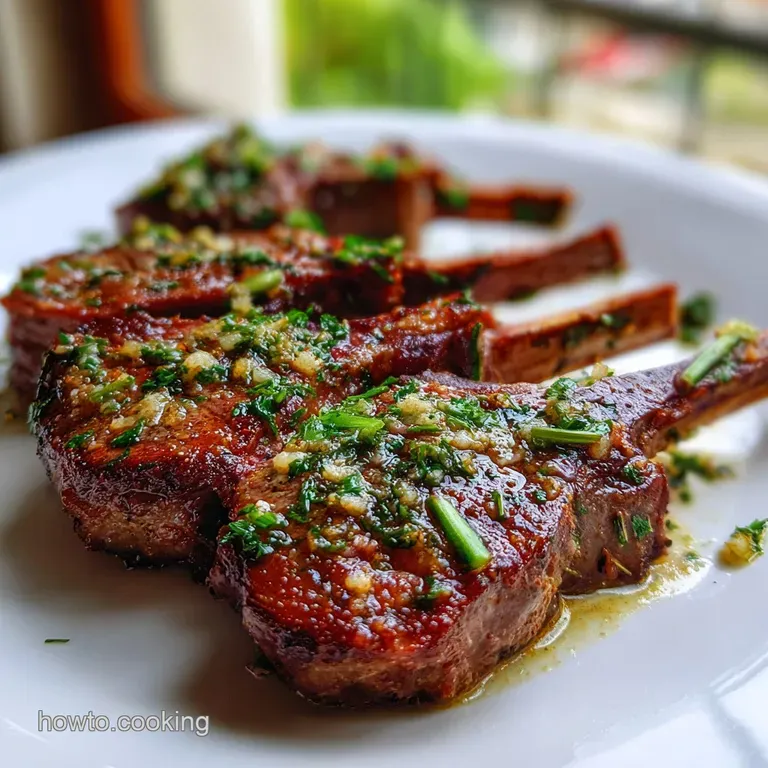
- Flavor/Texture Hook: A shatter crisp outer crust with a velvety, herb infused center.
- Perfect for: A confident weeknight dinner or an impressive weekend family meal.
- Perfecting a Lamb Chops Recipe Pan Seared
- Essential Specs for Better Cooking
- Component Analysis for Wholesome Flavor
- Building Wholesome Flavor Profiles
- Minimum Tools for Maximum Results
- Step-by-Step Cooking Guidance
- Solving Common Cooking Hurdles
- Swaps for Every Kitchen
- Debunking Kitchen Myths
- Keeping Your Leftovers Nutritious
- Serving Your Family with Confidence
- Very High in Sodium
- Recipe FAQs
- 📝 Recipe Card
Perfecting a Lamb Chops Recipe Pan Seared
The first time I stood over a skillet with a pack of expensive lamb rib chops, I was terrified. I had this vision of them coming out grey, rubbery, or smelling way too "lamby." I remember the sizzle hitting the pan and my heart racing, wondering if I should have just ordered takeout instead.
But then, the aroma of garlic hitting foaming butter filled my kitchen, and everything changed. That was the moment I realized that with the right technique, lamb isn't intimidating, it's actually one of the most rewarding proteins you can cook for your family.
You don't need a culinary degree to get this right, you just need to respect the heat and the moisture. When you get that dark, mahogany crust on the outside and that blushing pink center, you'll feel like a total pro. It is all about building confidence in your kitchen, one sear at a time.
I’ve made all the mistakes, like overcrowding the pan and ending up with steamed meat, so you don't have to.
We are going to walk through this together. We’ll talk about why the pan matters, why we stand the chops up on their edges, and how a simple spoon can be your best friend in the kitchen.
By the time we’re done, you’ll be serving up a wholesome, nutritious meal that feels like a celebration, even if it's just a regular Tuesday night. Trust me, the smell of fresh rosemary and toasted garlic is going to make your house feel like the best bistro in town.
Essential Specs for Better Cooking
When you are looking to cook lamb, knowing the timing and temperature is half the battle. This isn't a long braised dish like a rich lamb ragu, which takes hours to break down. Instead, this is a fast, high energy cook that requires your full attention for about 10 minutes. Because we are working with high heat, we use avocado oil. It has a high smoke point, meaning it won't burn and turn bitter before your lamb is actually cooked.
The Heat Transfer: The heavy cast iron skillet acts as a thermal battery, holding onto heat so the temperature doesn't drop when the cold meat hits the surface.
The Basting Effect: Spooning hot butter over the meat finishes the cooking process gently while adding a nutty, aromatic coating that stays on the palate.
Fat Rendering: By standing the chops on their fat caps, we turn that hard white fat into liquid gold, which then helps fry the rest of the meat.
| Thickness | Internal Temp | Rest Time | Visual Cue |
|---|---|---|---|
| 2.5 cm (1 inch) | 54°C (130°F) | 5 minutes | Warm pink center, juice is clear |
| 3.5 cm (1.5 inch) | 54°C (130°F) | 7 minutes | Deep red pink, soft to the touch |
| 1.5 cm (0.5 inch) | 54°C (130°F) | 3 minutes | Slightly firm, light pink throughout |
Choosing the right cut is just as important as the technique. Rib chops, which look like little lollipops, are the most tender. They have a delicate flavor that pairs beautifully with the woodiness of rosemary. If you've ever tried a proper shepherd's pie, you know how well lamb carries these earthy notes. For this pan seared method, we want that 1 inch thickness to ensure we have enough time to get a crust without the inside becoming overdone and tough.
Component Analysis for Wholesome Flavor
Every ingredient in this lamb chops recipe pan seared has a job to do. We aren't just tossing things in the pan for the sake of it. The salt, for instance, isn't just for flavor; it's a structural tool.
It breaks down the proteins on the surface of the meat, allowing moisture to be drawn out and then reabsorbed, which actually seasons the meat from the inside out. This is why I always suggest seasoning at least 20 minutes before you start.
The aromatics, like the garlic and thyme, aren't meant to be eaten whole. Instead, they infuse the butter. As the butter foams, it picks up the essential oils from the herbs and the pungent sweetness of the garlic. When you spoon that over the lamb, you’re essentially "painting" the meat with flavor.
It’s a technique called Arrosé, and it’s the secret to why restaurant food often tastes so much more complex than home cooking.
| Ingredient | Science Role | Pro Secret |
|---|---|---|
| Avocado Oil | High Smoke Point | Prevents the kitchen from smoking out while allowing for a dark, crispy sear. |
| Unsalted Butter | Emulsification & Flavor | Use high-quality butter; the milk solids brown and add a nutty, toasted aroma. |
| Kosher Salt | Protein Denaturation | Coarse grains distribute more evenly and create a better surface for the crust to form. |
| Fresh Rosemary | Aromatic Infusion | Don't chop it; the whole sprigs flavor the oil without burning and sticking to the meat. |
Using fresh herbs here is non negotiable for me. Dried herbs tend to burn in the high heat of the skillet, becoming bitter and gritty. Fresh sprigs of rosemary and thyme stay intact, releasing their oils slowly into the fat.
This creates a wholesome, clean flavor profile that highlights the quality of the lamb rather than masking it.
Building Wholesome Flavor Profiles
To get the most out of your lamb, you need to start with the best components. I always look for lamb that is a bright, cherry red color with white, firm fat. If the fat looks yellow or the meat is dull, it’s likely not as fresh.
We want nutritious, high-quality protein for our families, so don't be afraid to ask your butcher when the shipment came in.
- 8 lamb rib chops: Approx. 1 inch thick. Why this? The bone acts as an insulator, keeping the meat near it tender and juicy.
- 1.5 tsp Kosher salt: Why this? Provides the necessary friction for a good sear and deep seasoning.
- 1 tsp freshly cracked black pepper: Why this? Freshly cracked has more volatile oils than pre ground, giving a better bite.
- 1 tbsp Avocado oil: Why this? It can handle the 200°C+ heat of a searing pan without breaking down.
- 3 tbsp unsalted high-quality butter: Why this? Provides the fat needed for the Arrosé technique and adds richness.
- 5 cloves garlic: Smashed and peeled. Why this? Smashing releases the juices without letting the garlic burn as fast as mincing.
- 3 sprigs fresh rosemary: Why this? Its piney notes cut through the richness of the lamb fat perfectly.
- 4 sprigs fresh thyme: Why this? Adds a subtle, earthy floral note that rounds out the garlic and rosemary.
| Original Ingredient | Substitute | Why It Works |
|---|---|---|
| Avocado Oil | Grapeseed Oil | Both have high smoke points and neutral flavors. |
| Fresh Rosemary | Fresh Sage | Sage has a similar "sturdy" leaf that won't burn instantly and pairs well with lamb. |
| Kosher Salt | Sea Salt | Similar flake size. Note: Reduce amount by 25% if using fine table salt. |
When substituting, keep in mind that the goal is to maintain the integrity of the over high heat environment. If you use extra virgin olive oil, for example, it will smoke and create an acrid taste. Stick to oils that can handle the heat.
For the herbs, if you can't find thyme, doubling up on rosemary is perfectly fine, but the combination of both provides a more balanced, wholesome aroma.
Minimum Tools for Maximum Results
I am a big believer in using fewer tools but better ones. For this recipe, you really only need one main piece of equipment: a heavy bottomed skillet. If you have a cast iron pan, this is its time to shine. The weight and material are perfect for conducting the intense heat required for a proper sear.
A thin stainless steel pan can work, but you'll find the heat fluctuates too much, making it harder to get that consistent, golden brown finish.
Beyond the pan, a good pair of tongs is essential. You'll be standing the chops on their ends, and you need something sturdy to hold them in place. A large metal spoon is your other best friend. This is what you’ll use to baste the butter over the meat.
Avoid plastic spoons here; the butter gets incredibly hot, and you don't want anything melting into your dinner. Simple, reliable tools lead to consistent results every time.
step-by-step Cooking Guidance
- Remove the lamb from the fridge 20 minutes before you plan to cook. Note: Cold meat in a hot pan causes the muscle fibers to seize, resulting in tough lamb.
- Pat the meat extremely dry with paper towels. Until the surface feels like parchment paper.
- Season all sides of the chops aggressively with 1.5 tsp salt and 1 tsp pepper.
- Heat your 12 inch cast iron skillet over medium high heat with 1 tbsp avocado oil until the oil is shimmering and just beginning to smoke.
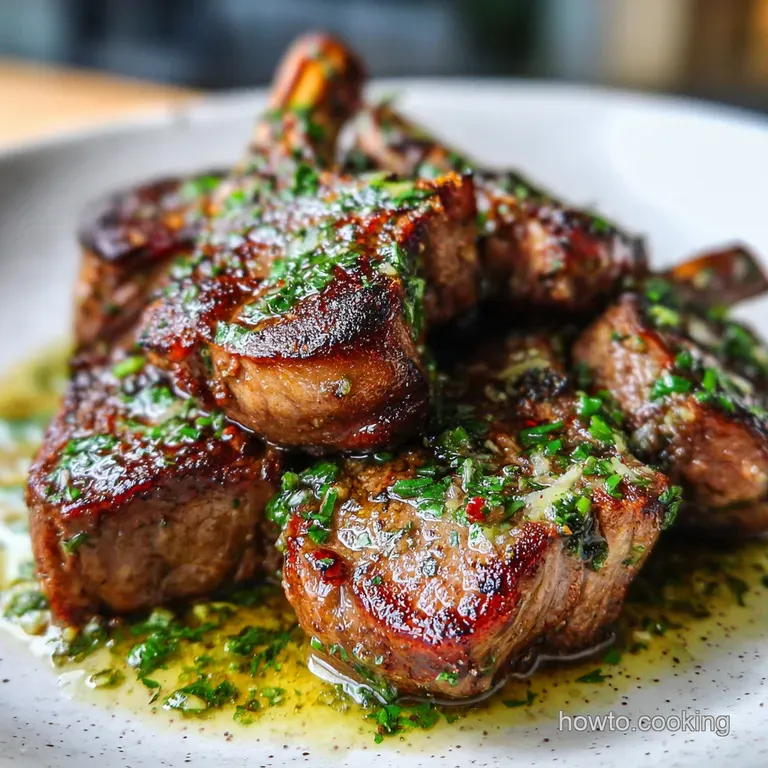
- Use tongs to stand the chops on their fat cap edges. Press them down for 2 minutes until the fat is golden and crispy.
- Lay the chops flat. Sear for 2-3 minutes until a deep brown crust forms. Do not move them!
- Flip the chops. Immediately add 3 tbsp butter, smashed garlic, rosemary, and thyme.
- Tilt the pan and spoon the foaming butter over the chops continuously for 2-3 minutes.
- Check for an internal temp of 54°C (130°F) using a digital thermometer.
- Remove from the pan and rest on a warm plate for 5 minutes until the juices redistribute.
Solving Common Cooking Hurdles
The biggest hurdle most people face with a lamb chops recipe pan seared is a lack of crust. This usually happens because the pan wasn't hot enough or the meat was too wet. Moisture is the enemy of a sear; if there is water on the surface, it has to evaporate before the browning (the Maillard reaction) can begin.
By the time the water is gone, the inside is overcooked. That is why we pat them dry so aggressively.
Another issue is bitter garlic. If you add the garlic at the very beginning with the oil, it will turn black and acrid. That is why we wait until the flip to add the aromatics and the butter. The butter lowers the temperature of the pan just enough to gently toast the garlic rather than incinerating it.
If you see the garlic turning dark brown, just slide it on top of the lamb chops to get it out of the direct heat.
Why Your Lamb Is Tough
Usually, this is a result of skipping the rest period or overcooking. Lamb is a very lean muscle, and once it passes 63°C (145°F), it begins to tighten up and lose its moisture.
Aim for that medium rare sweet spot of 54°C (130°F) and always give it at least 5 minutes to rest. During this time, the carryover heat will bring it up another few degrees, and the fibers will relax.
| Problem | Root Cause | Solution |
|---|---|---|
| Grey, steamed meat | Pan overcrowded or meat was wet | Cook in batches and pat dry with paper towels. |
| Burnt, bitter herbs | Added too early in the process | Add herbs only during the final basting stage. |
| Uneven cooking | Meat was too cold from the fridge | Let meat sit at room temp for 20 minutes before searing. |
Common Mistakes Checklist
- ✓ Ensure the pan is "wispy smoke" hot before adding the meat.
- ✓ Don't skimp on the salt; it's what builds the crust.
- ✓ Use a spoon to baste the bone side of the chop as well.
- ✓ Never cut into the meat immediately; you’ll lose all the flavorful juices.
- ✓ Stand the chops on the fat cap first to render out the heavy grease.
Swaps for Every Kitchen
If you want to scale this recipe down for a solo dinner, it's very easy. Just use a smaller 8 inch skillet and use half the butter and oil. The timing remains exactly the same because the thickness of the chop doesn't change. When scaling up for a crowd, do not try to crowd 16 chops into one pan. Work in two batches.
Keep the first batch on a wire rack over a baking sheet in a 90°C (200°F) oven to stay warm while you finish the rest.
For spices and seasonings, while I love the classic garlic and rosemary, you can easily pivot. If you want a more Mediterranean feel, swap the rosemary for dried oregano and finish with a squeeze of fresh lemon juice.
However, I suggest keeping the butter basting technique regardless of the herbs you choose, as it provides the most wholesome, luxurious finish to the meat.
Chef's Tip: If you are doubling the recipe, don't double the salt and pepper in the same bowl. Season the first batch, then the second. This prevents the salt from drawing out too much moisture while the second batch waits its turn.
| Method | Time | Texture | Best For |
|---|---|---|---|
| Cast Iron | 10 mins | Maximum crust, juicy center | Best overall flavor and texture. |
| Stainless Steel | 12 mins | Even browning, clean flavor | Good for those without cast iron. |
| Non Stick | 15 mins | Soft crust, very tender | Easier cleanup, but less "crunch." |
Debunking Kitchen Myths
There is a common myth that you should only flip meat once. In reality, flipping more often can actually lead to a more even internal temperature. However, for this specific lamb chops recipe pan seared, I prefer the "sear and flip" method because it allows the crust to develop undisturbed on the first side while we focus all our energy on basting once it's flipped.
It's about efficiency in a over high heat environment.
Another myth is that "searing seals in juices." Science tells us this isn't true moisture is lost during searing regardless. What searing actually does is create hundreds of new flavor compounds through the Maillard reaction. We sear for the flavor and texture, but we rest the meat to keep the juices inside.
It’s the resting, not the searing, that keeps your lamb succulent.
Keeping Your Leftovers Nutritious
Lamb is best enjoyed fresh, but life happens and sometimes you have leftovers. Store any remaining chops in an airtight container in the fridge for up to 3 days. To reheat them without turning them into shoe leather, avoid the microwave at all costs.
Instead, place them in a pan with a splash of water or beef broth, cover with a lid, and warm over low heat for about 5 minutes. This creates a steam room effect that gently warms the meat without further cooking the center.
For a zero waste approach, don't throw away those bones! If you have a few left over, toss them into a freezer bag. Once you have a handful, you can simmer them with onion scraps, carrots, and water to make a quick, nutritious lamb stock.
This stock is incredible as a base for soups or for deglazing a pan the next time you make a sauce. Even the leftover herb garlic butter in the pan can be saved; scrape it into a small jar and use it to sauté mushrooms the next morning.
Serving Your Family with Confidence
Presentation doesn't have to be complicated to be beautiful. I like to plate the chops by overlapping them slightly, which shows off that gorgeous crust. Pour any of the remaining butter from the pan which is now dark and full of toasted garlic and herb flavor directly over the meat right before serving.
It acts as a built in sauce that makes the whole dish feel elevated.
Pair these chops with something that can soak up that herb butter. A simple mash or some roasted root vegetables work wonders. The goal is a balanced, wholesome meal that makes everyone feel nourished.
When you set that plate down and the family smells the rosemary and sees that perfect sear, you'll know that taking the time to master these simple steps was worth every second. You’ve got the skills, you’ve got the tools, and now you’ve got the perfect lamb chops. Happy cooking!

Very High in Sodium
865 mg 865 mg of sodium (38% 38% of daily value)
The American Heart Association recommends limiting sodium intake to about 2,300mg per day, with an ideal limit of less than 1,500mg for most adults.
Tips to Reduce Sodium
-
Reduce Added Salt-25%
Significantly cut back the added Kosher salt. Start with just 0.5 tsp instead of 1.5 tsp. You can always add more salt at the table if needed.
-
Boost Flavor with Herbs
Maximize the use of fresh rosemary and thyme. Crush or finely chop them to release more aromatic oils and infuse the lamb with natural flavor.
-
Enhance Garlic Flavor
Instead of just smashing, thinly slice or mince the garlic. This will distribute its pungent flavor more widely throughout the dish.
-
Use Unsalted Butter
Ensure the butter used is unsalted. While already specified, be vigilant in purchasing and using unsalted varieties to avoid hidden sodium.
-
Add a Pinch of Spice
Incorporate other spices like paprika, cumin, or a small amount of red pepper flakes to add complexity and heat, drawing attention away from salt.
Recipe FAQs
How long do you pan sear lamb chops?
Sear for 2-3 minutes per side. Start by rendering the fat cap for 2 minutes, then lay the chops flat for 2-3 minutes on the first side, and continue for another 2-3 minutes after flipping until the internal temperature reaches 130°F for medium rare.
Are lamb chops ok for diabetics?
Yes, lamb is a protein rich option with no carbohydrates. Since this recipe focuses on searing and basting with herbs and garlic rather than sugary glazes, it fits well within most diabetic friendly dietary plans.
Is it better to cook lamb chops in olive oil or butter?
Use avocado oil for searing and butter for basting. Avocado oil has a high smoke point perfect for the initial crust, while butter is added late in the process to avoid burning, utilizing the same crispy skin technique used to develop flavor in other proteins.
What seasoning goes best with lamb?
Kosher salt, black pepper, garlic, rosemary, and thyme are the gold standard. These aromatics enhance the natural richness of the meat without overpowering its distinct flavor.
How to ensure a crispy fat cap on lamb chops?
Stand the chops upright on their edges using tongs. Press the fat side directly into the preheated cast iron skillet for 2 minutes to render the grease into a golden, crispy crust before you begin searing the flat sides.
How to tell if lamb chops are cooked properly?
Use an instant read thermometer to check for 130°F. This ensures a perfect medium rare doneness while maintaining the juiciness of the meat, which is essential to avoid toughness.
Is it true I must wash the lamb before cooking?
No, this is a common misconception. Washing the meat is unnecessary and actually prevents the surface from getting dry enough to achieve a deep, professional grade brown crust during the searing process.
Pan Seared Lamb Chops
Ingredients:
Instructions:
Nutrition Facts:
| Calories | 488 kcal |
|---|---|
| Protein | 29g |
| Fat | 41g |
| Carbs | 1g |
| Fiber | 0.3g |
| Sugar | 0g |
| Sodium | 865mg |
