Passover Potato Pie: Traditional and Crispy
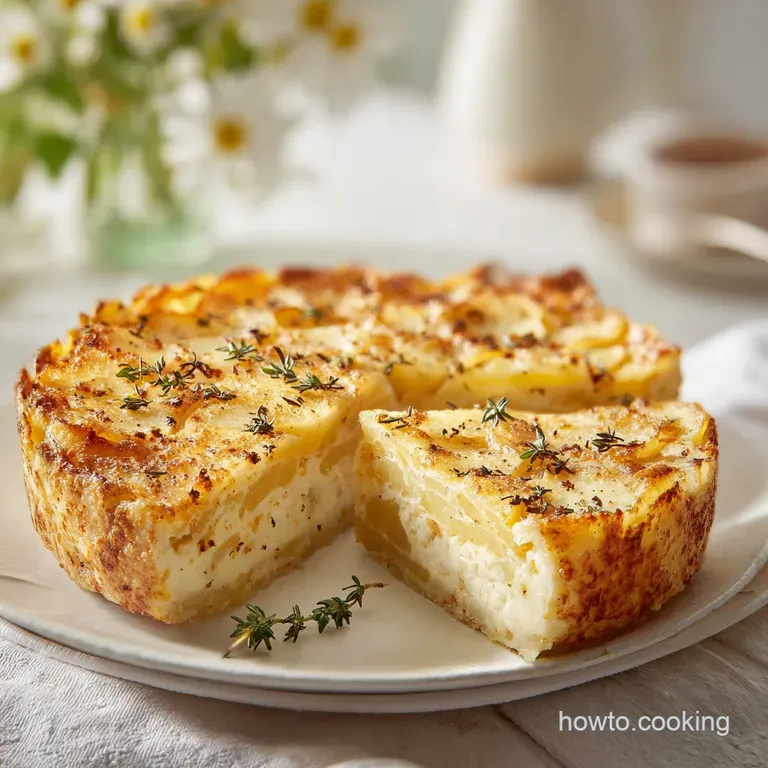
- Time: Active 20 minutes, Passive 75 minutes, Total 95 minutes
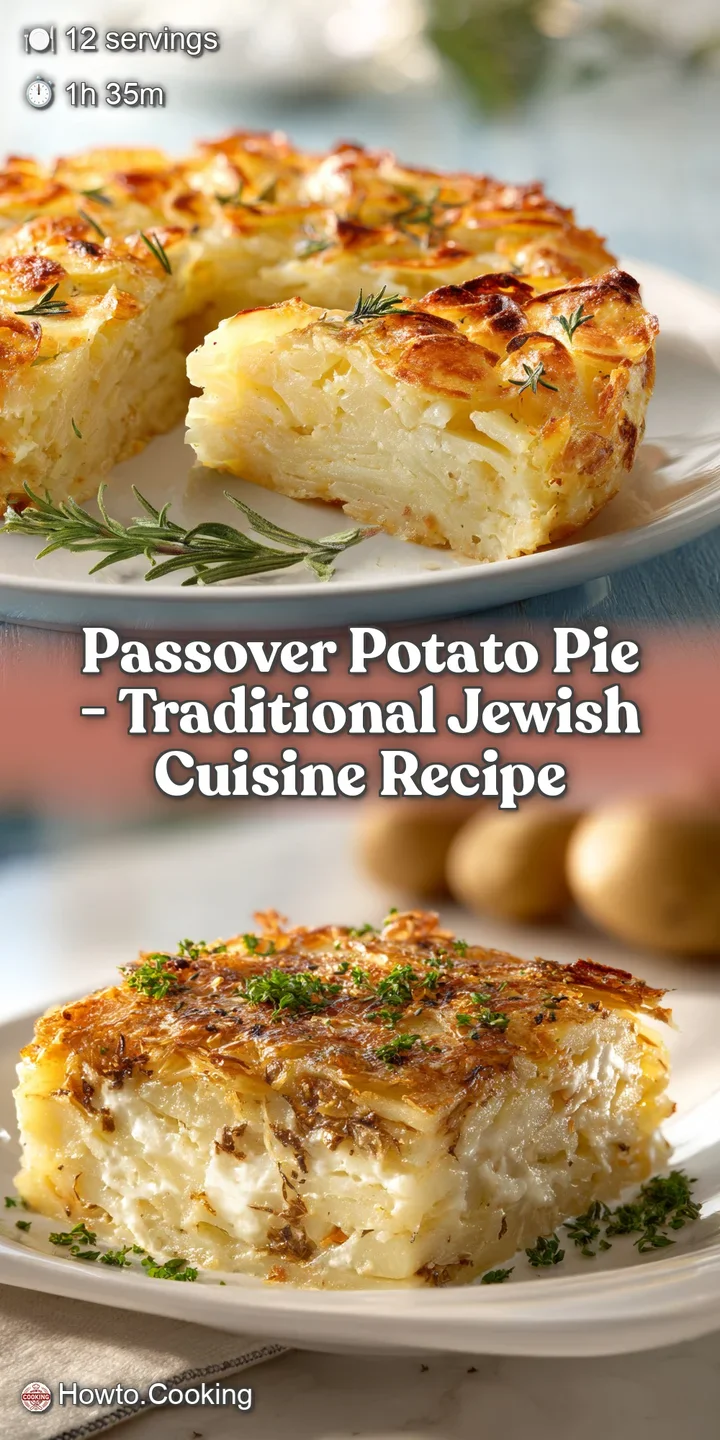
- Flavor/Texture Hook: A shattering mahogany crust covering a velvety, onion infused interior
- Perfect for: Holiday Seder centerpieces or a comforting, wholesome family style dinner
- Mastering the passover potato pie delicious tradition
- The Secret to That Glass Like Shattering Crust
- Component Analysis and Pro Secrets
- Understanding the Recipe Specs and Performance Factors
- Gathering the Wholesome Essentials for This Pie
- Essential Minimal Tools for a Reliable Result
- Key Steps for a Shattering Crust and Silky Center
- Troubleshooting Your Savory Passover Potato Pie Issues
- Scaling for Large Gatherings or Small Meals
- Kitchen Myths Debunked
- Creative Variations to Modernize This Passover Favorite
- Preservation Secrets for Long Lasting Flavor and Texture
- What to Serve Beside This Savory Holiday Mainstay
- Recipe FAQs
- 📝 Recipe Card
Mastering the passover potato pie delicious tradition
Forget everything you know about heavy, leaden potato kugels that sit in your stomach like a brick for three days. You don't need fancy binders or expensive gourmet starches to make this work. In fact, the biggest myth in holiday cooking is that a potato pie has to be dense to be authentic.
I used to think the sogginess was just part of the deal, a mandatory sacrifice to the holiday gods, until I realized the water was my enemy. Once you master the art of the "aggressive squeeze," your kitchen life changes forever.
We’re going for a specific sensory experience here. Think of the way a well browned hash brown crunches, then multiply that by a thousand. That sizzle when the batter hits the scorching oil is the sound of success.
It’s a rustic, wholesome dish that feels like a warm hug from a grandmother who actually knows how to use a food processor. We are aiming for a deep mahogany top not golden, not tan, but a rich, dark brown that looks like it’s been lacquered.
This recipe is about reclaiming the potato’s dignity. We use 2.25 kg (5 lbs) of Russets because their high starch content is the only thing that can give us that silky, non gummy center we crave.
When you pull this out of the oven and hear that brittle crust crack under your knife, you’ll understand why this is a delicious tradition that has survived generations. Trust me, the white pepper and the hit of lemon juice make all the difference in keeping the flavors bright rather than muddy.
The Secret to That Glass Like Shattering Crust
Starch Suspension: By blending a portion of the potatoes into a paste, we release natural starches that act as a structural glue, replacing the need for excess flour.
Thermal Shock: Pouring room temperature batter into shimmering 220°C oil creates an immediate sear on the bottom and sides, preventing the pie from sticking and ensuring a fried like exterior.
Cellular Dehydration: Squeezing the liquid out of the shreds removes the moisture that would otherwise steam the potatoes, allowing them to roast instead of boil inside the dish.
Surface Caramelization: The natural sugars in the onions react with the high oven heat, creating that signature dark crust that tastes deeply savory.
Fast vs. Classic Methodology Comparison
| Method | Prep Time | Texture Result | Best For |
|---|---|---|---|
| The Classic (This Recipe) | 20 minutes | Shattering crust, silky middle | Holiday Seders and big family dinners |
| The Fast Shortcut | 10 minutes | Softer edges, slightly denser | Quick weeknight sides or meal prep |
| The Hand Grated Way | 45 minutes | Very rustic, uneven crunch | When the power is out and you want a workout |
While the fast shortcut might save you a few minutes on the front end, it usually skips the critical "starch paste" step, which means you lose that velvety interior. Taking the extra five minutes to use the 'S' blade on a fraction of your potatoes is the difference between a side dish and a masterpiece.
Component Analysis and Pro Secrets
| Ingredient | Science Role | Pro Secret |
|---|---|---|
| Russet Potatoes | Provides structural starch | Keep in cold water until the very second you grate to stop browning |
| Avocado Oil | High smoke point fat | Heat the oil in the pan first; it’s the secret to a non stick crust |
| Large Eggs | Protein binder and lift | Whisk until pale and frothy to trap air for a lighter crumb |
| Matzah Meal | Secondary moisture absorber | Use "fine" meal if you can find it for a smoother mouthfeel |
A paragraph of context is essential here because ingredients behave differently under high heat. Using avocado oil isn't just a health choice; it’s a performance choice because it can handle the 220°C oven without smoking your house out. If you prefer a meat heavy meal, this savory dish reminds me of a rustic Chicken Leek Pie in its ability to satisfy a crowd with simple, wholesome components.
Understanding the Recipe Specs and Performance Factors
To get this right, we have to talk about the "Three Ps": Potatoes, Prep, and Power. You are using 5 lbs (2.25 kg) of potatoes, which sounds like a lot until you realize how much water weight you’re going to squeeze out.
Don't try to use waxy red potatoes here; they don't have the starch profile to hold the pie together, and you’ll end up with a puddle of oil and potato bits. Russets are the only way to go for that specific fluffy yet-structured interior.
The 220°C (425°F) temperature is non negotiable. If you bake this at 180°C (350°F) like a standard cake, the potatoes will oxidize and turn an unappetizing grey before they ever get a chance to crisp up.
We need that "power" from the high heat to lock in the white color of the potato and kickstart the browning on the surface. It’s about creating a contrast between the intense heat of the Pyrex and the cool moisture of the batter.
Gathering the Wholesome Essentials for This Pie
- 5 lbs Russet potatoes: Peeled and kept submerged in cold water to prevent oxidation. Why this? High starch is vital for the binder.
- 3 large yellow onions: These provide the moisture and sweetness. Why this? Onions are the primary flavor driver.
- 1 tbsp lemon juice: Just a tiny bit of acid. Why this? Keeps the potatoes bright white during the bake.
- 6 large eggs: Room temperature is best. Why this? Provides the "lift" and sets the structure.
- 1/2 cup avocado oil: For the batter. Why this? A neutral, over high heat stable wholesome fat.
- 1/3 cup avocado oil: For the baking dish. Why this? Creates the "frying" effect for the crust.
- 1/2 cup matzah meal: The classic Passover binder. Why this? Absorbs residual steam during the long bake.
- 2 tsp kosher salt: Use a coarse salt for better distribution. Why this? Essential for bringing out the savory notes.
- 1 tsp finely ground white pepper: Subtle heat. Why this? Provides flavor without black specks in the pie.
Substitution Table
| Original Ingredient | Substitute | Why It Works |
|---|---|---|
| Matzah Meal | Almond Flour | Similar absorption. Note: Adds a slightly nutty, denser finish |
| Avocado Oil | Schmaltz (Chicken Fat) | Authentic flavor. Note: Adds incredible umami but is not vegetarian |
| White Pepper | Cracked Black Pepper | Same heat level. Note: You will see visible black specks in the pie |
Using almond flour is a great trick if you have people who find matzah meal a bit too heavy on the digestion. Just know that the crust won't be quite as "crackly" because matzah meal is essentially pre baked bread that loves to get crispy again.
Essential Minimal Tools for a Reliable Result
You don't need a kitchen full of gadgets, but a food processor is your best friend here. If you're doing this by hand with a box grater, please wear a glove I’ve lost too many knuckles to the "holiday spirit." A heavy 9x13 inch Pyrex or ceramic dish is the standard because glass and ceramic hold heat beautifully, ensuring the bottom of the pie gets just as much love as the top.
The most "pro" tool you need is actually a simple cotton tea towel or a large piece of muslin. Most people skip the squeeze because it's messy, but it's the most important physical labor in the recipe.
If you don't have a food processor, you can use a mandoline with a julienne blade, but be prepared for a slightly different texture. Honestly, the food processor with the grating disc followed by the 'S' blade for the paste is the "cheat code" for the best texture.
Key Steps for a Shattering Crust and Silky Center
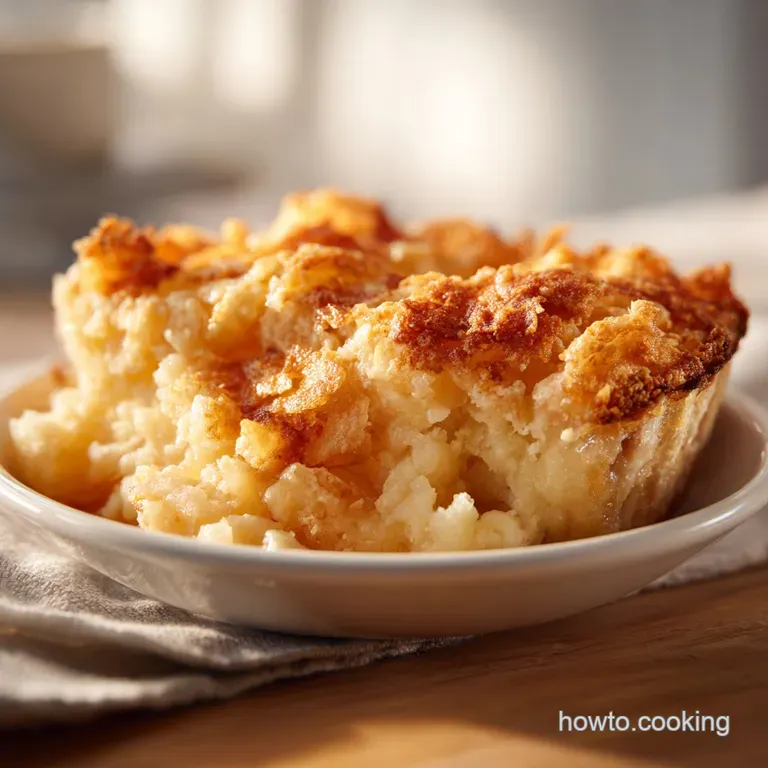
- Preheat your oven to 220°C (425°F). Pour 1/3 cup of avocado oil into a 9x13 inch Pyrex dish and place it in the oven while it preheats until the oil is shimmering and tiny bubbles form. Note: This prevents sticking.
- Grate the potatoes and onions using a food processor with a grating disc. Immediately transfer the shreds to a heavy tea towel to prevent the air from turning them grey.
- Twist and squeeze the cloth with all your might over the sink. Keep squeezing until no more liquid drips out. Note: Dry potatoes equal a crispy pie.
- Transfer 1/4 of the dried potato shreds back to the food processor fitted with the 'S' blade. Pulse until it forms a thick, glue like paste.
- In a large mixing bowl, whisk the 6 eggs until they are frothy and pale yellow.
- Fold the squeezed shreds, the potato paste, 1/2 cup avocado oil, matzah meal, lemon juice, salt, and white pepper into the eggs. Mix until no dry pockets of meal remain.
- Carefully remove the hot dish from the oven. Pour the mixture into the sizzling oil; it should crackle immediately.
- Bake for 75 minutes until the top is a deep, dark mahogany and the edges look like toasted lace.
Troubleshooting Your Savory Passover Potato Pie Issues
Why Your Pie is Soggy in the Middle
If you cut into your pie and it looks wet or gummy, the culprit is almost always residual moisture. Even if you think you squeezed enough, squeeze more. The liquid in a potato is deceptive. If the onions were particularly large and juicy, they might have added too much water back into the mix.
Also, make sure your oven is actually hitting 220°C; a cool oven won't evaporate the internal steam fast enough.
Why Your Potatoes Turned Grey or Purple
Potatoes are sensitive souls. The moment they hit the air, they start to oxidize. If you leave the shredded potatoes sitting on the counter while you look for the eggs, they will turn a muddy color. The fix is speed. Grate, squeeze, and mix immediately.
The lemon juice in this recipe acts as an antioxidant, but it can only do so much if you linger too long during prep.
| Problem | Root Cause | Solution |
|---|---|---|
| Crust is pale | Oven temp too low | Increase heat to 220°C and move to top rack |
| Pie is falling apart | Not enough binder | Ensure you pulse 1/4 of the potatoes into a paste |
| Bottom is oily | Oil wasn't hot enough | Preheat the dish and oil for at least 10 minutes |
Common Mistakes Checklist
- ✓ Never use "old" potatoes that have sprouted; their starch has turned to sugar.
- ✓ Don't skip the preheating of the oil in the pan this is what creates the "fried" bottom.
- ✓ Avoid over mixing once you add the matzah meal, or it can become heavy.
- ✓ Don't cover the dish with foil; we want the moisture to escape, not stay trapped.
- ✓ Let the pie rest for 10 minutes before slicing to let the internal starches set.
Scaling for Large Gatherings or Small Meals
If you need to scale this recipe down for a smaller family, you can halve the ingredients and use an 8x8 inch square baking dish. Reduce the baking time by about 15 minutes, but keep the temperature at 220°C. For a half batch, use 3 eggs and about 1.1 kg of potatoes.
When scaling up for a massive Seder, it is better to make two separate 9x13 inch pies rather than one giant deep dish version. If the pie is too thick (over 3 inches), the center will stay gummy while the outside burns.
If you must use two dishes at once, rotate them halfway through the 75 minute bake to ensure even browing, as most home ovens have "hot spots."
Serving Size Calculator
| Servings | Potato Weight | Pan Size | Cook Time |
|---|---|---|---|
| 6 People | 2.5 lbs (1.1 kg) | 8x8 inch | 60 minutes |
| 12 People | 5 lbs (2.25 kg) | 9x13 inch | 75 minutes |
| 24 People | 10 lbs (4.5 kg) | Two 9x13 inch | 80 minutes (rotate pans) |
Kitchen Myths Debunked
One of the biggest myths is that you have to use a specific type of expensive kosher salt to make this authentic. Any kosher salt works, but the "tradition" is more about the technique than the brand. Another myth is that adding more eggs makes it lighter. Actually, too many eggs make it rubbery, like a weird omelet.
It’s the air you whisk into those 6 eggs and the starch paste that provide the lift, not the volume of liquid.
Finally, some people swear by "soaking" the shredded potatoes in water before squeezing. Please don't do this. You’re just washing away the very starch we need to bind the pie together. If you wash the starch away, you’ll have to add way more matzah meal, which makes the pie taste like cardboard.
Creative Variations to Modernize This Passover Favorite
For a Modern Savory Twist
Try adding two finely chopped leeks (the white and light green parts only) to the onion mixture. Leeks offer a more sophisticated, buttery sweetness than yellow onions. You can also fold in a tablespoon of fresh thyme or rosemary for an earthy aroma that pairs beautifully with roast chicken.
For a Decadent Umami Boost
Fold in 250g of finely sautéed mushrooms. The earthy notes of the mushrooms against the crispy potato crust are incredible. If you aren't keeping a kosher meat meal, adding some grated sharp cheddar into the batter creates a "cheesy potato" vibe that is absolutely addictive. For another holiday classic that uses traditional techniques, you might enjoy learning about the nuances of a traditional Pecan Pie which also relies on that perfect balance of textures.
Preservation Secrets for Long Lasting Flavor and Texture
Storage: This pie stays fresh in the fridge for up to 4 days. Keep it in the original baking dish covered tightly with foil or beeswax wrap. To reheat, don't use the microwave unless you want a soggy mess.
Put it back in a 190°C oven for 15 minutes to bring back the "shatter."
Freezing: You can freeze this! Slice it into squares first, wrap each square in parchment paper, then put them in a freezer bag. They’ll last for 2 months. Reheat directly from frozen at 180°C for about 25 minutes.
Zero Waste: Don't throw away the potato liquid you squeezed out! Let it sit in a bowl for 10 minutes. The white powder that settles at the bottom is pure potato starch.
You can pour off the water and add that starch back into your batter for extra crispiness, or save it to thicken soups later in the week. The onion scraps and potato peels can be tossed into a freezer bag for your next batch of homemade vegetable stock.
What to Serve Beside This Savory Holiday Mainstay
This pie is the ultimate wingman for any protein. Because it’s so rich and crispy, it needs something bright or saucy to balance it out. A classic brisket with plenty of gravy is the traditional choice, as the pie acts like a sponge for all those meaty juices.
If you're looking for a lighter pairing, a crisp arugula salad with a lemon shallot vinaigrette cuts right through the fat.
For a completely wholesome meal, I love serving this with roasted root vegetables or a big bowl of applesauce. The sweetness of the applesauce against the salty, oniony potato is a flavor profile that takes most people right back to their childhood. If you're looking for another comforting side that uses similar simple tools, consider how well this would sit next to a Broccoli Casserole recipe during a large family gathering.
Recipe FAQs
Are potatoes considered Kosher for Passover?
Yes. Potatoes are kitniyot free and considered a staple vegetable for Passover meals, making them perfect for creating hearty, traditional dishes.
How to ensure the potato pie interior remains firm and not soggy?
Squeeze the grated potato and onion shreds with force using a heavy duty tea towel until no more liquid drips out. If you enjoyed the texture control required here, you will appreciate how applying the same starch management logic helps achieve a perfect finish in our Gruyère Au Gratin Potatoes recipe.
Is it true I must use matzah meal to bind the pie?
No, this is a common misconception. While matzah meal is standard, you can substitute it with almond flour for a different texture, provided you account for a slightly denser finish.
How to achieve a crispy mahogany crust every time?
Preheat your baking dish with oil inside the oven until it is shimmering. Pouring the potato mixture directly into that sizzling oil creates immediate caramelization and a crisp edge that defines a great Passover potato pie.
What 7 traditional foods are eaten at the Seder and what do they symbolize?
The Seder plate typically includes Maror (bitter herbs), Chazeret (second bitter herb), Charoset (sweet paste), Karpas (vegetable), Zeroah (shank bone), Beitzah (egg), and Matzah. These symbolize the bitterness of slavery, the mortar used in Egypt, the hope of spring, and the various sacrifices and
ritual requirements of the Exodus story.
What are some other traditional dishes to serve alongside this pie?
Focus on slow roasted brisket, matzah ball soup, and fresh herb salads. These dishes balance the richness of the potato pie while keeping the meal strictly within traditional guidelines.
Is the traditional Passover meal always vegetarian?
No, this is a common misconception. Many families incorporate meat or poultry, such as chicken cooked in schmaltz, which is a traditional fat source often used to replace dairy in savory holiday cooking.
Passover Potato Pie Tradition
Ingredients:
Instructions:
Nutrition Facts:
| Calories | 348 kcal |
|---|---|
| Protein | 7.9 g |
| Fat | 17.7 g |
| Carbs | 41.5 g |
| Fiber | 4.8 g |
| Sugar | 2.9 g |
| Sodium | 412 mg |
