Ricotta Chicken Bake Recipe
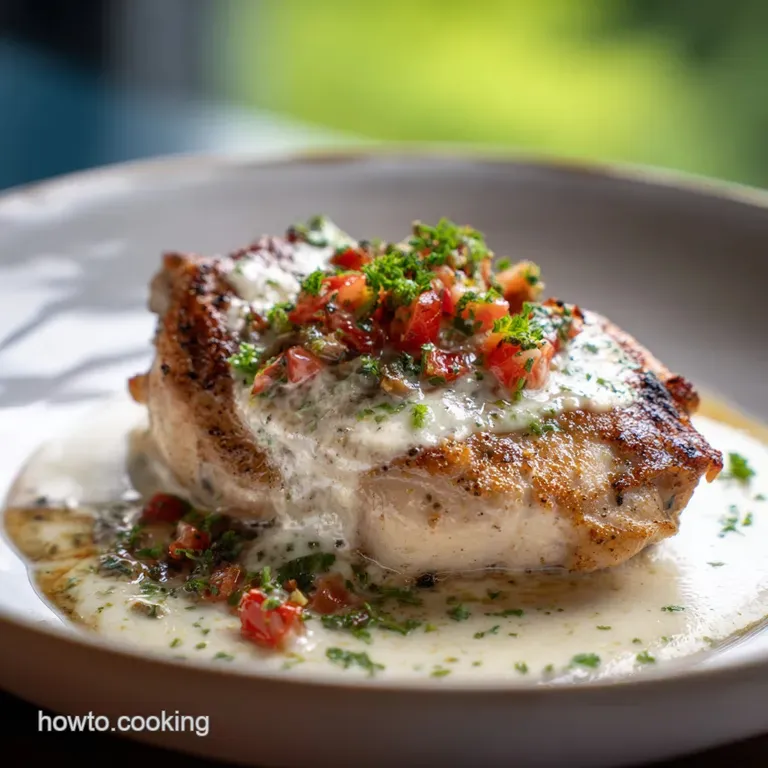
- Time: Active 15 minutes, Passive 20 minutes, Total 35 minutes
- Flavor/Texture Hook: Velvety ricotta topping with a golden, crackling parmesan crust
- Perfect for: High protein weeknight dinners and impressive family meal prep
- Achieve Juicy Perfection with Ricotta Chicken
- Why This Creamy Method Succeeds
- Components of a Wholesome Bake
- Pantry Staples for High Impact
- Kitchen Tools for Even Searing
- Master the Golden Sear Technique
- Avoid These Texture Mistakes
- Precision Scaling for Large Families
- Scientific Kitchen Myths
- Storage and Waste Reduction Strategy
- Pairings for a Wholesome Meal
- High in Sodium
- Recipe FAQs
- 📝 Recipe Card
Achieve Juicy Perfection with Ricotta Chicken
The first time I heard a pan sizzle with this dish, I knew I had stumbled onto something special. For years, I struggled with boneless breasts turning into dry, stringy wood by the time they reached the center.
I remember one specific Tuesday where I overcooked the chicken so badly we actually had to order pizza; it was a blow to my confidence as a home cook. That failure pushed me to find a solution that guaranteed a moist result every single time without relying on heavy breading or deep frying.
When you slide this pan into the oven, the aroma of toasted garlic and bright lemon zest fills the kitchen almost immediately. It’s a wholesome scent that promises a nutritious meal without the stress of complicated techniques.
We’ve all been there staring at a pack of chicken and wondering how to make it interesting without spending hours at the stove. This recipe is my answer to that problem, providing a velvety texture that feels far more indulgent than it actually is.
Trust me, once you see how the ricotta creates a protective "moisture blanket" over the meat, you’ll never go back to plain baked poultry. We’re going to use smart pantry choices to create a dish that rivals any bistro meal.
It’s about working smarter in the kitchen, using the chemistry of fats and acids to do the heavy lifting for us. Let’s get into the details of why this specific combination of ingredients works so beautifully to create a flavorful, reliable dinner.
Why This Creamy Method Succeeds
Lipid Insulation: The whole milk ricotta acts as a thermal buffer, slowing down the heat transfer to the lean chicken fibers to prevent protein tightening.
Moisture Encapsulation: As the spinach releases its natural water during the bake, the cheese mixture traps that steam against the chicken surface.
Maillard Reinforcement: Parmesan cheese contains high levels of amino acids and sugars that brown at lower temperatures, creating a savory crust without overcooking the meat.
Acidic Tenderization: The lemon zest provides citric acid that subtly breaks down surface proteins, allowing the seasonings to penetrate deeper into the breast.
| Method | Time | Texture | Best For |
|---|---|---|---|
| Stovetop & Oven | 35 mins | Golden crust, juicy interior | Achieving a restaurant quality sear |
| Air Fryer | 20 mins | Extra crispy cheese edges | Quick single servings or small batches |
| Slow Cooker | 4 hours | Soft, shredded, and tender | Busy days and meal prep versatility |
Choosing the right method depends on your schedule, but the hybrid stovetop to oven approach remains the gold standard for texture. While the air fryer is efficient, it can sometimes dry out the edges of the cheese before the chicken finishes. The slow cooker version is wonderful for a Cheesy Ground Turkey recipe vibe if you swap the protein, but for whole breasts, the oven provides that classic golden finish we all crave.
Components of a Wholesome Bake
| Ingredient | Science Role | Pro Secret |
|---|---|---|
| Whole Milk Ricotta | Emollient barrier | Drain for 10 mins to prevent a watery sauce |
| Parmesan Cheese | Umami booster | Grate from a block for better melting properties |
| Fresh Baby Spinach | Moisture regulator | Chop finely so it integrates into the cream |
| Lemon Zest | Flavor brightener | Use only the yellow part to avoid bitter pith |
Each of these elements plays a specific role in ensuring the final result is both nutritious and satisfying. Similar to the logic in my Parmesan Crusted Chicken recipe, using high-quality cheese creates a crust that seals in flavor while providing a complex savory profile.
Pantry Staples for High Impact
- 1.5 lbs boneless skinless chicken breasts: Use even sized pieces for consistent cooking. Why this? Lean protein that absorbs the creamy flavors of the ricotta topping perfectly.
- 1 tsp kosher salt: Essential for protein denaturation. Why this? Larger grains allow for better control and even seasoning across the meat.
- 0.5 tsp cracked black pepper: Provides a subtle heat. Why this? Freshly cracked oils offer a more aromatic experience than pre ground powder.
- 1 cup whole milk ricotta cheese: The star of the moisture barrier. Why this? Higher fat content ensures a velvety mouthfeel and prevents curdling.
- 0.5 cup freshly grated parmesan cheese: Adds a salty, nutty bite. Why this? It browns beautifully to create that essential flavor rich crust.
- 2 cups fresh baby spinach: Nutritious volume and moisture. Why this? It wilts perfectly into the cheese without becoming slimy.
- 2 cloves garlic: The foundational aromatic. Why this? Mincing fresh cloves provides a punch that jars simply cannot match.
- 1 tsp lemon zest: The secret to brightness. Why this? It cuts through the richness of the cheese without thinning the sauce.
- 1 tbsp extra virgin olive oil: For the initial sear. Why this? A high-quality oil adds a fruity note and prevents sticking.
- 0.5 cup shredded low moisture mozzarella: For the perfect pull. Why this? It melts smoothly over the top for a classic finish.
- 0.25 tsp red pepper flakes: Optional gentle warmth. Why this? It wakes up the palate and balances the creamy textures.
- 1 tbsp fresh basil leaves: The finishing herbaceous note. Why this? Adding fresh herbs at the end preserves their delicate, bright oils.
| Original Ingredient | Substitute | Why It Works |
|---|---|---|
| Whole Milk Ricotta | Cottage Cheese | High protein and similar moisture. Note: Pulse in a blender for a smooth texture first |
| Fresh Baby Spinach | Frozen Spinach | Concentrated nutrients. Note: Must be thawed and squeezed completely dry to avoid sogginess |
| Chicken Breasts | Chicken Thighs | More fat and flavor. Note: Increase bake time by 5-7 minutes for safety |
Kitchen Tools for Even Searing
To achieve a truly flavorful result, you need a heavy bottomed pan. I prefer using a cast iron skillet because it retains heat so efficiently, allowing you to get that golden color on the chicken without having to crank the heat to a dangerous level.
If you don't have cast iron, a thick stainless steel pan works well too.
You'll also want a sharp chef's knife for the spinach. Finely chopping the greens is a small step that makes a massive difference in how the topping sits on the meat. If the pieces are too large, they tend to fall off or become stringy.
A microplane is another essential for the lemon zest and garlic, ensuring they are distributed evenly throughout the ricotta mixture so every bite is balanced.
Master the Golden Sear Technique
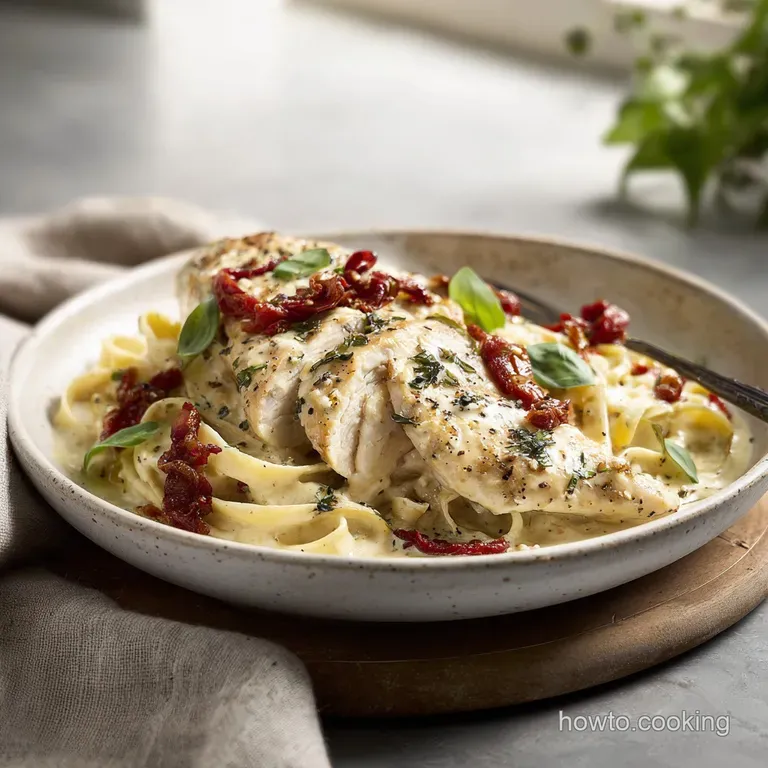
- Prep the chicken. Pat the 1.5 lbs chicken breasts dry with paper towels. Note: Surface moisture creates steam, which prevents that beautiful golden browning we want.
- Season the meat. Sprinkle both sides with 1 tsp kosher salt and 0.5 tsp cracked black pepper. Note: Seasoning from a height ensures even coverage across the entire surface.
- Mix the topping. In a bowl, combine 1 cup ricotta, 0.5 cup parmesan, chopped spinach, 2 cloves minced garlic, and 1 tsp lemon zest. Note: Stir until the spinach is fully coated and the mixture is uniform.
- Heat the pan. Add 1 tbsp olive oil to your skillet over medium high heat until the oil shimmers and barely wisps smoke.
- Sear the protein. Place chicken in the pan and cook for 3 minutes per side until a deep golden crust forms.
- Apply the ricotta. Spoon the cheese mixture evenly over each breast, pressing down slightly so it sticks. Note: Don't worry if a little spills over; it creates a delicious sauce in the pan.
- Add the mozzarella. Sprinkle 0.5 cup mozzarella and 0.25 tsp red pepper flakes over the ricotta layer.
- Bake the dish. Transfer the skillet to a 400°F oven for 12 to 15 minutes until the cheese is bubbling and slightly browned.
- Check for doneness. Ensure the internal temperature reaches 165°F with a meat thermometer.
- Rest and garnish. Remove from the oven and let sit for 5 minutes until the juices redistribute, then top with fresh basil.
Avoid These Texture Mistakes
To Lock in Maximum Moisture
One of the biggest mistakes people make with Ricotta Chicken is pulling it out of the oven and cutting into it immediately. When chicken cooks, the protein fibers tighten and push juices toward the center. If you cut it right away, those juices "shatter" out onto the plate, leaving you with dry meat.
Giving it just five minutes of rest allows the fibers to relax and reabsorb that moisture, ensuring every forkful is velvety and succulent.
For Uniform Cooking
Chicken breasts are notorious for being thick on one end and thin on the other. To fix this, you can place the meat between two sheets of parchment paper and gently pound the thickest part with a heavy pan or mallet. Aim for a consistent 1 inch thickness.
This ensures the entire piece finishes cooking at the exact same time, preventing the thin "tail" from becoming leather while the center is still raw.
| Problem | Root Cause | Solution |
|---|---|---|
| Watery Sauce | Spinach wasn't dry | Squeeze fresh spinach in a towel after chopping |
| Bland Coating | Lack of salt in cheese | Taste the ricotta mix and add a pinch of salt before topping |
| Rubbery Chicken | Internal temp too high | Use a thermometer and pull the meat at 162°F; carryover will hit 165°F |
Common Mistakes Checklist
- ✓ Skipping the initial sear (you lose massive flavor without the Maillard reaction)
- ✓ Using "part skim" ricotta (it lacks the stability to hold up under high heat)
- ✓ Overcrowding the skillet (this drops the temperature and steams the meat)
- ✓ Forgetting to zest the lemon (the juice alone doesn't provide the same aromatic lift)
- ✓ Not draining the ricotta if it looks extra wet in the container
Precision Scaling for Large Families
When you need to feed a crowd, doubling this recipe is straightforward, but you have to manage the moisture carefully. If you're cooking 3 lbs of chicken, don't try to cram it all into one skillet.
Work in two batches for the searing phase, then transfer all the meat to a large 9x13 baking dish before adding the toppings. This allows for better airflow in the oven, which is critical for getting that golden crust on the cheese.
For smaller households, you can easily halve the ingredients. Use a smaller 8 inch skillet and reduce the oven time by about 3 minutes. Since we use a whole cup of ricotta for the full recipe, a half batch uses 0.5 cups perfect for using up those smaller containers.
Just remember to still use the full teaspoon of lemon zest; that bright flavor is even more important in smaller portions where the richness can feel heavier.
| Ingredient Type | Upgrading (2x) | Downsizing (0.5x) | Change Impact |
|---|---|---|---|
| Ricotta / Cheese | Double exactly | Halve exactly | Consistent texture |
| Liquid / Oil | Use 1.5x for searing | Halve exactly | Prevents greasy pan |
| Salt / Pepper | Use 1.5x and taste | Halve exactly | Spices don't scale linearly |
Scientific Kitchen Myths
"Searing the chicken seals in the juices." This is a common misconception that has been debunked by food scientists. Searing actually creates a flavorful crust through the Maillard reaction, but it doesn't create an impermeable barrier.
The real secret to juicy chicken is the "moisture blanket" effect of the ricotta and not overcooking the internal temperature.
"Fresh mozzarella is always better than low moisture." While fresh mozzarella is incredible on a salad, its high water content can ruin a bake like this. As it melts, it releases liquid that can turn your creamy ricotta into a soupy mess.
For this dish, the low moisture shredded version is superior because it melts predictably and browns into a beautiful, chewy layer that adds structure to the topping.
Storage and Waste Reduction Strategy
Storage Guidelines: You can keep leftovers in an airtight container in the fridge for up to 3 days. When reheating, I recommend using the oven or a toaster oven at 350°F rather than the microwave. This helps the cheese topping regain its structure rather than becoming rubbery. If you find the chicken is a bit dry the next day, slice it up and serve it over a Velvety Chicken Cabbage recipe style salad or stir fry to add some extra hydration.
Zero Waste Tips: Never throw away the stems from your baby spinach; they have a great crunch and are packed with nutrients. Just chop them very finely along with the leaves.
If you have leftover ricotta mixture that didn't fit on the chicken, stir it into some hot pasta the next day for a 5 minute lunch. Even the lemon you zested shouldn't go to waste slice it into wedges and serve them alongside the chicken for an extra pop of fresh acidity right before eating.
Pairings for a Wholesome Meal
To keep this meal balanced and nutritious, I love serving it alongside roasted root vegetables or a simple quinoa pilaf. The creamy nature of the Ricotta Chicken means it provides its own sauce, so you don't need much else on the plate to make it feel complete.
A crisp green salad with a light vinaigrette is also a fantastic way to cut through the richness of the whole milk cheese.
If you're looking for a more traditional comfort meal, this chicken pairs perfectly with a side of garlic mashed cauliflower or a small portion of whole wheat pasta. The spinach in the topping counts toward your daily greens, but adding a side of steamed broccoli or asparagus further boosts the fiber content.
Whatever you choose, the goal is to let the flavorful, golden chicken be the star of the table while building your confidence in creating wholesome, family friendly meals.
High in Sodium
876 mg mg of sodium per serving (38% of daily value)
American Heart Association recommendation: Limit sodium intake to about 2,300mg per day.
Tips to Reduce Sodium in Your Chicken Ricotta Recipe
-
Reduce Parmesan-15%
Parmesan cheese is a significant source of sodium. Reduce the amount of parmesan cheese by half, using only 1/4 cup, and substitute with a sprinkle of nutritional yeast for a cheesy flavor with less sodium.
-
Control the Salt-25%
Eliminate the added kosher salt completely. The parmesan and mozzarella cheese already contribute sodium. Taste the dish before adding any salt.
-
Low-Sodium Ricotta-10%
Check labels and purchase a low-sodium ricotta cheese. Brands can vary greatly in sodium content, so opting for a lower sodium option can make a difference.
-
Fresh Herbs Power
Enhance the flavor with fresh herbs like basil, oregano, and thyme instead of relying on salt. Experiment with different combinations to find your favorite flavor profile.
-
Spice it Up
Increase the amount of red pepper flakes or add a pinch of cayenne pepper to boost flavor and reduce the need for salt. Black pepper also adds a nice kick!
Recipe FAQs
Does ricotta taste good with chicken?
Yes, ricotta offers a superb textural contrast and flavor buffer. It melts into a velvety, protective coating that keeps the lean protein moist while providing a savory, slightly tangy base for herbs and Parmesan.
What exactly is Ricotta Chicken?
Ricotta Chicken is a baked dish where chicken breasts are topped with a seasoned mixture of ricotta cheese, herbs, and Parmesan before baking. This method uses the cheese as an insulating layer to prevent moisture loss, resulting in an unusually tender and flavorful final product.
What is the best way to serve ricotta chicken?
Serve it with simple, bright sides that balance the richness of the cheese. A side of roasted asparagus or a light quinoa salad works well, or consider pairing it with pasta if you want to soak up any pan juices, similar to how we manage sauce density in our Creamy Italian Stuffed recipe.
Is it okay to heat ricotta cheese in the oven?
Yes, baking ricotta at moderate temperatures is perfectly fine for dishes like this. Whole milk ricotta is stable enough to heat through and brown beautifully, especially when mixed with grated cheese, which helps stabilize its structure.
Why is my ricotta topping watery instead of creamy?
This happens because you likely skipped draining the moisture from either the ricotta or the spinach. Always press excess liquid out of thawed spinach, and if your ricotta seems wet, let it sit in a fine mesh sieve over a bowl for at least 15 minutes before mixing.
Can I use low-fat ricotta instead of whole milk ricotta?
No, avoid low-fat ricotta when baking, as it dries out quickly. The fat content in whole milk ricotta is crucial; it acts as the primary moisture barrier, giving the chicken its signature velvety texture.
How do I ensure the chicken breasts cook evenly?
Pound the thickest part of the breast to achieve uniform thickness before seasoning. This technique ensures that the edges do not overcook while waiting for the center to reach temperature, a key principle for precise cooking you can apply when perfecting the broth in our Classic Greek Lemon recipe.
Ricotta Chicken Bake
Ingredients:
Instructions:
Nutrition Facts:
| Calories | 523 kcal |
|---|---|
| Protein | 68.4 g |
| Fat | 24.7 g |
| Carbs | 3.2 g |
| Fiber | 0.6 g |
| Sugar | 1.1 g |
| Sodium | 876 mg |
