Dinner Idea with Roasted Chicken: One Pan Method
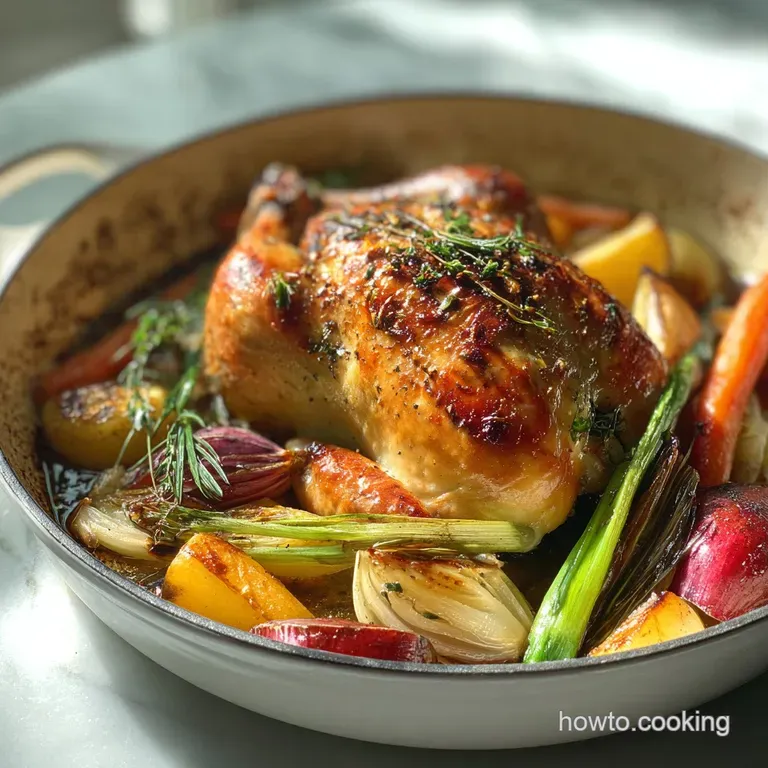
- Time: Active 15 minutes, Passive 45 minutes, Total 60 minutes
- Flavor/Texture Hook: Succulent meat with crispy, mahogany skin and caramelized, tender vegetables
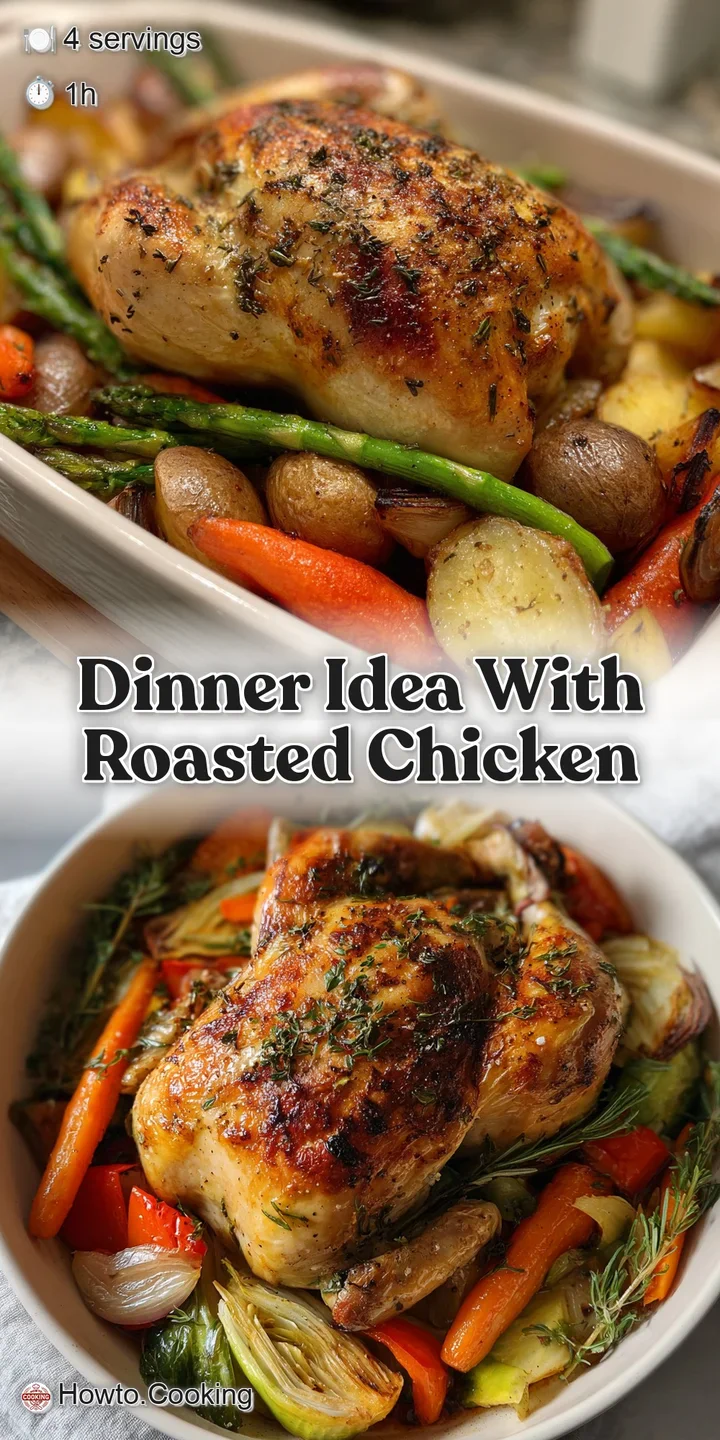
- Perfect for: Stress free family evenings or nutritious meal prep sessions
- A Wholesome Dinner Idea with Roasted Chicken
- The Science of Why it Works
- Component Analysis for Better Roasting
- Wholesome Elements for a Balanced Sheet Pan
- The Right Tools for Golden Results
- Execution Steps for a Complete One Pan Dinner
- Fixing Common Problems with Your Roast
- Customizing Your Chicken and Vegetable Tray
- Debunking Roasting Misconceptions
- Storage Tips for Long Lasting Flavor
- Plating Ideas for a Visual Feast
- High in Sodium
- Recipe FAQs
- 📝 Recipe Card
A Wholesome Dinner Idea with Roasted Chicken
You know that specific sound when you pull a sheet pan out of the oven and the chicken fat is still bubbling and popping? That sizzle is the sound of success. This dinner idea with roasted chicken and vegetables delivers a complete, flavorful meal in one pan, and honestly, it’s the recipe that saved my sanity during those long Tuesday nights when I just wanted something home cooked without a mountain of dishes.
I used to make the mistake of throwing everything on the tray at once and hoping for the best, but I always ended up with mushy carrots or, even worse, rubbery skin. We’ve all been there.
After a few years of tweaking the temperature and the vegetable sizes, I finally figured out the "sweet spot" where the meat stays juicy and the potatoes get those golden, crispy edges.
The beauty of this roast is that it feels special enough for a Sunday dinner but is simple enough to execute while you're half listening to a podcast. It’s a foundational technique that gives you the confidence to experiment with whatever is in your crisper drawer.
Trust me on this, once you master the timing, you'll never go back to boring, boiled dinners again.
The Science of Why it Works
Maillard Reaction: High heat triggers a chemical reaction between amino acids and reducing sugars, creating that deep brown crust and complex flavor profile on the chicken skin.
Schmaltz Basting: As the chicken thighs roast, the fat renders out (a process called lipolysis), essentially frying the vegetables in liquid gold right on the pan.
For Shattering Mahogany Colored Skin
The secret to that loud crunch is surface moisture removal. If your chicken is damp, it steams instead of sears. I always leave my chicken uncovered in the fridge for an hour if I have time, but a vigorous pat down with paper towels works just as well.
For Uniformly Tender Vegetables
Not all vegetables cook at the same speed, so we have to use physics. Cutting the dense potatoes into 1 inch chunks while keeping the carrots in ½-inch rounds ensures they both cross the finish line at the exact same moment.
For the Schmaltz Effect
By placing the chicken directly on top of or nested between the vegetables, we ensure that every ounce of rendered fat is utilized. This fat has a higher smoke point than butter, allowing for that intense caramelization without burning.
| Meat Thickness | Target Internal Temp | Rest Time | Visual Cue |
|---|---|---|---|
| 1 inch (Thigh) | 175°F | 5 minutes | Juices run clear when pierced |
| 1.5 inches (Large Thigh) | 175°F | 7 minutes | Bone is no longer pink at the joint |
| 0.5 inch (Small drumstick) | 175°F | 3 minutes | Skin is taut and dark golden |
When you are checking for doneness, aim for the thickest part of the thigh without touching the bone. While 165°F is the safe minimum, thighs actually taste better and have a more velvety texture when they hit 175°F because the extra heat breaks down the connective tissue.
Component Analysis for Better Roasting
| Ingredient | Science Role | Pro Secret |
|---|---|---|
| Chicken Thighs | Fat & Protein | Use bone in for more even heat distribution and better flavor. |
| Yukon Gold Potatoes | Starch Structure | These have a medium starch content that holds its shape while getting crispy. |
| Extra Virgin Olive Oil | Heat Conduction | Acts as the medium to transfer oven heat into the surface of the food. |
Selecting the right ingredients is half the battle when you want a high-quality result. For example, using a whole chicken for roasting is great, but the How to Make recipe shows that different parts cook at different rates, which is why I prefer thighs for a sheet pan meal.
Wholesome Elements for a Balanced Sheet Pan
The ingredient list here is straightforward, focusing on items you can find at any local market. I’ve included some smart swaps if you’re looking to save a bit or use what's already in your pantry.
- 4 large Bone in, skin on chicken thighs (approx. 2 lbs): Why this? The skin protects the meat from drying out during the over high heat roast.
- Substitute: Chicken drumsticks (same cook time) or thick cut pork chops (reduce time by 10 mins).
- 1 lb Yukon Gold potatoes, cut into 1 inch chunks: Why this? They provide a buttery texture without needing much added fat.
- Substitute: Red potatoes or sweet potatoes (note: sweet potatoes caramelize faster).
- 3 large Carrots, peeled and sliced into ½-inch rounds: Why this? Carrots add a natural sweetness that balances the savory salt.
- Substitute: Parsnips or thick wedges of butternut squash.
- 1 large Red onion, cut into thick wedges: Why this? Onions soften and mellow significantly when roasted at high heat.
- Substitute: Yellow onion or large shallots peeled and kept whole.
- 1 cup Brussels sprouts, halved: Why this? The outer leaves get wonderfully charred and nutty in the oven.
- Substitute: Broccoli florets (add these in the last 20 minutes of roasting).
- 4 cloves Garlic, smashed: Why this? Smashed garlic releases oils slowly without burning as quickly as minced garlic.
- Substitute: 1 tsp garlic powder mixed into the oil if fresh is unavailable.
- 3 tbsp Extra virgin olive oil: Why this? Provides the necessary fat for browning and helps the herbs stick.
- Substitute: Avocado oil or melted clarified butter (ghee).
- 1 tbsp Fresh rosemary, minced: Why this? Rosemary is a sturdy herb that can withstand 45 minutes of high heat.
- Substitute: 1 tsp dried rosemary (crush it in your palm first).
- 1 tbsp Fresh thyme leaves: Why this? Thyme adds a subtle earthy note that complements the chicken perfectly.
- Substitute: 1 tsp dried thyme or dried oregano.
- 1 tsp Smoked paprika: Why this? Gives the dish a beautiful color and a hint of wood fired flavor.
- Substitute: Regular sweet paprika or a pinch of cumin for earthiness.
- 2 tsp Kosher salt & 1 tsp Cracked black pepper: The fundamental seasoning duo for all savory roasting.
The Right Tools for Golden Results
You don't need a professional kitchen, but the pan you choose makes a massive difference. I highly recommend a heavy duty, half sheet pan (13x18 inches). Thin pans tend to warp at 400°F, which causes your oil and juices to pool in one corner, leaving some veggies dry and others swimming in grease.
A flat roasting rack is optional but helpful if you want absolute maximum air circulation under the chicken. However, I usually skip it because I love the way the chicken and vegetables interact. A sharp chef's knife for consistent vegetable sizes and an instant read thermometer are your best friends here.
Let's crack on with the process.
Execution Steps for a Complete One Pan Dinner
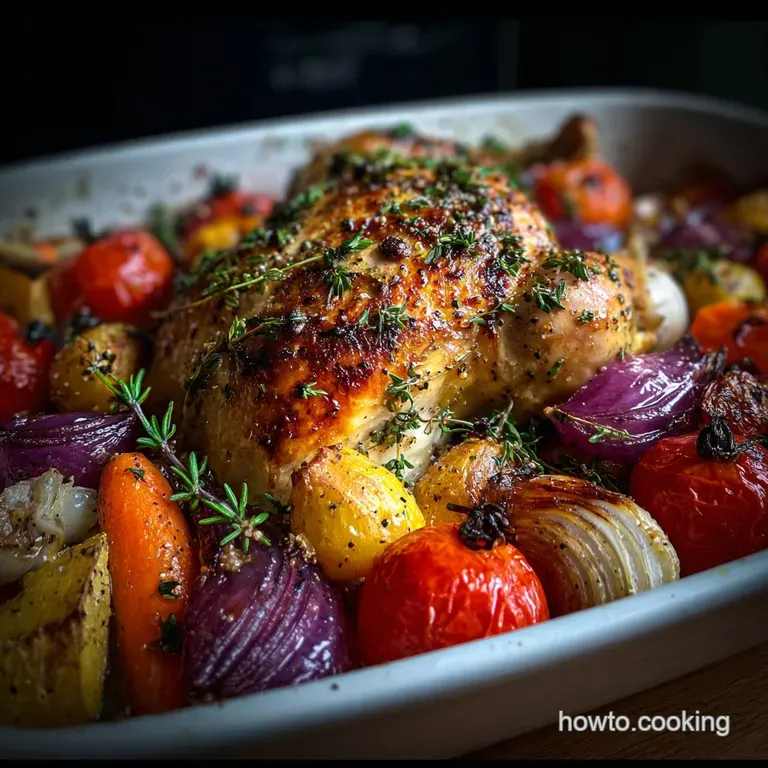
1. The Dry Brine Prep
Preheat your oven to 400°F (200°C). Pat the 4 chicken thighs bone in skin on (approx. 2 lbs) extremely dry with paper towels. Season both sides with 1 tsp of the kosher salt and the black pepper.
Note: This "dry brine" helps the salt penetrate the meat and dries out the skin for better crisping.
2. The Vegetable Infusion
In a large bowl, combine the 1 lb Yukon Gold potatoes (1 inch chunks), 3 large carrots (½-inch rounds), 1 large red onion (thick wedges), and 1 cup Brussels sprouts (halved). Add the 4 cloves smashed garlic.
3. The Assembly
Drizzle 2 tbsp of the extra virgin olive oil over the vegetables. Sprinkle with the remaining 1 tsp kosher salt, the minced rosemary, thyme leaves, and smoked paprika. Toss thoroughly until every surface is glossy and coated in herbs.
4. The Golden Roast
Spread the vegetable mixture onto a large sheet pan in a single layer. Move the vegetables aside to create four "nests" and place the chicken thighs skin side up directly on the pan. Drizzle the remaining 1 tbsp oil over the chicken skin.
5. The Heat Cycle
Slide the pan into the center of the oven. Roast for 45 minutes. Halfway through (around the 22 minute mark), use a spatula to gently toss the vegetables. Note: This prevents the veggies from sticking and ensures they brown on all sides.
6. The Doneness Check
Continue roasting until the chicken skin is dark golden brown and the potatoes are easily pierced with a fork. Use your thermometer to ensure the chicken has reached an internal temperature of 175°F.
7. The Final Rest
Remove the pan from the oven. Transfer the chicken to a warm plate and let it rest for 5 minutes. Note: Resting allows the muscle fibers to relax and reabsorb the juices.
8. The Pan Toss
While the chicken rests, give the vegetables one last toss in the hot rendered fat left on the pan. This coats them in the flavorful "schmaltz" and picks up any browned bits (the fond) from the bottom of the tray.
Fixing Common Problems with Your Roast
If your dinner didn't turn out quite like the pictures, don't worry. Roasting is a skill that improves with every tray you slide into the oven. Most issues come down to temperature control or pan crowding.
Why Your Vegetables Stayed Mushy
This is the most common heartbreak. If you crowd too many vegetables onto one pan, they release steam. Instead of roasting, they end up simmering in their own moisture. If you are doubling the recipe, use two pans! Also, ensure your oven is truly preheated; putting a pan into a cold oven is a recipe for soggy textures.
Why the Chicken Skin is Pale
If the meat is cooked but the skin looks limp, your oven might run cool, or you didn't dry the skin enough. You can fix this by turning on the broiler for the last 2-3 minutes of cooking. Just stay right there and watch it the line between "golden" and "burnt" is very thin.
| Problem | Root Cause | Solution |
|---|---|---|
| Chicken is dry | Overcooked or used boneless meat | Pull at 175°F; use bone in, skin on thighs for better moisture retention. |
| Vegetables are burnt | Cut too small or unevenly | Keep potatoes at 1 inch and carrots at 1/2 inch for timed results. |
| Bland flavor | Under seasoning before roasting | Salt the chicken and veg separately to ensure even coverage. |
Common Mistakes Checklist
- ✓ Never skip patting the chicken dry; moisture is the enemy of crispy skin.
- ✓ Ensure the oven is fully preheated to 400°F before the pan goes in.
- ✓ Avoid using a glass baking dish; metal sheet pans conduct heat much better for browning.
- ✓ Don't peel the potatoes; the skins add texture and hold the chunks together.
- ✓ Let the meat rest for 5 minutes before serving to keep it succulent.
Customizing Your Chicken and Vegetable Tray
Scaling this recipe up for a larger family or down for a solo dinner is easy if you follow a few basic rules. The most important thing to remember is that the "real estate" on your sheet pan is the limiting factor.
Scaling Down (2 servings): Use a smaller quarter sheet pan. Reduce the chicken to 2 thighs and halve all vegetable quantities. The cook time will remain roughly the same because the thickness of the ingredients hasn't changed, but check them 5 minutes early just in case.
Scaling Up (8 servings): You must use two separate sheet pans. If you try to pile everything onto one, nothing will get crispy. When using two pans, rotate them top to bottom and front to back halfway through the cooking time to account for any hot spots in your oven.
The Fresh vs. Shortcut Comparison
| Feature | Freshly Prepped | store-bought Shortcut |
|---|---|---|
| Flavor Profile | Bright, herbal, and distinct | Muted, often overly salty |
| Texture | Crisp edges, fluffy centers | Can be woody or water logged |
| Preparation | 15 minutes of chopping | 2 minutes to open bags |
If you're really short on time, you can buy pre cut butternut squash or "stew mix" vegetables, but honestly, the flavor of freshly cut Yukon Golds is worth the five minutes of effort.
Debunking Roasting Misconceptions
One major myth is that you need to flip the chicken halfway through. Please don't do this! If you flip the chicken, the skin will sit in the juices and become soggy. Keep the skin facing up the entire time to let the dry heat of the oven work its magic.
Another misconception is that chicken breast is a good swap for thighs in this specific recipe. While you can use breast meat, it often dries out before the potatoes are tender. If you must use breasts, I suggest following the technique in the How to Bake recipe which uses a stuffing to keep the lean meat moist.
Storage Tips for Long Lasting Flavor
This roast is a meal prep dream. The flavors actually deepen after a night in the fridge.
Storage: Keep leftovers in an airtight container in the fridge for up to 4 days. I don't recommend freezing the roasted vegetables as the potatoes can become grainy, but the roasted chicken can be frozen for up to 3 months.
Zero Waste Tip: Don't toss the chicken bones! I keep a bag in my freezer for "scraps." Once I have the bones from two or three roast dinners, I throw them in a pot with onion skins and carrot peels to make a rich, wholesome bone broth. If you have leftover meat but no veggies, it's the perfect starter for a Chicken Leek Pie recipe.
Plating Ideas for a Visual Feast
To give this dish a restaurant quality look, don't just dump the pan onto a plate. Start by creating a bed of the colorful roasted vegetables, then nestle the mahogany chicken thigh right on top.
- The "Pan Sauce" Drizzle: There will be a small amount of flavorful oil and juice left on the pan. Whisk in a squeeze of fresh lemon juice or a splash of balsamic vinegar and drizzle it over the chicken just before serving.
- Green Pop: A handful of fresh parsley or a few extra sprigs of thyme go a long way in making the dish look fresh and vibrant.
- Contrast: Serve this on a light colored plate to make the deep browns and oranges of the roasted vegetables stand out.
Roasting is a journey of understanding heat and timing. Once you feel comfortable with this dinner idea with roasted chicken, you'll find yourself reaching for that sheet pan every time you need a meal that is as nutritious as it is comforting. Happy cooking!
High in Sodium
1040 mg mg of sodium per serving (45% % of daily value)
The American Heart Association recommends limiting sodium intake to no more than 2,300mg per day.
Tips to Reduce Sodium in this Chicken & Vegetable Dish
-
Reduce Added Salt-25%
The recipe calls for 2 tsp of kosher salt. Reduce this to 1 tsp or even ½ tsp to significantly lower the sodium content. Taste and adjust after cooking. Consider using a salt substitute.
-
Brine with Low-Sodium Ingredients-20%
Instead of dry brining with salt alone, consider a wet brine with herbs, spices, and a small amount of low-sodium soy sauce or Worcestershire sauce for added flavor, which may allow you to use less salt overall. Be sure to rinse the chicken after brining to remove excess sodium.
-
Garlic Powder Boost-15%
Replace the smashed garlic with garlic powder. Garlic powder is a more intense seasoning, you can lower the amount of salt needed to create the same overall flavor profile.
-
Spice It Up!
Enhance the flavor with sodium free spices like onion powder, garlic powder, or a pinch of red pepper flakes. Experiment with different herbs and spices to create a more complex and flavorful dish without relying on salt.
Recipe FAQs
What are the best vegetables to roast with chicken?
Hearty root vegetables and sturdy greens work best. Think potatoes, carrots, Brussels sprouts, and red onions as they can withstand the roasting time and high heat. For crispier results, cut denser vegetables like potatoes into uniform 1 inch chunks and more tender ones like Brussels sprouts in half.
How do I ensure the chicken skin gets crispy?
Pat the chicken skin thoroughly dry before seasoning. Moisture is the enemy of crispiness; excess water steams the skin instead of allowing it to brown and shatter. For an even better result, leave the chicken uncovered in the refrigerator for an hour to further dry the skin.
Can I use chicken breast instead of thighs for this recipe?
It's not ideal for this specific method. Chicken breasts are leaner and cook faster, often drying out before the vegetables are tender. If you must use breasts, consider a recipe like the How to Bake Stuffed Chicken with Roasted Peppers where they are better protected during cooking.
Why are my roasted vegetables soggy?
This usually happens from overcrowding the pan or insufficient oven heat. Too many ingredients on one pan create steam, preventing proper roasting. Ensure your oven is fully preheated and use two pans if necessary for larger batches to allow air circulation.
How do I prevent burnt garlic?
Smash the garlic cloves instead of mincing them. Smashed garlic cloves release their oils more slowly and evenly, preventing them from burning too quickly under high heat. You can also add minced garlic in the last 15-20 minutes of roasting if you prefer a more intense flavor.
What temperature should the chicken reach?
Aim for 175°F for the best texture in the thighs. While 165°F is the safe minimum, thighs benefit from slightly higher temperatures; this breaks down connective tissues for a more tender, succulent result. If you enjoyed mastering the sensory doneness cues here, apply them to our Classic Roast Duck with a Sticky Zesty Orange Glaze for perfect poultry results.
Can I prepare the ingredients ahead of time?
Yes, vegetables can be chopped and seasoned up to 12 hours in advance. Store them in an airtight container in the refrigerator. Just give them a quick stir before spreading them on the sheet pan to ensure even coating.
Roasted Chicken Dinner Idea
Ingredients:
Instructions:
Nutrition Facts:
| Calories | 582 calories |
|---|---|
| Protein | 38g |
| Fat | 27g |
| Carbs | 31g |
| Fiber | 5.4g |
| Sugar | 5.8g |
| Sodium | 1040mg |
