Sunkissed Summer Roast Creamy Ricotta Pasta with Burst Cherry Tomatoes and Caramelised Garlic
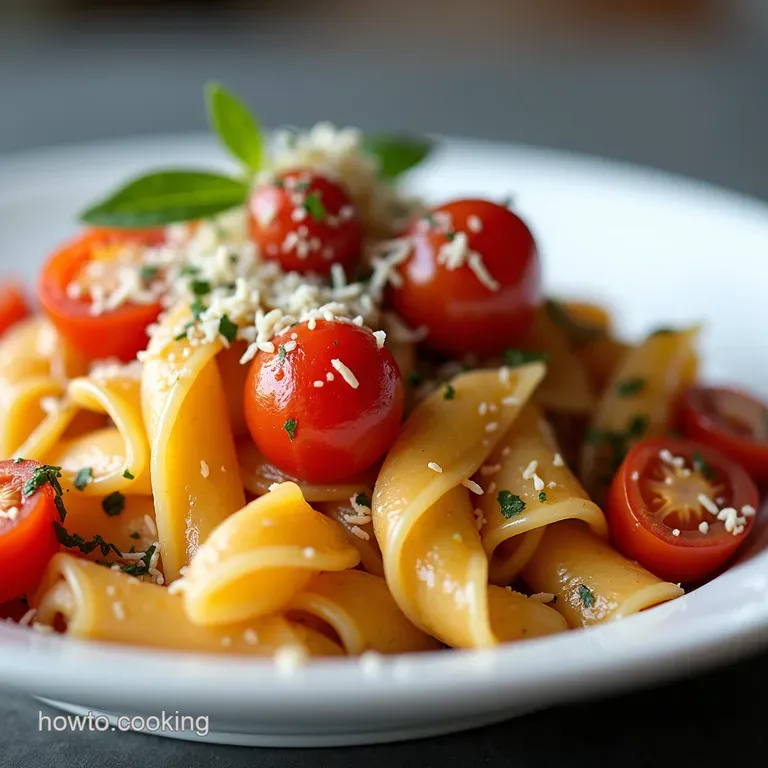
- The Alchemy of Slow Roasting: Why This Recipe Shines
- Unlocking Rustic Comfort: Introducing Roasted Tomato and Garlic Ricotta Pasta
- Essential Components for Flavour Depth
- Procuring the Perfect Produce and Dairy Bases
- The Gentle Art of Preparation and Initial Roasting
- Crafting the Velvety Ricotta Base
- Bringing Together Your Roasted Tomato and Garlic Ricotta Pasta Masterpiece
- Maximising Flavour Longevity and Storage Strategies
- Recipe FAQs
- 📝 Recipe Card
The Alchemy of Slow Roasting: Why This Recipe Shines
When we talk about elevating simple ingredients, we are talking about transformation through heat. This Roasted Tomato and Garlic Ricotta Pasta is not merely boiled tomatoes tossed with cheese; it’s an exercise in unlocking the deep, complex sweetness hidden within garden fresh produce.
The magic happens during the slow roasting process. By exposing the tomatoes and whole heads of garlic to a moderate oven temperature for an extended period, we gently caramelise their natural sugars and evaporate excess water.
This low and slow method concentrates the flavour profile, turning what might be a sharp, acidic tomato base into something jammy, rich, and intensely savoury. It’s this foundational depth that distinguishes this dish from quicker weeknight sauces.
Unlocking Rustic Comfort: Introducing Roasted Tomato and Garlic Ricotta Pasta
This specific preparation the Roasted Tomato and Garlic Ricotta Pasta Recipe —is designed to deliver maximum flavour impact with minimal active effort.
It merges the vibrant tang of slow cooked tomatoes with the luxurious, cloud like texture of fresh ricotta cheese, creating a dish that feels sophisticated yet utterly comforting. It is the definitive modern interpretation of Pasta With Roasted Tomatoes And Ricotta , relying on technique rather than an overwhelming ingredient list to achieve its signature creamy texture.
Capturing the Essence of Summer in a Single Dish
Even if you are assembling this dish in the middle of winter, the process of roasting imbues the sauce with the essence of peak summer ripeness. The 2 pints of cherry or grape tomatoes, tossed simply with olive oil, oregano, salt, and pepper, surrender their moisture and intensify their inherent sweetness.
When these burst in the oven, they release aromatic juices that coat the caramelised garlic, creating the bedrock for what will become the magnificent Ricotta Tomato Sauce Pasta .
The Chef’s Philosophy: Simplicity Elevated Through Technique
As cooks, we often overcomplicate things. My philosophy here is to use only the best components in this case, good quality ricotta and fresh herbs and then let the oven do the heavy lifting.
The difficulty level for this Simple Roasted Tomato and Garlic Ricotta Pasta is decidedly easy. Prep involves 15 minutes of assembling the tray, followed by 40– 50 minutes of hands off roasting.
The primary skill required is timing the boil of your 1 pound of pasta (Rigatoni or Penne work beautifully) to coincide with the roast’s completion.
Why Caramelised Garlic Transforms the Final Sauce
If you’ve ever tried to fry raw garlic for a sauce, you know the risk: bitterness. Roasting entire heads of garlic, with the tops trimmed and drizzled generously with olive oil, completely circumvents this problem. The heat penetrates slowly, rendering the cloves soft, sweet, and spreadable, like butter.
Once roasted, this pulp is squeezed out and mashed into the tomatoes. This technique is essential to the success of the Roasted Tomato Garlic Ricotta Pasta Sauce , adding a mellow, nutty sweetness that raw or sautéed garlic simply cannot replicate.
Essential Components for Flavour Depth
To achieve the full potential of this dish, we must focus on the quality of our core components. The recipe is built around three pillars: the intensely flavourful roasted vegetables, the creamy dairy element, and the starchy binder provided by the pasta water.
For a serving size of four generous portions, we rely on a precise balance of these elements. You’ll need those 2 pints of tomatoes, the two whole heads of garlic, about 1/2 cup of packed fresh basil, 1 teaspoon of dried oregano, 1/4 cup of EVOO, and the full 15 ounces of whole milk ricotta.
Procuring the Perfect Produce and Dairy Bases
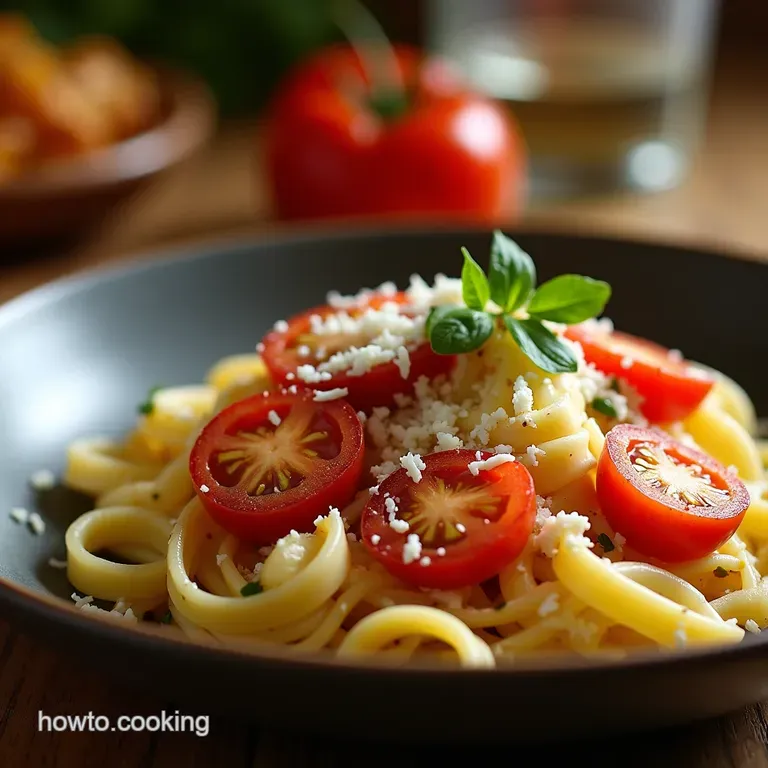
The success of any Roasted Tomato Pasta Recipes hinges on what you select before the oven even turns on. While the roasting process corrects for some imperfections, starting with great ingredients guarantees a spectacular result.
Curating Your Pantry: Measuring Precisely for Success
Precision matters, especially when dealing with delicate dairy like ricotta. Ensure you have your 1/2 cup of freshly grated Parmesan ready to go. While the recipe calls for 1 teaspoon of Kosher salt and 1/2 teaspoon of black pepper for the initial seasoning of the roast, remember that you will be seasoning the pasta water heavily, and then adjusting the final sauce after everything is combined.
Over salting early is an easy mistake to correct by tasting before the final toss.
Choosing the Best Tomatoes: Bursting vs. Firm Varieties
For this specific preparation, cherry or grape tomatoes are ideal because of their high sugar-to-water ratio and thin skins, which allow them to burst beautifully. If you are aiming for the classic Baked Cherry Tomato Pasta texture, keep them whole or simply halved.
Larger tomatoes contain too much water, which can steam the sauce instead of concentrating it. The goal is intense flavour pockets, not a soupy base.
Tools of the Trade: Essential Equipment for Optimal Roasting
A large, rimmed baking sheet is non-negotiable for this process. You need surface area so the tomatoes can roast freely and brown slightly at the edges, rather than steaming in their own juices. Lining this tray with parchment paper makes cleanup virtually nonexistent a major win for any home cook.
You will also need a large pot for the 1 pound of dried pasta and a sizable mixing bowl to bring the final sauce together.
Related Recipes Worth Trying
- The Ultimate Weeknight Shrimp Scampi with Linguine Easy Garlic Shrimp Pasta — Tired of bland pasta This easy shrimp pasta recipe uses white wine and butter to create a luxurious yet light pan sauce in under 35 minutes See how
- CranberryGlazed Roasted Butternut Squash Recipe Easy Side — Make the ultimate Cranberry Glazed Roasted Butternut Squash This easy recipe delivers sweettart flavour perfect for Holiday Roasted Vegetables
- Cloud Nine Chocolate Peanut Butter Swirl Cool Whip Candy — These easy Cool Whip Candy Bars transform simple ingredients into light decadent swirlsa proper treat thats totally nobake Get the foolproof recipe here
The Gentle Art of Preparation and Initial Roasting
Preheat your oven to 400° F ( 200° C). Prepare your baking sheet by lining it neatly. The tomatoes are tumbled onto the sheet, tossed with half the olive oil, oregano, salt, and pepper. Now for the garlic: slice off the top third of each head to expose the cloves.
Place these heads directly on the tray alongside the tomatoes. Drizzle these exposed cut surfaces heavily with the remaining olive oil. This covering shields the garlic from direct, harsh heat while allowing it to steam and soften beautifully inside its papery jacket.
Pop it into the oven for that crucial 40 to 50 minutes.
Crafting the Velvety Ricotta Base
While the roast is achieving its depth, attend to your dairy components. In a large, separate bowl the one where you will eventually mix the entire dish combine the full 15 ounces of whole milk ricotta cheese with the 1/2 cup of grated Parmesan. Set this aside.
The ricotta should be at room temperature if possible, which helps it incorporate smoothly without requiring excessive mixing once the hot components are added later. Do not season this mixture yet; wait until it meets the concentrated tomato juices.
Bringing Together Your Roasted Tomato and Garlic Ricotta Pasta Masterpiece
The grand finale involves synchronising the pasta and the roasted components to create that signature creamy coating. This is where the technique truly shines.
Achieving Deeply Sweet Tomatoes Through Low and Slow Heat
When the tomatoes emerge, they should be gloriously blistered, slightly collapsed, and aromatic. Their juices, mingled with the olive oil and oregano on the tray, form the flavour concentrate. Immediately, you must transfer these tomatoes and all their juices into your bowl containing the ricotta mixture.
Handling the Garlic Cloves: Ensuring Softness, Not Burning
Carefully remove the cooled, roasted garlic heads. Using your fingers, gently squeeze the bottom of each husk. The entire roasted garlic pulp should slip out easily it will look like soft caramel. Add this luxurious paste directly to the tomato and ricotta mixture.
Now, use a fork to mash everything together roughly. You are aiming for a rustic texture where some tomato halves remain intact, rather than a smooth sauce. Stir in the torn basil leaves.
Techniques for Emulsifying the Pasta Water into the Sauce
While the roasting finishes, you should have already brought a large pot of heavily salted water to a boil and cooked your 1 pound of pasta until perfectly al dente —a minute shy of the package instructions.
This next step is vital: Before draining, reserve at least one full cup of that starchy, salty cooking liquid. Drain the pasta and immediately add it to the large bowl containing the thick ricotta tomato mixture.
Now, begin adding the hot pasta water, a splash (about 1/4 cup) at a time, while tossing the pasta vigorously.
The Crucial Step: Marrying Pasta Texture with Creamy Coating
The starch in the water, combined with the heat of the pasta, acts as an emulsifier, binding the fats in the ricotta and oil to the tomatoes. Keep tossing and adding water until the sauce loosens from a thick paste into a glossy, luxurious coating that clings beautifully to every piece of Roasted Tomato and Garlic Spaghetti or rigatoni.
This final toss should be done entirely off the heat to prevent the ricotta from seizing up. Taste and add any necessary final seasoning before serving hot, garnished with more Parmesan.
Maximising Flavour Longevity and Storage Strategies
While this dish is best enjoyed immediately, the robust nature of the roasted tomato base means leftovers are surprisingly good. Understanding how the ingredients behave when cooled helps you preserve that perfect texture.
Keeping Leftovers Fresh: Best Practices for Refrigeration
Once fully cooled, store any remaining Roasted Tomato and Garlic Ricotta Pasta in an airtight container. It will hold up well in the refrigerator for about three days. Note that the sauce will thicken considerably upon chilling as the ricotta re-solidifies slightly.
Freezing Considerations: Can This Recipe Be Stored Long Term?
Freezing is possible but comes with a caveat: dairy texture can sometimes change after thawing. If you must freeze, do so immediately after cooling in single serving containers. When reheating, the sauce may separate slightly.
The best way to revive it is to reheat gently on the stovetop, stirring in a tablespoon or two of fresh milk or reserved pasta water to re-emulsify the sauce back to its creamy state.
Next Level Enhancements: Herbs, Spices, and Textural Additions
To upgrade this dish further, consider tossing in toasted pine nuts or breadcrumbs tossed with a little lemon zest during the final assembly for textural contrast against the smooth ricotta. If you enjoy a smoky depth, add a pinch of smoked paprika to the roasting tray.
For a brighter finish, a squeeze of fresh lemon juice added right before serving cuts through the richness beautifully.
Adjusting Richness: Substitutions for the Ricotta Element
While the Garlic Ricotta Pasta relies on that specific cheese for its light mouthfeel, you can experiment. Substituting the full 15 ounces of ricotta with an equal weight of high-quality Mascarpone will yield an even more decadent, slightly sweeter result.
Conversely, for a lighter profile, you could substitute half the ricotta with Greek yogurt, added after the pasta is cooked and off the heat, stirring very gently to incorporate.
Recipe FAQs
Why is my Roasted Tomato and Garlic Ricotta Pasta sauce a bit grainy instead of creamy?
That's a common pitfall, often down to the heat! Ricotta, much like cottage cheese, doesn't like being scorched. Ensure you take the pasta and sauce mixture off the stovetop before stirring in the ricotta; use only the residual heat from the pasta and the reserved cooking water to emulsify everything gently.
Can I make this dish ahead of time, or is it best fresh out of the oven?
This recipe absolutely sings when it’s fresh, but leftovers are grand. You can roast the vegetables and even mix the ricotta base a day ahead. However, don't mix the pasta in until you are ready to serve; reheat the sauce gently and toss with freshly cooked pasta, adding splashes of water to revive the texture.
I’m a vegetarian, but I love Parmesan. Do I need to substitute the cheese in this Roasted Tomato and Garlic Ricotta Pasta?
A cracking question it's tricky with hard cheeses! Traditional Parmesan (Parmigiano Reggiano) uses animal rennet, meaning it isn't strictly vegetarian. Look specifically for vegetarian hard cheeses labelled as such, or substitute with a good quality vegetarian Pecorino Romano or nutritional yeast for a similar savoury kick.
My tomatoes didn’t look very ‘bursting’ after 40 minutes; should I leave them in longer?
It depends on your oven and the size of your tomatoes. If they haven't collapsed and are still quite firm, leave them another 10 15 minutes, turning the oven up slightly if you think it's running cool.
The key is that deep sweetness and jamminess; if they aren't soft, the sauce won't have that deep flavour profile we are after.
What's the best pasta shape to use if I want the sauce to cling really well?
For this chunky, slightly rustic sauce, you want shapes with ridges or tubes that trap the good bits. Rigatoni is the absolute champion here, as the ricotta mix settles beautifully inside the tube. Penne or even a thick spaghetti like Bucatini also work a treat, ensuring no sauce is left behind on the plate!
Roasted Tomato Ricotta Pasta
Ingredients:
Instructions:
Nutrition Facts:
| Calories | 1207 kcal |
|---|---|
| Protein | 22.1 g |
| Fat | 14.8 g |
| Carbs | 45.0 g |
| Fiber | 18.3 g |
| Sodium | 723 mg |
