Maple Pecan Pie: the Flaky Crown with Signature Brown Butter Notes
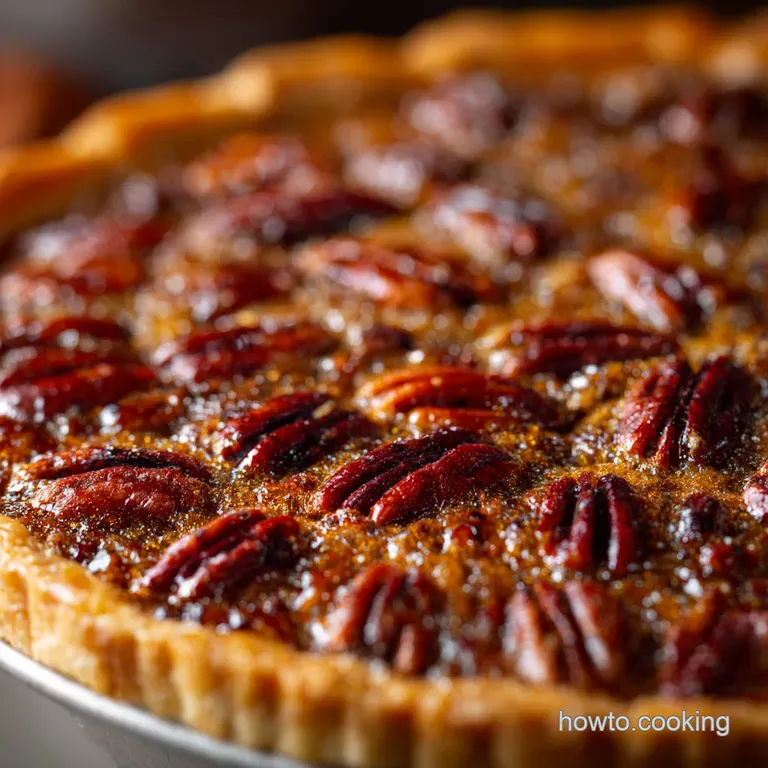
- The Flaky Crown: An Introduction to Signature Maple Pecan Pie
- The Science of a Superior Pecan Pie Filling
- Essential Ingredients for the Best Maple Pecan Pie
- Detailed Method: How to Make Maple Pecan Pie from Scratch
- Troubleshooting and Expert Baking Tips for Pecan Pie Success
- Storage Guide: Keeping Your Maple Pecan Pie Fresh
- Elevating the Experience: Perfect Pairings for Maple Pecan Pie
- Recipe FAQs
- 📝 Recipe Card
The Flaky Crown: An Introduction to Signature Maple Pecan Pie
The moment that smell hits you sweet, earthy maple syrup blending with toasty, caramelized nuts you know the holidays have officially started. This isn't just a dessert; it’s an experience.
We’re talking about a filling so rich and silken it melts on your tongue, held together by the crunchiest, flakiest butter crust imaginable.
Honestly, I used to dread making pecan pie because the traditional recipe was often just too sticky and sugary, sometimes verging on tooth achingly sweet. This Maple Pecan Pie Recipe changes the game entirely.
It’s an absolute lifesaver because we ditch the corn syrup which can be aggressive and one-note for pure, complex maple, making it feel elegant yet incredibly easy to execute. It’s the perfect Holiday Dessert Recipe Easy enough to pull off even when your kitchen is chaos.
If you’ve ever felt intimidated by pie, trust me, this recipe is your entry ticket to success. It delivers maximum flavor with minimal fuss, and once you master the brown butter trick, you’ll never go back.
Let’s crack on and make the best Maple Pecan dessert you’ll ever try!
The Science of a Superior Pecan Pie Filling
The secret to baking the best pie isn't magic, it's just following simple chemistry. We need to create a smooth, emulsified custard, and then bake it gently until the proteins just set. This recipe focuses on creating intense depth of flavor before the pie even goes into the oven.
Ditching Corn Syrup: The Power of Dark Amber Maple
Using pure maple syrup (specifically Grade A Dark or Grade B if you can find it) instead of corn syrup provides a depth of molasses and caramel that is simply unparalleled. Corn syrup primarily provides gloss and viscosity, but maple brings character. It allows the natural flavor of the pecans to shine through, preventing that overwhelming syrupy sweetness that plagues so many traditional versions. If you prefer the classic, intense sweetness, I still recommend trying this modern approach, but you can always check out my notes on making a fantastic Traditional Pecan Pie: The Best Homemade Holiday Baking Recipe as well.
Why Brown Butter is the Secret Ingredient
Browning the butter is probably the simplest, most impactful trick in my baking arsenal. When you melt butter past the point of foaming, the milk solids caramelize, unleashing an incredibly nutty, toasted flavor. We are essentially building a richer flavor foundation for the entire pie.
This deep, nutty taste complements the toasted pecans beautifully.
Recipe Difficulty Assessment (Medium)
While the filling itself is beginner friendly you just whisk and pour the medium rating comes down to the crust. Achieving a perfectly flaky, pre-baked crust without a soggy bottom requires attention and blind baking skills.
But don't worry, even if your crust is slightly imperfect, the filling is so good, no one will complain.
Achieving the Perfect Custard Set (Avoiding Runny Filling)
The filling is essentially a simple custard, relying on the eggs to set the liquids. A runny filling usually means you didn't bake it long enough, or the temperature was too low. We use a precise ratio of eggs to liquid, ensuring a beautiful, firm set that is still tender and silky.
The Maillard Reaction: Browning the Butter for Deep Flavor
The Maillard reaction is just a fancy term for browning, like what happens when you toast bread. By taking the butter past melted to a fragrant, toasty brown, we develop hundreds of new flavor compounds. This rich, deep complexity is what makes this a standout among Southern Recipes Desserts .
Preventing a Soggy Bottom: The Crust Barrier Technique
We tackle the soggy bottom issue head-on by blind baking the crust. This means baking the dough before the filling goes in, creating a sealed, semi cooked barrier. Don't skip the blind bake! Line the crust with parchment and pie weights, and bake until the base is dry and lightly golden. This step guarantees a crisp bottom even when faced with the moist, dense maple filling. Getting the crust right, especially on deeper pies, is crucial; you can see more advanced techniques in my guide for a perfect Pecan Pie: The Cracking Classic Recipe for Deep Dish Perfection .
Essential Ingredients for the Best Maple Pecan Pie
This pie succeeds because we use high-quality ingredients that pull their weight. Don't skimp on the maple syrup; it is the star!
Selecting the Right Pecans and Maple Syrup Grade
Always use fresh pecans; stale nuts ruin the whole pie immediately. For the maple syrup, look for Grade A Dark Robust Taste (or what used to be called Grade B). This dark syrup has the most concentrated maple flavor, which is exactly what we need to stand up to the richness of the butter and nuts.
Toasting the nuts slightly before use is a brilliant way to enhance their natural oils.
Detailed Notes on Butter and Sweetener Choices (Substitution Guide)
| Ingredient | Role | Viable Substitution | Impact on Flavor/Texture |
|---|---|---|---|
| Pure Maple Syrup | Primary sweetener/flavor | Golden Syrup, Dark Corn Syrup | Significantly less maple flavor, generally sweeter/stickier. |
| Pecans | Texture/Fat content | Walnuts, Hazelnuts | Walnuts are slightly more bitter; Hazelnuts are softer. |
| Dark Brown Sugar | Molasses depth/Caramel | Light brown sugar or Muscovado | Lighter flavor, but still works fine. |
| All-Purpose Flour | Crust structure | Pastry flour or 1:1 gluten-free blend | Pastry flour yields a slightly more tender crust. |
| Eggs | Custard set/Binding | No recommended substitution | Crucial for the filling structure. |
Preparing the Flaky Pie Crust Components
The butter for the crust must be icy cold. I recommend cubing it and putting it in the freezer for 10 minutes before blending it into the flour. This ensures those beautiful little pockets of fat that melt in the oven, creating that shatteringly flaky texture.
We are aiming for a classic pâte brisée .
Detailed Method: How to Make Maple Pecan Pie from Scratch
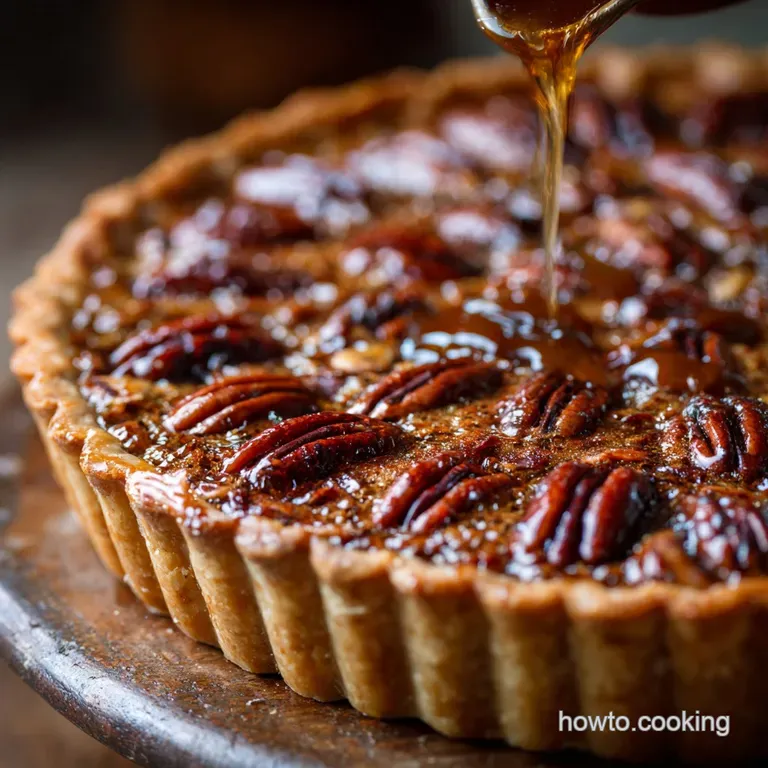
Follow these steps precisely, and you will achieve pie perfection.
Step 1: Crafting the Brown Butter Maple Base
Start by melting the 4 Tbsp of butter over medium heat in a small, light colored saucepan. Using a light pan lets you clearly see the color change. Cook it down, swirling occasionally, until the foam subsides and the solids at the bottom turn dark brown and smell incredibly nutty.
This step only takes about 5 minutes; don't walk away! Pour the brown butter immediately into a bowl to cool slightly. Whisk in the brown sugar, maple syrup, salt, and vanilla. Finally, whisk in the lightly beaten eggs and cream until smooth.
Step 2: Assembling the Pie Shell and Pecan Placement
The pie shell should be fully blind baked and still slightly warm. Scatter about 1 cup of pecans evenly across the bottom of the shell. Pour the filling mixture directly over the nuts. The warm crust helps start the setting process immediately.
Arrange the remaining pecans artfully on top of the liquid filling; they will float up a bit but should stay in place during the bake.
Step 3: Precise Baking Temperatures and Time Checks
Bake the pie in a preheated 350°F (175°C) oven. This low, slow temperature is essential for setting the custard gently without curdling it. Check the pie at the 50 minute mark. If the crust edges are already dark, cover them with foil (see troubleshooting below).
Step 4: Cooling and Setting the Finished Pie
The hardest part of baking pie is the waiting! When the pie is done, the edges will be firm, but the center (about a 2 inch circle) will have a slight jiggle, like gelatin. Remove it immediately.
You must allow this pie to cool for a minimum of 3 to 4 hours, or preferably overnight, at room temperature. This cooling period is when the residual heat fully sets the center, yielding that perfect, sliceable custard.
Troubleshooting and Expert Baking Tips for Pecan Pie Success
Solving the Crack Problem: Temperature Management
Pecan pie cracks when it cools down too rapidly, causing the surface to shrink faster than the inner filling. To prevent this, place the hot pie on a cooling rack that is still inside the turned off oven, keeping the door slightly ajar.
Allow it to cool there for 30 minutes before moving it completely to the counter. Slow cooling is the key to that glassy surface.
How to Prevent the Pecans from Burning (The Foil Shield Trick)
Because the pie bakes for nearly an hour, the exposed pecans and crust edges often scorch first. If you notice your pie is browning too quickly after 30 minutes, simply tear off two large pieces of foil.
Crimp them together to create a large shield, then carefully place the foil tent over the pie, shielding the nuts and the crimped crust edges. This simple trick is a game changer.
Recognizing When Your Pecan Pie is Truly Done
Don't rely just on time! The jiggle test is the ultimate indicator. Gently nudge the rack. If the entire pie wobbles like a pond ripple, it needs more time. If only the dead center wiggles gently (like firm Jell-O), it’s done.
If you bake it until completely firm, the filling will become dry and grainy.
Storage Guide: Keeping Your Maple Pecan Pie Fresh
Short Term Storage (Room Temperature vs. Refrigerated)
Because this recipe contains eggs, it is safer to refrigerate it after it has cooled completely. If you are serving it the same day it’s baked, it’s fine to leave it loosely covered at room temperature for up to 8 hours. For longer storage, keep it in the fridge.
It will stay delicious for 3 to 4 days, provided it’s wrapped tightly.
Freezing a Baked Pecan Pie (Best Practices)
Yes, this pie freezes beautifully! Once completely cooled, wrap the entire pie (still in its pan) tightly in plastic wrap, then seal it again in heavy duty foil. It can be frozen for up to 3 months. Thaw it overnight in the refrigerator before reheating.
Reheating Slices for Peak Texture
I love leftover pie! To bring back that glorious texture, preheat your oven to 300°F (150°C). Place individual slices on a baking sheet and reheat for 10 to 12 minutes. This warms the filling slightly and, more importantly, crisps the bottom crust again.
Trust me, a warm, crisp crust makes all the difference.
Elevating the Experience: Perfect Pairings for Maple Pecan Pie
This rich, caramelized dessert begs for something to cut through its sweetness.
Crucial Chef’s Note: Never serve rich pies without a contrast. A scoop of vanilla ice cream is nice, but a slightly tart component is truly magnificent.
Pairing Suggestions
- Crème Fraîche or Sour Cream: The mild tanginess immediately balances the maple’s sugary notes, making every bite feel lighter.
- Bourbon Whipped Cream: If you want to lean into the warming flavors, whip heavy cream with a splash of bourbon and a touch of confectioner’s sugar.
- Coffee or Tea: Serve with a very strong, black coffee or a dark, malty Assam tea.
- A Savory Starter: If you're using this for a holiday meal, balance the meal with something savory and complex, like my famous Thanksgiving Side Dishes: Sticky Maple Balsamic Brussels Sprouts Recipe . The pairing is unexpectedly good!
Recipe FAQs
Why is the center of my Maple Pecan Pie filling still runny after the recommended baking time?
The filling is likely underbaked; doneness in pecan pie is often judged visually, which can be tricky. The pie is fully set when the internal temperature reaches 200°F (93°C) and it only has a slight jiggle in the very center, like firm gelatin.
If the crust edges are browning too quickly, use strips of foil to shield them and continue baking until the filling sets completely.
How do I ensure my bottom crust doesn't end up soggy?
Preventing a soggy bottom starts with thorough chilling and blind baking (pre-baking) the crust until the dough is set but not browned. Another effective technique is placing the pie plate onto a preheated baking stone or baking steel, which quickly conducts heat directly to the bottom crust.
Ensure the filling is completely cool before slicing, as cutting too early releases steam that softens the base.
Can I substitute traditional corn syrup for the dark amber maple syrup in this recipe?
While corn syrup can technically be substituted 1:1 due to its thickening properties, it is not recommended if you want the signature flavor profile of this recipe. The dark amber maple syrup provides essential depth, complexity, and earthiness that cuts through the sweetness, a crucial element missing in standard corn syrup.
Using corn syrup will result in a much sweeter and less nuanced filling.
Is browning the butter truly essential for this recipe, or can I skip that step?
Browning the butter is highly encouraged, as it introduces subtle but necessary notes of toasted hazelnut and rich caramel that differentiate this recipe. While the pie will still set using plain melted butter, skipping this quick step removes a crucial layer of complex flavor designed to complement the maple syrup.
This added depth is key to achieving that signature spot-on taste.
My top layer of pecans started burning before the filling was completely set. What should I do?
Pecans contain high oil content and can burn easily, especially during the long bake time required for the filling to set. If the nuts look sufficiently toasted about halfway through the process, simply tent the entire pie loosely with aluminum foil.
This shields the top layer from direct oven heat, allowing the center filling to finish cooking without over browning the pecans.
What is the best way to store leftover Maple Pecan Pie, and can I freeze it?
Store the cooled pie loosely covered at cool room temperature for up to 2 days, or place it in the refrigerator for extended freshness up to 5 days. Pecan pie freezes exceptionally well; slice the pie, wrap individual slices tightly in plastic wrap, then foil, and freeze for up to two months.
Thaw slices overnight in the refrigerator before serving.
Can I substitute the pecans with other nuts for a variation?
Pecans offer the perfect density and oil content for the filling structure, but you can certainly substitute walnuts or a mixture of walnuts and pecans if preferred. Avoid using softer nuts like cashews, which tend to become too mushy when suspended in the heavy filling.
If adding chocolate, use high-quality dark chocolate chips (about 1/2 cup) and sprinkle them over the bottom crust.
Signature Maple Pecan Pie Recipe
Ingredients:
Instructions:
Nutrition Facts:
| Calories | 506 kcal |
|---|---|
| Protein | 6.0 g |
| Fat | 32.0 g |
| Carbs | 52.0 g |
