Slow Cooker Beef Stew: Fork Tender
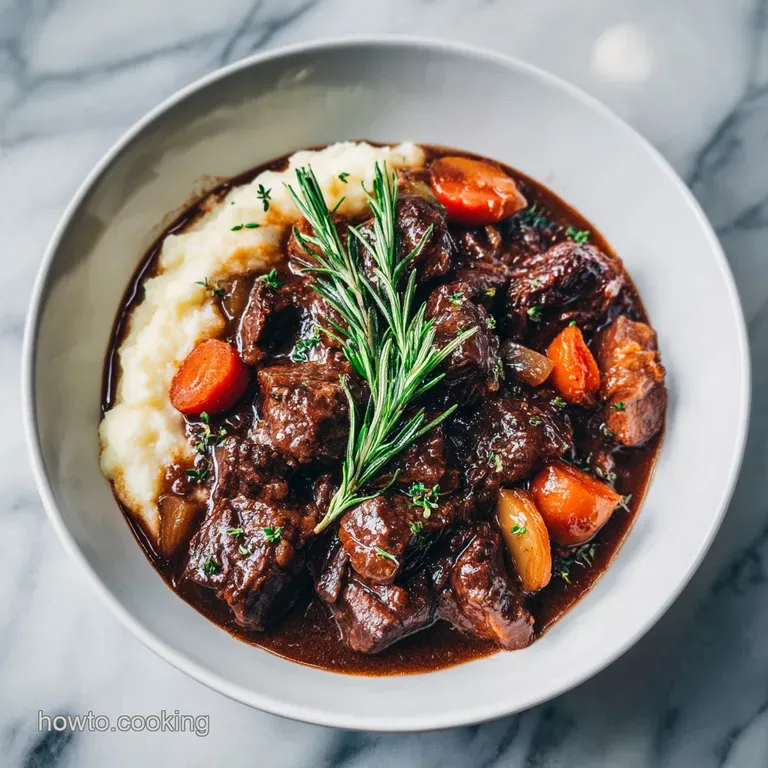
- Time: Active 15 minutes, Passive 8 hours, Total 8 hours 15 mins
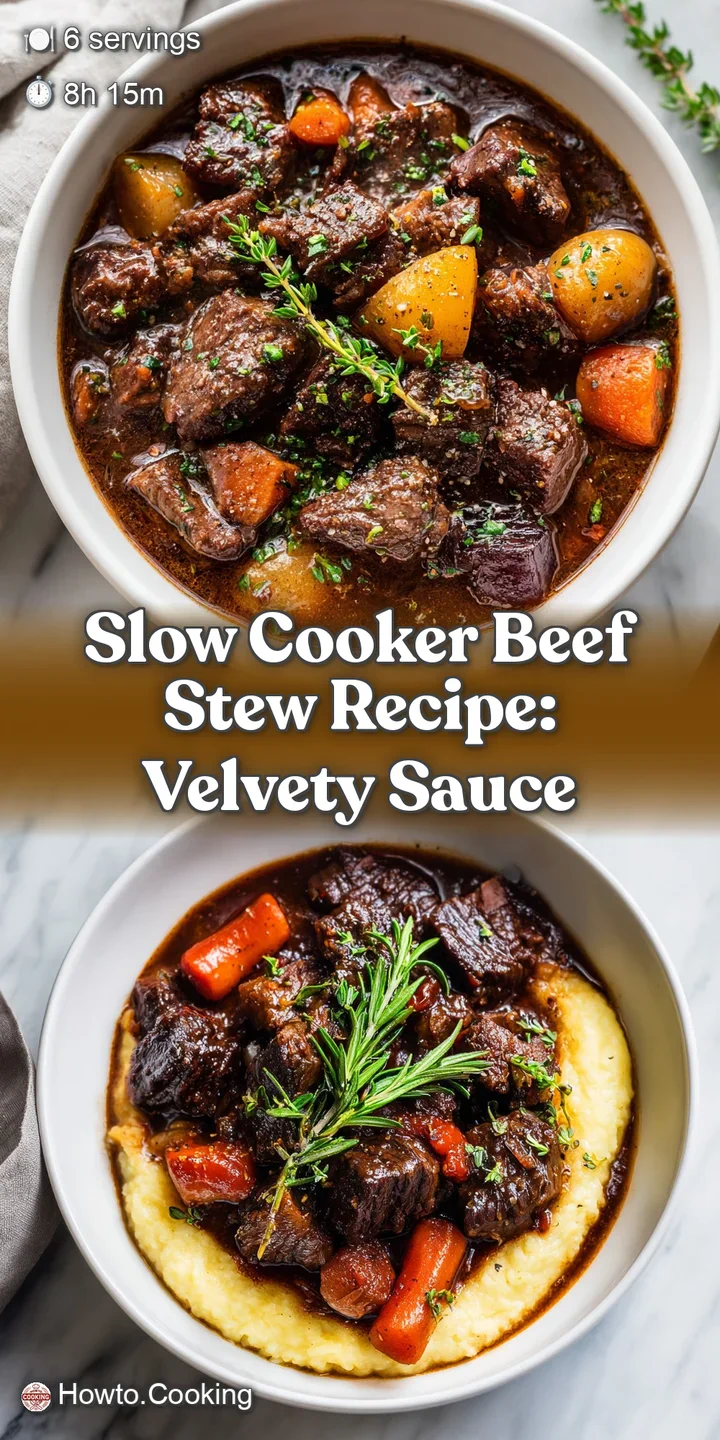
- Flavor/Texture Hook: Velvety sauce with succulent, melt in-the mouth beef
- Perfect for: Stress free Sunday family dinners or nutritious weekday meal prep
- Creating a Cozy Slow Cooker Beef Stew Masterpiece
- The Science Behind Succulent Slow Cooked Beef
- Precise Preparation and Nutritional Values Per Serving
- Curating Wholesome Elements for a Rich Stew Base
- Tools for Achieving the Ultimate Velvety Texture
- Step-by-Step Technique for a Wholesome Family Meal
- Troubleshooting Texture and Flavor for Confidence
- Smart Substitutions for Every Home Pantry Need
- Adapting the Recipe Volume for Every Family
- Busting Heat Myths in the Kitchen
- Preserving Freshness for Future Wholesome Dinners
- Finishing Touches for a Beautiful Table Presentation
- High in Sodium
- Recipe FAQs
- 📝 Recipe Card
Creating a Cozy Slow Cooker Beef Stew Masterpiece
The sizzle of beef cubes hitting a hot cast iron pan is the first sign that something special is happening in your kitchen. I still remember the first time I tried to make a stew without browning the meat first. It was a cold Tuesday, and I was in a rush, so I dumped everything into the crock pot raw.
Eight hours later, I didn't have a meal; I had a gray, bland disappointment that lacked any depth. That was the day I learned that flavor isn't just about ingredients it's about the chemistry of the sear.
Since then, I've spent years obsessing over the exact ratio of liquid to starch and the way different root vegetables respond to a long, slow braise. We aren't just making dinner here; we are building a foundation of warmth for our families.
This specific method ensures the potatoes hold their shape while the beef yields to the gentlest pressure of a fork. It’s about building confidence in the kitchen and understanding that a few intentional steps at the start lead to a wholesome, nutrient dense result that feels like a hug in a bowl.
The Science Behind Succulent Slow Cooked Beef
- Collagen Conversion: Tough connective tissues in chuck roast require sustained heat at approximately 72°C (160°F) to transform into gelatin, providing a silky mouthfeel.
- Maillard Reaction: Searing the beef before slow cooking creates complex flavor molecules that a simmer alone can never achieve.
- Starch Gelatinization: The flour coating on the beef reacts with the beef broth to create a natural thickening agent that prevents a watery consistency.
- Osmotic Balance: Salt draws moisture out of the vegetables initially, but the low and slow process allows them to reabsorb the seasoned broth, flavoring them from the inside out.
| Thickness of Beef | Internal Temp | Rest Time | Visual Cue |
|---|---|---|---|
| 1.5 inch cubes | 90°C (195°F) | 10 minutes | Beef shreds easily with a fork |
| 1 inch cubes | 88°C (190°F) | 5 minutes | Fibers pull apart with light pressure |
| 2 inch cubes | 92°C (198°F) | 15 minutes | Meat appears dark and glistening |
Understanding these checkpoints helps you maintain control over the texture. If you're looking for a different spin on comfort food that uses similar foundational skills, my Beef and Rotini recipe uses a similar browning technique to build a rich, savory profile in a much shorter timeframe.
Precise Preparation and Nutritional Values Per Serving
| Ingredient | Science Role | Pro Secret |
|---|---|---|
| Beef Chuck Roast | High collagen content | Trim excess external fat but keep the internal marbling for moisture. |
| Dry Red Wine | Acidity and tannins | The acid helps break down muscle fibers while tannins add a "roasted" depth. |
| Baby Yellow Potatoes | Low starch structure | These hold their shape better than Russets during an 8 hour cook cycle. |
| All Purpose Flour | Emulsification agent | Toasting the flour on the meat prevents a "raw" grain taste in the sauce. |
When we choose our components with intention, we ensure a wholesome outcome. Using a low sodium beef broth allows us to control the seasoning precisely, ensuring the final dish is flavorful without being overly salty. This is especially important when using a soup mix, which already contains concentrated aromatics.
Curating Wholesome Elements for a Rich Stew Base
- 2 lbs beef chuck roast: Trimmed and cut into 1.5 inch cubes. Why this? Chuck roast has the perfect fat to lean ratio for long cooking.
- Substitute: Beef brisket (cut into chunks) provides a similarly tender result.
- 1/4 cup all purpose flour: Used for dredging. Why this? It creates the initial thickening "roux" right in the pan.
- Substitute: Cornstarch (use half the amount) if you need a gluten-free thickener.
- 1 tsp kosher salt: For seasoning. Why this? Coarse grains distribute more evenly on meat surfaces.
- Substitute: Sea salt works well; just use slightly less by volume.
- 1/2 tsp freshly cracked black pepper: For a subtle bite. Why this? Freshly ground oils are more potent than pre ground pepper.
- Substitute: White pepper for a milder, more earthy heat.
- 1 packet (28g) slow cooker beef stew onion soup mix: For concentrated flavor. Why this? It provides a consistent savory backbone with minimal effort.
- Substitute: A mix of dried onion flakes, beef bouillon, and onion powder.
- 2 cups low sodium beef broth: The liquid base. Why this? Provides moisture without making the stew too salty.
- Substitute: Vegetable broth or even water with an extra splash of Worcestershire.
- 1/2 cup dry red wine: Such as Cabernet or Merlot. Why this? Deglazes the pan and adds sophisticated fruity notes.
- Substitute: Pomegranate juice or extra broth with a teaspoon of balsamic vinegar.
- 2 tbsp Worcestershire sauce: For umami depth. Why this? Adds fermented complexity that mimics hours of reduction.
- Substitute: Soy sauce or tamari for a similar savory punch.
- 3 cloves garlic, minced: Essential aromatics. Why this? Fresh garlic provides a sharp contrast to the sweet vegetables.
- Substitute: 1 tsp garlic powder added to the broth.
- 1.5 lbs baby yellow potatoes, halved: Structure and heartiness. Why this? Their waxy skin keeps them intact during the long simmer.
- Substitute: Red potatoes or Yukon Gold chunks.
- 4 large carrots, cut into 1 inch rounds: For sweetness. Why this? Thick cuts prevent them from turning into mush.
- Substitute: Parsnips for a more peppery, nutty flavor.
- 2 stalks celery, sliced: For herbal notes. Why this? Adds a classic "mirepoix" foundation to the aroma.
- Substitute: Fennel bulb for a slight licorice undertone.
- 1 large yellow onion, coarsely chopped: For sweetness. Why this? Yellow onions hold up better than white ones in slow cookers.
- Substitute: Two large shallots for a more delicate flavor.
- 2 sprigs fresh rosemary: For evergreen aroma. Why this? Fresh herbs release oils slowly over 8 hours.
- Substitute: 1/2 tsp dried rosemary, though it's less vibrant.
- 3 sprigs fresh thyme: For earthy balance. Why this? Thyme bridges the gap between the beef and the wine.
- Substitute: 1/2 tsp dried thyme or oregano.
Tools for Achieving the Ultimate Velvety Texture
To get the most out of this recipe, a high-quality slow cooker is your best friend. I prefer one with a ceramic insert as it distributes heat more evenly than metal ones. You’ll also need a heavy bottomed skillet, preferably cast iron, to get that dark, crispy sear on the beef.
A sharp chef’s knife is vital for those 1.5 inch cubes; if the meat is ragged, it won't brown evenly.
Don't forget a sturdy wooden spoon for deglazing. When you pour that red wine into the hot skillet after searing the beef, you need to scrape up every bit of the browned bits (the "fond"). That's where the soul of the stew lives. If you skip this, you’re leaving the best flavors behind in the pan.
step-by-step Technique for a Wholesome Family Meal
- Prep the protein. Pat the 2 lbs beef chuck roast completely dry with paper towels. Note: Moisture on the surface creates steam, which prevents a proper sear.
- Coat the beef. Toss the beef cubes in a bowl with 1/4 cup all purpose flour, 1 tsp kosher salt, and 1/2 tsp black pepper until every side is dusted.
- Sear the meat. Heat a tablespoon of oil in a skillet over medium high heat. Brown the beef in batches until a dark, crusty exterior forms. Note: Do not overcrowd the pan or the temperature will drop.
- Deglaze the skillet. Pour 1/2 cup dry red wine into the hot pan, scraping the bottom until the liquid turns dark and the pan is clean.
- Layer the base. Place 1 large yellow onion, 2 stalks celery, 4 large carrots, and 1.5 lbs baby yellow potatoes into the slow cooker insert.
- Add the aromatics. Stir in 3 cloves minced garlic, 2 tbsp Worcestershire sauce, and the packet of onion soup mix.
- Introduce the liquid. Pour in 2 cups low sodium beef broth along with the wine and juices from the skillet until the vegetables are mostly submerged.
- Nestle the herbs. Place 2 sprigs rosemary and 3 sprigs thyme on top of the mixture.
- Slow braise. Cover and cook on Low for 8 hours until the beef is succulent and the sauce is velvety.
- Final rest. Remove the herb sprigs and let the stew sit uncovered for 10 minutes until the sauce thickens slightly before serving.
Chef's Tip: If you want a truly translucent, glossy sauce, whisk in a tablespoon of cold butter just before serving. It emulsifies the fats and gives it a professional finish.
Troubleshooting Texture and Flavor for Confidence
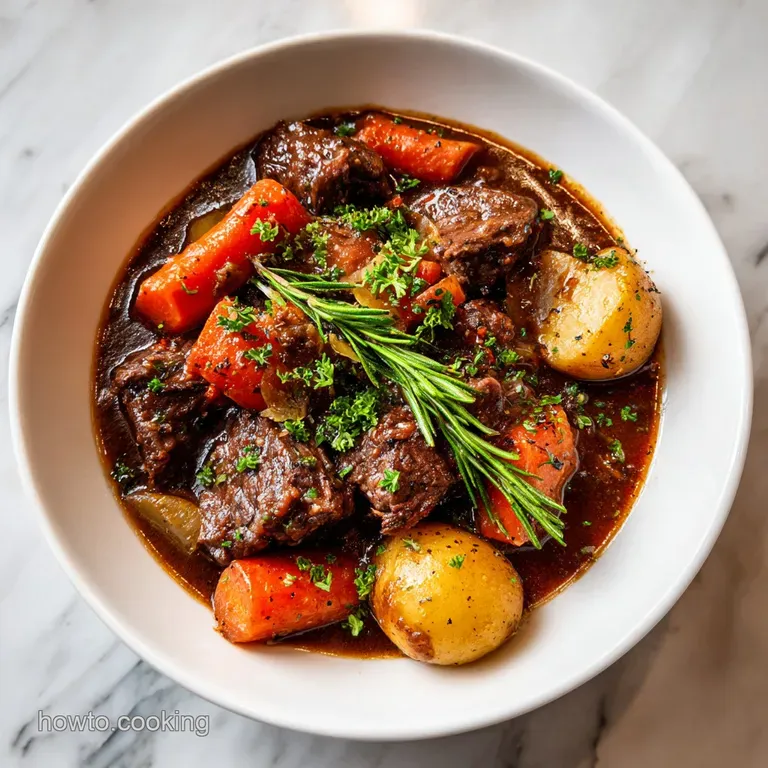
Why is my beef tough after 8 hours?
Beef chuck roast is a muscle used for heavy lifting, meaning it's packed with fibers. If it's still tough, it simply hasn't reached the temperature where the collagen melts. Every slow cooker is different; sometimes an extra 30 minutes is all it takes for the meat to suddenly "give" and become tender.
The stew is too watery
This usually happens if the vegetables release more moisture than expected. You can fix this by removing a cup of the liquid, whisking it with a little more flour or cornstarch, and stirring it back in. However, the best method is simply letting it sit uncovered for 15 minutes after cooking.
| Problem | Root Cause | Solution |
|---|---|---|
| Bland flavor | Lack of salt or acidity | Add a splash of red wine vinegar or a pinch of salt at the end. |
| Mushy potatoes | Cut too small | Ensure potatoes are at least 1 inch thick; halving baby potatoes is best. |
| Gray meat | No searing Batch | Sear the beef in two or three batches to keep the pan screaming hot. |
Common Mistakes Checklist ✓ Pat the beef dry before flouring (prevents a gummy coating). ✓ Never skip deglazing the pan with wine or broth (saves the flavor). ✓ Resist the urge to peek; opening the lid adds 20 minutes to the cook time.
✓ Use "Low" heat whenever possible; "High" can sometimes toughen the meat fibers. ✓ Ensure the potatoes are at the bottom or sides where heat is most consistent.
Smart Substitutions for Every Home Pantry Need
Feeding a family on a budget doesn't mean sacrificing nutrition or taste. If you find chuck roast is too expensive this week, you can use beef stew meat, which is often a mix of trimmings. Just be aware that because the pieces vary in cut, some might be more tender than others.
I’ve found that adding a few extra root vegetables like parsnips or even rutabaga can stretch the meat further while adding a lovely earthy sweetness.
| Original Ingredient | Substitute | Why It Works |
|---|---|---|
| Dry Red Wine (1/2 cup) | Beef Broth + 1 tsp Balsamic | Provides the necessary acidity without the alcohol content. |
| Fresh Rosemary/Thyme | Dried Herbs (1 tsp total) | Concentrated flavor. Note: Add earlier in the cook cycle to rehydrate. |
| All Purpose Flour | Cornstarch (2 tbsp) | Creates a glossy, gluten-free thickener. Mix with cold water first. |
If you are a fan of traditional methods, you might also enjoy the depth found in My Grandmother's Slow Cooked recipe, which uses a similar slow and steady philosophy but with a focus on French aromatics.
Adapting the Recipe Volume for Every Family
When scaling this recipe down for two people, you can halve all ingredients, but I recommend keeping the liquid at about 60% of the original amount. Slow cookers require a minimum amount of liquid to function safely and prevent burning.
Use a smaller 3 quart slow cooker if you have one to ensure the heat surrounds the food properly.
For large gatherings, you can easily double the recipe in a 6 quart or 7 quart slow cooker. However, do not double the salt or Worcestershire sauce immediately. Start with 1.5x the amount, taste it at the 7 hour mark, and adjust. Spices and salts tend to intensify in larger volumes over long periods.
You may also need to increase the cook time by about 45 minutes as the larger mass takes longer to reach the target temperature.
| Method | Time | Texture | Best For |
|---|---|---|---|
| Slow Cooker (Low) | 8 hours | Most tender, integrated flavors | Hands off prep, busy workdays |
| Heavy Pot (Oven) | 3 hours 180°C | Crispy top, thick reduction | Weekend cooking, deep browning |
| Stovetop Simmer | 2 hours 30 mins | Fresh vegetable texture | Quicker results, requires monitoring |
Busting Heat Myths in the Kitchen
A common misconception is that searing meat "seals in the juices." Science tells us this isn't true; moisture is lost regardless of the crust. The real reason we sear is for the Maillard reaction the chemical dance between amino acids and sugars that creates that "browned" flavor we crave.
Another myth is that you must submerge everything in liquid. In a slow cooker, the lid creates a closed environment where steam does much of the work. Too much liquid will actually dilute your sauce and leave you with a soup rather than a stew.
Preserving Freshness for Future Wholesome Dinners
Storage: This stew actually tastes better the next day as the flavors continue to marry in the fridge. Store it in an airtight container for up to 4 days. The starch in the potatoes will thicken the sauce even further as it cools, so you may need a splash of broth when reheating.
Freezing: You can freeze this for up to 3 months. However, be aware that potatoes can sometimes become slightly grainy after thawing. To minimize this, ensure they are fully submerged in the sauce before freezing. Thaw overnight in the refrigerator before reheating.
Zero Waste: Don't throw away your celery leaves! Coarsely chop them and use them as a fresh, peppery garnish. If you have leftover sauce but no meat or veg, it makes an incredible gravy for mashed potatoes or a base for a quick beef and barley soup the following night.
Finishing Touches for a Beautiful Table Presentation
To serve this with confidence, think about color contrast. A dark, rich stew looks best against a bright pop of green. A handful of fresh parsley or those saved celery leaves can make the dish look as nutritious as it feels. Serve it in wide, shallow bowls to show off the chunks of beef and vibrant carrots.
If you have a bit of crusty bread, toast it with a little garlic butter. It’s the perfect tool for wiping the bowl clean and ensuring not a single drop of that velvety sauce goes to waste. If you’re feeling fancy, a small dollop of horseradish cream on the side can provide a sharp, cold contrast to the deep, warm flavors of the beef. For those who love a bit of crunch with their beef, consider trying a Royal Ribbons Grilled recipe as an appetizer for your next dinner party. It uses similar beefy flavors but in a completely different, elegant format.
High in Sodium
895 mg mg of sodium per serving (39% of daily value)
The American Heart Association recommends limiting sodium intake to about 2,300mg per day for overall cardiovascular health.
Tips to Reduce Sodium in Your Beef Stew
-
Skip the Soup Mix-30%
Eliminate the slow cooker beef stew onion soup mix entirely. This is a major source of sodium. Instead, enhance flavor with fresh herbs and spices.
-
Broth Swap-25%
Use no-salt added beef broth instead of low-sodium broth. This simple swap significantly cuts down on the total sodium content.
-
Salt Control-20%
Reduce the amount of kosher salt added to the recipe, or eliminate it entirely. Taste the stew after cooking and add a pinch of salt only if needed.
-
Worcestershire Watch-15%
Limit Worcestershire sauce, or substitute with a low-sodium alternative. Many brands are high in sodium.
-
Herb Power
Boost flavor with fresh herbs and spices like rosemary, thyme, garlic, black pepper, and bay leaf. These enhance taste without adding sodium.
Recipe FAQs
How to make the best beef stew in a slow cooker?
Sear the cubed beef first until a dark, rich crust forms on all sides before adding it to the cooker. This crucial Maillard reaction creates the complex, savory base flavor that simmering alone cannot achieve.
You should also deglaze the pan with red wine or broth to capture all those flavorful browned bits.
Do you have to brown stew meat before putting it in the crockpot?
Yes, absolutely. Browning the beef creates the necessary flavor foundation through caramelization, transforming dull meat into a rich, savory experience. Without this step, the stew risks tasting flat or boiled, even after hours of slow cooking.
Can you put raw beef in a slow cooker for stew?
Yes, you can, but it is strongly discouraged for flavor reasons. While the meat will cook through and become tender, skipping the sear results in a grayish color and a significantly flatter, less developed flavor profile. You lose all the depth from the Maillard reaction.
What are common mistakes when making beef stew?
Overcrowding the pan during the sear is the most common error. When you crowd the beef, the temperature drops, causing the meat to steam instead of brown, resulting in a pale crust. If you need more space, cook the meat in several small batches to ensure a proper sear on every cube.
Should I add potatoes at the beginning or halfway through cooking?
Add firm root vegetables like potatoes and carrots at the beginning so they have enough time to become tender alongside the beef. If you prefer your potatoes very firm or are using high starch varieties, add them for the final 3 hours of cooking instead.
My stew is too thin; how can I fix the sauce consistency?
Thicken the sauce using a slurry of cornstarch and cold water whisked together thoroughly before stirring it in. Do this near the end of cooking, right before serving, to activate the thickening agent. Mastering this technique is similar to stabilizing sauces in our Proper Comfort Classic recipe, where structure is key.
Can I use chuck roast instead of pre-cut stew meat?
Yes, chuck roast is often the superior choice for texture. Cut the roast into uniform 1.5 inch cubes yourself, trimming excess tough silver skin but leaving the intramuscular fat. This controlled cutting ensures every piece cooks down evenly, yielding the most succulent results, much like when preparing for a Shredded Beef Enchiladas recipe.
Slow Cooker Beef Stew
Ingredients:
Instructions:
Nutrition Facts:
| Calories | 438 calories |
|---|---|
| Protein | 35.2 g |
| Fat | 14.2 g |
| Carbs | 38.4 g |
| Fiber | 4.1 g |
| Sugar | 5.9 g |
| Sodium | 895 mg |
