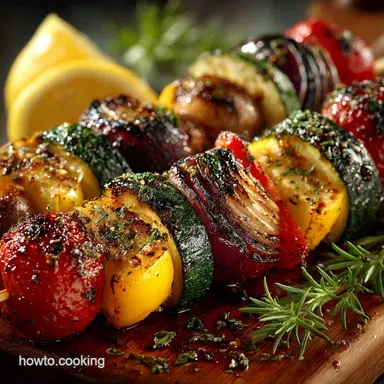
Smoky Lemon Herb Vegetable Kebabs the BBQ Crowd Pleaser
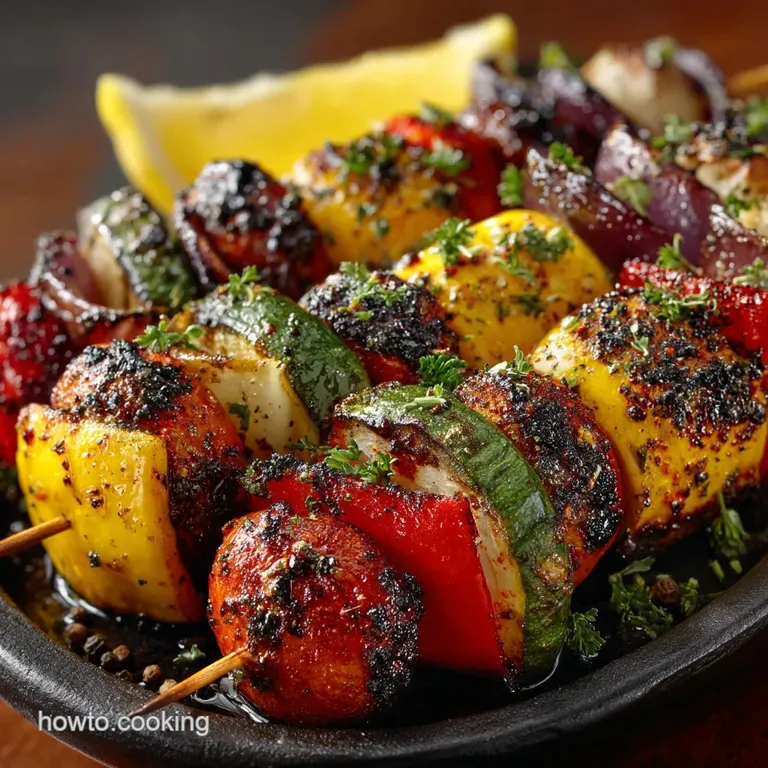
The Secret to Show-Stopping Summer Grilling
Every great cook knows that the true magic of warm-weather dining often happens over an open flame. While meat-based skewers often take center stage, mastering truly incredible Vegetable Kebabs transforms your barbecue game entirely.
These aren't simply a side dish; when treated with the proper care and a powerful marinade, these vegetable skewers become the vibrant, smoky, and satisfying centerpiece of any meal.
Our recipe is designed to be incredibly approachable, rated Easy, making it suitable for beginner cooks, yet the resultant flavor profile is complex enough to impress even the most seasoned grill masters.
With a prep time of just 20 minutes, followed by a minimum of 30 minutes marinating, you are only about an hour away from serving eight perfectly charred Vegetable Kabobs .
Unlocking the Smoky, Bright Flavor Profile
The success of these Vegetable Skewers hinges entirely on a phenomenal marinade, which we've designed to be simultaneously bright and deeply savory. The foundation is a punchy, Mediterranean mixture driven by fresh acid and aromatic spice.
We use generous amounts of fresh lemon juice, which not only tenderizes the vegetables slightly but carries flavor deep into the flesh. Crucially, we incorporate smoked paprika, the essential ingredient that delivers that coveted outdoor, open-fire character, even if you’re cooking indoors.
This is beautifully balanced by fragrant dried oregano and freshly minced garlic, ensuring every piece of produce is coated in a powerful, zesty seasoning, elevating this far beyond standard Kabob Recipes .
The Perfect Pairing: What to Serve Alongside Your Kebabs
Because these Vegetable Kabobs carry such a dominant, zesty flavor thanks to the lemon-herb profile, they pair best with cooling, creamy accompaniments and light starches.
We strongly recommend a generous dollop of fresh, homemade Tzatziki or rich, classic Hummus; the cool dairy or chickpea blend provides a delightful contrast to the smoke and char from the grill.
For a light carbohydrate, serve the kebabs alongside a fluffy Lemon Herb Couscous or Pilaf Rice, which eagerly soaks up any residual marinade juices that drip off the vegetables. If you are serving this for a summer gathering, consider wrapping the grilled produce in warm, slightly charred Pita Bread.
Complement the bright flavors with a crisp, dry Sauvignon Blanc for the ultimate dining experience.
Assembling the Ultimate Vegetable Kebabs Toolkit
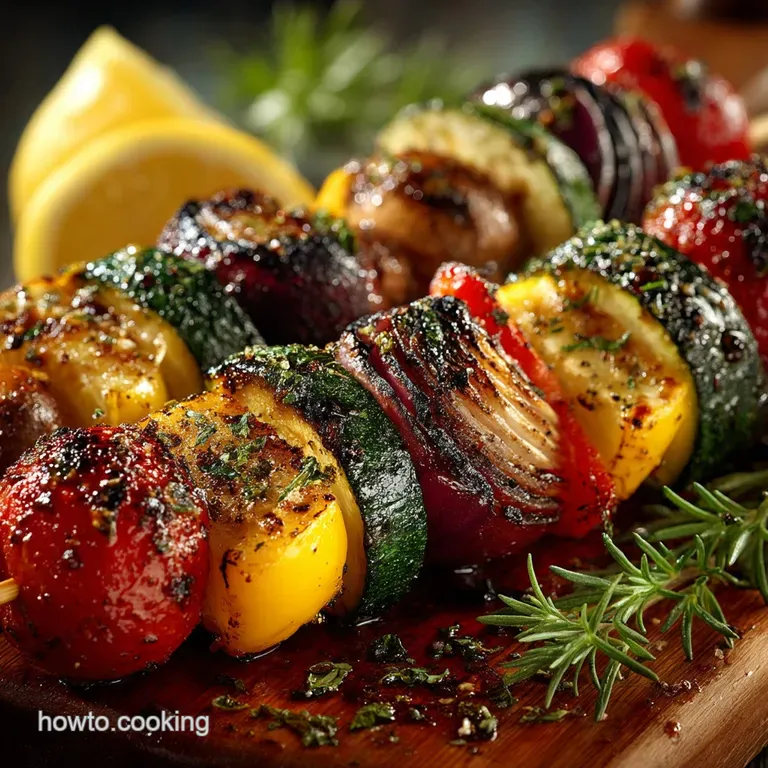
Transitioning from theory to execution requires gathering the highest quality ingredients to ensure these Healthy Grilling Recipes truly shine. The preparation for both the marinade and the produce is key to optimizing flavor and ensuring uniform cooking results.
The Bright & Punchy Lemon-Herb Marinade Ingredients
The marinade is simple yet potent. Start with 1/4 cup (60 ml) of high-quality Extra Virgin Olive Oil as the base, which helps the vegetables caramelize beautifully. This is combined with 3 tablespoons (45 ml) of fresh lemon juice, ensure it’s freshly squeezed for maximum impact.
The flavor depth comes from 3 cloves of finely minced garlic, 1 tablespoon of Smoked Paprika (do not substitute regular paprika here!), 1 teaspoon of dried oregano, and the necessary seasoning of 1/2 teaspoon each of kosher salt and freshly cracked black pepper.
Whisking these together thoroughly ensures the robust spice notes of the Vegetable Kabobs Marinade are evenly distributed before the vegetables are added.
Choosing the Best Produce for Grilling Success
Selecting and prepping the vegetables correctly is critical for consistent texture. Our selection offers great color and structure: 1 large Red Onion, 1 large Green Bell Pepper, and 1 large Yellow or Orange Bell Pepper, all cut into uniform 1-inch (2.5 cm) squares.
For a slightly different shape, 1 medium courgette (zucchini) should be cut into 1/2-inch (1.25 cm) thick rounds. We also use 8 ounces (225 g) of mushrooms (button or cremini), halved if they are large, and a pint (300 g) of whole cherry or grape tomatoes.
The key to successful grilling is ensuring all the hard vegetables are cut roughly the same size, about 1 inch, so they require equal cook time on the Vegetable Kebabs Grill .
Required Equipment: Skewers and Setup
You will require 8 to 10 standard skewers, either bamboo or metal. If you opt for bamboo, you must prepare them by submerging them in cold water for a minimum of 30 minutes before use; this prevents them from igniting on the grill.
Plus,, you will need a large mixing bowl for the marinating process, a whisk for combining the ingredients, and a flat baking sheet or platter for easy transport to and from your heat source, whether you opt for the grill, a grill pan, or the Vegetable Kabobs Oven .
Related Recipes Worth Trying
- The Sunshine Saver Easy Crustless Garden Vegetable Quiche — Say goodbye to fiddly pastry This light Crustless Garden Vegetable Quiche uses fresh produce and a silky custard base A truly nutritious vegetarian meal...
- The Ultimate Vegetable Wellington Recipe Crispy Pastry Perfection — Ditch the soggy bottoms This stunning Vegetable Wellington recipe delivers a rich root vegetable filling wrapped in flaky puff pastry Perfect for elegant...
- Proper PubStyle Chicken Root Vegetable Stew Recipe — This hearty chicken and vegetable stew is pure comfort food Made with root vegetables and tender thighs its the best chicken stew recipe for chilly evenings
From Chopping Board to Char: The Cooking Method
The actual cooking of the Vegetable Kebabs is straightforward, provided you handle the preparation and heat correctly. This process focuses on maximizing flavor absorption and achieving a beautiful, smoky char.
Preparing the Produce and Marinating for Maximum Zest
Once your vegetables are uniformly chopped, combine them immediately with the prepared Lemon-Herb Marinade in a large mixing bowl. Toss the mixture gently but thoroughly until every surface is coated. This initial seasoning is vital.
Cover the bowl and refrigerate the vegetables for a minimum of 30 minutes, though you can extend this up to two hours for a deeper infusion of the smoked paprika and lemon flavor.
Before threading, remember to remove the bamboo skewers from their soaking bath, this simple step is essential for safe grilling.
Expert Techniques for Threading Consistent Vegetable Kebabs
When threading the skewers, aim for visual balance and alternating textures. A recommended pattern might be pepper, mushroom, onion, tomato, and courgette, repeating the sequence. To ensure professional-looking results and prevent the frustrating issue of vegetables spinning when you attempt to flip them on the heat, use the clever double-skewer technique: thread two skewers parallel through the center of the vegetables.
This locks everything in place. Crucially, leave a tiny gap (about 5 millimeters) between each piece of produce; overcrowding the skewer will result in steaming rather than the desired caramelization and char.
Achieving That Perfect Char on the Grill or Oven
Preheat your grill to a steady medium-high heat (about 375° F / 190° C). If grilling isn't an option, these perform beautifully prepared as Vegetable Kabobs Oven roasted at the same temperature, though you may need a final broil for the char, or quickly cooked in the Vegetable Kabobs Air Fryer .
Ensure the grates are lightly brushed with oil to prevent sticking. Place the threaded kebabs directly onto the heat. Cook for 3 to 4 minutes per side, turning frequently. Total cooking time is usually between 12 and 15 minutes, depending on the heat intensity.
The vegetables should be tender-crisp, displaying deep, dark grill marks. Once removed from the heat, transfer them immediately to a platter and finish with a sprinkle of fresh chopped parsley and a final touch of flaky salt, this final seasoning step wakes up the flavor profile after cooking.
Mastering Your Vegetable Kebabs: Troubleshooting and Pro Tips
Even the most straightforward Kabob Recipes benefit from a few expert tips to ensure optimal results and flavor longevity.
Storage and Reheating: Keeping Leftovers Fresh
These vegetable skewers are always best consumed immediately after they come off the heat, but leftovers can certainly be stored. Place any remaining cooked vegetables in an airtight container in the refrigerator, where they will keep well for up to three days.
To reheat, avoid the microwave, which can make the peppers and onions soggy. Instead, reheat them briefly on a baking sheet in a 350° F ( 175° C) oven or utilize the Vegetable Kabobs Air Fryer for a few minutes until warmed through, which helps the vegetables retain a crisp, pleasant texture.
Creative Flavor Swaps and Protein Variation Ideas
Our base recipe is robust enough to handle simple substitutions. If courgette is unavailable, firm chunks of eggplant (aubergine) work well, though they may require slightly longer cooking time.
If you cannot find smoked paprika, substitute regular sweet paprika and add a teaspoon of liquid smoke to the marinade for a similar smoky depth. To turn these from a side dish into a complete meal, elevate them with protein.
Cubes of high-quality Halloumi cheese, which holds its shape exceptionally well on the grill, or firm tofu and paneer can be marinated and threaded right alongside the vegetables for a truly satisfying vegetarian option, expanding your repertoire of Healthy Grilling Recipes .
For an entirely different profile, swap out the lemon-herb marinade for an Asian Sesame style, utilizing soy sauce, sesame oil, and fresh ginger.
The Health Profile: Quick Nutritional Overview
These Vegetable Kebabs are a fantastic way to enjoy summer flavors while maintaining a nutritious diet. They are naturally packed with fiber (approximately 4g per serving) and beneficial antioxidants from the colorful produce.
Based on four generous servings, this dish clocks in around 180 kcal, with moderate fat coming primarily from the healthy olive oil base. Choosing these colorful Vegetable Skewers over heavier fare is an excellent way to keep your outdoor dining both satisfying and health-conscious.
Recipe FAQs
What if I don't have a BBQ? Can I cook these indoors?
No worries, mate! If the weather is playing silly beggars, you can certainly cook these Vegetable Kebabs indoors. Use a hot grill pan or place them on a foil-lined baking sheet and roast them in the oven at 400°F (200°C).
Use the highest heat setting you dare to achieve that lovely caramelisation and char; just ensure you turn them regularly for even colour.
How long should I marinate the vegetables, and how far ahead can I prep?
You can chop the vegetables and mix the marinade up to 24 hours ahead of time, which is cracking for a busy day. However, try not to marinate the vegetables for more than two hours before cooking.
The lemon juice is quite acidic and will start to pickle softer vegetables like courgette and tomatoes, making them mushy and soggy when they hit the heat.
Why do my vegetables keep spinning when I try to turn the skewers on the grill?
That’s a proper nuisance and happens when the vegetables aren't secured firmly! To stop your lovely cubes from doing the twist on the grill, employ the simple double-skewer trick.
Simply thread two parallel skewers through each kebab; this locks the vegetables in place, making them much easier to flip and giving you a bit more control.
Can I add protein or cheese to make these Vegetable Kebabs a main meal?
Absolutely, chuck the lot on! Adding cubes of high-quality Halloumi cheese, firm tofu, or paneer to the skewers turns these into a cracking, substantial main meal. Just remember that Halloumi doesn't need marinating for long, and it cooks quite quickly, so keep an eye on it to ensure it doesn't dry out before the peppers are tender.
I’m using bamboo skewers. Do I really need to soak them, and for how long?
Yes, please do, it’s a crucial step that stops them from catching fire! Soak your bamboo skewers in cold water for a minimum of 30 minutes, or even longer if you have time.
If you skip this, the exposed parts of the bamboo will dry out quickly over the heat and could burn to a crisp before your veg is cooked, which is definitely not what we want.
Smoky Lemon Herb Vegetable Kebabs The Ultimate BBQ Side Dish