Southern Smothered Turkey Wings with Rich Gravy
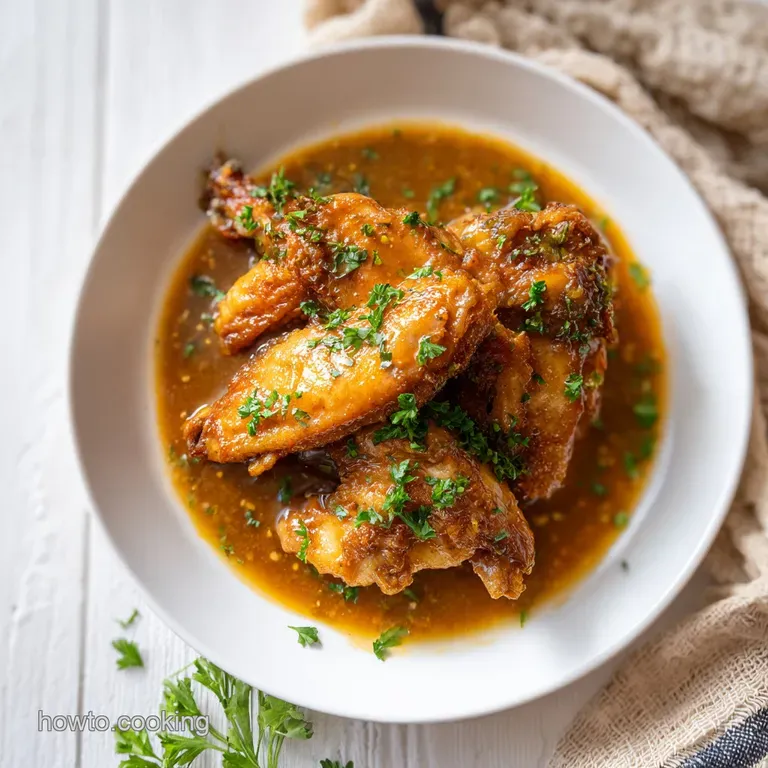
- Time: Active 15 minutes, Passive 105 minutes, Total 2 hours
- Flavor/Texture Hook: Velvety, savory gravy with meat that literally falls off the bone
- Perfect for: Soulful Sunday dinners and wholesome family gatherings
- Mastering the Smothered Turkey Wings Gravy Recipe
- The Magic of a Mahogany Roux
- Smothered Turkey Wings Gravy Recipe Essentials
- Tools for a Tender Result
- Master the Smothered Turkey Wings Gravy Recipe
- Solutions for Common Gravy Mistakes
- Creative Ways to Flip the Script
- Keeping Your Comfort Food Fresh
- The Best Sides for This Plate
- Dispelling Kitchen Legends
- Very High in Sodium (🚨)
- Recipe FAQs
- 📝 Recipe Card
Mastering the Smothered Turkey Wings Gravy Recipe
There is a specific sound that happens when you pull a heavy roasting pan out of a hot oven - a rhythmic, muffled bubbling that tells you the gravy has reached its peak. The first time I tried making a smothered turkey wings gravy recipe, I remember the kitchen filling with the scent of toasted flour and smoked paprika, a smell so warm it felt like a physical hug.
I stood over the stove, whisking my roux until it hit that perfect shade of peanut butter, feeling that spark of confidence that only comes when you know you're about to put something truly nourishing on the table.
We have all been there - expecting a tender bite but getting something chewy instead. That is why this particular method is so vital. It is not just about throwing meat and liquid into a pan; it is about the transition from a dry heat roast to a moist heat braise. That shift is where the magic happens.
You start with that over high heat sizzle to lock in the savory notes and end with a gentle simmer that coaxes the collagen out of the turkey, turning it into a silky addition to the sauce. It is comfort food that rewards your patience with every velvety spoonful.
The Magic of a Mahogany Roux
The Collagen Conversion: Turkey wings are full of connective tissue that only breaks down into silky gelatin during a long, slow braise in liquid. This transformation is what gives the meat its signature fall apart texture and adds a natural body to the gravy.
Roux Color Development: Cooking the flour and butter until they reach a peanut butter hue creates toasted flavor compounds that provide a nutty, complex backbone for the sauce. This deeper color ensures the gravy looks as rich as it tastes without relying on artificial browning agents.
Dual Liquid Depth: Using a combination of chicken and beef broth provides a more well rounded savory profile than chicken broth alone. The beef broth adds a darker, more "meaty" base that complements the roasted turkey skin perfectly.
| Thickness | Internal Temp | Rest Time | Visual Cue |
|---|---|---|---|
| Small Drumette | 175°F | 5 mins | Meat pulls away from bone |
| Large Flat | 180°F | 5 mins | Skin is mahogany and tender |
| Whole Wing | 180°F | 10 mins | Joint moves freely when wiggled |
The resting time is just as important as the cook time because it allows the fibers in the turkey to relax after the intense heat of the oven. If you cut into the wings too early, you lose that moisture we worked so hard to build up during the smothering process.
| Component | Science Role | Pro Secret |
|---|---|---|
| Smoked Paprika | Surface Browning | Rub it into the skin with oil to help the heat create a deep, reddish crust. |
| All Purpose Flour | Thickening Agent | Toast it in the butter until it smells like popcorn for the best flavor. |
| Worcestershire Sauce | Umami Booster | This fermented sauce adds acidity and salt to cut through the richness of the fat. |
| Fresh Thyme | Aromatic Layer | Add it at the very end of the stovetop prep so the oils don't burn before the braise. |
Using a cold liquid while whisking into a hot roux is a classic trick to prevent those annoying flour lumps. I always keep my broth at room temperature or slightly cool, pouring it in slowly while the whisk is moving constantly to ensure a smooth, velvety finish.
Smothered Turkey Wings Gravy Recipe Essentials
This dish yields 5 generous servings, making it a wonderful option for a family meal or for meal prepping your lunches for the week. The cook time is non negotiable if you want that tender texture, but the hands on prep is surprisingly minimal.
- 3 lbs turkey wings: Split these into flats and drums to ensure they cook evenly and fit better in your roasting pan.
- 2 tbsp neutral oil: Use something with a high smoke point like canola or grapeseed to help the spices stick and the skin brown.
- 1 tbsp smoked paprika: This provides both color and a subtle wood fired flavor that mimics a smoker.
- 1 tsp garlic powder: Essential for an even distribution of savory flavor across every inch of the turkey.
- 1 tsp onion powder: Adds a concentrated sweetness that complements the fresh onions in the gravy.
- 1 tsp kosher salt: Use a coarse salt to help draw out moisture and season the meat deeply.
- 1/2 tsp cracked black pepper: Freshly cracked pepper provides a much better bite than the pre ground dusty stuff.
- 4 tbsp unsalted butter: This is the base of our roux; using unsalted lets us control the final seasoning perfectly.
- 1/2 cup all purpose flour: The thickener that turns broth into gravy.
- 1 large yellow onion: Slice these into half moons so they soften but still have a bit of presence in the sauce.
- 1 green bell pepper: Diced small to meld into the gravy, providing that classic "soul food" aromatic base.
- 2 stalks celery: Chopped to add a subtle earthy note that balances the richness of the butter.
- 3 cloves garlic: Minced finely to release all those aromatic oils into the roux.
- 3 cups low sodium chicken broth: Always go low sodium so you can season the final dish to your liking without it becoming a salt lick.
- 1 cup beef broth: This is the secret to a dark, restaurant style gravy color and depth.
- 1 tbsp Worcestershire sauce: A little goes a long way in adding that "je ne sais quoi" fermented kick.
- 2 sprigs fresh thyme: Keep them on the stem for easy removal before serving.
| Original Ingredient | Substitute | Why It Works |
|---|---|---|
| Unsalted Butter | Ghee | Ghee has a higher smoke point and a similar nutty flavor profile. |
| All Purpose Flour | Cornstarch (1/4 cup) | Mix with cold water first. Note: Gravy will be more translucent and less "bready." |
| Fresh Thyme | Dried Thyme (1 tsp) | Use less as dried herbs are more concentrated than fresh sprigs. |
| Chicken Broth | Turkey Broth | If you have turkey stock on hand, it will obviously double down on the bird's flavor. |
Tools for a Tender Result
You do not need a kitchen full of gadgets, but a few specific pieces of equipment make this process much smoother. A heavy duty roasting pan is your best friend here. I prefer a stainless steel or cast iron pan that can handle both the high heat of the initial roast and the long, covered braise.
If your pan is too thin, the gravy around the edges might scorch during that final hour in the oven.
A balloon whisk is also essential for the gravy. You want something that can get into the corners of your skillet to keep the flour moving. If the flour sits still for even thirty seconds, it can go from a perfect peanut butter brown to a burnt black mess.
Trust me, I have had to restart a roux more than once because I got distracted by a text message. Stay focused on that skillet, and you will be rewarded with a sauce that is pure gold.
Master the Smothered Turkey Wings Gravy Recipe
- Preheat your oven to 400°F (200°C). Pat the turkey wings completely dry with paper towels. Note: Moisture on the skin creates steam, but dry skin creates a beautiful brown crust.
- In a small bowl, combine the smoked paprika, garlic powder, onion powder, salt, and pepper. Rub the wings with the neutral oil, then coat them thoroughly with your spice blend.
- Place the wings in a roasting pan and bake them uncovered for 25 minutes. Watch for the skin to turn a deep mahogany color as the fat renders out.
- While the wings are in their first roast, melt the butter in a large skillet over medium heat. Whisk in the flour and cook for 5 to 7 minutes. Stir constantly until the roux is the color of peanut butter and smells slightly nutty.
- Add your sliced onion, diced bell pepper, and chopped celery directly into the roux. Sauté them until they soften and the onions become translucent. Add the minced garlic and cook for just 1 minute more.
- Slowly whisk in the chicken broth, beef broth, and Worcestershire sauce. Simmer the mixture over medium low heat. Cook until the gravy is thick enough to coat the back of a spoon without running off.
- Remove the wings from the oven and immediately lower the oven temperature to 350°F (180°C). Pour that rich gravy directly over the wings.
- Tuck the fresh thyme sprigs into the liquid and cover the roasting pan tightly with heavy duty aluminum foil. Ensure the seal is airtight to trap the steam inside.
- Return the pan to the oven and bake for an additional 1 hour and 20 minutes. Check that the meat is fork tender and pulling away from the bone easily.
- Let the dish rest for 10 minutes before serving. This allows the gravy to settle and the turkey to reabsorb some of those savory juices.
Chef's Tip: If you want an even deeper flavor, let the wings sit with the dry rub in the fridge for 2 hours before you start roasting. This acts like a dry brine and seasons the meat all the way to the bone.
Solutions for Common Gravy Mistakes
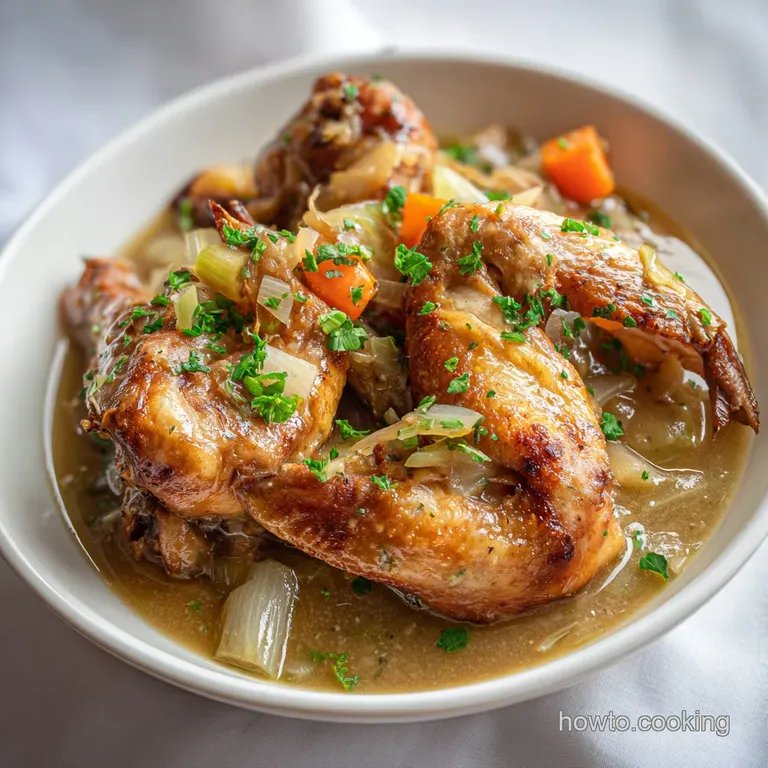
One of the most frequent hurdles when making a smothered turkey wings gravy recipe is dealing with a sauce that just won't behave. If your gravy looks a bit thin after the final bake, do not panic. The turkey actually releases some juices while it smothers, which can occasionally dilute your roux thickened base.
You can easily fix this by removing the wings and simmering the gravy on the stovetop for a few minutes to reduce and concentrate the flavors.
Why is my gravy lumpy?
Lumps usually happen when the liquid is added too quickly to the roux, causing the flour to clump together before it can hydrate. To fix this, you can pour the gravy through a fine mesh strainer or use an immersion blender to smooth it out before pouring it over the turkey.
What if the meat is still tough?
Turkey wings have a lot of connective tissue. If the meat is resisting the fork, it simply needs more time. Every oven is different, and sometimes those wings need an extra 15 minutes under the foil to reach that "melt in-your mouth" stage.
| Problem | Root Cause | Solution |
|---|---|---|
| Salty Gravy | Broth reduced too much | Stir in a splash of water or a little more unsalted broth to balance it. |
| Pale Gravy | Roux wasn't cooked long enough | Add a teaspoon of browning sauce (like Kitchen Bouquet) or a splash of coffee. |
| Greasy Surface | Too much turkey fat rendered | Use a wide spoon to skim the clear oil off the top of the gravy before serving. |
Common Mistakes Checklist
- ✓ Pat the turkey wings completely dry before oiling; this ensures the spices stick and the skin browns instead of steaming.
- ✓ Do not skip the 400°F initial roast; this high heat is what develops the "roasted" flavor that carries through the gravy.
- ✓ Whisk the roux constantly; even ten seconds of neglect can lead to burnt bits that will make the gravy taste bitter.
- ✓ Ensure the foil seal is very tight; if steam escapes, the turkey will dry out rather than becoming tender.
- ✓ Let the wings rest for at least 10 minutes after the final bake; this helps the gravy thicken as it cools slightly.
Creative Ways to Flip the Script
While the classic version is hard to beat, you can definitely experiment with the flavors once you have the basic technique down. If you are looking for a bit of a kick, adding a tablespoon of hot sauce or a teaspoon of cayenne pepper to the spice rub will give the dish a southern style heat that cuts through the rich gravy beautifully.
You can also swap the fresh thyme for rosemary or sage if you want a more "Thanksgiving" aromatic profile.
If you find yourself with extra turkey but want a different vibe, you might enjoy trying an Easy Leftover Turkey Pasta Bake which uses similar savory notes in a completely different format. For those who love the idea of smothered poultry but want something a bit lighter, our Greek Chicken Meatballs are a fantastic way to keep those wholesome, homemade vibes while changing up the flavor profile entirely.
| Method | Time | Texture | Best For |
|---|---|---|---|
| Oven Braise | 2 hours | Ultra tender, integrated flavor | Traditional Sunday dinner |
| Slow Cooker | 6 hours | Fall apart, very soft skin | Busy workdays, set and forget |
| Electric Pressure Cooker | 45 mins | Tender but less flavor depth | Last minute cravings |
Keeping Your Comfort Food Fresh
This smothered turkey wings gravy recipe actually tastes better the next day because the flavors in the gravy have more time to meld and penetrate the meat. If you have leftovers, store them in an airtight container in the fridge for up to 4 days.
When you go to reheat them, I highly recommend using the oven or the stovetop rather than the microwave. The microwave can make the turkey a bit rubbery. Place the wings and gravy in a covered dish and heat at 300°F (150°C) until warmed through.
If you want to freeze this, you certainly can. The gravy holds up well to freezing for up to 3 months. Just make sure to leave a little headspace in your container as the liquid will expand. To use up the leftover gravy, don't you dare throw it away! It makes an incredible base for a turkey pot pie or can be served over biscuits the next morning for a very decadent breakfast. Even the bones from the wings can be saved in the freezer to make a rich turkey stock later on. If you enjoy this type of hearty, make-ahead meal, you might also want to look at our Turkey Lasagna which freezes beautifully and serves a crowd just as easily.
The Best Sides for This Plate
When you have a gravy this good, you need something to soak it all up. The classic choice is a big mound of creamy mashed potatoes or a bed of fluffy white rice. If you want to go the full "soul food" route, a side of slow simmered collard greens with smoked turkey tails and some honey butter cornbread is the ultimate pairing.
The sweetness of the cornbread against the savory, peppery gravy is a match made in heaven.
For a slightly more modern take, I love serving these wings alongside roasted root vegetables or a crisp green salad with a bright vinaigrette. The acidity of a salad helps to cleanse the palate between those rich, savory bites of turkey.
No matter what you choose, just make sure you have enough bread or starch on the table to catch every single drop of that mahogany gravy. It is, after all, the star of the show.
Dispelling Kitchen Legends
Myth: You must boil the turkey wings first to make them tender. This is actually counterproductive. Boiling the meat in plain water washes away the natural flavors of the turkey.
By roasting first and then braising in a seasoned gravy, you keep all the flavor inside the meat while still achieving that perfect, tender texture.
Myth: A roux must be cooked for 30 minutes to be "authentic." While some Cajun gumbos require a very dark, long cooked roux, for a smothered turkey wings gravy recipe, 5 to 7 minutes is plenty.
We are looking for a peanut butter color, which provides a toasted flavor without losing the thickening power of the flour. The longer you cook a roux, the less it thickens, so stopping at the peanut butter stage gives you the best of both worlds.
Myth: You can't get crispy skin on smothered turkey. This is partially true once the wings are submerged in gravy, the skin will naturally soften. However, the initial 400°F roast ensures the skin is fully cooked and flavored before it hits the liquid.
This prevents the "rubbery" texture that often plagues poorly made smothered meats. The skin becomes tender and gelatinous, which is a delicacy in itself.
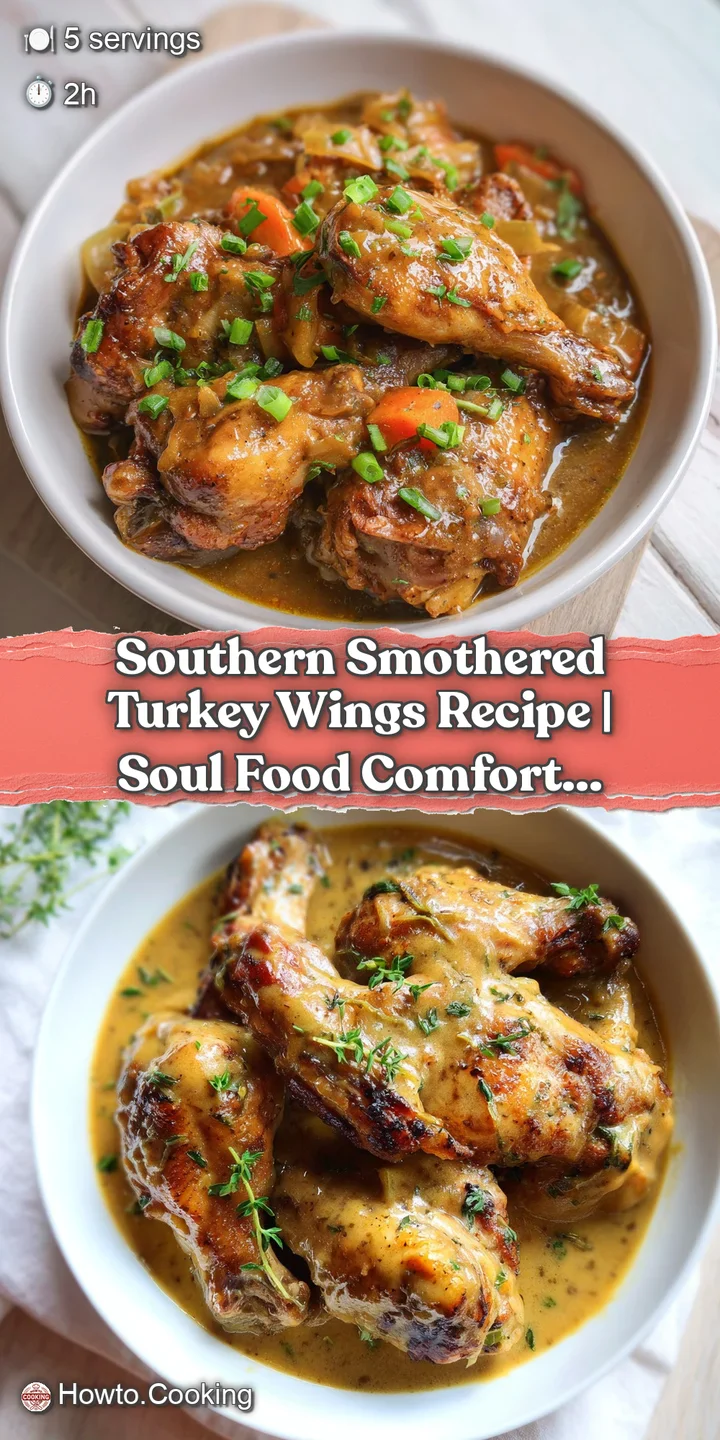
Very High in Sodium (🚨)
1185 mg 1185 mg of sodium per serving (52% 52% of daily value)
The American Heart Association recommends limiting sodium intake to no more than 2,300mg per day, ideally striving for below 1,500mg for most adults.
Tips to Reduce Sodium
-
Switch to Low-Sodium Broth-30%
Replace the regular beef broth with low-sodium beef broth. This is the most significant sodium contributor in your recipe.
-
Halve the Kosher Salt-25%
Reduce the kosher salt from 1 tsp to 1/2 tsp. You can always add more to taste at the table if needed.
-
Opt for Low-Sodium Worcestershire Sauce-20%
Choose a low-sodium version of Worcestershire sauce. Regular Worcestershire sauce can be surprisingly high in sodium.
-
Boost Flavor with Herbs and Spices
Increase the use of fresh herbs like thyme and additional spices like black pepper, garlic powder, and onion powder. These add flavor without adding sodium.
-
Rinse Canned Vegetables (if applicable)-10%
If any vegetables were canned, ensure they are thoroughly rinsed before adding them to the recipe to remove excess sodium.
Recipe FAQs
What kind of sauce is best for smothered wings?
A rich, flour based pan gravy is essential. By whisking flour into melted butter to create a peanut butter colored roux, you build a sturdy base that clings to the wings and creates a deep, savory coating.
What is the secret to the best turkey gravy?
The secret is patience with your roux. Whisking the flour and butter constantly for 5 7 minutes ensures you achieve a deep, nutty flavor without burning, providing a complexity that pairs well with hearty sides like this savory sourdough dressing.
What's the secret to tender smothered wings?
Maintain a tight seal with your foil. After pouring the gravy over the wings, ensure the aluminum foil is tightly wrapped around the pan to trap all the steam, which is necessary to break down the connective tissue over the final 80 minutes of baking.
What kind of gravy is best for turkey?
A blend of chicken and beef broths works best. Using both adds a layered, savory depth that stands up to the natural richness of the turkey meat while thinning the flour based roux to the perfect consistency.
How to ensure the turkey skin browns properly?
Pat the wings completely dry with paper towels before oiling them. Removing surface moisture is critical because it allows the high 400°F heat of the initial roast to crisp the skin and develop a deep mahogany color rather than steaming the meat.
Is it true I can skip the initial high heat roasting step?
No, this is a common misconception. You must roast at 400°F for 25 minutes first; this step is what creates the "roasted" flavor profile that infuses the entire gravy, which you simply cannot replicate by braising alone.
How to know when the wings are finished cooking?
Check for fork tenderness where the meat pulls away from the bone. Once the wings have baked for the final 1 hour and 20 minutes at 350°F, the meat should be effortless to pierce and feel like it is falling off the bone.
Smothered Turkey Wings Recipe
Ingredients:
Instructions:
Nutrition Facts:
| Calories | 748 kcal |
|---|---|
| Protein | 36.4 g |
| Fat | 42.1 g |
| Carbs | 14.2 g |
| Fiber | 1.6 g |
| Sugar | 2.8 g |
| Sodium | 1185 mg |
