Soup Recipe with Tomato and Basil
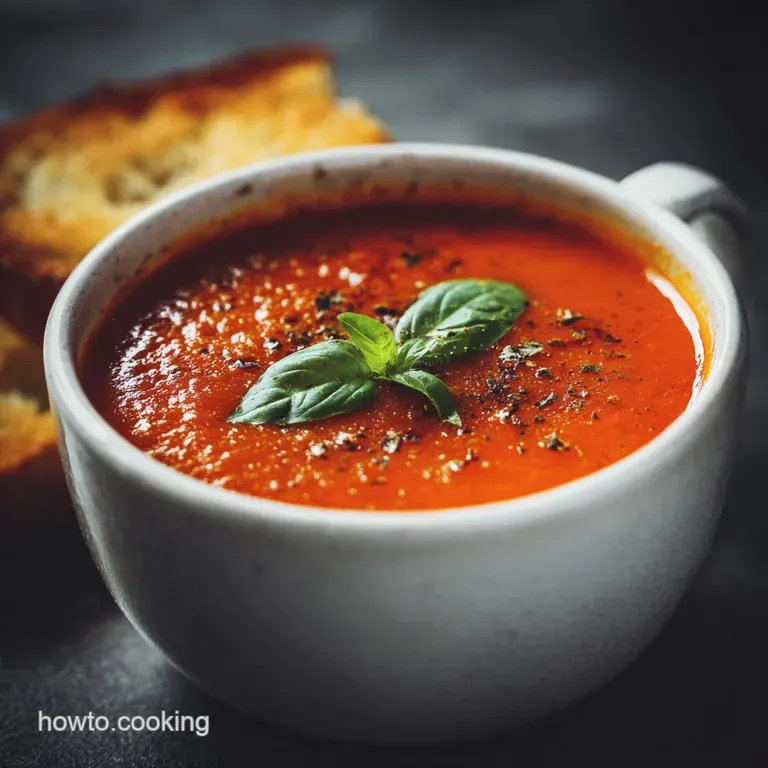
- Time: Active 15 minutes, Passive 45 minutes, Total 1 hour
- Flavor/Texture Hook: Silky, vibrant, and slightly charred
- Perfect for: Nutritious family dinners or meal prep
- The Ultimate Soup Recipe with Tomato and Basil
- Wholesome Flavor in Every Spoonful
- Selecting Nutritious and Flavorful Ingredients
- Essential Tools for Silky Textures
- Step-by-Step Cooking Guidance
- Troubleshooting Common Cooking Hurdles
- Customizing Your Homemade Soup Base
- Preserving Freshness and Reducing Waste
- Garnishing for Professional Results
- Common Soup Making Queries Answered
- Recipe FAQs
- 📝 Recipe Card
The Ultimate Soup Recipe with Tomato and Basil
Honestly, stop reaching for that red and white can in the pantry. I used to think homemade soup was a whole day project, but this method is a total revelation. We are talking about a smell that will fill your entire house - that sweet, charred aroma of roasting garlic and tomatoes.
It is the kind of comfort food that makes you feel like a kitchen genius without actually requiring a culinary degree.
The secret to this specific version is the dual tomato approach. We use fresh Roma tomatoes for that earthy, roasted character and canned San Marzano tomatoes for a consistent, velvety body.
It is budget friendly because Roma tomatoes are usually the most affordable at the market, yet the results taste like a high end bistro meal.
We have all had that "tomato water" soup that feels thin and acidic. This isn't that. We are going to build layers of flavor that make this dish feel rich and deeply nutritious. Trust me on this, once you try the baking soda trick I'm about to show you, you will never look back.
Let's get into the kitchen and make something beautiful.
Wholesome Flavor in Every Spoonful
The chemistry behind this pot of liquid gold is actually quite fascinating. Most people just throw everything in a pot and hope for the best, but we are going to be a bit more intentional. By roasting the vegetables first, we are fundamentally changing their molecular structure to favor sweetness over sharp acidity.
- Maillard Reaction: over High heat roasting causes amino acids and sugars to react, creating complex brown pigments and savory flavors. This provides the "charred" backbone that makes the soup taste expensive.
- Starch Gelatinization: The pectin in the tomatoes breaks down during the long simmer, naturally thickening the liquid without needing heavy flours or cornstarch.
- pH Balancing: Tomatoes are naturally high in citric acid, which can sometimes taste metallic or sharp. Adding a tiny pinch of baking soda neutralizes those ions, resulting in a much smoother finish on the tongue.
Understanding how these elements interact helps you cook with more confidence. When you see those tomatoes blistering in the oven, you aren't just cooking them; you are creating a concentrated flavor base. This technique is similar to the foundation used in our PanSeared Mediterranean Cod recipe, where the sauce is just as important as the protein.
Chef's Tip: Freeze your butter for 10 minutes before adding it at the very end. Whisking in cold butter creates a more stable emulsion, giving the soup a professional, glossy sheen.
| Component | Science Role | Pro Secret |
|---|---|---|
| Roma Tomatoes | Bulk and Pectin | Halve them and roast face down to trap steam and soften skins. |
| Baking Soda | pH Regulator | Only use 0.125 tsp to avoid a soapy taste while cutting acidity. |
| Fresh Basil | Volatile Aromatics | Add half during the simmer and half at the end for layered flavor. |
Roasted vegetables provide the primary flavor profile, while the canned tomatoes provide the liquid volume. This balance ensures the soup is thick enough to coat the back of a spoon without becoming a paste. It is a smart way to get the most out of every ingredient you buy.
Selecting Nutritious and Flavorful Ingredients
Shopping for this recipe is straightforward, but quality matters for the main players. Stick to the list below to ensure that classic, comforting result. If you find yourself missing something, the substitution table further down will keep you on track without ruining the dish.
- 3 lbs Roma tomatoes: These have a lower water content and higher meatiness, making them ideal for roasting.
- 1 large yellow onion: Use yellow for its high sugar content which caramelizes beautifully.
- 6 cloves garlic: Keep them whole during roasting so they don't burn and turn bitter.
- 3 tbsp extra virgin olive oil: This carries the fat soluble flavors of the herbs.
- 1 tsp sea salt: Vital for drawing moisture out of the tomatoes during the roast.
- 0.5 tsp cracked black pepper: Adds a subtle heat that cuts through the creaminess.
- 1 can (28 oz) San Marzano crushed tomatoes: These are the gold standard for sweetness and low acidity. Why this? Their volcanic soil origin provides a uniquely rich, non metallic base.
- 2 cups vegetable broth: This provides the liquid base; use a low sodium version to control the salt.
- 1 cup fresh basil: Use packed leaves for a punchy, peppery finish.
- 1 tsp dried oregano: Adds an earthy, Mediterranean floral note.
- 1 cup whole milk: This provides the creamy texture without the heavy calories of cream.
- 2 tbsp unsalted butter: Whisked in at the end for a silky mouthfeel.
- 0.125 tsp baking soda: The secret weapon for neutralizing harsh acids.
If you are looking for a heavier meal, this soup pairs perfectly with the textures found in a Hearty Zuppa Toscana recipe. The contrast between the smooth tomato base and a chunky, kale filled soup can make for a fantastic multi course lunch.
| Original Ingredient | Substitute | Why It Works |
|---|---|---|
| Whole Milk | Coconut Milk | Same fat content but adds nutty/tropical notes. |
| Roma Tomatoes | Beefsteak Tomatoes | High moisture, so roast 10 minutes longer to concentrate flavor. |
| Vegetable Broth | Chicken Bone Broth | Adds more protein and a savory, collagen rich depth. |
Essential Tools for Silky Textures
You do not need a fancy kitchen to pull this off. I have made this in tiny apartments and big family kitchens alike. However, having an immersion blender (hand blender) makes the cleanup much faster since you can blend right in the pot.
If you use a standard countertop blender, just be careful with the hot liquid - nobody wants a soup explosion on their ceiling.
Make sure you have a large, heavy bottomed pot or a Dutch oven. The thick base prevents the milk and tomatoes from scorching on the bottom as they simmer. You will also need a large rimmed baking sheet for the roasting process.
The rim is important because the tomatoes will release a lot of juice, and you want to save every drop of that flavorful liquid for the soup.
step-by-step Cooking Guidance
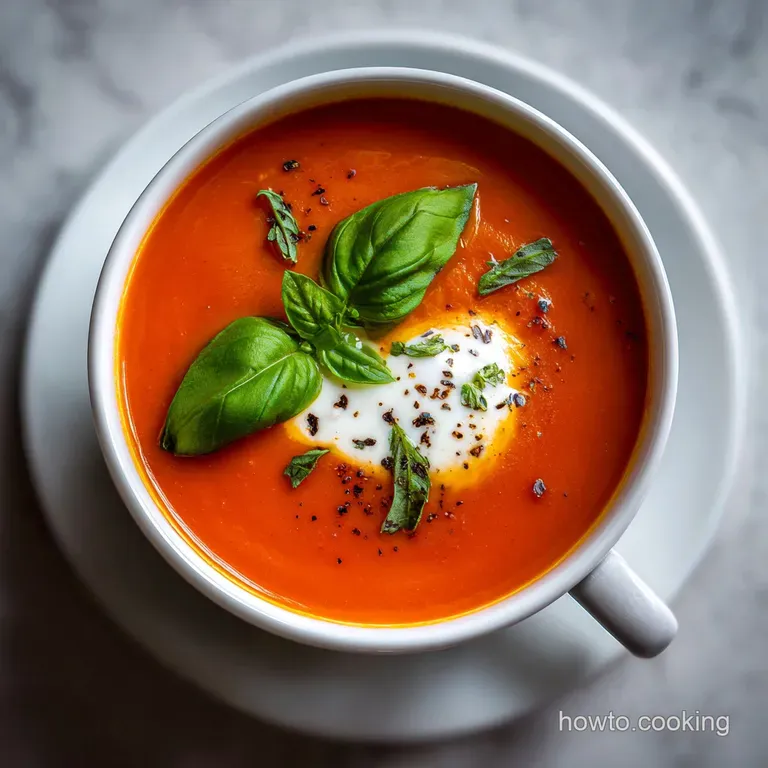
Let's get cooking. Follow these steps closely, especially the roasting part. That char is where the magic happens.
- Preheat oven. Set your oven to 200°C. This high heat is necessary to blister the tomato skins quickly.
- Prepare vegetables. Arrange the 3 lbs halved Roma tomatoes, wedged yellow onion, and 6 cloves garlic on a baking sheet.
- Season base. Drizzle with 3 tbsp olive oil and sprinkle with 1 tsp sea salt and 0.5 tsp cracked black pepper.
- Roast vegetables. Bake for 40 minutes until the tomato skins are charred and the onions are soft.
- Combine ingredients. Transfer the roasted veg and all pan juices into a large pot. Add the 28 oz crushed tomatoes, 2 cups vegetable broth, half the fresh basil, and 1 tsp dried oregano.
- Simmer base. Bring to a boil, then reduce to a simmer for 15 minutes until the flavors are fused and the aroma is rich.
- Blend smooth. Use an immersion blender to process the soup until it reaches a velvety, uniform consistency.
- Incorporate dairy. Stir in 1 cup whole milk and 2 tbsp unsalted butter.
- Balance acidity. Add the 0.125 tsp baking soda. It will bubble slightly; this is the neutralization happening.
- Final season. Taste and add more salt or the remaining fresh basil as needed before serving.
Charring for Character
When you roast the tomatoes, do not be afraid of a little black on the skins. Those charred bits are pure flavor. If the tomatoes look pale after 40 minutes, move the tray to the top rack for the last 5 minutes.
This "controlled burn" is what separates a mediocre soup from a professional grade one.
The Herb Infusion
Adding the basil in two stages is a trick I learned the hard way. The basil simmered in the pot provides a deep, cooked in herbal background. The fresh basil added at the very end provides those bright, peppery top notes that hit your nose as you take the first bite.
The Silky Finish
The addition of butter at the end is a classic French technique called monter au beurre. It adds a layer of fat that carries the tomato flavor across your palate more effectively. It also gives the soup a beautiful sheen that looks great in photos.
Troubleshooting Common Cooking Hurdles
Even the simplest recipes can go sideways if the ingredients are acting up. If your soup tastes a bit "off," it is usually one of three things: too much acid, too much water, or the dairy separated. Don't panic; these are all easy fixes that won't require you to start over.
Fixing a Metallic Aftertaste
If you use lower quality canned tomatoes, you might notice a tinny or metallic flavor. This is common when the acid reacts with the can lining. The baking soda in the recipe usually handles this, but if it persists, a teaspoon of honey or brown sugar can mask the remaining bitterness.
| Problem | Root Cause | Solution |
|---|---|---|
| Too Acidic | High tomato pH | Add baking soda or a pinch of sugar. |
| Soup Curdled | Dairy added too hot | Whisk in off the heat or use room temp milk. |
| Thin Consistency | High water in veg | Simmer uncovered for 10 extra minutes to reduce. |
Preventing Curdled Dairy
Milk can curdle if it hits boiling acidic liquid too fast. To prevent this, make sure the soup is at a gentle simmer, not a rolling boil, when you pour in the milk. Better yet, pull the pot off the heat entirely, stir in the dairy, and then return it to low heat just to warm through.
Customizing Your Homemade Soup Base
This recipe is incredibly versatile. Once you have the base down, you can pivot in several directions depending on what you have in the fridge. It is a smart way to keep your meal plan exciting without buying entirely new ingredients.
- If you want a thicker soup, blend only half the roasted tomatoes and keep the rest chunky for a rustic feel.
- If you want more sweetness, roast the onions until they are deeply caramelized and dark brown before adding them to the pot.
- If you want a dairy-free finish, swap the milk for full fat coconut milk or a homemade cashew cream.
For a Vegan Friendly Version
To make this entirely plant based, use a high-quality coconut milk instead of whole milk. The slight coconut flavor actually pairs beautifully with the acidity of the tomatoes. Replace the butter with a vegan buttery spread or just an extra tablespoon of high-quality olive oil.
For a Spicy Mediterranean Twist
If you like heat, add half a teaspoon of red pepper flakes to the roasting pan. The heat will infuse into the oil and spread evenly throughout the soup. You can also swap the oregano for smoked paprika to give it a "chorizo style" depth without the meat.
Preserving Freshness and Reducing Waste
This soup actually tastes better the next day after the flavors have had a chance to marry in the fridge. It is a meal prepper's dream. I usually make a double batch and keep half in the freezer for those nights when I'm too tired to even think about cooking.
Storage: Keep the soup in an airtight container in the fridge for up to 4 days. When reheating, do it slowly over medium low heat. If the soup has thickened too much in the fridge, splash in a little extra broth or milk to loosen it up.
Freezing: This soup freezes beautifully for up to 3 months. Pro tip: If you know you are going to freeze it, leave the milk and butter out. Freeze the tomato basil base, then add the dairy fresh when you reheat it.
This prevents any texture issues from the milk solids breaking down in the freezer.
Zero Waste: Don't throw away those basil stems! While they are too woody to eat, you can tie them together and simmer them in the soup like a bouquet garni. Just pull them out before blending.
Also, if you have leftover parmesan rinds, toss one into the pot while it simmers for a salty, umami boost.
Garnishing for Professional Results
Presentation is everything, especially with a simple soup. It takes about thirty seconds to turn a bowl of orange liquid into something that looks like it belongs in a magazine. Start with a swirl of olive oil or a drizzle of heavy cream right in the center.
Chef's Note: A handful of homemade sourdough croutons provides the "shatter" crunch that perfectly offsets the velvety texture of the soup.
Toasted pine nuts or a sprinkle of shaved parmesan are also fantastic options. If you want to keep it light, just a few small, torn basil leaves on top provide a pop of color and a fresh scent. Serve it alongside a grilled cheese sandwich made with sharp cheddar for the ultimate nostalgic experience.
Common Soup Making Queries Answered
Can I use fresh tomatoes only? You can, but you will need about 5 lbs of them. The canned tomatoes provide a specific consistency and concentrated flavor that is hard to get from fresh fruit alone unless you simmer it for hours.
The mix of fresh and canned is the "budget smart" way to get the best of both worlds.
Why did my soup turn orange instead of red? When you blend tomatoes with air (especially when adding milk), the soup often takes on an orange hue. This is perfectly normal!
If you want a deeper red, blend the tomatoes before adding the milk, and use a lower speed on your blender to incorporate less air.
Is roasting the garlic really necessary? Yes! Raw garlic has a sharp, spicy bite that can overwhelm the delicate basil. Roasting the cloves in their skins (or tucked under the tomatoes) turns them into sweet, buttery paste that blends perfectly into the base.
It is a non negotiable step for that professional flavor profile.
What is the best way to reheat this? Avoid the microwave if you can. Reheat it in a small saucepan over medium heat, stirring frequently. This ensures the dairy doesn't separate and the heat is distributed evenly.
If it looks a little dull, a tiny squeeze of fresh lemon juice can wake the flavors back up.
Can I skip the baking soda? You can, but your soup will likely be much tangier. If you have very sweet, vine ripened summer tomatoes, you might not need it. However, for grocery store Romas, that 0.125 tsp is the difference between "good" and "I can't believe I made this" levels of smoothness.
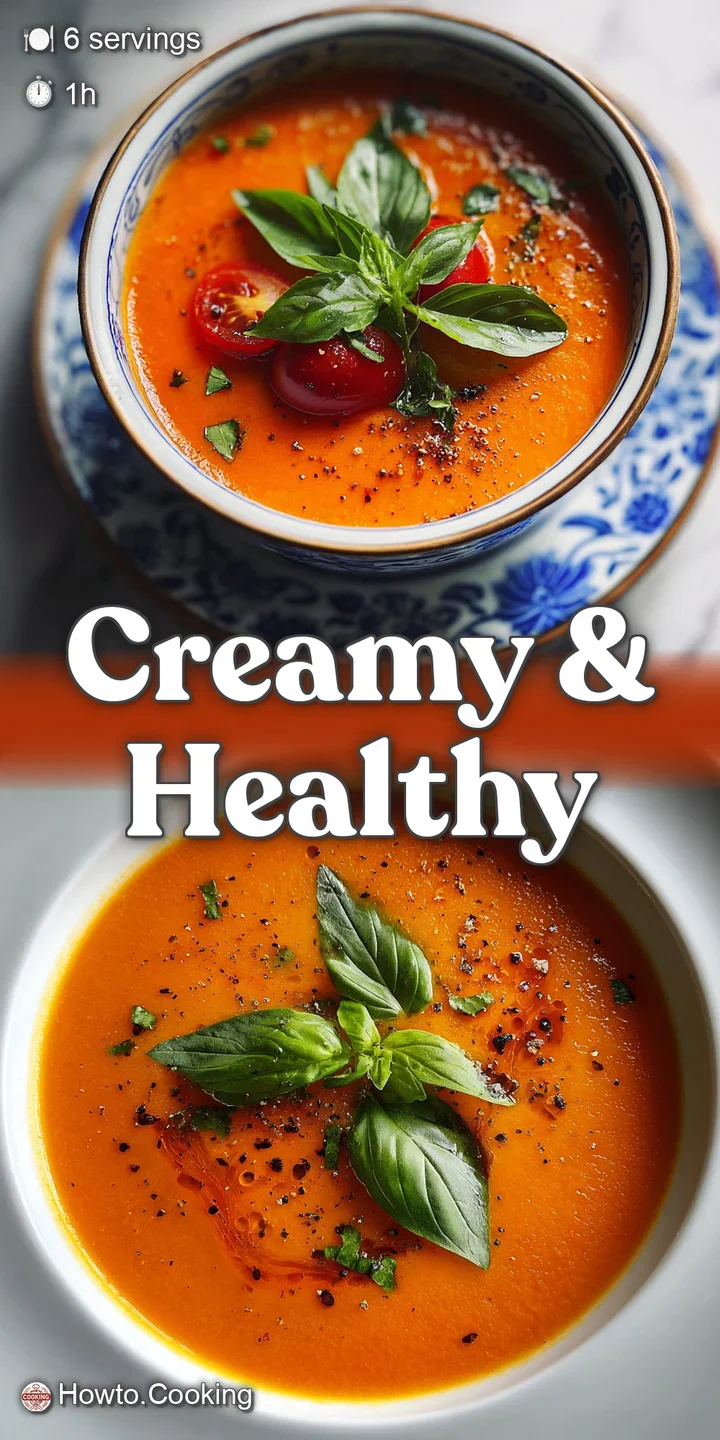
Recipe FAQs
How do I make tomato and basil soup from scratch?
Roast fresh tomatoes, onions, and garlic with olive oil and seasonings. Combine with canned tomatoes, broth, and basil in a pot, simmer, then blend until smooth. Finish with milk and butter. This method ensures a deep, rich flavor profile.
Can I use canned tomatoes instead of fresh?
No, a combination is best for optimal flavor and texture. Fresh Roma tomatoes roasted provide sweetness and a slightly charred depth, while San Marzano tomatoes add a smooth, consistent body. Using only canned can result in a less complex flavor.
What is the purpose of baking soda in tomato soup?
Baking soda neutralizes the acidity in tomatoes. Tomatoes can have a sharp, sometimes metallic taste, especially when cooked. A tiny amount of baking soda balances the pH, leading to a smoother, more pleasant flavor without making it taste soapy.
How can I make my tomato basil soup creamier?
Whisk in whole milk and unsalted butter at the end of cooking. For a richer texture without dairy, use full fat coconut milk or a homemade cashew cream. Ensure dairy is added off the heat or at a low simmer to prevent curdling.
Why does my tomato soup taste watery?
Ensure your fresh tomatoes are properly roasted to reduce their water content. If the soup still seems thin after blending, simmer it uncovered for an extra 10-15 minutes to allow excess liquid to evaporate. This process concentrates the flavors.
How long can I store homemade tomato basil soup?
Store in an airtight container in the refrigerator for up to 4 days. For longer storage, freeze the soup base (without dairy) for up to 3 months. Reheat gently on the stovetop, adding fresh dairy when warming.
What are some good garnishes for tomato basil soup?
Fresh basil leaves, a swirl of olive oil, or a dollop of cream are classic choices. Crunchy croutons, toasted pine nuts, or shaved Parmesan cheese also add delightful texture and flavor contrast. This technique of building rich flavor bases is also key to our The Nonnas Secret Truly Classic Marinara Sauce.
Soup Recipe Tomato Basil
Ingredients:
Instructions:
Nutrition Facts:
| Calories | 225 kcal |
|---|---|
| Protein | 5.8 g |
| Fat | 12.2 g |
| Carbs | 19.7 g |
| Fiber | 4.6 g |
| Sugar | 11.2 g |
| Sodium | 648 mg |
