Taco Soup: Savory & Vibrant
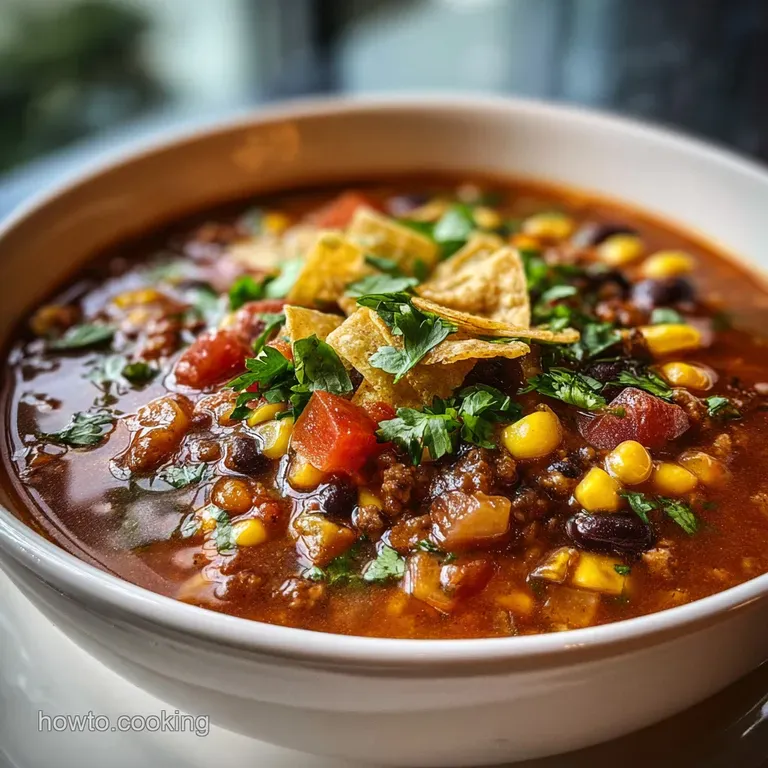
- Time: Active 10 minutes, Passive 20 minutes, Total 30 minutes
- Flavor/Texture Hook: Velvety broth with zesty, fire roasted undertones
- Perfect for: Stress free weeknight dinners or nutritious meal prepping
- Essential Techniques for Making Taco Soup
- Key Specifications for This Recipe
- Deep Dive Into Nutritious Components
- Required Tools for Your Kitchen
- Detailed Guide to Perfect Simmering
- Pro Strategies for Better Results
- Adaptations for Chicken or Slow Cooking
- Smart Storage and Leftover Solutions
- Creative Garnishes and Side Pairings
- Recipe FAQs
- 📝 Recipe Card
Essential Techniques for Making Taco Soup
Ever wondered how a few simple cans and a bit of beef can transform into something that tastes like it sat on the stove for an entire afternoon? I used to think great soup required a whole day of hovering over the pot, but honestly, it’s all about how you handle the initial sear.
If you just throw everything in at once, you get a muddy, one note flavor that lacks character.
We are going to focus on building layers of flavor through temperature control and the right order of operations. Trust me, skipping the browning phase is the biggest mistake you can make.
That sizzle you hear when the beef hits the hot pan is the sound of flavor being created, and we aren't going to waste a single drop of it.
This recipe is designed to be forgiving and empowering. Whether you're a seasoned pro or just starting your culinary path, you'll find that these small adjustments in technique lead to a much more wholesome and flavorful result. Let's crack on with the science of why this method actually works.
Maximizing the Maillard Reaction
Maillard Reaction: Browning the ground beef at high heat creates hundreds of different flavor compounds that don't exist in raw meat. By letting the meat develop a deep brown crust before breaking it up, you ensure the broth has a savory, umami backbone.
Emulsifying with Natural Starches
Starch Gelatinization: The starches released from the beans, especially the undrained black beans, act as a natural thickener when heated with the broth. This creates a velvety mouthfeel without the need for heavy creams or processed thickeners.
Layering Aromatics and Acid
Volatile Aromatics: Sautéing the garlic and onions specifically in the rendered beef fat helps dissolve fat soluble flavor compounds, making the aromatics more potent. A final hit of acid from the tomatoes balances the richness of the protein.
| Method | Time | Texture | Best For |
|---|---|---|---|
| Fast (Stovetop) | 30 minutes | Fresh, distinct textures | Busy weeknights |
| Classic (Slow Cook) | 6 hours | Soft, melded flavors | Hands off meal prep |
| Pressure Cooker | 20 minutes | Very tender beans | Last minute hunger |
The stove top method is my favorite because it keeps the corn slightly crisp and the beans intact, providing a much more interesting sensory experience than the mushier slow cooker version.
Key Specifications for This Recipe
When we talk about soup, consistency is everything. You don't want a watery broth, but you also don't want a stew so thick your spoon stands up in it. For this recipe, we are aiming for a pourable but substantial liquid that coats the back of a spoon.
| Component | Science Role | Pro Secret |
|---|---|---|
| Ground Beef | Protein structure | Use 90/10 ratio to minimize excess grease |
| Black Beans | Texture and thickening | Keep the liquid; it contains valuable starches |
| Ranch Mix | Emulsification/Flavor | The buttermilk powder adds a subtle tang |
By using a lean 90/10 ground beef, you ensure the soup stays nutritious and doesn't end up with a layer of orange oil floating on top. If you only have higher fat beef, just make sure to drain it thoroughly before adding your broth.
Deep Dive Into Nutritious Components
Selecting the right elements is half the battle. I always reach for fire roasted tomatoes over regular diced ones because that slight char adds a smoky depth that mimics a long simmer. It’s a smart way to get a complex flavor without a long list of expensive items.
- 450g lean ground beef (90/10 ratio): Why this? Provides the savory foundation without making the broth overly greasy.
- Substitute: Ground turkey or plant based crumbles (outcome will be leaner).
- 1 medium yellow onion, finely diced: Why this? Sweetness and structure that softens into the base.
- Substitute: White onion or 1 tbsp onion powder if you're in a rush.
- 2 cloves garlic, minced: Why this? Essential aromatic depth that blooms in the beef fat.
- Substitute: 1/2 tsp garlic powder.
- 425g can black beans, undrained: Why this? The liquid provides natural starches for a velvety texture.
- Substitute: Pinto beans (keep the liquid).
- 425g can kidney beans, drained and rinsed: Why this? Adds a hearty, meaty texture and bright color.
- Substitute: Cannellini beans for a creamier bite.
- 425g can fire roasted tomatoes: Why this? Adds smoky notes that regular canned tomatoes lack.
- Substitute: Standard diced tomatoes with a pinch of smoked paprika.
- 310g can sweet corn, drained: Why this? Provides a pop of sweetness and textural contrast.
- Substitute: Frozen corn (no need to thaw).
- 115g can diced green chiles: Why this? Gentle heat and tang without overpowering the dish.
- Substitute: Diced fresh jalapeño for more kick.
- 475ml low sodium beef broth: Why this? Controls salt levels while providing a rich liquid base.
- Substitute: Chicken broth or vegetable broth (milder flavor).
- 2 tbsp taco seasoning: Why this? The primary flavor driver; look for low sodium blends.
- Substitute: Mix of chili powder, cumin, and oregano.
- 28g packet ranch dressing mix: Why this? The "secret" ingredient for tang and herbal notes.
- Substitute: 1 tbsp dried chives, 1 tsp dried dill, and a splash of buttermilk.
Required Tools for Your Kitchen
You don't need a professional kitchen to make a wholesome meal, but having a heavy bottomed pot makes a world of difference. A Dutch oven or a large stainless steel pot distributes heat evenly, preventing the beans from scorching at the bottom while you simmer.
- Large Pot (5-6 liters): A heavy pot helps maintain a steady simmer.
- Wooden Spoon: Best for scraping the flavorful "fond" off the bottom after browning meat.
- Chef’s Knife: For getting that onion dice nice and uniform.
- Can Opener: Since we are using several pantry staples, a reliable one is key.
Detailed Guide to Perfect Simmering
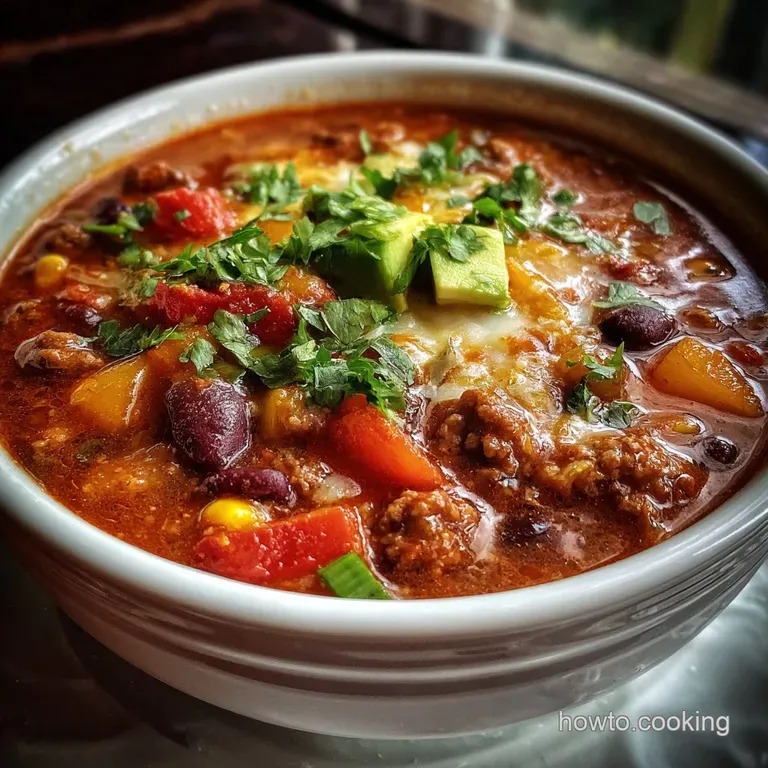
This is where the magic happens. Follow these steps to ensure every bite is flavorful and the textures are exactly where they should be.
Browning the Foundation
- Place your pot over medium high heat. Add the 450g of ground beef.
- Precision Checkpoint: Dice your onion into uniform 6mm pieces to ensure they soften at the same rate.
- Let the beef sit undisturbed for 3 minutes until a brown crust forms. Cook until golden and crackling.
- Add the diced onion to the beef. Note: The moisture from the onion will help deglaze the pan.
- Stir in the 2 cloves of minced garlic and cook for 1 minute until fragrant but not brown.
- Precision Checkpoint: Ensure the beef reaches an internal temperature of 71°C before proceeding to the next step.
Building the Broth
- Pour in the 475ml of beef broth, scraping the bottom of the pot to release the browned bits.
- Add the 425g of undrained black beans, the 425g of rinsed kidney beans, and the 425g of fire roasted tomatoes.
- Stir in the 310g of drained corn, 115g of green chiles, 2 tbsp of taco seasoning, and the 28g ranch mix.
Simmering to Perfection
- Bring the mixture to a boil, then reduce heat to low.
- Precision Checkpoint: Simmer uncovered for exactly 20 minutes to allow the flavors to meld and the liquid to reduce slightly.
- Stir occasionally to prevent the beans from sticking to the bottom. Look for a slightly thickened, glossy broth.
Pro Strategies for Better Results
One common issue people have is that the soup can end up too salty. Since we're using several canned goods and pre mixed seasonings, the salt can add up fast. Always use low sodium broth and rinse the kidney beans thoroughly.
This gives you confidence in the kitchen because you’re in control of the seasoning, not the packaging.
Managing Salt Levels
If you find the soup is veering toward too salty, don't panic. You can add a peeled, halved potato to the pot for the last 10 minutes of simmering; it acts like a sponge for salt. Just remember to remove it before serving.
Achieving the Perfect Consistency
If you prefer a thicker, heartier texture, take a potato masher and give the soup 3 or 4 good mashes right in the pot. This breaks up a few beans and releases their starches, instantly turning the broth from thin to velvety without adding any extra calories.
Fixing Common Texture Issues
| Problem | Root Cause | Solution |
|---|---|---|
| Greasy surface | Beef wasn't drained | Skim the top with a wide spoon or a piece of bread |
| Bland broth | Not enough browning | Add a teaspoon of Worcestershire sauce for instant umami |
| Mushy beans | Over simmering | Reduce simmer time and add beans later in the process |
Common Mistakes Checklist ✓ Pat the beef dry with a paper towel before browning to prevent steaming. ✓ Bloom the taco seasoning in the hot fat for 30 seconds before adding liquid. ✓ Never drain the black beans; that liquid is "liquid gold" for texture.
✓ Let the soup rest for 5 minutes off the heat before serving to thicken.
Adaptations for Chicken or Slow Cooking
If you’re looking to switch things up, this recipe is incredibly flexible. For a leaner version, I often make a Chicken Taco Soup recipe by swapping the beef for shredded rotisserie chicken. It's a fantastic way to use up leftovers while keeping that same bold flavor profile we love.
Using a Slow Cooker
For those days when you need dinner ready the moment you walk through the door, you can easily adapt this for a slow cooker. Simply brown the beef and onions in a skillet first (don't skip this!), then toss everything into the crock pot. Set it on low for 6 hours or high for 3 hours.
The flavors will be much more melded, almost like a chili.
Scaling for a Crowd
If you're doubling the recipe for a party, keep an eye on the liquids. You usually don't need to double the broth exactly; start with 1.5 times the amount and add more only if it looks too thick. For spices, 1.5 times is also a safer starting point to avoid overwhelming the dish.
If you're cutting the recipe in half, use a smaller pot to prevent the liquid from evaporating too quickly during the simmer.
Smart Storage and Leftover Solutions
One of the best things about this meal is that it actually tastes better the next day. The beans continue to absorb the spices, and the broth becomes even more concentrated. Store it in an airtight container in the fridge for up to 4 days.
For long term storage, this freezes beautifully. I like to freeze it in individual portions in freezer safe bags. It will stay fresh for up to 3 months. When you're ready to eat, let it thaw in the fridge overnight and reheat it on the stove over low heat.
You might need to add a splash of water or broth to loosen it back up.
Zero Waste Tip: Don't throw away the stems from your cilantro garnish! Finely mince them and stir them into the soup while it simmers. They have even more flavor than the leaves and add a fresh, citrusy punch to the base. If you have leftover corn, it makes a great addition to a Turkey Taco Soup recipe later in the week.
Creative Garnishes and Side Pairings
The soup is the star, but the toppings are the supporting cast that makes the meal feel special. I call this the "Cantina Experience." Set out small bowls of shredded cheddar, sour cream, pickled jalapeños, and fresh lime wedges.
The acidity from the lime is crucial it cuts right through the richness of the beef and ranch seasoning.
The Full Cantina Experience
Don't settle for just plain chips. Try crumbling blue corn chips on top for a color contrast, or add a scoop of diced avocado for a silky texture. If you have extra taco meat and beans, you might even find inspiration in a Taco Pasta recipe for a different way to use these same flavor profiles later in the week.
Finding the Perfect Pairings
While a bowl of this is a complete meal on its own, it pairs beautifully with a side of honey buttered cornbread or a simple green salad with a lime vinaigrette.
Common Myths Debunked "Searing meat seals in juices." This isn't true; searing is strictly for developing flavor through the Maillard reaction. Moisture is actually lost during the sear, but the flavor gain is worth it. "You must soak canned beans." Not for this recipe!
We actually want the canning liquid from the black beans to help thicken our soup. "Ranch mix makes it taste like salad." The dried herbs and buttermilk powder in the mix act as a flavor booster that complements the taco spices without making it taste like a dressing.

Recipe FAQs
What are the ingredients to taco soup?
Common ingredients include: ground beef, onion, garlic, black beans (undrained), kidney beans, fire roasted tomatoes, corn, green chiles, beef broth, taco seasoning, and ranch dressing mix. The undrained black beans are key for thickening.
What's the difference between taco soup and tortilla soup?
Taco soup is heartier and stew like, while tortilla soup is often brothier. Taco soup typically includes beans and ground meat, with toppings like cheese and sour cream. Tortilla soup often features shredded chicken, corn, tomatoes, and is served with fried tortilla strips, lime, and avocado.
Is taco soup healthy for you?
It can be, with mindful ingredient choices. Opt for lean ground beef or turkey, use low-sodium broth and seasonings, and load up on vegetables. Beans provide fiber and protein, making it a filling and nutritious option.
What is another name for taco soup?
It's sometimes called "Tex-Mex Soup" or "Fiesta Soup." These names reflect its robust, Southwestern inspired flavors and festive ingredients.
Can I make taco soup vegetarian?
Yes, it's easily adaptable. Substitute the ground beef with plant based crumbles or extra beans like pinto or cannellini. You can also add more vegetables like bell peppers or zucchini for added texture and nutrients.
How long does taco soup last in the refrigerator?
Taco soup typically lasts 3-4 days in the refrigerator. It's best stored in an airtight container. Flavors often meld and improve overnight, so leftovers can be even more delicious.
What are the best toppings for taco soup?
Classic toppings include shredded cheddar cheese, sour cream or Greek yogurt, chopped cilantro, diced red onion, and crushed tortilla chips. Don't forget a squeeze of lime juice to brighten all the flavors; it's a crucial step similar to balancing acidity in a Classic Minestrone Soup Recipe A Taste of Italy.
Taco Soup Recipe
Ingredients:
Instructions:
Nutrition Facts:
| Calories | 332 calories |
|---|---|
| Protein | 23g |
| Fat | 6g |
| Carbs | 35g |
| Fiber | 8g |
| Sugar | 5g |
| Sodium | 780mg |
