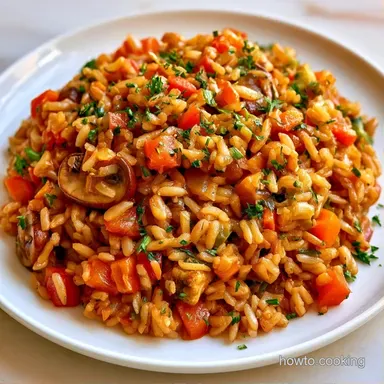
Takikomi Gohan Rice Cooker: Mixed Rice
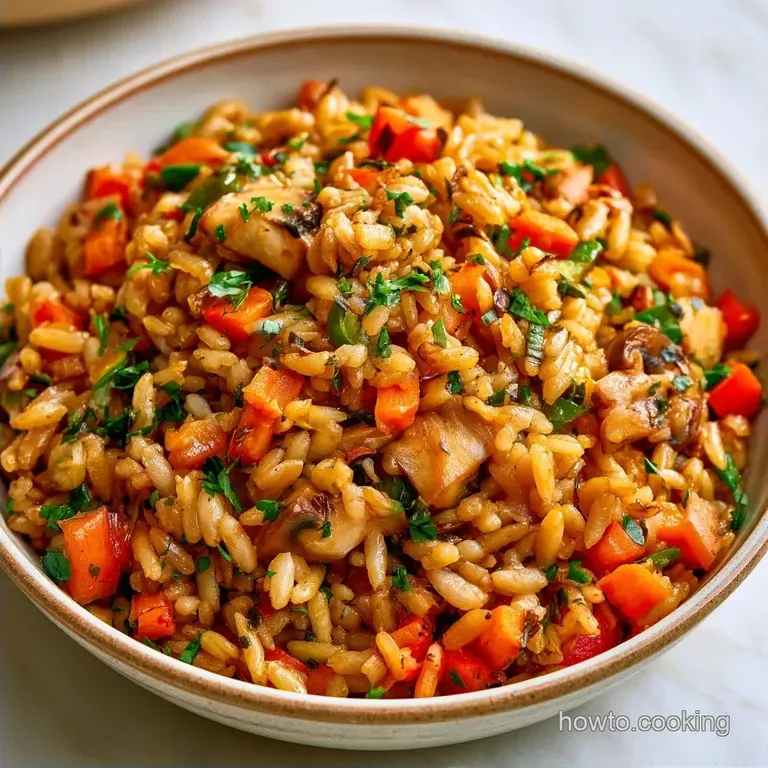
- Time: 15 min active + 45 min cooking
- Flavor/Texture Hook: Savory, umami rich grains with tender chicken
- Perfect for: Busy weeknight dinner or a hearty bento
The scent of soy sauce and simmering dashi filling the air is pure nostalgia. In Japan, this dish is a pillar of home cooking, often incorporating whatever seasonal vegetables happen to be in the crisper. It is a comforting meal, meant to be enjoyed with a side of steamed fish or simple pickles.
I used to assume a professional touch was necessary to nail the texture, but the key is simply not to disturb the rice. Stirring too much creates a porridge; however, layering the ingredients on top produces those plump, mahogany colored grains that hold their shape.
A Takikomi Gohan Rice Cooker makes the entire process seamless. You just prep the additions, set the timer, and leave it to simmer. It's a cost effective way to turn a few pantry staples into a hearty, complete meal.
Takikomi Gohan Rice Cooker Guide
The Layering Rule: Placing toppings on top prevents the rice from breaking, which keeps the texture light rather than gummy.
Seasoning First: Stirring the liquids into the rice before adding toppings ensures every grain absorbs the salty, sweet flavors evenly.
For those who usually prefer plain grains, checking out a fluffy jasmine rice guide shows just how different this seasoned approach is. While plain rice is a side, this is the main event.
| Method | Time | Texture | Best For |
|---|---|---|---|
| Rice Cooker | 1 hours 30 mins | Plump & Consistent | Easy weeknights |
| Stovetop | 1 hours 15 mins | Slightly Chewier | Small batches |
Ingredient Deep Dive
| Ingredient | What It Does | Best Swap |
|---|---|---|
| Short grain Rice | Provides the sticky, plump base | Medium grain white rice |
| Dashi Stock | Adds the foundational ocean umami | Vegetable broth (adds sweetness) |
| Chicken Thighs | Adds richness and hearty protein | Salmon chunks (for a fishy twist) |
| Shiitake Mushrooms | Deepens the earthy, savory notes | Button mushrooms |
Shopping List Breakdown
- 2 cups (300g) Japanese short grain white rice Why this? Necessary for the correct starch level
- 2 cups (480ml) Dashi stock Why this? The primary flavor driver
- 2 tbsp (30ml) Soy sauce
- 2 tbsp (30ml) Mirin
- 1 tbsp (15ml) Sake
- 1/2 tsp (3g) Salt
- 8 oz (225g) Chicken thighs, cut into 1/2 inch cubes Why this? Thighs stay juicy during the steam
- 1 medium (60g) Carrot, thinly sliced into matchsticks
- 5 large (50g) Shiitake mushrooms, thinly sliced
- 40g Frozen peas
- 1 piece (5x2 inch) Dried kombu
Recipe Specs
This recipe yields about 4.5 servings. It takes 15 minutes to prep and 45 minutes to cook, totaling 1 hours 30 mins. Since we're using a rice cooker, the active work is minimal, making this an easy Takikomi Gohan rice cooker option for a busy Tuesday.
Equipment Needed
Simple tools are all you need here. A basic rice cooker with a non-stick interior pot is ideal. I also recommend using a fine mesh strainer to rinse the rice and a sharp knife to create those thin carrot matchsticks.
Pro Tip: The "Regular" white rice setting is a perfect alternative if the "Mixed Rice" option isn't available on your machine.
The Cooking Process
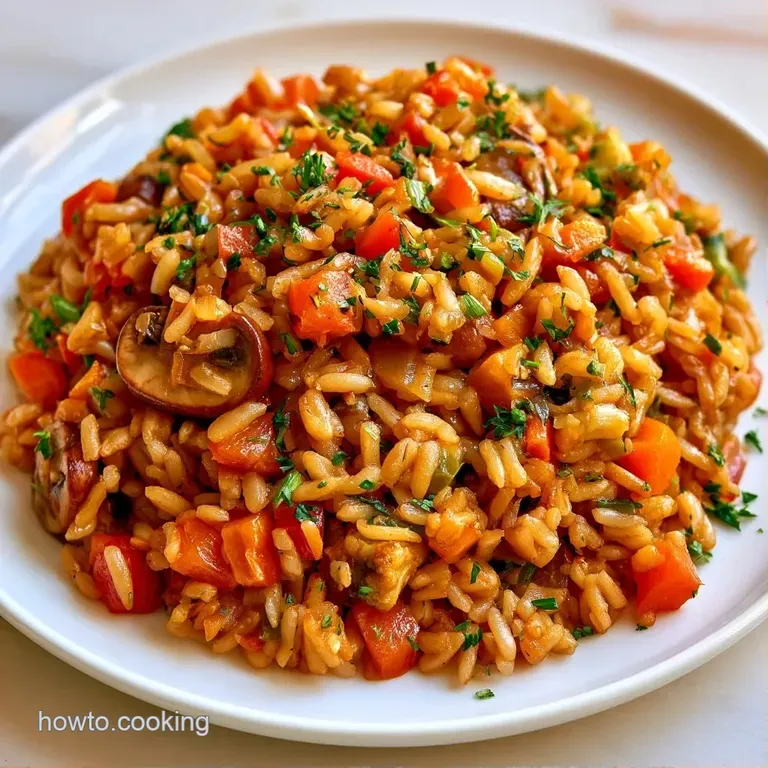
Phase 1: The Preparation
- Wash the rice using a fine mesh sieve until the water is no longer cloudy, then let it soak in a bowl for 30 minutes. Note: Soaking ensures the core of the grain cooks through.
- Chop the chicken thighs into uniform cubes and slice the carrots and mushrooms into thin strips.
Phase 2: The Layering Order
- Drain the rice and transfer it into the inner pot of the rice cooker.
- Add the salt, sake, mirin, and soy sauce.
- Pour dashi stock into the pot until it reaches the 2 cup line. Gently stir only the liquids to mix the seasonings, leaving the rice undisturbed.
- Carefully arrange the chicken, carrots, and mushrooms in a flat layer on top of the rice, then add the piece of kombu last. Do not mix the ingredients into the rice.
Phase 3: The Steam and Fold
- Close the lid and set the cooker to 'Regular' or 'Mixed Rice'.
- Let the pot steam for a few minutes after the timer beeps.
- Fold in the frozen peas and fluff the rice until the grains are separate and fragrant.
Pro Tips & Pitfalls
The biggest issue most people run into is the liquid ratio. Because the chicken and mushrooms release water, adding extra liquid "just to be safe" leads to a soggy mess. Stick to the internal lines of your pot.
Fixing Mushy Grains
If the rice feels like porridge, you likely stirred the toppings into the rice before cooking. This releases too much starch. Next time, keep the toppings strictly on top.
Addressing Bland Flavor
If the rice looks pale or tastes flat, check your dashi quality. Using a high-quality instant powder or homemade stock makes a huge difference.
Preventing Burnt Bottoms
Burnt rice usually happens if the pot is too old or you used too little liquid. Ensure you hit that 2 cup line exactly.
| Problem | Root Cause | Solution |
|---|---|---|
| Soggy Rice | Too much liquid added | Use the pot's internal marking |
| Gummy Texture | Stirring before cooking | Layer toppings on top only |
| Undercooked Veg | Pieces were too thick | Cut into thin matchsticks |
Adjusting Your Batch
If you're making a smaller meal (½ batch), use a smaller pot if available. Reduce the cooking time by roughly 20% to keep the rice from drying out.
For double batches, use 1.5x the seasonings instead of a full 2x amount of soy sauce and salt. Decrease the total liquid by 10% because the larger volume traps more steam. To ensure steam circulates properly, work in batches if your pot is too small to avoid overcrowding.
Storage & Reheating
Keep leftovers in a sealed container in the fridge for 3 days. You can also freeze portions for up to 2 months.
To reheat, sprinkle a teaspoon of water over the rice and microwave for 2 minutes. This steams the grains back to life so they aren't hard.
For zero waste, if you have leftover carrot ends or mushroom stems, simmer them in water for 20 minutes to make a quick veggie stock for your next batch of homemade Takikomi Gohan rice cooker meals.
Perfect Complements
This dish is hearty enough to stand alone, but a side of miso soup and some pickled ginger cuts through the richness. If you want something even more filling, serving this alongside smoked sausage creates a fusion feast that's surprisingly satisfying.
For a simple presentation, scoop the rice into a bowl and top with a few sliced scallions and a pinch of toasted sesame seeds.
Dietary Adaptations
For a Salmon Variation
Substitute the chicken with 8 oz of salmon cubes, adding them at the same stage. The natural oils from the salmon create a richer, more savory rice.
For a Vegan Version
Replace the meat with fried tofu cubes or more shiitake mushrooms. Use a kombu based vegetable dashi instead of the fish variety to maintain a high level of umami in a plant based dish.
For Brown Rice Lovers
Brown rice works well, but it requires soaking for at least 6 hours or overnight. Since brown rice is more absorbent, increase the dashi stock by about 15%.
Decision Shortcut:
- For a heartier texture: Use chicken thighs instead of breast.
- For faster prep: Opt for frozen mixed vegetables.
- For a deeper color: Stir in one extra teaspoon of dark soy sauce.
Final check on safety: The USDA suggests a safe internal temperature of 165°F for chicken. Your rice cooker should reach this easily, but for peace of mind, you can probe the largest piece of meat. This simple Takikomi Gohan delivers wonderful flavor with very little fuss. Enjoy!
High in Sodium
1000 mg 1000 mg of sodium per serving (43% 43% of daily value)
The American Heart Association recommends a daily limit of 2,300mg of sodium to help manage blood pressure and reduce the risk of heart disease.
Tips to Reduce Sodium
-
Swap Dashi Stock-30%
Use low-sodium dashi stock or prepare your own using water and kombu without adding extra salt.
-
Remove Added Salt-25%
Completely omit the 1/2 tsp of salt; the dashi and soy sauce already provide significant salinity.
-
Use Low-Sodium Soy-20%
Substitute the regular soy sauce with low-sodium soy sauce or coconut aminos for a similar savory taste.
-
Enhance Natural Umami-15%
Increase the amount of shiitake mushrooms to add natural depth and savoriness, reducing the need for salty seasonings.
-
Add Fresh Aromatics
Incorporate freshly grated ginger or minced garlic to boost the flavor profile without increasing sodium.
Recipe FAQs
What is takikomi gohan called in English?
It is generally called seasoned rice or mixed rice. The name refers to the process of cooking rice with other ingredients and seasonings.
How does this differ from Kamameshi?
Kamameshi is cooked in a traditional iron pot over an open flame. Takikomi gohan is a broader category of seasoned rice and is often made in a rice cooker.
Traditionally, how is this rice cooked?
Rinse the grains until the water is clear and soak them for 30 minutes. Layer the seasonings and ingredients on top before starting the cooking cycle.
Is it true that you should stir the chicken and vegetables into the rice before starting?
False. Layering the ingredients on top prevents the rice from cooking unevenly and ensures a fluffy texture.
Why does the rice require a 30-minute soak?
Soaking allows water to penetrate the core of the grain. This results in a more uniform texture and prevents the rice from being hard in the center.
Could I use a different grain like farro?
Yes, although the cooking time and liquid ratios will change. If you enjoyed the nutty profile of whole grains, try our guide on cooking farro for similar results.
Do I have to use dashi stock for the liquid?
Dashi is preferred for the traditional umami flavor. You can use water, but the rice will lack the depth provided by the kombu and fish stock.
Would skipping the rinse process still result in a good texture?
Not true. Excess surface starch makes the rice gummy and prevents the seasonings from absorbing properly into the grains.
Takikomi Gohan Rice Cooker