Homemade Italian Meatball Recipe

- Time: Active 25 minutes, Passive 35 minutes, Total 1 hour
- Flavor/Texture Hook: Velvety, melt in-your mouth interior with a savory, browned crust
- Perfect for: Sunday family dinners, meal prepping for the week, or impressive date nights
- Master the Ultimate Homemade Italian Meatball Recipe
- Science Behind Soft, Juicy Texture
- Quick Prep vs Classic Simmer
- Selecting the Best Flavor Components
- Essential Tools for Consistent Results
- Step-By-Step Guide to Perfection
- Fixing Common Cooking Mistakes
- Smart Swaps and Taste Twists
- Storing and Saving Your Scraps
- Best Pairings for Every Plate
- Myths About Cooking Meatballs
- Recipe FAQs
- 📝 Recipe Card
Master the Ultimate Homemade Italian Meatball Recipe
Have you ever bitten into a meatball only to find it has the texture of a rubber bouncy ball? It is a total heartbreak, especially when you have spent time and money on ingredients. I used to think the secret to a great meatball was just "more meat," but I was so wrong.
The real magic actually happens when you embrace the bread.
We are making a version that stays impossibly tender because we are using a "panade," which is just a fancy way of saying we soak bread in milk. This creates a moisture barrier that keeps the proteins from binding too tightly.
It is the difference between a tough, dense lump and a velvety bite that practically dissolves on your tongue.
In this guide, I am sharing the exact steps I use for my family every Sunday. We will use a blend of beef and pork for the right fat ratio and a simple, bright tomato sauce that lets the meat shine. If you have been looking for that "better than the restaurant" result, you are in the right place.
Science Behind Soft, Juicy Texture
Understanding what happens inside the meat is the secret to consistency. When we cook ground meat, the proteins want to coil up and squeeze out all their moisture, which is how you end up with dry results. By intervening with specific ingredients, we stop that process in its tracks and keep things succulent.
- Capillary Action: The sourdough breadcrumbs act like tiny sponges, soaking up the whole milk and holding it inside the meat structure even as the temperature rises.
- Protein Interruption: Adding Pecorino Romano and breadcrumbs physically gets in the way of the meat fibers, preventing them from bonding into a tough, solid mass.
- Maillard Reaction: Searing the exterior in extra virgin olive oil creates a complex array of new flavor compounds that can only happen at high heat.
- Emulsification: The beaten egg acts as a binder that holds the fat and water based liquids together, ensuring the fat stays inside the meatball rather than leaking out into the pan.
Quick Prep vs Classic Simmer
| Feature | Fast Method (Air Fry) | Classic Method (This Recipe) |
|---|---|---|
| Texture | Crispier exterior, slightly drier core | Velvety, tender, and uniform moisture |
| Sauce Depth | Separate sauce lacks meat drippings | Sauce is enriched by the meat juices |
| Time | 30 minutes total | 1 hour total |
Selecting the Best Flavor Components
For a truly wholesome and flavorful result, the quality of your components matters. I always suggest using a high fat beef blend because fat equals flavor and moisture. If you use lean beef, you will likely end up with something that feels like cardboard.
| Ingredient | Science Role | Pro Secret |
|---|---|---|
| 80/20 Ground Beef | Provides structural fat | Keep it cold from the fridge until the very moment you mix it. |
| Sourdough Bread | Adds tang and structure | Use fresh bread, not dry bagged crumbs, for maximum absorption. |
| Pecorino Romano | Adds salt and umami | Grate it yourself on a microplane for a light, fluffy texture. |
| San Marzano Tomatoes | Low acidity, high sugar | Look for the "D.O.P." seal on the can for authentic Italian flavor. |
The Magic of Panade
The panade is non negotiable. By soaking 1 cup of fresh sourdough breadcrumbs in 0.5 cup of whole milk, you create a paste. This paste is what makes this a traditional Italian meatball recipe. It keeps the meat fibers from interlocking too tightly, which is the number one cause of toughness.
Why Fat Ratios Matter
We use 1 lb of beef and 0.5 lb of pork. The pork adds a different type of fat and a subtle sweetness that balances the beef. This combination is a staple in any authentic Italian meatball recipe because it covers the full spectrum of savory flavors.
The San Marzano Difference
For the sauce, we use 28 oz of San Marzano crushed tomatoes. These tomatoes grow in volcanic soil near Mount Vesuvius, which makes them naturally sweeter. You won't need to add heaps of sugar to this sauce because the fruit is already so balanced.
Essential Tools for Consistent Results
You don't need a kitchen full of gadgets, but a few specific items make this much easier. I always reach for my Lodge Cast Iron Skillet for the searing phase. It holds heat better than stainless steel, giving you that beautiful brown crust without overcooking the inside.
To keep things clean and prevent the meat from sticking to my hands, I often use a set of kitchen safe gloves. It also helps to have a Microplane Zester for the garlic and cheese.
When you turn garlic into a paste rather than just chopping it, the flavor distributes much more evenly through the meat, so you don't get a huge "garlic bomb" in one bite and nothing in the next.
- Mixing Bowl: Large enough to toss the ingredients without squishing them.
- Grated Box: For the onion used in the sauce.
- Tongs: To gently flip the meatballs without breaking the crust.
- Wooden Spoon: Ideal for scraping the browned bits (fond) off the bottom of the pan.
step-by-step Guide to Perfection
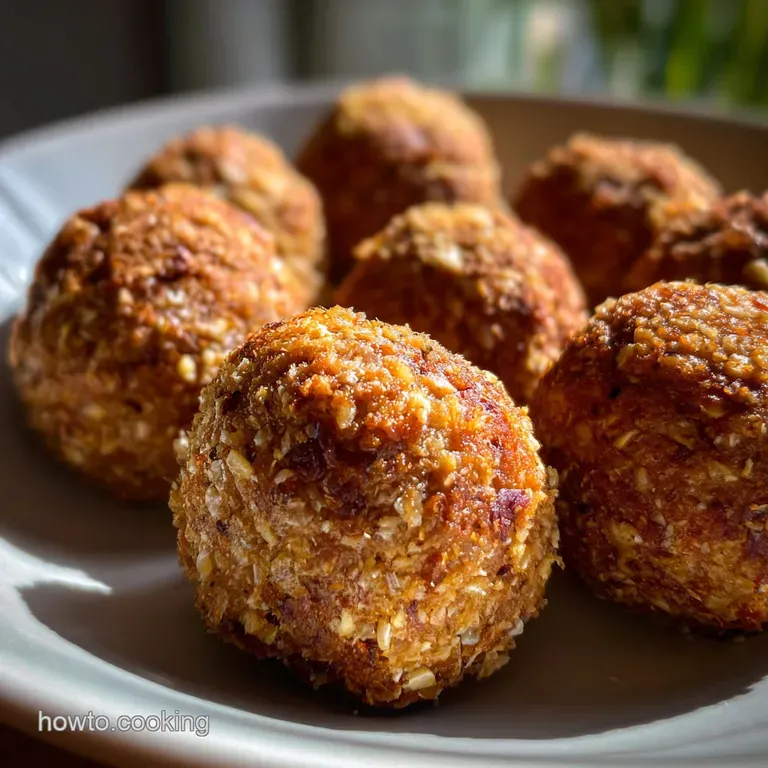
Phase 1: The Moisture Infusion
Start by removing the crusts from your sourdough bread. Tear it into small pieces and pulse it in a processor until you have 1 cup of fresh crumbs. In a small bowl, combine these crumbs with 0.5 cup of whole milk. Let this sit for at least 10 minutes until it looks like a thick porridge.
This is the foundation of your meatball recipe.
Phase 2: Gentle Integration
In a large bowl, add your 1 lb of beef and 0.5 lb of pork. Add the sourdough paste, 1 beaten large egg, 0.5 cup of Pecorino Romano, 3 cloves of minced garlic paste, 0.25 cup of Italian parsley, 1 tsp sea salt, and 0.5 tsp black pepper.
Chef's Note: Use your hands and move them like claws. Do not "knead" the meat like bread dough. You want to just barely combine everything. If you overwork the meat, the proteins will toughen up.
Phase 3: The Golden Sear
Heat 2 tbsp of extra virgin olive oil in your skillet over medium high heat. Roll the meat into balls about the size of a golf ball. You should get about 16-20 meatballs. Place them in the hot oil.
Cook 5-7 minutes total, turning occasionally, until they are deeply browned and release easily from the pan. They don't need to be cooked through yet!
Phase 4: The Sauce Simmer
Remove the meatballs and set them on a plate. In the same pan, add the 1 small grated yellow onion. The moisture from the onion will help you scrape up those tasty brown bits. Stir in 1 tsp dried oregano. Pour in the 28 oz of San Marzano tomatoes.
Phase 5: The Final Merge
Gently place the meatballs back into the bubbling sauce. Reduce the heat to low. Simmer for 20-25 minutesuntil the sauce has thickened and the meatballs are tender. Toss in a handful of fresh basil leaves right at the end to keep the herb flavor bright.
Fixing Common Cooking Mistakes
Even the best cooks have days where things go sideways. If you find your meat is too sticky while rolling, just wet your hands with a little cold water. It creates a barrier that lets the meat slide right off.
| Problem | Cause | Fix | Pro Tip |
|---|---|---|---|
| Falling Apart | Not enough binder or handled too much | Add another 1/4 cup of crumbs next time | Chill the rolled balls for 20 mins before frying |
| Tough Texture | Over mixing the meat | Mix until just combined; use "claw" hands | Use a higher fat percentage (80/20) |
| Bland Flavor | Under seasoning the raw mix | Add more Pecorino or a pinch more salt | Fry a tiny "test" patty to check the salt before rolling |
Why are my meatballs falling apart?
This usually happens if the panade was too wet or if you didn't include enough egg. The egg is the "glue." Also, if you try to flip them too early in the pan, they will stick and tear. Wait until they form a crust; they will naturally "release" from the skillet when they are ready to be turned.
Why did they turn out rubbery?
Over mixing is the usual suspect. When you squeeze ground meat too much, you create a dense matrix of proteins. It's similar to the technique used in our How to Make recipe, where texture is key. Keep your movements light and airy.
Smart Swaps and Taste Twists
Sometimes you don't have every ingredient on hand. That is okay! This easy homemade Italian meatball recipe is flexible. Just keep the ratios similar so the texture doesn't suffer.
| Original Ingredient | Substitute | Why It Works |
|---|---|---|
| Pecorino Romano | Parmesan Reggiano | Similar saltiness, though slightly less "tangy" than Pecorino. |
| Fresh Sourdough | Panko Breadcrumbs | Panko is airy and absorbs milk well, though lacks sourdough's flavor. |
| Ground Pork | Ground Veal | Veal is very traditional and offers an even more delicate texture. |
| Whole Milk | Heavy Cream | Adds even more richness; great for a decadent Sunday meal. |
- Decision Shortcut:
- If you want a lighter meal, swap the pork for ground turkey, but increase the olive oil by 1 tbsp to compensate for the lost fat.
- If you want a deeper flavor, add 1 tsp of anchovy paste to the sauce while sautéing the onions.
- If you want a spicy kick, add 0.5 tsp of red pepper flakes to the meat mixture.
Storing and Saving Your Scraps
These meatballs actually taste better the next day. The flavors in the homemade Italian meatball sauce have more time to marry and penetrate the meat.
- Fridge: Keep them in an airtight container for up to 4 days.
- Freezer: You can freeze the cooked meatballs in the sauce for up to 3 months. I recommend freezing them in individual portions for easy lunches.
- Reheating: Always reheat slowly on the stovetop. If you use a microwave, the meat can become rubbery. Add a splash of water to the sauce to loosen it up if it has thickened too much in the fridge.
- Zero Waste: If you have leftover sauce but no meatballs, it makes an incredible base for a How to Cook recipe or you can use it as a dip for crusty garlic bread. Don't throw away those parsley stems either; toss them into a freezer bag for your next batch of homemade broth.
Best Pairings for Every Plate
The classic choice is always spaghetti, but there are so many ways to serve this homemade Italian meatball recipe. For a lower carb option, I love serving these over roasted spaghetti squash or even just in a bowl with a big dollop of ricotta cheese on top.
If you are feeling like a sandwich, this is the perfect base for a homemade Italian meatball sub recipe. Just toast a hoagie roll with some garlic butter, nestle the meatballs inside, and top with slices of provolone. Broil it for 2 minutes until the cheese is bubbling and brown.
For a full feast, this dish pairs perfectly with a side of Italian Seasoning recipe sprinkled over roasted vegetables. The herbs in the seasoning will echo the fresh parsley and oregano in the meatballs, creating a cohesive, restaurant quality meal right in your own kitchen.
Myths About Cooking Meatballs
Searing "seals" the juices inside. This is one of the most common myths in cooking. Searing actually causes moisture loss because of the high heat. However, we do it anyway because of the flavor it creates. The crust provides a textural contrast that you just can't get from simmering alone.
You must use dry breadcrumbs. Many people think dry crumbs are better because they are easier to store. In reality, fresh bread soaked in milk provides a much softer, more "forgiving" texture. Dry crumbs can sometimes lead to a grainier feel if they aren't hydrated perfectly.
Milk is only for thinning the meat. Milk isn't just a liquid; the proteins and fats in the milk interact with the meat to keep it tender. If you used water, you would lose that creamy, rich mouthfeel that defines a truly authentic Italian meatball recipe.
This process might seem like it has a lot of steps, but once you get the rhythm down, it becomes second nature. Cooking with confidence is all about knowing which rules you can bend and which ones like the panade are there for a reason. I hope this becomes a staple in your home just like it has in mine!
Recipe FAQs
How to make homemade Italian meatballs?
Yes, start with a panade. Soak fresh breadcrumbs in milk to create a moist base; this prevents the meat from becoming tough during cooking. Gently mix this paste with your ground meats and spices, then sear them before simmering them slowly in your sauce.
How to make homemade Italian meatballs from scratch?
Absolutely, it requires a blend of meats. Use both beef (for fat) and pork (for flavor) for the best texture and richness. Grating your cheese and garlic finely ensures even distribution, which is key to that authentic, uniform flavor profile.
How to make authentic Italian meatballs?
Yes, focus on the fat content and simmering time. Authentic recipes rely on 80/20 ground beef combined with pork, and they require a long, slow simmer in high-quality tomatoes, like those used in The Nonnas Secret Truly Classic Marinara Sauce.
How to make your own Italian meatballs?
Yes, the secret is in the binding agent. Always use an egg and a hydrated breadcrumb mixture (panade) to bind the meat. This stops the proteins from tightening up, resulting in meatballs that are tender rather than dense and chewy.
How to make authentic Italian meatballs from scratch?
Yes, incorporate high-quality sharp cheese. Use freshly grated Pecorino Romano rather than pre-grated varieties for the best umami boost. If you enjoyed mastering the gentle mixing required here, you will find the same attention to ingredient integration necessary when preparing recipes like My Familys Favourite Homemade Pesto Sauce Recipe.
Should I sear meatballs before adding them to sauce?
Yes, searing is crucial for flavor development. Searing creates the Maillard reaction on the exterior, building a rich brown crust that adds complexity. This crust also helps the meatball hold its shape during the long simmer in the liquid.
Can I use lean ground meat for Italian meatballs?
No, stick to an 80/20 blend for best results. Lean meat releases too much moisture and lacks the necessary fat content to keep the finished meatball tender and juicy. Fat equals flavor and moisture retention in this classic application.
Tender Italian Meatball Recipe
Ingredients:
Instructions:
Nutrition Facts:
| Calories | 351 kcal |
|---|---|
| Protein | 20 g |
| Fat | 24 g |
| Carbs | 12 g |
| Fiber | 2 g |
| Sugar | 6 g |
| Sodium | 413 mg |
