Tortellini Pasta Salad: Zesty and Herbaceous
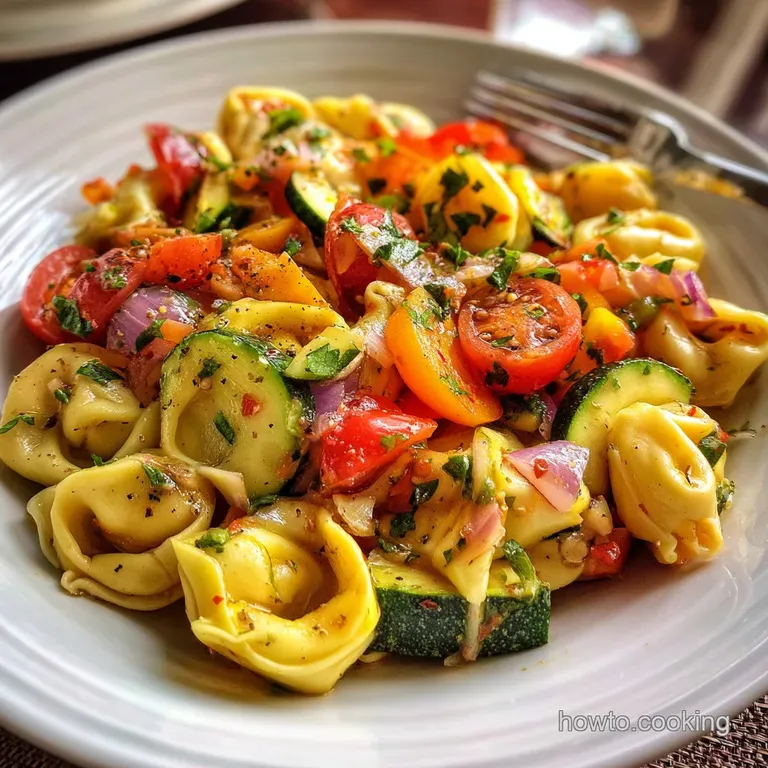
- Time: Active 15 minutes, Passive 5 minutes, Total 20 minutes
- Flavor/Texture Hook: Zesty, herbaceous, and toothsome
- Perfect for: Family gatherings, backyard cookouts, or a nutritious weekday lunch
- Why This Tortellini Pasta Salad Dominates Every Table
- Key Specs for This Nutritious Salad
- Breaking Down the Nutrient Dense Ingredients
- Basic Tools for Confident Home Cooking
- Mastering the Assembly of Your Medley
- Solving Common Texture and Flavor Issues
- Simple Swaps for Wholesome Dietary Needs
- Storage and Sustainability for Busy Families
- Balanced Pairings for a Flavorful Meal
- Recipe FAQs
- 📝 Recipe Card
Why This Tortellini Pasta Salad Dominates Every Table
I’ll never forget the time I brought a standard potato salad to a summer block party and watched it sit there, ignored, while a neighboring bowl of vibrant pasta vanished in minutes. It was a wake up call.
I realized people don't just want heavy mayo based sides; they want something that feels alive, snappy, and balanced. That’s when I started obsessing over the mechanics of this specific Mediterranean inspired bowl.
The secret isn't just throwing ingredients together; it’s about the interplay between the vinegar and the starch. Most people make the mistake of overcooking the pasta, leading to a mushy disaster that breaks apart when tossed.
We’re going for a structure that holds up, providing a satisfying bite even after sitting in the fridge. This version is built on confidence and wholesome ingredients that provide a high value result without needing expensive specialty imports.
We’ve all been there staring at a recipe that asks for three different types of artisan oils. I’ve learned that a quality store brand extra virgin olive oil works brilliantly here.
By focusing on the technique of emulsification and the timing of the pasta boil, you’ll create a result that looks like it came from a high end deli but cost you a fraction of the price. Trust me, once you see how the red wine vinegar cuts through the rich cheese filling, you won’t go back to boxed kits.
The Hydrophilic Snap
The pasta acts like a sponge while it's still warm, drawing the acidic dressing into its outer layers via capillary action. This ensures the flavor is integrated into the dough rather than just sitting on the surface, preventing a bland experience.
Chef Tip: Freeze your mozzarella pearls for 10 minutes before tossing. This helps them maintain their spherical shape and firm texture when hitting the slightly warm pasta and acidic dressing.
Chef Tip: Mince your red onions and soak them in the red wine vinegar for 10 minutes before adding the oil. This "pickles" them slightly, removing the harsh sulfurous bite while infusing the dressing with a beautiful pink hue.
Key Specs for This Nutritious Salad
| Method | Time | Texture | Best For |
|---|---|---|---|
| Classic Chill | 2 hours | Firm, marinated | Planning ahead/Parties |
| Warm Toss | 20 minutes | Soft, absorbent | Immediate family dinner |
| Efficient Prep | 15 minutes | Crunchy, fresh | Last minute lunch |
Getting the timing right is the difference between a soggy mess and a professional grade side. I’ve found that using fresh pasta over dried significantly reduces cook time and provides a more velvety mouthfeel. Similar to the logic in my Kale Caesar Salad recipe, the contrast in textures the snap of the cucumber against the tender pasta is what keeps people coming back for seconds.
When we talk about wholesome meals, we're looking for balance. This dish provides protein from the cheese and a massive hit of micronutrients from the bell peppers and tomatoes. It’s a complete thought in a bowl.
Whether you’re serving this as a standalone vegetarian meal or as a side, the structural integrity of the fresh tortellini is your foundation.
Breaking Down the Nutrient Dense Ingredients
| Ingredient | Science Role | Pro Secret |
|---|---|---|
| Fresh Tortellini | Primary Starch | Undercook by 1 minute to account for "acid cooking" in the dressing. |
| Red Wine Vinegar | Protein Denaturant | Brightens the flavor and softens the cellular walls of the raw veggies. |
| Dijon Mustard | Emulsifier | Contains mucilage that binds oil and vinegar into a creamy, stable coating. |
| English Cucumber | Hydration/Crunch | Use the thin skinned variety to avoid the bitter, waxy coating of standard slicers. |
The Component Analysis
- 20 oz fresh cheese tortellini: The backbone of the dish. Why this? Fresh pasta absorbs dressing better than dried and has a superior, tender texture.
- Substitute: Frozen cheese tortellini. It works just as well; just add 1 minute to the boil time.
- 1 large English cucumber: Provides a refreshing snap. Why this? Fewer seeds mean less water release, keeping the salad from getting soggy.
- Substitute: Two Persian cucumbers for the same low moisture benefit.
- 1 pint cherry tomatoes: These add bursts of sweetness. Why this? They hold their shape better than chopped large tomatoes when tossed.
- Substitute: Grape tomatoes, which offer a firmer "shatter" when bitten.
- 1 medium red bell pepper: Adds color and vitamin C. Why this? Red peppers are sweeter and more nutritious than green ones.
- Substitute: Yellow or orange peppers for a similar flavor profile.
- 0.5 cup pitted Kalamata olives: The source of salty, umami depth. Why this? Their brine cured nature provides a deeper flavor than canned black olives.
- Substitute: Castelvetrano olives for a buttery, milder saltiness.
- 6 oz marinated artichoke hearts: Adds a tangy, sophisticated note. Why this? The marinade doubles as a secondary flavor booster for the pasta.
- Substitute: Heart of palm, sliced into rounds for a similar texture.
- 0.25 cup red onion: For a sharp, aromatic finish. Why this? Red onions have the best color for a vibrant presentation.
- Substitute: Shallots for a more delicate, garlicky undertone.
- 8 oz fresh mozzarella pearls: Creamy fat to balance the acidity. Why this? Their size perfectly mirrors the tortellini for a cohesive look.
- Substitute: Cubed provolone or feta crumbles (Note: Feta adds more salt).
- 0.5 cup extra virgin olive oil: The base of our zesty dressing. Why this? high-quality fats carry the herb flavors across the palate.
- Substitute: Avocado oil for a more neutral flavor profile.
- 0.25 cup red wine vinegar: The essential brightener. Why this? It provides a classic Mediterranean punch that cuts through the cheese.
- Substitute: Lemon juice for a fresher, more citrus forward zing.
- 1 tsp honey: To balance the harshness of the vinegar. Why this? It aids in emulsification and rounds out the salt.
- Substitute: Maple syrup or a pinch of white sugar.
- Dried Oregano & Basil (1 tsp each): For that "pizza shop" nostalgia. Why this? Dried herbs hold up better in vinegar heavy dressings than fresh ones.
- Substitute: 2 tablespoons of chopped fresh Italian parsley for a greener finish.
Basic Tools for Confident Home Cooking
You don't need a high tech kitchen to master this tortellini pasta salad recipe. A large stainless steel or glass bowl is your best friend here. Avoid reactive metals like aluminum, as the vinegar in the dressing can pick up a metallic taste.
I also highly recommend a small glass jar with a tight lid for the dressing. Shaking is much more effective than whisking for achieving that velvety, emulsified state we’re after.
A sharp chef's knife is non negotiable for dicing the peppers and onions. If the knife is dull, you’ll crush the cells of the vegetables rather than slicing them, which leads to a watery salad. Finally, a large colander that allows for rapid drainage is essential.
If the tortellini sit in their own steam for too long after boiling, they’ll continue to cook and lose their integrity.
Mastering the Assembly of Your Medley
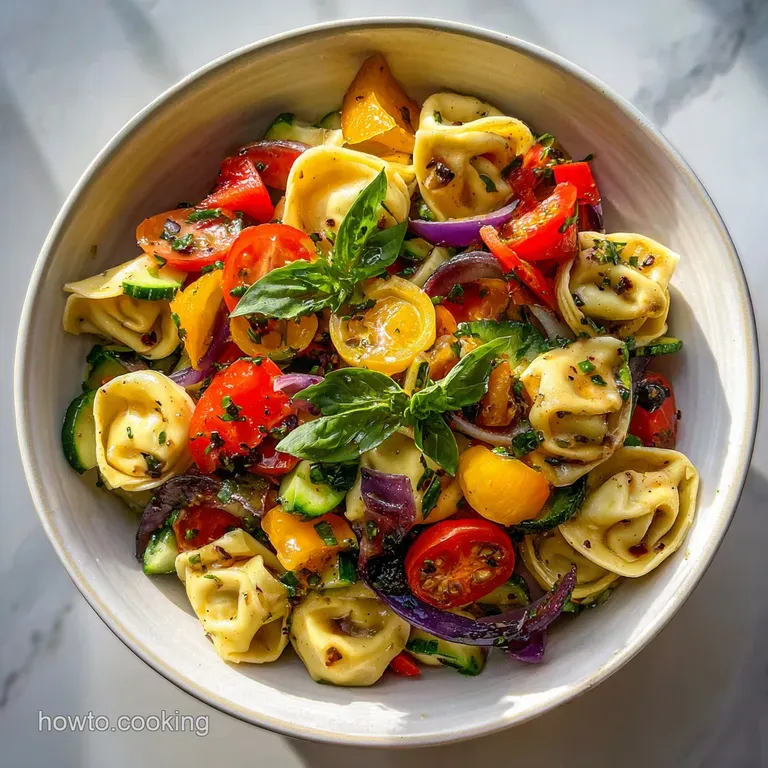
- Boil the water. Use a large pot with plenty of salt it should taste like the sea.
- Cook the tortellini. Drop the 20 oz fresh cheese tortellini into the water and cook for 4-5 minutes until they float and are tender but firm. Note: Do not overcook; the dressing will soften them further.
- Shock the pasta. Drain immediately and rinse with cold water until the pasta is cool to the touch. This stops the cooking process and removes excess starch.
- Prepare the aromatics. Mince the 0.25 cup red onion and press the 2 garlic cloves. Note: Pressing garlic releases more oils than chopping.
- Whisk the dressing. In a jar, combine 0.5 cup olive oil, 0.25 cup red wine vinegar, 1 tsp Dijon, 1 tsp honey, garlic, 1 tsp dried oregano, 1 tsp dried basil, 0.5 tsp red pepper flakes, 0.5 tsp sea salt, and 0.25 tsp pepper.
- Emulsify. Shake the jar vigorously for 30 seconds until the liquid is thick and opaque.
- Chop the produce. Slice the English cucumber, halve the cherry tomatoes, and finely dice the red bell pepper.
- Combine the base. Place the cooled tortellini in a large bowl and add the vegetables, 0.5 cup Kalamata olives, 6 oz marinated artichokes, and 8 oz mozzarella pearls.
- Dress the salad. Pour the dressing over the mixture and toss gently with a large spoon.
- Rest and serve. Let it sit for at least 15 minutes until the flavors have melded and the pasta looks glossy.
Solving Common Texture and Flavor Issues
One common frustration I hear is about the pasta soaking up all the dressing, leaving the salad looking dry and lackluster the next day. This happens because the starch in the tortellini is incredibly thirsty.
If you're making this ahead of time, I suggest reserving about a quarter of the dressing to toss in right before serving. This revives the gloss and ensures a zesty flavor profile.
Another issue is the "watery" bottom of the bowl. This is usually caused by the tomatoes or cucumbers releasing their juices. By using an English cucumber and halved cherry tomatoes (rather than chopped larger ones), we minimize this.
If it still happens, a quick toss right before serving usually redistributes those flavorful juices back into the pasta.
Why Your Salad Lacks Punch
If the salad tastes flat, it’s usually a lack of acidity or salt. Don't be afraid to add an extra splash of vinegar or a pinch of sea salt right at the end. The cold temperature of a fridge can mute flavors, so what tasted seasoned on the counter might need a boost after chilling.
| Problem | Root Cause | Solution |
|---|---|---|
| Soggy Pasta | Overboiled or not rinsed | Cook 1 min less than package; rinse in ice water. |
| Bland Flavor | Cold temperature muting herbs | Add an extra tsp of vinegar or salt before serving. |
| Separated Dressing | Poor emulsification | Add more Dijon mustard; it acts as a binder. |
Common Mistakes Checklist
- ✓ Skipping the cold water rinse (this leaves excess starch that makes the salad "gummy").
- ✓ Adding the mozzarella while the pasta is still hot (this creates a melted, clumpy mess).
- ✓ Using "salad" olives instead of high-quality Kalamata or Castelvetrano.
- ✓ Forgetting to salt the pasta water (the dough needs flavor from the inside out).
- ✓ Dicing the onions too large (nobody wants a giant mouthful of raw onion).
Simple Swaps for Wholesome Dietary Needs
Adjusting this homemade tortellini pasta salad for different lifestyles is quite simple. If you are looking for a vegetarian tortellini pasta salad, this recipe is already perfect as written!
However, for a vegan version, you’ll need to swap the cheese tortellini for a vegan friendly stuffed pasta (often found in the refrigerated section of health food stores) and use a dairy-free mozzarella alternative or simply double the artichokes and olives for creaminess.
For those watching their carbohydrate intake, you can find chickpea based or cauliflower based tortellini in many frozen aisles now. The texture is slightly denser, but it holds up beautifully against the acidity of the red wine vinegar. Just like choosing between types in a Sardinian Gnocchetti Homemade recipe, the density of your pasta dictates how much dressing you’ll need denser pastas need about 10% more liquid to feel fully coated.
| Servings | Tortellini | Mozzarella | Dressing Volume |
|---|---|---|---|
| 4 People | 10 oz | 4 oz | 0.5 cup |
| 8 People | 20 oz | 8 oz | 1.0 cup |
| 12 People | 30 oz | 12 oz | 1.5 cups |
Creating a Creamy Tortellini Pasta Salad
If you prefer a creamy tortellini pasta salad, don't reach for the heavy mayo. Instead, whisk 2 tablespoons of Greek yogurt or sour cream into the dressing. This provides a velvety coating that feels lighter and more nutritious while still giving you that indulgent mouthfeel.
Storage and Sustainability for Busy Families
This pasta salad is a champion of longevity. It actually tastes better after 24 hours in the fridge, as the garlic and herbs have time to permeate the pasta. You can safely store it in an airtight container for up to 4 days.
I don't recommend freezing it, as the fresh vegetables (especially the cucumbers and tomatoes) will lose their structure and become mushy upon thawing.
Zero Waste Guidelines
- Veggie Scraps: Save the ends of your peppers and the cucumber peels. Toss them into a freezer bag for your next homemade vegetable stock.
- Leftover Dressing: If you have extra, use it to marinate chicken breasts or as a dip for crusty bread.
- Artichoke Oil: Don't dump the oil from the marinated artichoke jar! It’s liquid gold. Use it to sauté your garlic or as a base for another batch of dressing.
Balanced Pairings for a Flavorful Meal
When thinking about what to serve alongside this dish, I look for items that complement the Mediterranean profile. A simple grilled chicken breast seasoned with lemon and garlic is a classic choice. If you're doing a full spread, it pairs beautifully with other vibrant sides. For example, a Dreamy Garlic Cream recipe might be too heavy as a secondary dish, but a light protein keeps things balanced.
Decision Shortcut
- If you want a lighter meal: Use lemon juice instead of vinegar and add a cup of fresh baby spinach.
- If you want a bolder flavor: Swap the dried basil for 2 tablespoons of pesto tortellini pasta salad sauce mixed into the dressing.
- If you want more crunch: Add toasted pine nuts or sunflower seeds just before serving to provide a shatter-like texture.
Precision Checkpoints
- Water Salinity: Use 1 tablespoon of salt per 4 quarts of water for the pasta.
- Vegetable Uniformity: Dice the red pepper into 1/4 inch squares to ensure they distribute evenly.
- Dressing Stability: Ensure you shake the jar until the honey and Dijon are completely dissolved about 30 seconds of vigorous movement.
Debunking Kitchen Myths
One common myth is that you should never rinse pasta. While that’s true for hot dishes where you want the sauce to stick, for a cold tortellini pasta salad with italian dressing, rinsing is essential.
It washes away the loose starch that would otherwise turn your salad into a giant, sticky block in the fridge.
Another misconception is that fresh garlic is too strong for raw salads. While raw garlic can be punchy, the acidity in the red wine vinegar actually "cooks" the garlic slightly (a process called maceration), mellowing the heat and leaving you with a savory, wholesome aroma rather than a harsh bite.
Whether you're making this for a weeknight dinner or as an easy tortellini pasta salad for a larger crowd, the confidence comes from knowing the science of your ingredients. Focus on that al dente bite, the emulsified dressing, and the fresh crunch of the vegetables.
You’ll have a bowl that isn't just "good for a salad" it’s a dish that people will be asking for again and again.
Recipe FAQs
What is the best dressing for tortellini salad?
A vinaigrette based on red wine vinegar and good olive oil. This zesty dressing cuts through the richness of the cheese filling perfectly, especially when emulsified with Dijon mustard.
What sauce goes well with tortellini?
Simple, light sauces are best for salads; creamy sauces or butter/sage for hot dishes. For a cold salad, use an acidic vinaigrette; for hot serving, a light coating prevents the filling from leaching out, similar to the principle used in our Sautéed Chicken Pasta recipe for flavor adhesion.
What are the five mistakes to avoid making pasta salad?
Overcooking the pasta, not rinsing it with cold water, using poor quality oil, forgetting to salt the water, and adding cheese too early. Rinsing removes surface starch, which prevents the salad from becoming gummy overnight.
Can you eat cold cheese tortellini?
Yes, cooked tortellini is designed to be enjoyed cold in salads. Ensure you cook them fully and shock them in ice water immediately after draining so they retain a pleasant, firm texture.
How do I prevent the tortellini salad from getting watery after sitting overnight?
Reserve a quarter of the prepared dressing to toss in just before serving the next day. The pasta absorbs liquid over time; adding fresh dressing restores moisture and brightness, a technique that also helps flavor distribution in rich bases like a Tasty Protein Cottage recipe.
How to make the dressing thick and glossy without mayo?
Shake the oil and vinegar vigorously in a sealed jar with Dijon mustard and honey. The proteins and starches in the Dijon act as a natural emulsifier, binding the fats and acids into a stable, non-separating coating.
Is it true that using dried tortellini ruins the salad texture?
No, dried tortellini works, but requires careful timing adjustments. Dried pasta absorbs more dressing and benefits from an extra 1-2 minutes of soaking time in the finished salad to fully hydrate.
Tortellini Pasta Salad Recipe
Ingredients:
Instructions:
Nutrition Facts:
| Calories | 466 kcal |
|---|---|
| Protein | 16.3 g |
| Fat | 28.3 g |
| Carbs | 36.9 g |
| Fiber | 2.3 g |
| Sugar | 4.8 g |
| Sodium | 612 mg |
