Valentines Cake Recipe
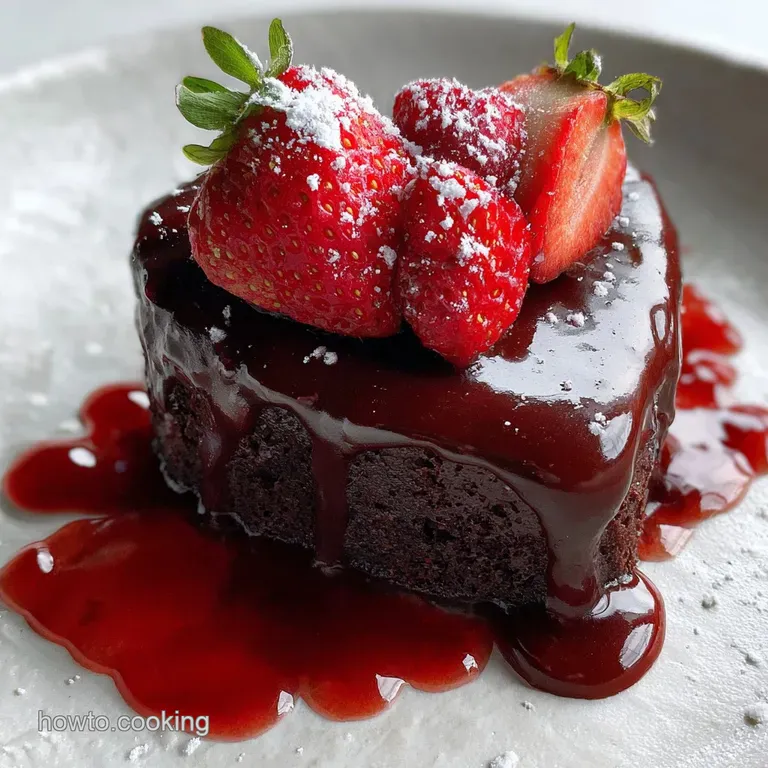
- Time: Active 25 mins, Passive 35 mins, Total 1 hr
- Flavor/Texture Hook: Silky chocolate sponge with a tangy, cloud like cream cheese frosting.
- Perfect for: Romantic dates, family celebrations, or a beginner friendly dessert.
- Create a Velvety Homemade Valentines Cake
- Why This Chocolate Sponge Works
- Essential Timing and Temperature Specs
- Wholesome Components Analysis Table
- Simple Tools for Better Baking
- Detailed Mixing and Baking Steps
- Pro Troubleshooting and Mistake Fixes
- Tasty Seasonal Flavor Adaptations
- Safe Storage and Zero Waste
- Elegant Plating and Serving Tips
- Valentine's Cake FAQs
- 📝 Recipe Card
Create a Velvety Homemade Valentines Cake
Have you ever pulled a cake out of the oven only to have it crumble into dry dust the second your fork hits it? It's heart breaking, especially when you've spent the afternoon prepping for a special occasion. I remember making a chocolate cake years ago that looked beautiful but tasted like a cardboard box.
That failure sent me on a mission to find the "holy grail" of moisture.
This version is different. We aren't relying on massive amounts of butter or oil to get that luscious mouthfeel. Instead, we're using science backed moisture traps like Greek yogurt and boiling water to "bloom" the cocoa.
The result is a sponge so tender it practically melts, paired with a frosting that isn't cloying or overly sugary.
Whether you're baking this for a partner, your kids, or just because you deserve a treat, this recipe is designed for confidence. We're keeping the tools minimal - no fancy stand mixers required if you don't have one - and the steps are straightforward.
Trust me, once you smell that deep chocolate aroma wafting through your kitchen, you'll know you've nailed it.
Why This Chocolate Sponge Works
The Science of Why it Works
Acid Base Leavening: The lactic acid in buttermilk and Greek yogurt reacts instantly with baking soda to produce carbon dioxide bubbles. This mechanism creates an immediate lift and a tender, velvety crumb structure.
Maillard Reaction: Coconut sugar contains trace minerals and amino acids that accelerate browning and flavor complexity at lower temperatures. This creates a deeper, caramel like undertone in the chocolate sponge.
- Hydration Control: Using boiling water at the end of the mixing process thins the batter, allowing for even heat distribution and a more consistent rise.
- Protein Denaturation: The eggs provide the structural "net" that traps the air bubbles, ensuring the cake doesn't collapse once it leaves the heat.
- Starch Gelatinization: The hot water pre cooks some of the flour starch, which results in a smoother, less grainy texture in the finished bite.
| Method | Time | Texture | Best For |
|---|---|---|---|
| Standard Oven | 35 mins | Even, velvety crumb | Traditional layered cakes |
| Convection Oven | 28 mins | Slightly crispier edges | Deep, dark chocolate flavor |
| Air Fryer (Small) | 22 mins | Very moist, dense | Small batches or "cake for two" |
Choosing the right method depends on your equipment, but the standard oven remains the most reliable for that classic Valentines Day profile. If you are looking for other romantic treats, you might also enjoy my Valentine's Sweets recipe which offers a different take on red velvet.
Essential Timing and Temperature Specs
Before we get our hands messy, let's talk precision. Baking is a game of numbers, and hitting these three checkpoints will ensure your cake is a success every single time. First, ensure your oven is truly at 350°F (175°C) before the pans go in; a cold start leads to a dense, gummy bottom.
Next,, the internal temperature of the cake should hit 205°F (96°C). If you don't have a probe thermometer, the classic toothpick test works, but aim for "moist crumbs" rather than a bone dry stick. Finally, the weight of your flour is critical.
If you use a cup, you might pack in too much, so sticking to 250g is the safest bet for a light sponge.
Chef's Tip: Freeze your mixing bowl and whisk for 10 minutes before making the frosting. The colder the equipment, the more stable the Greek yogurt and cream cheese emulsion will be, preventing that dreaded "soupy" frosting.
Wholesome Components Analysis Table
| Ingredient | Science Role | Pro Secret |
|---|---|---|
| Dutch Cocoa Powder | Provides flavor and color | Bloom it in boiling water to release trapped aromatic oils. |
| Greek Yogurt | Adds moisture and acidity | Use full fat or 2% for the richest mouthfeel and best structure. |
| Coconut Sugar | Sweetens and adds moisture | It is more hygroscopic than white sugar, keeping the cake fresh longer. |
The boiling water step is non negotiable here. When you pour hot liquid over cocoa powder, it dissolves the lumps and "wakes up" the chocolate solids. It's the difference between a cake that tastes like "brown sugar" and one that tastes like "dark chocolate."
Simple Tools for Better Baking
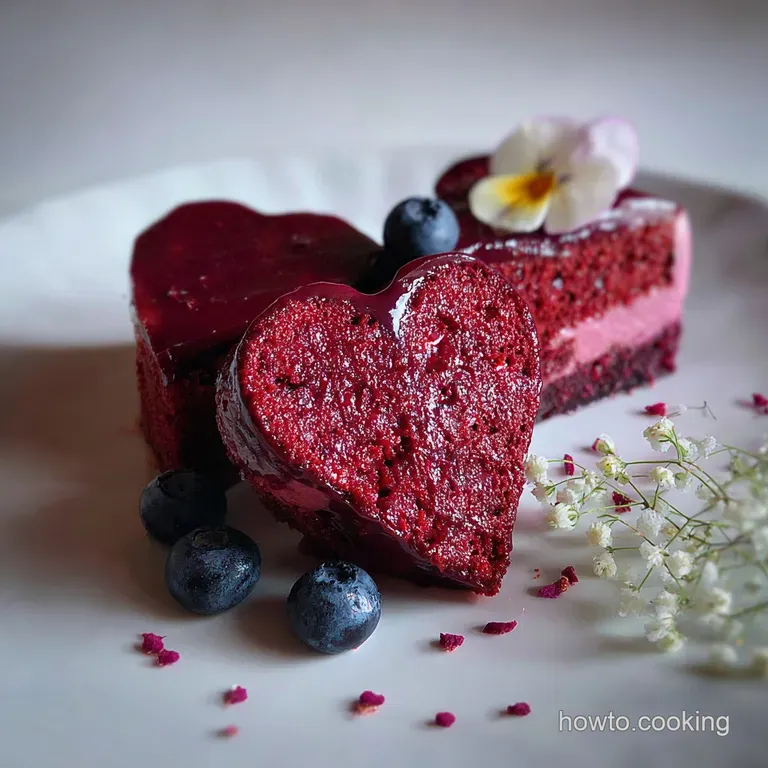
You don't need a kitchen full of gadgets to make a stunning cake. For this recipe, a simple whisk and a large bowl will do most of the heavy lifting. I've found that using a silicone spatula is better than a wooden spoon because it lets you scrape the bottom of the bowl effectively, ensuring no pockets of dry flour are left behind.
If you have a hand mixer, it makes the frosting process much faster, but you can certainly whip it by hand if you're looking for a mini arm workout. The key is to keep everything at the right temperature - room temp for the cake ingredients, and chilled for the frosting components.
| Feature | Fresh From Scratch | Shortcut/Box Mix |
|---|---|---|
| Texture | Tight, velvety, moist | Airy, often crumbly |
| Flavor | Complex, dark cocoa | Predominantly sweet/vanilla |
| Effort | Low (One bowl method) | Very low |
Fresh ingredients like buttermilk and real vanilla bean paste offer a depth that pre packaged mixes simply can't touch. If you're in the mood for something smaller but equally impressive, you should try my Valentines Day Cupcakes recipe for a similar flavor profile in a handheld format.
Detailed Mixing and Baking Steps
- Preheat oven. Set to 350°F and grease two 8 inch round pans. Note: Using parchment paper circles on the bottom ensures a clean release.
- Whisk dry ingredients. Combine 250g flour, 300g coconut sugar, 75g cocoa, baking soda, and salt. until no large lumps remain.
- Mix wet ingredients. Whisk 240ml buttermilk, 120g yogurt, 2 eggs, and 2 tsp vanilla in a separate bowl.
- Combine mixtures. Slowly pour the wet ingredients into the dry. Note: Don't overmix; just stir until the flour streaks disappear.
- Bloom the cocoa. Stir in 240ml boiling water carefully. until the batter is thin and glossy.
- Bake the sponge. Divide batter between pans and bake for 35 minutes. until a toothpick comes out with moist crumbs.
- Cool completely. Let cakes sit in pans for 10 mins, then move to a wire rack.
- Whip the frosting. Beat 225g cream cheese, 120g strained yogurt, monk fruit, and vanilla paste. until stiff peaks form.
- Assemble and garnish. Layer the frosting between cooled cakes and top with 50g fresh raspberries.
For the Midnight Sponge
The sponge gets its name from the Dutch processed cocoa, which is darker and less acidic than natural cocoa. This allows the coconut sugar to shine without being overpowered by sharp bitter notes.
For the Cloud Frosting
By using strained Greek yogurt, we cut down on the heavy fat of traditional buttercream while maintaining a silky, spreadable texture. The vanilla bean paste adds those beautiful little black flecks that make it look professional.
Pro Troubleshooting and Mistake Fixes
Why Your Cake Sank
If your cake looks like a crater in the middle, it usually means the oven door was opened too early. When you open the door, the temperature drops, and the air bubbles (CO2) that haven't set yet will collapse. It could also be that your baking soda is expired always check the date!
Handling a Crumbling Sponge
A cake that falls apart while you're trying to frost it is usually too warm. Patience is the hardest ingredient in baking. If you try to frost a cake that is even slightly lukewarm, the frosting will melt and act as a lubricant, making the layers slide and the crumbs tear away.
| Problem | Root Cause | Solution |
|---|---|---|
| Dense/Heavy Cake | Overmixing the batter | Stir just until combined; stop once flour disappears. |
| Rubbery Texture | Too much egg or flour | Always weigh your flour (250g) and use large eggs. |
| Frosting is Runny | Yogurt wasn't strained | Use a cheesecloth to remove excess whey from yogurt first. |
Common Mistakes Checklist
- ✓ Ensure eggs and buttermilk are at room temperature to prevent curdling.
- ✓ Sift the cocoa powder if it looks clumpy; those lumps won't always dissolve.
- ✓ Don't skip the salt; it's essential to balance the sweetness of the coconut sugar.
- ✓ Tap the pans on the counter before baking to release large air pockets.
- ✓ Wait at least 2 hours for the cake to be completely cold before frosting.
Tasty Seasonal Flavor Adaptations
- If you want a Coffee Kick: Add 1 tsp of espresso powder to the boiling water to deepen the chocolate notes.
- If you want more Fruit: Fold 1/2 cup of freeze dried strawberry powder into the frosting for a pink, tart contrast.
- If you want a Nutty Finish: Swap 50g of the all purpose flour for finely ground almond flour.
Can I make this gluten-free?
Yes, but you need a high-quality 1:1 gluten-free flour blend that contains xanthan gum. The texture will be slightly denser, but the moisture from the yogurt helps keep it from becoming gritty.
Can I make this Vegan?
To go vegan, swap the eggs for flax seeds (2 tbsp ground flax + 6 tbsp water) and use a soy based yogurt and vegan cream cheese. The "velvet" texture comes from the acidity, so ensure your plant based milk has a splash of apple cider vinegar to mimic buttermilk.
Safe Storage and Zero Waste
Storage: This cake keeps remarkably well in the fridge for up to 4 days because of the coconut sugar and yogurt. If you've already sliced it, press a piece of plastic wrap or parchment paper directly against the cut surface to prevent it from drying out.
You can also freeze the unfrosted layers for up to 2 months; just wrap them tightly in foil and plastic.
Zero Waste: Never throw away cake domes! If you have to level your cakes, save those scraps. You can crumble them up and mix with a spoonful of leftover frosting to make "cake truffles." Roll them into balls, dip them in melted chocolate, and you've got a second dessert for free.
Also, if your raspberries are looking a bit soft, simmer them with a teaspoon of sugar to make a quick jam to swirl into the frosting.
Elegant Plating and Serving Tips
When it comes to serving, less is often more. Since this cake is already quite rich, I love serving it with a side of unsweetened herbal tea or a sharp espresso. The bitterness of the coffee cuts through the cream cheese frosting beautifully.
For a professional look, don't just dump the raspberries on top. Slice them in half and arrange them in a concentric circle, or even a heart shape in the center. A light dusting of extra cocoa powder through a fine mesh sieve right before serving adds a "finished" look that feels like it came straight from a bakery.
Right then, let's get baking! This cake is about more than just sugar; it's about the joy of sharing something handmade. Trust your instincts, watch those doneness cues, and you'll have a stunning centerpiece for your table. Enjoy the process as much as the first bite!
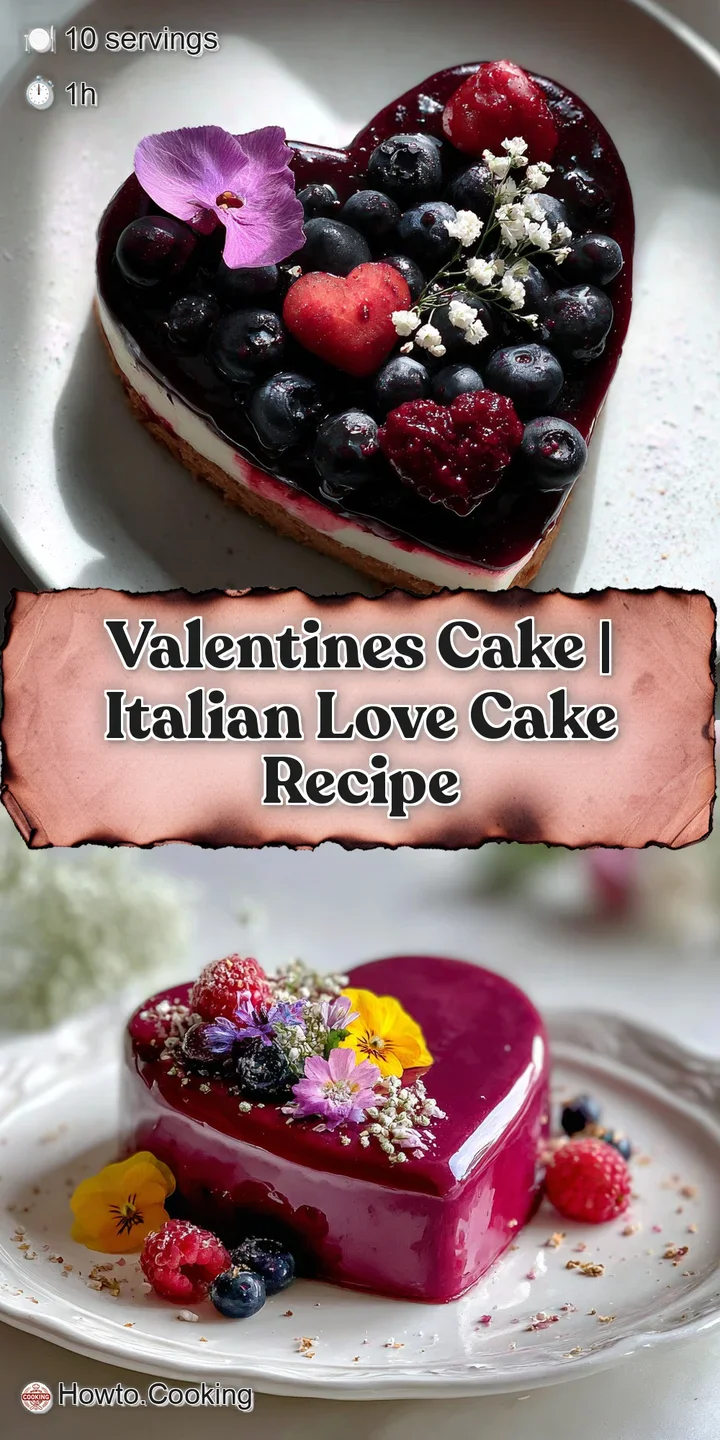
Valentine's Cake FAQs
What is the most romantic cake?
Red velvet is often considered the most romantic. Its deep red color symbolizes love and passion, and its rich, slightly tangy flavor paired with creamy frosting is a classic pairing for Valentine's Day.
What cake flavor is best for Valentine's Day?
Chocolate or red velvet are perennial favorites. These flavors are decadent, indulgent, and associated with celebration, making them perfect for a romantic occasion. You might also consider raspberry for a fruity, tart element.
Which cake is trending now?
Cheesecake variations are currently trending. Specifically, baked cheesecakes with sophisticated flavor infusions like strawberry rose, white chocolate raspberry, or even a dark chocolate cherry combination are highly popular for Valentine's Day.
What frosting is best for a Valentine's cake?
Cream cheese frosting is a top choice. Its slightly tangy, rich profile perfectly complements most cake flavors, especially chocolate and red velvet. For added romance, consider infusing it with a hint of rosewater or raspberry puree.
Can I make a Valentine's cake ahead of time?
Yes, most components can be made a day in advance. Unfrosted cake layers can be baked and stored at room temperature, wrapped tightly. Frosting can also be made ahead and refrigerated. Assemble the cake on Valentine's Day for the freshest result.
What's a simple Valentine's cake idea?
A single layer chocolate cake with a simple raspberry swirl frosting is perfect. This approach minimizes complexity while maximizing flavor and visual appeal. You can use a heart shaped pan for an extra touch of romance.
How can I make my Valentine's cake look more festive?
Use classic Valentine's colors and decorations. Think red, pink, and white frosting, edible glitter, chocolate ganache drips, fresh berries like raspberries or strawberries, or even fondant hearts. For a sophisticated look, consider a drip cake technique.
Valentines Cake
Ingredients:
Instructions:
Nutrition Facts:
| Calories | 316 kcal |
|---|---|
| Protein | 10.4 g |
| Fat | 7.2 g |
| Carbs | 55.4 g |
| Fiber | 3.8 g |
| Sugar | 31.2 g |
| Sodium | 355 mg |
