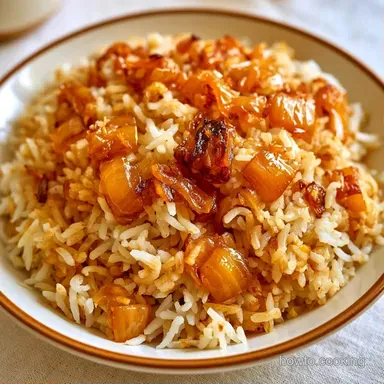
Healthy Vegetable Rice Pilaf
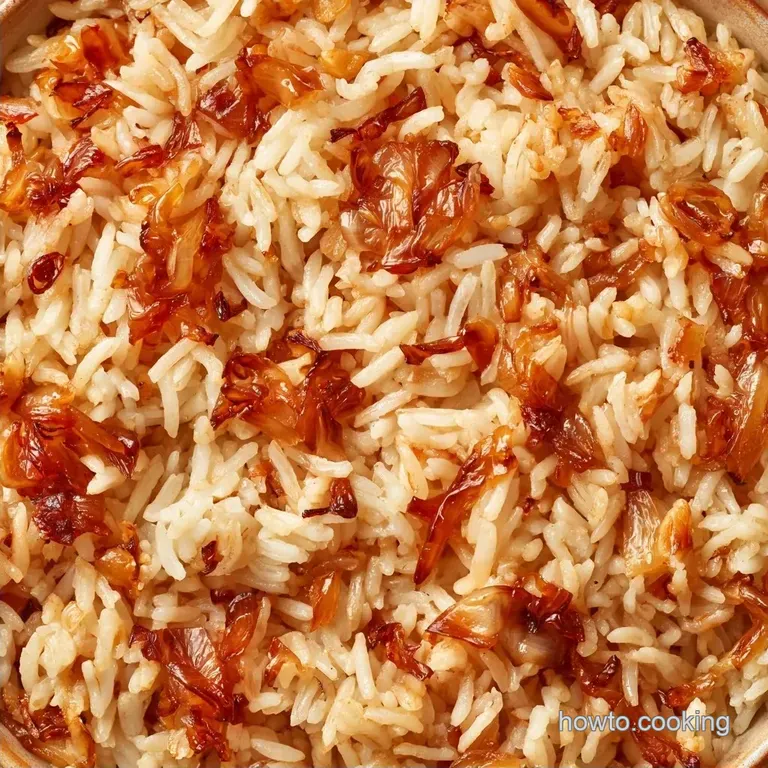
- Duration: 10 min active, 20 min cooking
- Taste Profile: Aromatic, fluffy rice paired with vibrant, crisp vegetables
- Ideal for: A nutritious weeknight side or simple meal prep
Vegetable Rice Pilaf
The smell of sautéed garlic and yellow onion hitting hot olive oil is one of those kitchen moments that just feels right. It's the start of something fragrant and comforting. But for a long time, my version of this dish was a disaster.
I'd end up with a pot of sticky, clumped rice that looked more like porridge than a pilaf. I thought it was the rice cooker's fault, or maybe I was using the wrong brand of rice.
The reality was much simpler: I was skipping the rinse. I remember serving a "block" of rice at a dinner party and trying to pretend it was a stylistic choice. It wasn't. Once I stopped treating the rinse as optional, everything changed. The grains separated, the texture lightened, and the dish finally felt balanced.
This is the only recipe you need for a perfect Vegetable Rice Pilaf in the Rice Cooker. You'll get a stunning contrast between the soft, savory grains and the bright, crisp tender snap of the peas and corn. It's a straightforward process that turns pantry staples into something that looks and tastes professional.
What Nobody Tells You
- Starch Removal: Rinsing the basmati for 60 seconds washes away surface starch. This is what keeps the grains from sticking together, giving you that separate, light texture.
- The Steam Buffer: Adding frozen vegetables at the very end uses residual heat. This prevents the peas and corn from overcooking, so they stay vibrant and pop in your mouth instead of turning grey and soft.
- Broth Infusion: Using vegetable broth instead of water means the flavor is absorbed into the heart of the grain. It's the difference between rice that tastes like "watery rice" and rice that tastes rich and savory.
Recipe Specs
- The Rinse
- Exactly 60 seconds under cold water.
- The Weight
- 300g of basmati rice for the best ratio.
- The Rest
- 5-10 minutes on the 'Warm' setting before fluffing.
Shopping List Breakdown
The secret is all in the grain selection. I prefer Basmati because its length helps the rice hold its form better than short grain or Jasmine varieties.
| Component | Purpose | Substitute Notes |
|---|---|---|
| Basmati Rice | Long grain structure | Jasmine rice: Floral notes and more adhesive |
| Vegetable Broth | Savory foundation | Water + bouillon: Effective, but lacks richness |
| Olive Oil | Sautéing/Coating | Butter: Offers a nuttier, creamier profile |
The Full List: 1.5 cups (300g) Basmati rice Why this? Grains stay distinct and fluffy 2 cups (475ml) Low sodium vegetable broth Why this? Deepens flavor without too much salt 1 tbsp (15ml) Extra virgin olive oil 0.5 cup (75g) Yellow onion,
Finely diced 3 cloves (9g) Garlic, minced 0.5 tsp (3g) Sea salt 0.25 tsp (1g) Cracked black pepper 0.5 cup (60g) Carrots, small diced 0.5 cup (80g) Frozen peas 0.5 cup (80g) Frozen corn 1 tbsp (4g) Fresh parsley, chopped
Since I enjoy utilizing leftover produce, you can use red bell pepper or diced celery instead of carrots. To add some spice, stir a bit of crushed red pepper into the oil.
Gear for the Job
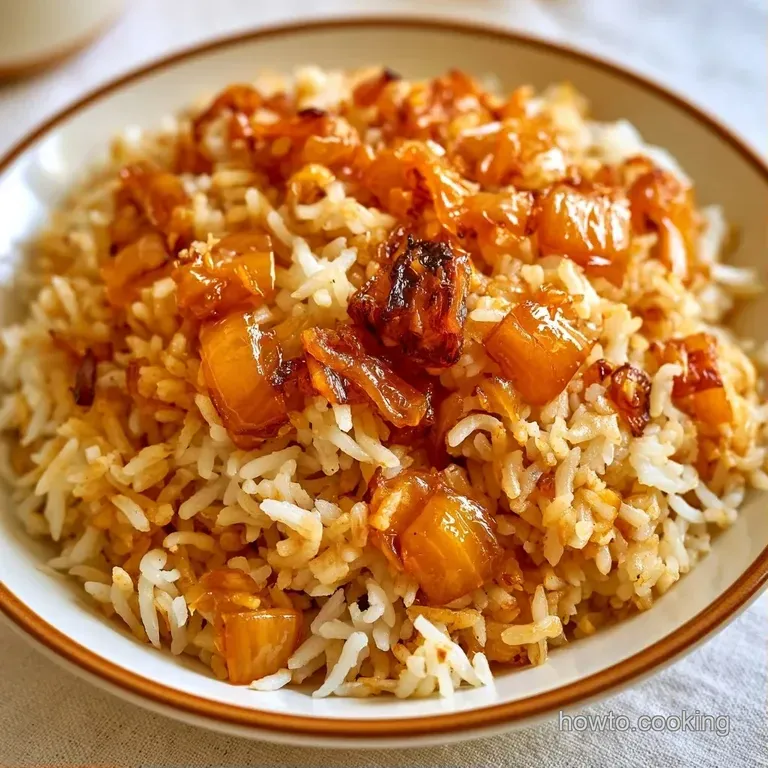
You don't need professional equipment, but a few specific tools simplify the process. A fine mesh strainer is essential for rinsing; without one, you risk losing half your rice down the drain. I typically use a standard rice cooker on the "White Rice" setting, though most basic models are equally effective.
For the final touch, avoid using metal spoons, as they can mash the grains and break the rice. A plastic rice paddle or a wide tine fork is a better choice. These allow you to lift and fold the rice without compromising the structure you spent 20 minutes creating.
The Cooking Process
Success depends on the sequence of steps. Instead of adding every ingredient at once, we build the flavor in layers.
- Rinse the basmati rice in a fine mesh strainer under cold water for 60 seconds or until the water is clear. Shake off any excess moisture. Note: This removes the starch that causes clumping
- Combine the olive oil, diced onion, and minced garlic in the rice cooker pot. Stir in the rinsed rice until the grains are well coated in oil.
- Add the vegetable broth and diced carrots to the pot, then stir in the salt and pepper.
- Close the lid and select the 'Standard' or 'White Rice' setting. Let the machine finish its full cycle.
- As soon as the timer goes off, open the lid and sprinkle the frozen corn and peas over the rice. Close the lid immediately and let the pot sit on the 'Warm' setting for 5–10 minutes. Note: The trapped steam cooks the frozen veg perfectly
- Open the lid and use a plastic rice paddle or fork to gently fold the vegetables in using a lifting motion. Garnish with fresh parsley.
The result should be a Vegetable Rice Pilaf with distinct, separate grains rather than a singular mass, with the bright green peas and vivid orange carrots popping against the white rice.
Fixing Common Problems
Even with a rice cooker, things can go sideways if the ratios are off or the rice isn't prepped right. Most issues come down to moisture control.
Fixing Mushy Grains
If your rice feels gummy or overcooked, it's usually because of too much liquid or skipping the rinse. For your next batch, try reducing the broth by about 2 tablespoons. Using a proper measuring cup instead of a random mug also helps maintain consistency.
Fixing Hard Rice
Undercooked grains usually mean the lid was opened too early, letting the steam escape. If you find hard spots, sprinkle 2 tablespoons of hot water over the surface and let it sit on "Warm" for another 5 minutes before fluffing.
| Problem | Fix |
|---|---|
| Rice is sticky/clumped | Rinse for a full 60 seconds next time |
| Vegetables are mushy | Add peas/corn ONLY after the cycle ends |
| Rice is too bland | Increase salt or use a higher quality broth |
Mix It Up
This Vegetable Rice Pilaf is incredibly versatile, making it simple to adjust the flavor profile. By keeping the base the same, you can shift the overall "vibe" with just a few small additions.
- Savory
- The sautéed onion and garlic base.
- Sweet
- The natural sweetness of carrots and corn.
- Bright
- Fresh parsley and a touch of optional lemon.
- Earthy
- The rich depth provided by the vegetable broth.
For a Mediterranean twist, stir in some crumbled feta and kalamata olives once the rice is finished. If you want a heartier meal, it pairs perfectly with a protein like my Cube Steak recipe.
- For a nuttier taste
- Toast the rice in oil for 2 minutes before stirring in the broth.
- For more punch
- Squeeze in some fresh lemon juice just before serving.
- For a firmer grain
- Use 1.9 cups of broth rather than 2.
Fresh vs. Shortcut:
| Component | Fresh Choice | Shortcut Choice | Trade off |
|---|---|---|---|
| Onion | Freshly Diced | Onion Powder | Powder lacks the sweetness and texture |
| Parsley | Fresh Leaves | Dried Parsley | Dried is more muted and less vibrant |
Storage and Reheating
Rice keeps surprisingly well, but it can dry out if not handled right. Store your leftovers in a sealed glass container in the cooler for up to 4 days. To keep it from becoming a brick, add a teaspoon of water or a tiny knob of butter before reheating.
If you're freezing it, I recommend freezing the rice in flat portions (like in a freezer bag) so it thaws evenly. It'll stay good for about 2 months. Just be aware that the frozen peas might lose a bit of their snap after thawing and reheating.
For zero waste, don't toss your onion skins or carrot ends. Toss them in a freezer bag with other veggie scraps. Once the bag is full, simmer them in water for an hour to make your own homemade vegetable broth for the next time you make this Pilaf in the Rice Cooker.
Serving and Enjoying
This dish is a versatile player. It works as a side for grilled fish or a standalone light lunch. For a full spread, I love serving it alongside a Classic Coleslaw to add a creamy, tangy contrast to the savory grains.
When plating, pile the rice high and hit it with one last sprinkle of fresh parsley. The contrast of the white rice and the vibrant vegetables makes it look stunning on the plate. Because the flavors are balanced and light, it doesn't overpower other dishes on the table.
If you find yourself making a massive batch, remember that Rice Pilaf in the Rice Cooker is great for meal prep. I often divide it into containers on Sunday and just add a different protein each night of the week. It's a healthy rice pilaf with vegetables that actually tastes as good on Wednesday as it did on Sunday.
Recipe FAQs
Which rice works best for this vegetable pilaf?
Basmati rice is the best choice because its long grains stay separate and fluffy. Other long grain varieties work, but basmati provides the signature aroma.
Can I use a different grain instead of basmati?
Stick to long grain rice to keep the pilaf texture light. This side dish pairs well with a light meal like our homemade wonton soup.
Why does my rice turn out mushy?
Too much liquid or skipping the rinsing step usually causes clumping. Ensure you use exactly 2 cups of vegetable broth and rinse the grains for a full 60 seconds.
Do I really need to rinse the rice first?
No, this is a common misconception. Rinsing removes excess surface starch, which prevents the rice from becoming gummy or sticking together.
What is the secret to avoiding clumping in the finished pilaf?
Use a plastic rice paddle or fork to gently fold the vegetables into the rice using a lifting motion. This prevents the grains from breaking or smashing.
Is it true that frozen vegetables will make the rice soggy?
Actually, no. Adding frozen peas and corn at the very end during the warming phase preserves their snap and prevents excess moisture from leaking into the rice.
How to reheat leftover pilaf without it drying out?
Add a teaspoon of water before microwaving. This creates a small amount of steam to re-hydrate the grains.
Vegetable Rice Pilaf