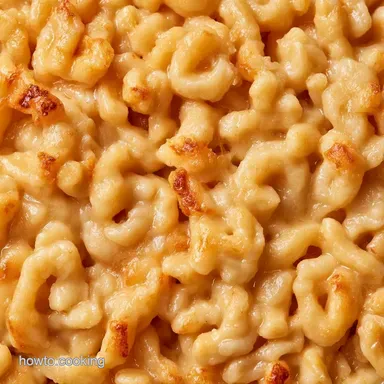
Authentic German Spaetzle: Potato Ricer Method
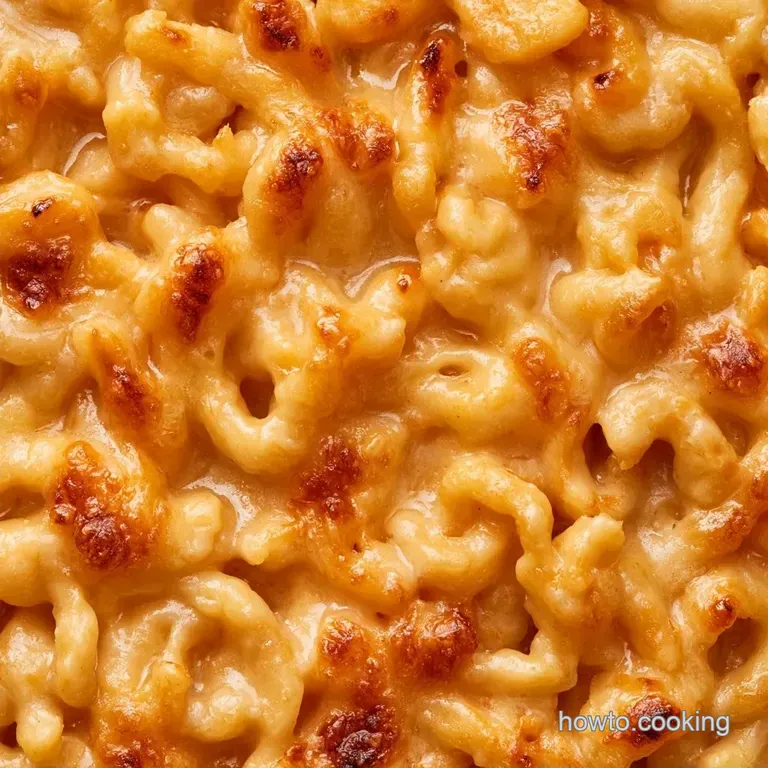
- Time: 20 minutes prep + 10 minutes of cook time
- Taste & Feel: Nutty, golden-brown edges with a soft, chewy center
- Ideal for: affordable comfort food dinners
Making Easy Homemade Spaetzle
The aroma of browned flour and the sizzle of melting butter are the hallmarks of this meal. Many insist that an authentic shape requires a traditional German press or a wooden board with a scraper. In reality, those pricey tools are unnecessary for achieving that signature chewy texture.
I once believed my noodles needed to look identical to be authentic, but the true appeal lies in their home-style appearance. By utilizing a common household utensil, you can easily avoid the hassle of dough clinging to a board.
This version emphasizes a decadent, buttery glaze. Whether served as a companion to another dish or as the star of the show, Spaetzle offers a comforting quality that store-bought dried pasta simply lacks.
Logic Behind the Texture
Ricer Uniformity: Using a tool made with potato ricer ensures the batter enters the water in consistent strands. This prevents the "raw center" problem common in hand scraped noodles.
The Ribbon Effect: Beating the batter until it's thick but pourable creates a structure that holds its shape. This keeps the Spaetzle from dissolving into a mushy pile in the pot.
If you want a more intense flavor, you can check out my brown butter version for a deeper, toasted taste.
Recipe Specs
| Feature | Freshly Made | store-bought Shortcut |
|---|---|---|
| Texture | Chewy and tender | Often rubbery or soft |
| Flavor | Rich egg and nutmeg | Bland, floury taste |
| Cost | Very low (pantry staples) | Medium (processed) |
The Ingredient Breakdown
| Ingredient | What It Does | Best Swap |
|---|---|---|
| All purpose flour | Provides the structure | Spelt flour (denser result) |
| Whole milk | Adds moisture and richness | Unsweetened almond milk |
| Large eggs | Binds the dough | 1/4 cup applesauce per egg (denser) |
| Unsalted butter | Creates the nutty sear | Ghee (higher smoke point) |
The flour is the backbone here. I prefer a standard all purpose brand because it keeps the noodles light.
For the Dough
- 2 cups (250g) all purpose flour
- 3 large eggs Why this? Provides the essential lift and binding power
- 1/2 cup whole milk Why this? Keeps the dough smooth and pourable
- 1 tsp salt
- 1/4 tsp nutmeg Why this? Adds a subtle, earthy warmth
For the Finishing Sear
- 4 tbsp unsalted butter
- 1 pinch salt
- 1 pinch black pepper
Essential Kitchen Tools
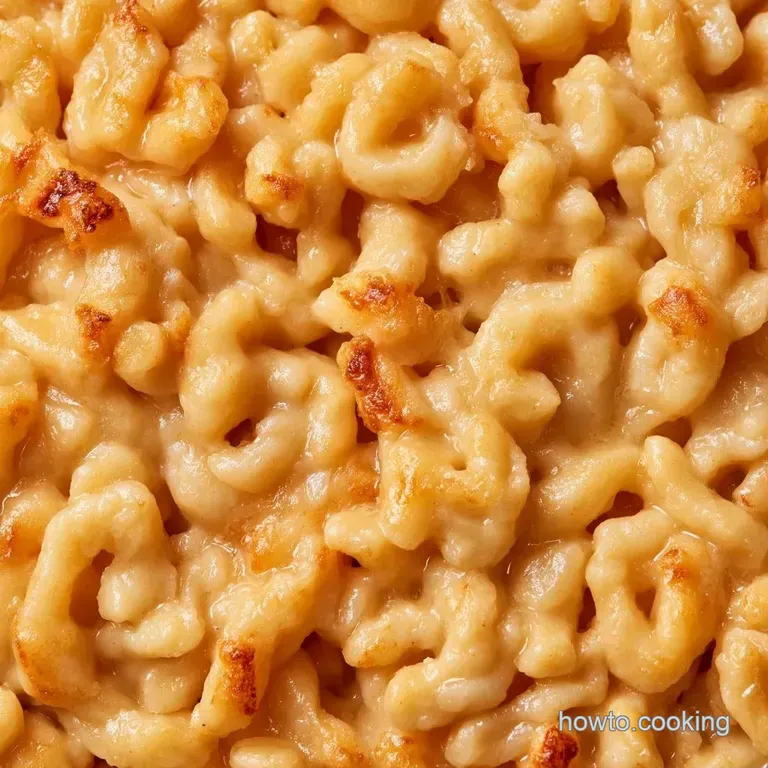
Skip the specialized noodle press; a basic potato ricer is the ideal tool here. This method makes preparing spaetzle simple and significantly reduces the amount of cleanup required.
For the final stage, I recommend a non-stick skillet. In stainless steel, the noodles often stick, preventing you from achieving those beautiful browned edges. Additionally, keep a slotted spoon handy to quickly retrieve the noodles from the water.
Step-by-step Cooking Guide
- Combine the eggs, milk, salt, and nutmeg in a large bowl. Whisk until the mixture is frothy.
- Slowly stir in the flour, beating the batter vigorously with a whisk or hand mixer.
- Mix until the batter reaches a smooth, thick consistency, falling from the whisk in a slow, heavy ribbon. Note: If the mixture is too runny, the noodles will flatten.
- Heat a large pot of salted water until it reaches a gentle boil.
- Dip the potato ricer into the hot water for 5 seconds. Note: This stops the batter from sticking to the metal.
- Fill the ricer 3/4 full and press steadily over the simmering water.
- Use a knife to gently nudge the noodles off the ricer.
- Cook for 2-3 mins until the noodles rise to the surface.
- Remove them with a slotted spoon and transfer them to a skillet with melted butter.
- Sauté for 3-5 mins until the edges turn a mahogany hue and smell like toasted nuts.
Fixing Common Issues
If your noodles are coming out in clumps, it's usually a temperature issue. The batter needs to slip off the tool effortlessly. When the ricer is cold, the dough clings to the holes, creating blobs instead of strands.
Another common problem is the texture. If the noodles feel gummy, you might have over mixed the flour, which develops too much gluten. Stop beating the moment the batter is smooth.
The Sticky Ricer
Keep a bowl of hot water next to your pot. Dip the tool every few presses to ensure a smooth release.
The Gummy Texture
Avoid over mixing. If the batter is too elastic, let it rest for 10 minutes before pressing it into the water.
The Clump Cloud
This happens when you crowd the pot. Work in batches so the water temperature doesn't drop too sharply.
| Problem | Root Cause | Solution |
|---|---|---|
| Sticky Batter | Cold equipment | Dip ricer in hot water |
| Mushy Noodles | Overcooked | Remove immediately when they float |
| Pale Color | Heat too low | Use medium high for the butter sear |
Best Serving Suggestions
These noodles are incredible on their own, but they really shine with a heavy sauce. For a classic experience, pair them with a creamy Beef Stroganoff. The chewiness of the Spaetzle holds up against the rich mushrooms and beef perfectly.
You can also serve them with a simple side of sauerkraut or a dollop of sour cream and chives. If you're feeling fancy, try a sprinkle of fresh parsley and a squeeze of lemon to cut through the butter.
- - For a firmer bite
- add an extra tablespoon of flour.
- - For a lighter texture
- replace 2 tablespoons of milk with sparkling water.
- - For a richer flavor
- use 2 egg yolks instead of one whole egg.
Storage and Waste Tips
Store any leftover Spaetzle in a container with a tiny bit of melted butter tossed in. This stops them from fusing into one giant noodle block. They stay good in the fridge for 3 days.
If you want to freeze them, do it after the boiling stage but before the butter sear. Freeze them on a baking sheet first so they don't stick, then move them to a bag. They last about 2 months in the freezer. To reheat, just toss them straight into a hot pan with a knob of butter.
To avoid waste, use any leftover batter for small pancakes. Just add a pinch of sugar and a drop of vanilla, and you've got a quick breakfast.
Creative Flavor Ideas
Feel free to customize this meal with a few simple substitutions. For a cheesy version, fold 1/2 cup of shredded Gruyère or Emmental into the batter before pressing to make the noodles rich and stretchy.
Herbs are another excellent addition. Mixing in finely chopped parsley or chives gives the Spaetzle a mild onion taste and a vibrant green appearance, making it a perfect opportunity to utilize the remaining bits of your herb bundles.
Because this is an affordable dish, feel free to experiment with pantry staples. Using a potato ricer speeds up the process, allowing you to test various combinations with minimal effort.
While traditional ricer-made spaetzle often tastes best with minimal ingredients, adding a pinch of paprika to the butter during the sear provides a subtle smoky flavor.
Now that you're all set, just ensure the ricer stays hot and the butter continues to sizzle. Trust me, once you experience homemade Spaetzle, store-bought versions simply won't compare. It's time to get started.
Recipe FAQs
Will a potato ricer work for spaetzle?
Yes, a potato ricer is an excellent substitute for a dedicated spaetzle maker.
Tip: Dip the ricer in hot water for 5 seconds to stop the batter from sticking.
Is it true that spaetzle is just another name for egg noodles?
Not true. Spaetzle is a dropped batter, whereas standard egg noodles are rolled and cut dough.
Tip: Use a hand mixer to get the batter smooth and thick before cooking.
Can I make these without a spaetzle maker?
Yes, you can use a colander with large holes or slice the batter from a wooden board.
Tip: Wet the equipment first to ensure the batter slides off easily.
What separates spaetzle from gnocchi?
Spaetzle uses a flour and egg batter, while gnocchi is typically made from cooked potato and flour.
Tip: If you like this texture, try our cheese sauce for a richer finish.
How to use a spaetzle maker?
Fill the device about 3/4 full with batter and press steadily over simmering salted water.
Tip: Nudge the noodles off the bottom with a knife or scraper as they form.
What is the difference between a spaetzle maker and a potato ricer?
A spaetzle maker is designed specifically for batter, whereas a ricer is meant for mashing cooked vegetables.
Tip: Both tools produce the characteristic small, irregular shapes of the noodle.
How do you boil German egg noodles?
Simmer the batter in salted water until the noodles float to the surface, usually after 2-3 minutes.
Tip: Use a slotted spoon to remove them immediately to prevent overcooking.
Does a potato ricer really make a difference?
It creates a more consistent shape and faster output than using a board or spoon.
Tip: Sauté the boiled noodles in butter for 3-5 minutes to get mahogany-colored edges.
Spaetzle with Potato Ricer