Traditional German Spaetzle Maker Recipe
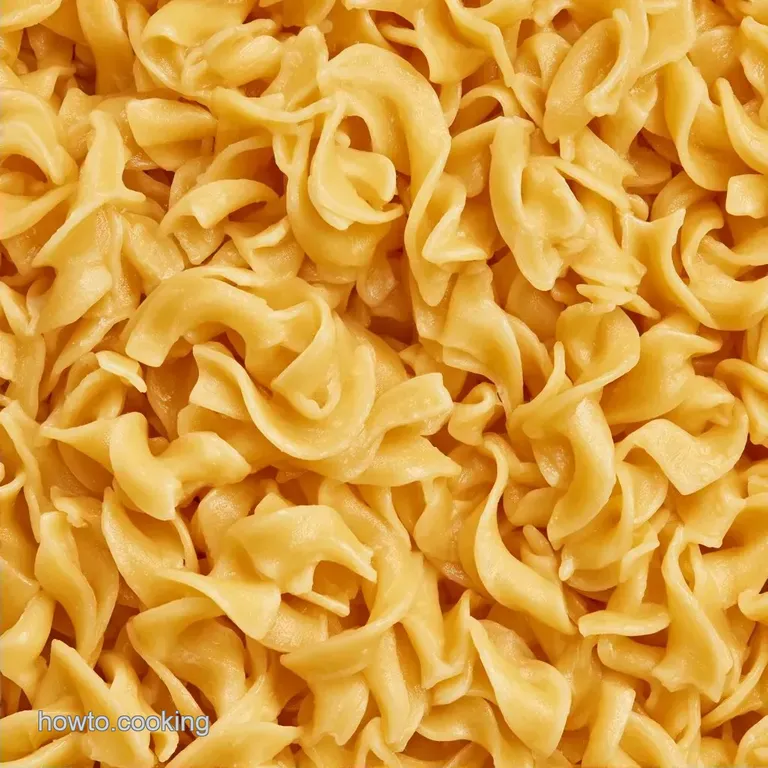
- Time: 10 min active + 20 min resting + 10 min cooking
- Flavor/Texture Hook: Nutty, browned butter finish with a tender chew
- Perfect for: Comforting side dishes or a hearty family dinner
- The Only Spaetzle Maker Recipe You Need
- Why the Batter Rests
- The Right Tools for the Job
- Gathering Your Essentials
- Recipe Specs
- Key Steps
- Pro Tips & Pitfalls
- Freezing and Reheating Guide
- Creative Twists and Swaps
- How to Serve and Enjoy
- Common Misconceptions
- Scaling the Batch
- Recipe FAQs
- 📝 Recipe Card
The Only Spaetzle Maker Recipe You Need
Hearing cold butter sizzle in a hot pan means a meal is almost ready. I spent years believing that achieving those perfectly irregular, tender noodles required a professional German setup. I assumed the unique texture was the result of some advanced technique unavailable in a standard home kitchen.
In reality, you don't need specialized training or high-end equipment. The secret is simply the batter and the temperature of your tools. This Spaetzle Maker Recipe emphasizes the fundamental steps that truly matter, specifically the resting time and the final sear.
You can expect a side that feels light yet filling. It avoids the toughness of some pastas and the heaviness of mashed potatoes, hitting a perfect middle ground that elevates every other component of your meal.
Why the Batter Rests
Gluten Relaxation: Resting the dough for 20 minutes stops the noodles from becoming rubbery.
Hydration: It gives the flour time to absorb the milk and eggs, which means the batter slides through the press without clogging.
| Method | Time | Texture | Best For |
|---|---|---|---|
| Press Maker | 40 mins | Uniform but tender | Large batches |
| Hand Scraped | 30 mins | Rough and irregular | Small portions |
| Squeeze Bottle | 35 mins | Small and round | Quick weeknights |
I've found that when I skip the rest, the noodles fight back. They spring up too much and feel tough instead of tender. Trust me, just set a timer and walk away for a few minutes.
The Right Tools for the Job
You'll need a spaetzle press, which is basically a potato ricer designed for batter. A large pot is necessary to give the noodles room to swim, and a non stick skillet handles the browning phase without the noodles sticking.
If you don't have a press, you can use a colander with large holes, but the press is what makes this Spaetzle Maker Recipe so consistent. I use a stainless steel one because it heats up quickly when held over the steam.
Gathering Your Essentials
| Component | Function | Substitution Notes |
|---|---|---|
| All-purpose flour | Structure | Spelt can be used, but results in a denser texture |
| Large eggs | Binding & richness | An extra yolk produces a more vibrant yellow hue |
| Whole milk | Moisture | Almond milk works, though it is less creamy |
| Unsalted butter | Searing & flavor | Ghee is a great swap for a higher smoke point |
Ingredients List:
- 2 cups (250g) all-purpose flourThe reason: Its protein level ensures a tender, soft chew
- 3 large (150g) eggsThe reason: Essential for proper binding and lift
- 1 cup (240ml) whole milkThe reason: Creates a rich, creamy batter base
- 1 tsp (6g) salt
- 1/4 tsp (0.5g) ground nutmegThe reason: Imparts a classic, earthy flavor
- 4 tbsp (56g) unsalted butter
- 2 tbsp (8g) fresh parsley
- Pinch of black pepper
Recipe Specs
This Spaetzle Maker Recipe is designed for a standard family meal.
- Prep time: 10 minutes
- Cook time: 10 minutes
- Total time: 40 minutes (includes 20 min rest)
- Yield: 4 servings
Key Steps
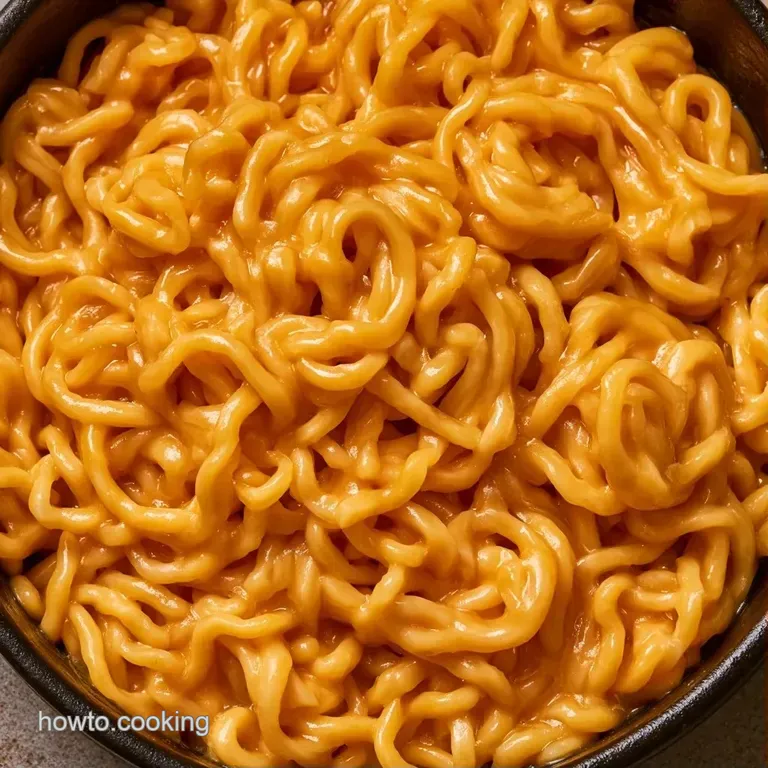
Phase 1: Crafting the Batter
- Combine the flour, salt, and nutmeg in a medium bowl, whisking until well-mixed.
- Beat the eggs and milk in a separate bowl until they are completely smooth.
- Gradually stir the liquids into the flour mixture, whisking quickly until the batter is smooth and resembles thick pancake batter.
- Let the mixture rest at room temperature for 20 minutes to allow the gluten to relax.
Phase 2: The Pressing Process
- Heat a large pot of water with a generous amount of salt until it boils vigorously.
- Warm the spaetzle press by holding it over the steam for 60 seconds. Note: This prevents the batter from sticking to the metal.
- Fill the tool with batter and press firmly into the boiling water using a circular motion to avoid clumping.
- Once the noodles float to the surface (after approximately 2-3 minutes), scoop them out with a slotted spoon.
Phase 3: The Golden Finish
- Melt butter in a large non-stick skillet and sear the noodles until golden and fragrant, finishing with black pepper and chopped parsley.
Pro Tips & Pitfalls
The main challenge of this Spaetzle Maker Recipe is getting the texture just right. If the batter is too dense, the press might clog; if it's too runny, the noodles will fall apart in the boiling water.
Batter is Too Thick
Should the mixture be difficult to press, stir in one more tablespoon of milk. It should pour in a steady stream rather than in chunks.
Gummy Noodles
This usually happens when the water isn't boiling enough. Make sure you have a rolling boil before you start pressing the batter.
Clumping in the Pot
Don't press into a single spot. Move the press in circles to ensure the noodles have enough space to separate while cooking.
| Problem | Fix |
|---|---|
| Press is jamming | Warm the metal or add 1 tbsp milk |
| Noodles are rubbery | Increase the resting time to 30 mins |
| Sticking in skillet | Use more butter or a non stick pan |
Cooking Tip: For a richer taste, brown the butter in the skillet until it smells like toasted hazelnuts before stirring in the noodles.
Freezing and Reheating Guide
If you have leftovers from your Spaetzle Maker Recipe, don't just throw them in a bowl. They can clump together if they aren't handled right.
Fridge Storage: Keep them in a sealed container for up to 3 days. Toss them with a tiny bit of oil before storing to prevent sticking.
Freezer Storage: Flash freeze the seared noodles on a baking sheet first. Once they are hard, move them to a freezer bag. They stay good for 2 months.
Reheating: Avoid the microwave. Toss them back into a skillet with a knob of butter over medium heat for 3-5 minutes. This brings back the crispy edges.
Creative Twists and Swaps
You can easily modify this Spaetzle Maker Recipe to match your taste.
- Cheesy Feast: Stir shredded Emmental or Gruyère and a splash of cream into the boiled noodles.
- Earthy Profile: Mix a tablespoon of finely chopped spinach or chives into the batter.
- gluten-free: Use a premium 1:1 gluten-free flour blend, though you may need one additional egg to ensure proper binding.
For a complete meal, serve these with a mushroom sauce to lean into those savory, woodland flavors.
How to Serve and Enjoy
The best way to enjoy this Spaetzle Maker Recipe is immediately after the sear. The contrast between the soft interior and the crisp exterior is what makes it work.
The Comfort Bowl
Serve these in a shallow bowl topped with a dollop of sour cream and extra parsley. It's a simple way to highlight the nutmeg and butter.
The Traditional Pairing
In Germany, these often accompany a rich goulash or a roast pork dish. The noodles act like a sponge, soaking up all the gravy.
Decision Shortcut
- Extra richness? → add 1 tbsp melted butter to the batter
- More bite? → reduce milk by 2 tbsp
- Herby finish? → use a mix of parsley and thyme
If you're looking for something sweet to follow this salty meal, a slice of homemade peach pie is a great way to round out the evening.
Common Misconceptions
Some people think you need to knead the dough like bread. That's actually a mistake. Kneading develops too much gluten, which makes the noodles tough. You only want to whisk until smooth.
Another myth is that the water should be just simmering. Actually, a rolling boil is what "shocks" the batter, causing it to set instantly so the noodles keep their shape.
Scaling the Batch
If you double this Spaetzle Maker Recipe, avoid simply doubling the salt. Instead, use about 1.5x the salt and nutmeg to maintain a balanced flavor.
For smaller batches, whisk one egg in a cup and add half of it. Choose a smaller pot to prevent the water temperature from dropping too sharply when you stir in the batter. If you are baking something else at the same time, keep in mind that larger quantities of noodles may take longer to sear, so divide them into two batches to avoid overcrowding the skillet.
Trying this Spaetzle Maker Recipe for the first time is much like learning to ride a bike. Your first few noodles might look a bit off, but you'll find your groove by the time the pot is half full. Just ensure the water stays boiling and the butter continues to bubble.
Recipe FAQs
How to use a spaetzle maker?
Warm the metal over steam for 60 seconds before filling with batter. Press the batter firmly and steadily into boiling water using a circular motion to avoid clumping.
Is it true that spaetzle is just another name for egg noodles?
No, and here's why. While both use eggs and flour, spaetzle has a softer, pillow-like texture because the batter is dropped directly into boiling water instead of being rolled and cut.
Can I make these without a spaetzle maker?
Yes, you can scrape dough from a wooden board directly into the pot. This traditional method creates a rougher, more irregular noodle shape.
What separates spaetzle from gnocchi?
The primary difference is the base. Gnocchi typically relies on potatoes, whereas spaetzle is a flour and egg batter. If you enjoyed balancing the hydration here, you can apply the same principle to our pillowy pizza dough.
Spaetzle Maker Recipe for 4 Servings