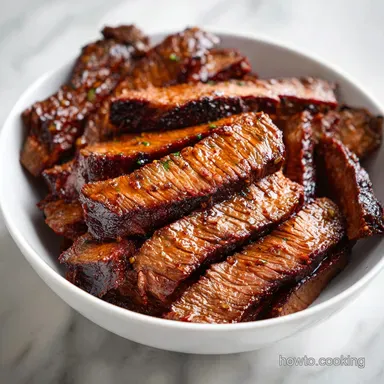
Carne Asada: Tender and Smoky
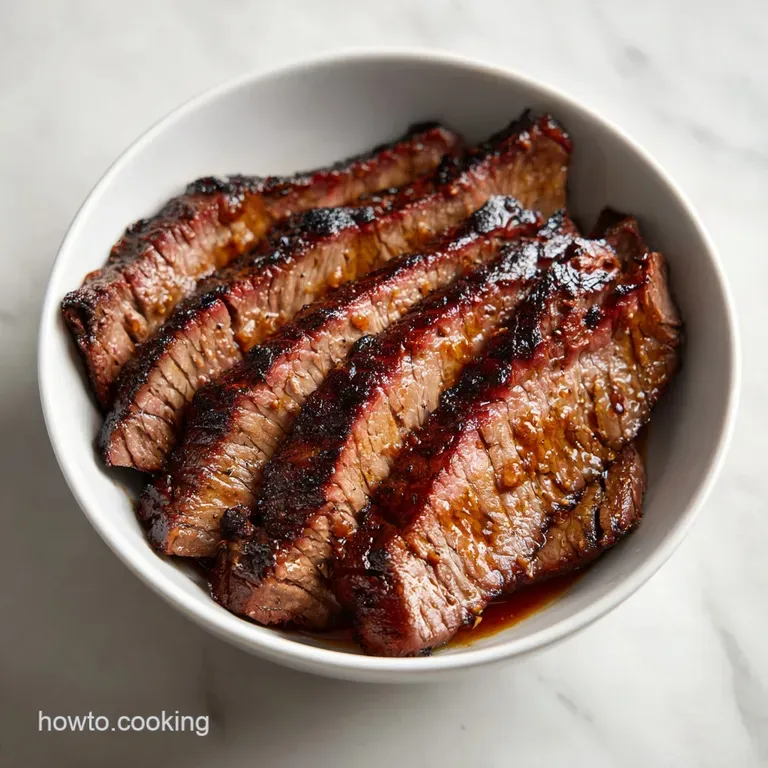
- Time:15 minutes active + 4 hours 20 mins chilling = Total 4 hours 37 mins
- Flavor/Texture Hook: Sizzling, charred crust with a velvety, tender center
- Perfect for: Family taco nights, summer BBQs, or impressive weekend meal prep
- The Best Carne Asada for Your Grill
- Why These Flavors Actually Work
- Analyzing the Core Components
- Selecting Your Meat and Swaps
- The Step by Step Process
- Fixing Common Grilling Mistakes
- Adjusting Portions for Crowds
- Meat Truths and Misconceptions
- Storage and Waste Tips
- Taco Night Pairing Ideas
- High in Sodium
- Recipe FAQs
- 📝 Recipe Card
The Best Carne Asada for Your Grill
That smell is what gets me every time. You know the one- that heavy, intoxicating mix of charred beef, zingy lime, and a whisper of smoke that drifts across the neighborhood and makes everyone wonder what's on your grill. I remember the first time I tried to make this for a group of friends.
I was so eager to get the meat on the fire that I skipped the drying step and threw the steak on the grill while it was still dripping with marinade.
Instead of a crust, I got a steam fest. The meat looked gray, the texture was rubbery, and it lacked that signature "bark" that makes this dish legendary. It was a humbling moment, but it taught me that the difference between a mediocre steak and the best carne asada comes down to temperature and moisture control.
Once I learned to pat that meat bone dry before it hits the heat, everything changed.
You can expect a dish that balances the acidity of orange and lime with the earthy warmth of cumin and paprika. This isn't about complex techniques, but about respecting the process. We're going for a over high heat sear that locks in the juices while creating a crust that practically shatters when you bite into it.
Why These Flavors Actually Work
I've always wondered why some marinades just taste like "vinegar on meat" while others feel integrated. For this recipe, it's all about how a few key ingredients interact with the muscle fibers.
- Acidic Tenderizing: The citrus juices break down the tough connective tissues in skirt or flank steak, making it tender without needing a pressure cooker.
- Sugar Caramelization: Honey and orange juice provide natural sugars that brown quickly at high heat, giving you those dark, flavorful charred bits.
- Heat Stability: Avocado oil has a higher smoke point than olive oil, meaning it won't burn or turn bitter when your grill is screaming hot.
- Salt Penetration: Kosher salt draws the marinade deeper into the meat, ensuring the center is just as seasoned as the outside.
| Approach | Marinating Time | Flavor Depth | Crust Quality |
|---|---|---|---|
| Fast Track | 4 hours | Fresh and zesty | Light char |
| Classic | 24 hours | Deep and integrated | Heavy, dark crust |
Right then, if you're in a rush, the 4 hour mark is your baseline. But if you've got the patience, the 24 hour soak is where the magic really happens. To make this version, we started with a recipe from Tyler Florence and switched it up to make it our own, focusing on a more citrus forward profile.
Analyzing the Core Components
Before we get into the actual prep, it's helpful to know what each ingredient is actually doing in the bowl. It's not just about taste, it's about the mechanics of the meat.
| Ingredient | Science Role | Pro Secret |
|---|---|---|
| Citrus Juices | Protein Breakdown | Don't exceed 24 hours or the meat turns mushy |
| Avocado Oil | Heat Conduit | Ensures the meat doesn't stick to the grate |
| Honey | Maillard Catalyst | Tiny amount prevents the citrus from tasting too sharp |
| Kosher Salt | Moisture Draw | Coarser grains dissolve slower for a steadier brine |
Trust me on this, don't swap the avocado oil for extra virgin olive oil if you're using a cast iron skillet. The olive oil will smoke and leave a bitter aftertaste that ruins the brightness of the lime.
Selecting Your Meat and Swaps
For a homemade Carne Asada, the cut of meat is everything. I usually go with skirt steak because it has a loose grain that soaks up marinade like a sponge. Flank steak is a great alternative if you want something leaner and more uniform.
Honestly, don't even bother with low-fat substitutes here, as the fat is what carries the smoke and flavor.
- 2 lbs skirt steak or flank steak Why this? Loose grain absorbs marinade and sears quickly
- 1/2 cup orange juice → Substitute: Pineapple juice (adds more sweetness)
- 1/4 cup lime juice → Substitute: Lemon juice (slightly more acidic)
- 1/4 cup avocado oil → Substitute: Grapeseed oil (high smoke point)
- 4 cloves garlic, minced → Substitute: 1 tsp garlic powder (less punchy)
- 1 tsp cumin → Substitute: Coriander (more floral, less earthy)
- 1 tsp dried oregano → Substitute: Dried basil (sweeter, less traditional)
- 1 tsp smoked paprika → Substitute: Regular paprika (less smoky)
- 1 tbsp kosher salt → Substitute: Sea salt (use slightly less)
- 1 tsp black pepper → Substitute: White pepper (milder)
- 1/2 cup cilantro, chopped → Substitute: Parsley (similar look, milder taste)
- 1 tsp honey → Substitute: Maple syrup (slightly different sweetness)
The step by step Process
Let's crack on with the actual cooking. The flow here is simple: infuse, sear, and rest. If you rush the rest, you're just pouring flavor down the drain.
- Whisk the orange juice, lime juice, avocado oil, minced garlic, cumin, dried oregano, smoked paprika, salt, black pepper, chopped cilantro, and honey in a bowl. Note: Whisking ensures the honey fully dissolves.
- Place the steak in a large Ziploc bag or glass bowl and pour the marinade over it, massaging the flavors into the meat.
- Refrigerate the steak in the marinade for at least 4 hours, though up to 24 hours is recommended for deeper flavor.
- Preheat a heavy duty grill or cast iron skillet to approximately 450°F (230°C). Note: The pan must be shimmering hot before the meat touches it.
- Remove the steak from the marinade and pat dry thoroughly with paper towels to ensure a proper sear.
- Sear the steak for 3–5 minutes per side until a deep charred crust forms and the internal temperature reaches 130-135°F (54-57°C) for medium rare.
- Transfer the meat to a cutting board and let it rest for 10 minutes to allow juices to redistribute.
- Slice the steak thinly perpendicular to the muscle fibers (against the grain).
Chef's Note: To get that restaurant style char, don't move the meat for the first 3 minutes. Let it develop a crust. If you keep flipping it, you'll lose the heat and end up with gray meat.
Fixing Common Grilling Mistakes
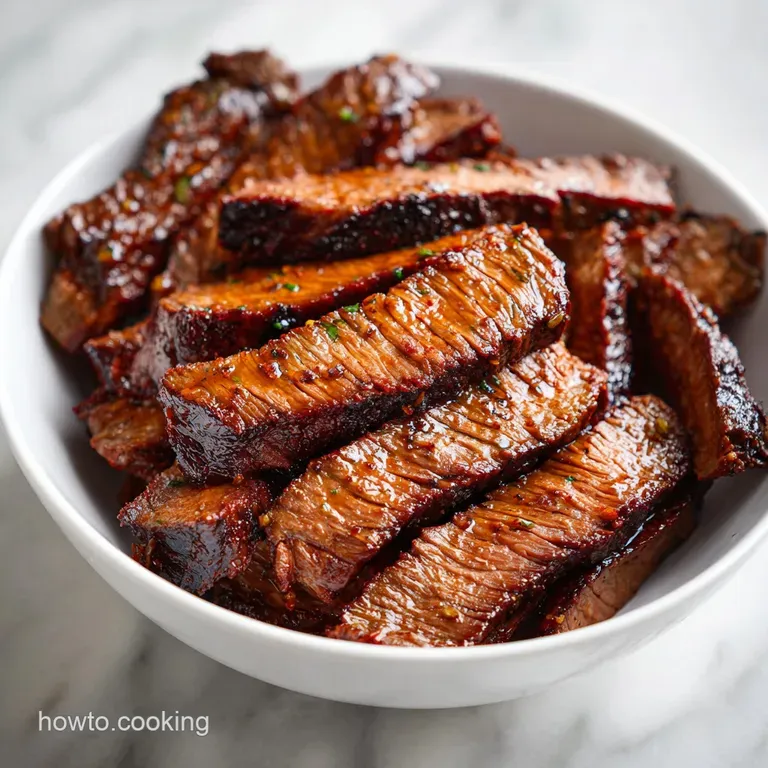
Even if you've made Carne Asada a dozen times, things can go sideways. Usually, it's a temperature issue or a cutting error.
The Meat is Rubbery
This usually happens when the steak is overcooked or sliced with the grain. If you slice parallel to those long muscle fibers, your teeth have to do all the work, resulting in a chewy, rubbery texture. Always look for the "lines" in the meat and cut across them.
Lack of Char
If your meat is browning but not charring, your heat is too low. You need that 450°F (230°C) intensity. Another culprit is excess moisture. If you don't pat the steak dry, the energy of the grill goes into evaporating the water instead of searing the beef.
The Texture is Mushy
This is a classic "over marinating" problem. If you leave the steak in the citrus marinade for more than 48 hours, the acid begins to "cook" the meat (like ceviche), breaking down the protein too much.
| Problem | Root Cause | Solution |
|---|---|---|
| Gray Meat | Pan not hot enough | Preheat to 450°F (230°C) |
| Tough Bites | Sliced with the grain | Cut perpendicular to fibers |
| Burnt Exterior | Too much honey/sugar | Reduce heat slightly or shorten sear |
Common Mistakes Checklist
- ✓ Did you pat the meat completely dry?
- ✓ Is the grill temperature at least 450°F?
- ✓ Did you let the meat rest for a full 10 minutes?
- ✓ Are you slicing against the grain?
- ✓ Did you avoid over marinating past 24 hours?
Adjusting Portions for Crowds
Scaling this recipe is pretty straightforward, but you can't just multiply everything linearly, especially the salt and spices.
Scaling Down (½ Batch) If you're just cooking for two, use a smaller skillet. Reduce the sear time by about 20% because thinner cuts of meat (if you're using a smaller piece of flank) cook faster. I recommend beating one egg if a recipe calls for a fraction of one, then using half.
Scaling Up (2x-4x Batch) When doubling or tripling the Carne Asada, increase the salt and spices to only 1.5x the original amount. Spices can become overpowering in large volumes. Most importantly, work in batches.
If you crowd the pan or grill, the temperature will drop, and you'll end up steaming the meat instead of searing it.
| If you want... | Do this... |
|---|---|
| Maximum Tenderness | Use skirt steak and marinate 24 hours |
| Leaner Protein | Use flank steak and marinate 8 hours |
| Fast Weeknight Meal | Marinate 4 hours and use a cast iron skillet |
Meat Truths and Misconceptions
There's a lot of noise online about how to handle beef. Let's clear a few things up.
The "Seal the Juices" Myth You'll often hear that searing the meat "seals in" the juices. This is a lie. Searing actually causes the meat to lose more moisture. However, we do it anyway because the flavor created by the char is worth the trade off.
The Room Temp Myth Some people insist on letting the meat reach room temperature before grilling. For a thin cut like skirt steak, this doesn't really matter. The high heat of the grill penetrates the meat so quickly that the starting internal temperature has a negligible effect on the final result.
Storage and Waste Tips
If you have leftover Carne Asada, don't just throw it in a container. Let it cool slightly first so you don't trap too much steam, which can make the meat soggy.
Storage Guidelines Store leftovers in an airtight container in the fridge for up to 3 days. For the freezer, wrap the cooked meat tightly in foil and then a freezer bag; it'll stay good for 2 months.
When reheating, use a skillet over medium heat with a splash of water or beef broth to keep it from drying out.
Zero Waste Approach Don't toss the leftover marinade if it hasn't touched the raw meat (I always keep a separate portion for dipping). You can simmer it in a pan for 5 minutes to reduce it into a thick glaze.
If you used the marinade on the meat, you can boil it for 5 minutes to make a safe, concentrated sauce for rice or beans.
Taco Night Pairing Ideas
This dish is the star of the show, but it needs a supporting cast. To keep things authentic, I always serve it with warm corn tortillas and a heap of fresh onion and cilantro.
For a side that cuts through the richness of the beef, try a smoky charred corn salad. The sweetness of the corn and the acidity of the lime in the salad mirror the flavors in the meat. If you're looking for something heartier, authentic charro beans are the gold standard. The creamy, salty beans provide a perfect contrast to the charred, smoky beef.
You can also turn this into a full Carne Asada Street Tacos Recipe by adding diced avocado and a squeeze of fresh lime. If you're feeling fancy, a zesty chimichurri or a chunky pico de gallo will add a bright, herbaceous note that lifts the whole meal.
Right then, that's how you nail the best carne asada. It's all about the prep, the heat, and that final slice against the grain. Get your grill hot, be patient with the rest, and enjoy the sizzle. Trust me, your friends will be asking for this recipe by the end of the night.
High in Sodium
840 mg 840 mg of sodium per serving (37% 37% of daily value)
The American Heart Association recommends that most adults limit their sodium intake to 2,300 mg per day, with an ideal limit of 1,500 mg for most adults, especially those with hypertension.
Tips to Reduce Sodium
-
Reduce Kosher Salt-30%
The kosher salt is the primary sodium source; reduce the amount from 1 tablespoon to 1 teaspoon to significantly lower sodium levels.
-
Swap for Salt Alternatives-20%
Replace a portion of the salt with a potassium based salt substitute or a salt free seasoning blend.
-
Increase Citrus Acidity-15%
Add an extra tablespoon of lime juice to enhance the tanginess, which helps trick the palate into needing less salt.
-
Boost Fresh Aromatics-10%
Increase the amount of minced garlic to add more pungent, savory depth to the marinade without adding sodium.
-
Amplify Bold Spices
Double the amount of smoked paprika, cumin, and dried oregano to create a more robust flavor profile.
Recipe FAQs
Which cut of meat is best for carne asada?
Use skirt steak or flank steak. These cuts have the bold flavor and texture necessary to withstand the acidic marinade and high heat searing.
How long should I marinate the steak?
Marinate for at least 4 hours. For the deepest flavor penetration, refrigerate the meat in the marinade for up to 24 hours.
How to get a perfect charred crust on the steak?
Pat the meat dry thoroughly with paper towels. Removing surface moisture ensures the steak sears immediately upon hitting the 450°F (230°C) surface instead of steaming.
How to slice carne asada to ensure it isn't chewy?
Slice the steak thinly perpendicular to the muscle fibers. Cutting against the grain breaks up the tough connective tissues for a more tender bite.
Is it true that I should sear the steak while it is still wet from the marinade?
No, this is a common misconception. Excess liquid on the meat prevents the Maillard reaction, which is required to develop a deep charred crust.
How long does cooked carne asada last in the fridge?
Store it for up to 3 days. Keep leftovers in an airtight container and reheat in a skillet with a splash of water to prevent the meat from drying out.
What are the best sides to serve with carne asada?
Fresh tortillas, salsa, and rice are classic pairings. If you want a creamy addition to balance the acidity of the steak, serve it with a smoked queso dip.
Authentic Grilled Carne Asada