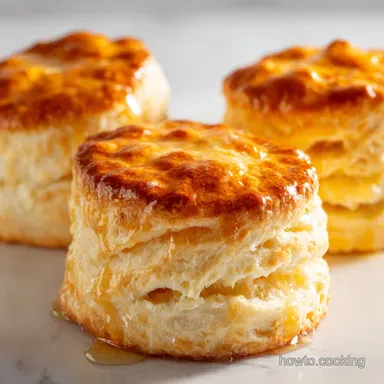
Buttermilk Biscuit Recipe: Flaky and Southern
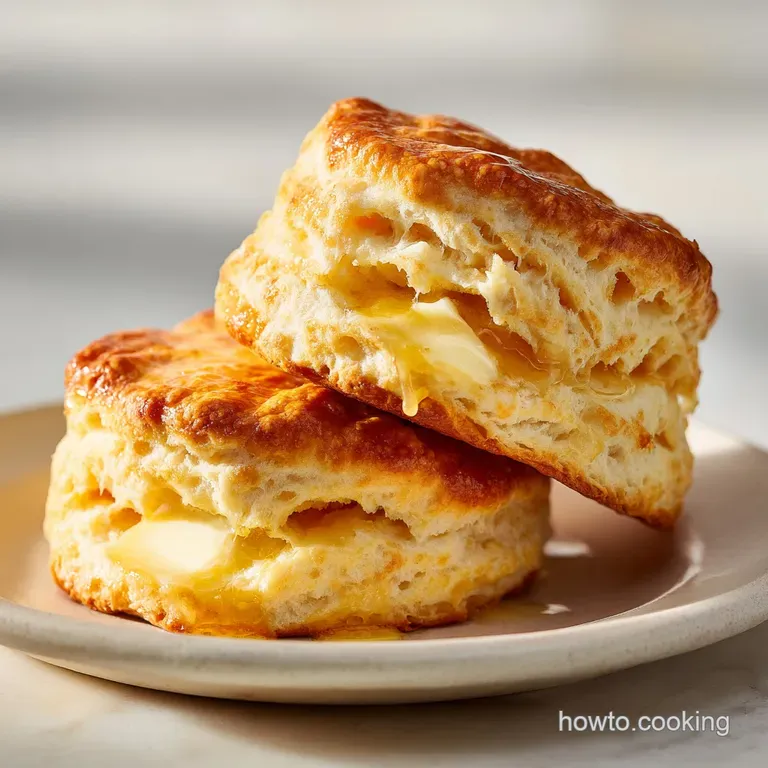
- Time:20 minutes prep + 15 minutes cook = Total 35 minutes
- Flavor/Texture Hook: Shatteringly flaky exterior with a velvety, tangy center
- Perfect for: Lazy Sunday brunches or a cozy side for dinner
- A Flaky Buttermilk Biscuit Recipe
- Why Cold Butter Matters
- Component Analysis
- Pantry Staples and Swaps
- Essential Kitchen Gear
- The Step-by-Step Process
- Fixing Common Biscuit Blunders
- Troubleshooting Common Issues
- Adjusting the Batch Size
- Common Baking Misconceptions
- Storage and Zero Waste
- Ways to Serve Your Biscuits
- Recipe FAQs
- 📝 Recipe Card
A Flaky Buttermilk Biscuit Recipe
I remember the first time I tried to make biscuits for a family brunch. I thought the secret was "mixing it well," so I stirred that dough until it was completely smooth. The result? Ten sad, heavy hockey pucks that could have doubled as doorstops.
I actually felt a bit heartbroken when I tried to pull one apart and it just... didn't. There were no layers, just a dense, rubbery mass that tasted like disappointment.
But here's the thing: the mistake wasn't the ingredients, it was the effort. I was working too hard. I learned the hard way that when it comes to a buttermilk biscuit recipe, your goal is actually to leave the dough looking a bit messy. The "clumps" are where the magic happens.
This recipe is the targeted fix for anyone who has struggled with flat or tough biscuits. We're focusing on temperature and tenderness. I'll show you how to get those towering, mahogany colored tops and a center that practically melts on your tongue, all while using basic pantry staples that won't break the bank.
Why Cold Butter Matters
Steam Pockets: Tiny bits of cold butter melt during baking, creating steam that pushes the dough up. This is what creates the flaky layers.
Gluten Control: Using cold ingredients prevents the flour from over hydrating. This keeps the biscuits tender instead of chewy.
Acidic Lift: The buttermilk reacts with the baking powder to create an immediate rise. This ensures the biscuits aren't dense.
| Method | Time | Texture | Best For |
|---|---|---|---|
| Classic Fold | 35 min | High rise, flaky | Special breakfasts |
| Quick Stir | 25 min | Denser, softer | Weeknight sides |
| Drop Style | 30 min | Craggy, rustic | Chili or stews |
Component Analysis
| Ingredient | Science Role | Pro Secret |
|---|---|---|
| All Purpose Flour | Structure | Chill the measuring cup to keep flour cool |
| Unsalted Butter | Leavening/Flavor | Freeze for 10 mins before cubing |
| Buttermilk | Tenderizer | Use full fat for a more velvety crumb |
Pantry Staples and Swaps
For the dough: - 2 1/2 cups (310g) all purpose flour Why this? Balanced protein for strength and tenderness (Substitute: White Lily flour for an even softer, southern style result) - 1 tbsp (12g) baking powder Why this? Primary lift for that towering height (Substitute: 1/2 tsp baking soda + 1 tsp cream of tartar) - 1 tsp (6g) salt Why this? Cuts through the richness of the butter (Substitute: Kosher salt) - 1/2 cup (115g) unsalted butter, ice cold and cubed Why this? Creates the steam layers (Substitute: Vegan butter sticks, kept frozen) - 1 cup (240ml) cold full fat buttermilk Why this? Adds tang and breaks down gluten (Substitute: Use my homemade buttermilk guide if you're out)
For the finish: - 2 tbsp (30g) melted butter Why this? Adds a golden sheen and rich aroma (Substitute: Honey butter for a sweet twist)
Right then, let's talk about the flour. According to King Arthur Baking, the protein content in your flour can change how much liquid you need. If your dough feels too sticky to handle, just add a pinch more flour, but don't go overboard or you'll end up back with those hockey pucks I mentioned.
Essential Kitchen Gear
You don't need a professional bakery to make this buttermilk biscuit recipe work. A large mixing bowl is your home base. I prefer a glass or metal bowl because they hold the cold better than plastic.
A pastry cutter is great, but a heavy duty fork works just as well for cutting the butter. For the cutting phase, use a sharp circular cutter. If you don't have one, a wide mouth drinking glass works, but make sure the edge is thin and sharp.
Finally, a cast iron skillet (like a Lodge) is a fantastic choice for baking. It holds heat evenly and helps the sides of the biscuits brown. If not, a standard baking sheet with parchment paper is perfectly fine.
The step-by-step Process
- Whisk together the all purpose flour, baking powder, and salt. Note: Whisking breaks up lumps for a consistent rise.
- Use a pastry cutter or heavy duty fork to work the cold, cubed butter into the flour. Stop until it resembles coarse crumbs with some pea sized chunks of butter remaining.
- Create a well in the center and pour in the cold buttermilk. Stir gently with a fork until the dough begins to clump together and the flour is moistened.
- Turn the dough onto a floured surface. Gently pat it into a rectangle, fold it in half, rotate, and repeat the process 3-5 times. Note: This creates the lamination layers.
- Pat the dough to a 1 inch thickness. Using a sharp cutter, press straight down without twisting to cut the biscuits.
- Place biscuits touching each other on a parchment lined baking sheet or in a cast iron skillet. Note: Touching helps them "climb" each other for more height.
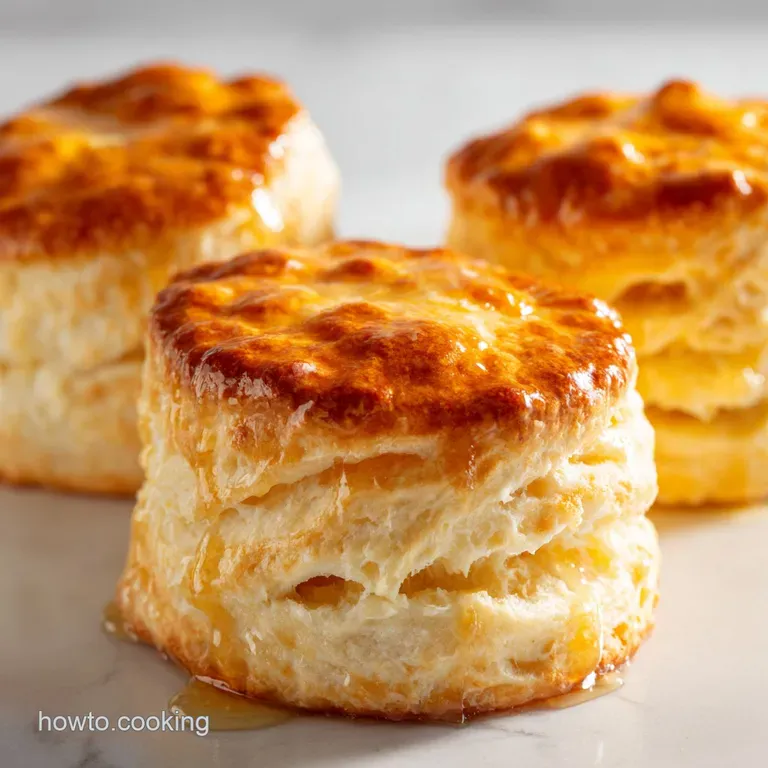
- Bake at 425°F (218°C) for 12-15 minutes until tops are mahogany colored.
- Remove from oven and brush the tops with melted butter while they are still sizzling.
Trust me on the "no twisting" rule with the cutter. When you twist, you seal the edges of the dough, which essentially locks the biscuit in place and prevents it from rising. Press straight down, lift straight up.
Fixing Common Biscuit Blunders
Troubleshooting Common Issues
| Issue | Solution | |||
|---|---|---|---|---|
| Why Your Biscuits Stay Flat | Usually, this happens because the butter melted before the biscuits hit the oven. If the butter is too soft, it blends into the flour instead of staying in little pockets. When the heat hits, there's | |||
| Why Your Biscuits Are Tough | Overworking the dough is the main culprit here. When you stir too much, you develop too much gluten. It's the same thing that makes bread chewy, but for a buttermilk biscuit recipe, we want the opposi | |||
| Why Your Biscuits Burn | Your oven might be running hot, or you're using a dark baking sheet that absorbs too much heat. Try moving the rack up one level or rotating the pan halfway through. | Problem | Root Cause | Solution |
Adjusting the Batch Size
If you're just cooking for one, you can halve this recipe. Use a smaller 6 inch skillet or a small baking sheet. Reduce the bake time by about 20%, but keep a close eye on the color. You'll need to beat one egg and use half if you're adding an egg wash, though this recipe doesn't require one.
For a big crowd, doubling the batch is easy. I recommend working in two separate bowls if you don't have a massive mixer. When doubling, don't double the salt or baking powder exactly, use about 1.5x the amount to keep the flavor balanced.
If you're baking two pans at once, lower the oven temp by 25°F and extend the time by 3-5 minutes to account for the extra moisture in the oven.
Common Baking Misconceptions
You might hear that you need self rising flour for the "authentic" taste. While self rising flour is convenient, using all purpose flour with baking powder gives you more control over the lift and saltiness. It's a budget-friendly way to get the same results without buying a specialty bag.
Another myth is that you should knead biscuit dough like bread. Absolutely not. Kneading creates a dense, chewy structure. We want a loose, layered structure. The folding (lamination) we do is just enough to create layers without toughening the crumb.
Storage and Zero Waste
Store any leftover biscuits in an airtight container at room temperature for 2 days, or in the fridge for up to 5 days. To bring them back to life, don't use a microwave, it makes them rubbery. Instead, wrap them in foil and pop them in a 350°F oven for 5 minutes.
To avoid waste, don't throw away the leftover scraps of dough. While you can't re roll them too many times (they'll get tough), you can gather the scraps, flatten them into a small disc, and bake them as "rustic" biscuits. They won't be as tall, but they'll be just as tasty. If you have leftover buttermilk, it's a fantastic marinade for chicken or a base for fluffy pancakes.
Ways to Serve Your Biscuits
These are obviously brilliant with a slab of salted butter and some honey. But if you want something more hearty, try splitting them open and adding a fried egg and a slice of sharp cheddar.
For a savory twist, you can fold some shredded cheddar and chopped chives directly into the dough during the buttermilk stage. If you're feeling fancy, try a homemade butter. If you've got some heavy cream, you can follow a simple butter recipe to make a compound butter with garlic and herbs.
Whether you're using this buttermilk biscuit recipe for a holiday spread or just a rainy Tuesday, the key is patience and cold butter. Once you stop fighting the dough and start letting the ingredients do the work, you'll never go back to the store-bought cans. Right then, let's get baking!
Recipe FAQs
What is the secret to good biscuits?
Keep the butter ice-cold. Cold fat creates steam pockets during baking, which results in a flaky texture and a high rise.
Is heavy cream or milk better for biscuits?
Neither; buttermilk is the superior choice. Its acidity reacts with baking powder for better lift, similar to the moisture balance used in our homemade cornbread.
What are common biscuit making mistakes?
Overworking the dough and using warm butter. Stirring too much develops gluten and makes biscuits tough, while warm butter blends into the flour and prevents the rise.
Are buttermilk biscuits better with butter or shortening?
Butter is better for flavor and layering. While shortening can provide height, butter creates the rich taste and distinct flaky layers essential for this recipe.
How to cut biscuits to ensure they rise?
Press the cutter straight down without twisting. Twisting seals the edges of the dough, which prevents the biscuits from expanding upward in the oven.
How to reheat leftover biscuits without making them rubbery?
Wrap them in foil and heat at 350°F for 5 minutes. This restores the crisp exterior and fluffy interior much more effectively than a microwave.
Is it true you should throw away leftover dough scraps?
No, this is a common misconception. Gather the scraps and flatten them into small discs to bake as rustic biscuits for zero waste.
Buttermilk Biscuit Recipe in 35 Minutes