Pull Apart Cheesy Bread Recipe
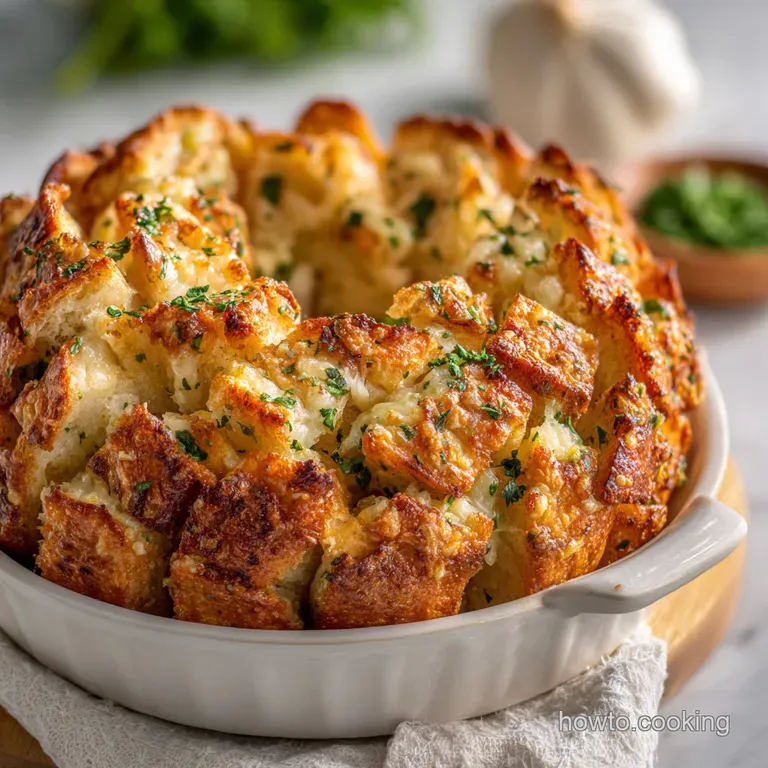
- Time: Active 15 minutes, Passive 20 minutes, Total 35 minutes
- Flavor/Texture Hook: Garlic infused shatter crisp crust with a velvety cheese pull
- Perfect for: Wholesome family dinners and building baking confidence
- The Physics of the Cheese Pull
- Key Metrics for Successful Baking
- Essential Components for Rich Flavor
- Tools for Achieving Professional Results
- Step-by-Step Guide to Golden Crusts
- Solving Common Baking Texture Issues
- Creative Flavor and Texture Adaptations
- Myths About Cheesy Bread
- Storing and Reviving Your Leftovers
- Complementary Dishes for a Full Meal
- Recipe FAQs
- 📝 Recipe Card
The Physics of the Cheese Pull
Understanding how heat interacts with protein and fat is the key to mastering this cheesy bread recipe without the grease. When we combine low moisture mozzarella with Monterey Jack, we are managing the "melt point" and "stretch factor" simultaneously.
- Protein Denaturation: Mozzarella contains long strands of casein proteins that align when heated, creating that iconic long stretch we all love.
- Emulsification Stability: Monterey Jack acts as a bridge, its higher fat content keeping the mozzarella from becoming too rubbery as it cools.
- Starch Gelatinization: Using a over high heat environment (425°F) causes the surface starches in the pizza dough to swell and burst, creating a shatter crisp exterior.
- The Maillard Reaction: The Parmigiano Reggiano provides the necessary amino acids and sugars to create a deep, brown crust that tastes savory rather than just salty.
| Method | Time | Texture Outcome | Effort Level |
|---|---|---|---|
| Pizza Dough (Fast) | 35 minutes | Crisp, chewy, and bubbly | Low effort |
| From Scratch (Classic) | 3 hours | Airy, yeasty, and complex | High effort |
By choosing the fast method with fresh pizza dough, we prioritize consistency and family time without sacrificing the flavorful results that come from a high-quality cheese blend.
Key Metrics for Successful Baking
When we look at the components of a great bake, we need to analyze why each piece matters. A successful outcome relies on the interaction between the fats in the butter and the proteins in the flour.
Component Analysis
| Ingredient | Science Role | Pro Secret |
|---|---|---|
| Pizza Dough | Structural Base | Bring to room temperature for 30 minutes to relax gluten strands. |
| Mozzarella | Elasticity Provider | Use low moisture blocks and grate them yourself to avoid anti caking starches. |
| Unsalted Butter | Moisture Barrier | Melt and emulsify with garlic paste to prevent the bread from becoming soggy. |
| Parmigiano Reggiano | Flavor Catalyst | Finely grate to ensure it bonds with the dough surface for a golden finish. |
Using these specific elements ensures that the bread remains structural enough to hold the weight of the cheese while maintaining a light, airy crumb. Similar to how we balance textures in a Fluffy Homemade Bread Rolls recipe, the goal here is a harmonious bite.
Essential Components for Rich Flavor
To create a truly flavorful cheesy bread recipe, we need to be specific about our ingredients. Each item plays a role in the final nutritional profile and the sensory experience of the dish.
- 1 lb fresh pizza dough: This is our foundation. Look for dough that feels supple and has a slight yeasty aroma. Why this? Provides the necessary structure and chew without hours of kneading.
- 2 tbsp all purpose flour: Used for dusting your workspace. Why this? Prevents sticking while maintaining the dough's hydration levels.
- 1 tbsp extra virgin olive oil: For the baking sheet. Why this? Encourages a golden, fried texture on the bottom of the crust.
- 1.5 cups low moisture mozzarella, shredded: The king of the cheese pull.
- 1 cup Monterey Jack cheese, shredded: For a smooth, velvety melt.
- 1/2 cup Parmigiano Reggiano, finely grated: Adds a punch of savory umami.
- 4 tbsp unsalted butter, melted: The vehicle for garlic flavor.
- 3 cloves garlic, minced into a paste: Use a microplane or a knife to create a fine paste.
- 1 tsp dried oregano: Adds an earthy, herbaceous note.
- 1/2 tsp sea salt: Enhances all the other flavors.
- 1 tbsp fresh parsley, finely chopped: For a burst of color and freshness at the end.
Smart Substitutions
| Original Ingredient | Substitute | Why It Works |
|---|---|---|
| Monterey Jack | Mild Provolone | Similar melting point. Note: Offers a slightly sharper, smokier profile. |
| Pizza Dough | store-bought Biscuit Dough | Higher fat content. Note: Result will be more flaky and buttery than chewy. |
| Parmigiano Reggiano | Pecorino Romano | Hard sheep's milk cheese. Note: Much saltier, so reduce added sea salt. |
Tools for Achieving Professional Results
You don't need a kitchen full of gadgets, but a few specific tools will give you more confidence as you bake. I always recommend a heavy duty baking sheet, such as a rimmed half sheet pan, because it distributes heat more evenly.
You will also need a rolling pin to get the dough to an even thickness. If you don't have one, a clean wine bottle works in a pinch! A microplane is another essential for turning those garlic cloves into a paste.
This ensures the garlic flavor is distributed evenly throughout the butter rather than leaving you with raw, chunky bites.
Chef Tip: Freeze your butter for 10 minutes before melting it. This might sound counterintuitive, but it helps the butter retain a slightly thicker consistency when mixed with the garlic, allowing it to sit on top of the dough rather than soaking straight through.
step-by-step Guide to Golden Crusts
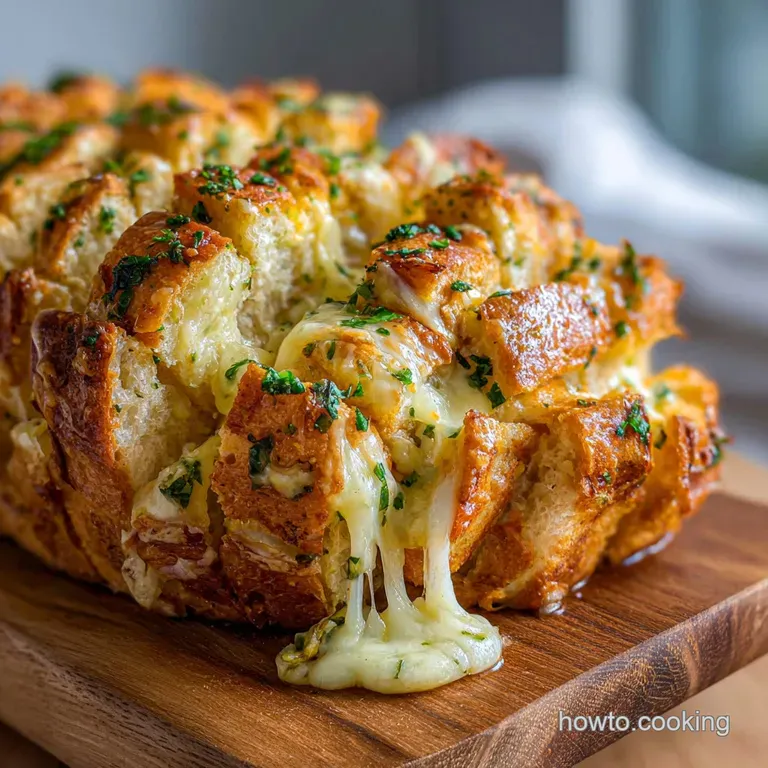
The process of assembling this cheesy bread recipe is almost as satisfying as eating it. Pay attention to the sensory cues, the way the dough feels under your hands and the changing colors in the oven.
Preparing the Foundation
- Tempering the Dough. Take your 1 lb fresh pizza dough out of the fridge. Let it sit at room temperature for at least 30 minutes. Note: This relaxes the gluten, preventing the dough from snapping back when you roll it.
- Preheat and Prep. Set your oven to 425°F. Lightly coat a large baking sheet with 1 tbsp extra virgin olive oil.
- Rolling. Dust your surface with 2 tbsp all purpose flour. Roll the dough into a rectangle roughly 1/2 inch thick until it is even and smooth.
Infusing the Flavor
- Garlic Emulsion. In a small bowl, combine 4 tbsp melted unsalted butter with 3 cloves of minced garlic paste, 1 tsp dried oregano, and 1/2 tsp sea salt.
- Base Layer. Brush half of the garlic butter mixture over the surface of the dough until every inch is glistening.
Layering and Baking
- Cheese Blend. Mix the 1.5 cups mozzarella and 1 cup Monterey Jack. Spread them evenly over the dough, leaving a small border at the edges.
- The Finisher. Sprinkle the 1/2 cup Parmigiano Reggiano over the top.
- The Bake. Place in the center of the oven. Bake for 18 to 20 minutes until the cheese is bubbling and the edges are a deep golden brown.
- The Finishing Touch. Remove from the oven and immediately brush with the remaining garlic butter. Sprinkle with 1 tbsp fresh parsley.
- Resting. Let the bread sit for 5 minutes until the cheese sets slightly before slicing into strips or squares.
Solving Common Baking Texture Issues
Even with the best intentions, things can go sideways in the kitchen. Learning to troubleshoot is what builds true cooking confidence.
Solving the Greasy Bottom Syndrome
If you find the bottom of your bread is oily rather than crisp, it's often a temperature issue. Your oven might not be reaching the full 425°F, or you may have used too much oil on the pan. For a nutritious, balanced crust, the oil should be just enough to coat, not pool.
Ensure you preheat your oven for at least 20 minutes before the dough goes in.
Preventing a Tough Rubbery Crumb
This usually happens when the dough is overworked or rolled out while it is still cold. If you feel the dough resisting you, stop rolling, cover it with a towel, and let it rest for 10 more minutes. Patience is a key ingredient in any bread recipe.
| Problem | Root Cause | Solution |
|---|---|---|
| Soggy Center | Too much cheese moisture | Use low moisture mozzarella and avoid adding fresh tomatoes or wet toppings. |
| Burnt Garlic | Mince is too large | Use a microplane to create a paste; larger chunks burn before the cheese melts. |
| No Cheese Pull | Overbaked cheese | Remove from oven as soon as golden spots appear; over browning dries out the protein. |
Common Mistakes Checklist
- ✓ Always bring dough to room temperature (prevents "shrink back").
- ✓ Use a garlic paste instead of chunks (prevents bitter, burnt bits).
- ✓ Don't skip the Parmigiano (it provides the savory crust depth).
- ✓ Let the bread rest for 5 minutes (keeps the cheese from sliding off when cut).
Creative Flavor and Texture Adaptations
Once you have mastered the basic cheesy bread recipe, you can start experimenting. Think about how different additions can change the nutritional profile or fit a specific occasion.
Scaling for Large Groups If you are doubling the recipe for a party, work in batches. Don't try to crowd two large baking sheets on one rack, as this will drop the oven temperature and lead to uneven browning.
If you scale up, keep the garlic and salt to about 1.5x the original amount to ensure the flavor isn't overwhelming.
Scaling Down For a solo dinner, you can use half a pound of dough. Reduce the bake time by about 3 to 5 minutes and use a smaller quarter sheet pan to keep the heat concentrated around the bread.
Decision Shortcut
- If you want a crispier bottom, preheat your baking sheet in the oven before placing the dough on it.
- If you want a softer, focaccia style bread, let the dough rise on the pan for 20 minutes after rolling before adding toppings.
- If you want a deeper flavor, add a teaspoon of honey to the garlic butter to encourage more caramelization.
Myths About Cheesy Bread
There are many misconceptions about baking with cheese that can lead to frustration. Let's clear a few of them up.
First, many people believe that "more cheese is always better." In reality, adding too much cheese creates a heavy, greasy layer that prevents the dough from cooking through. The 2.5 cups suggested here provides a wholesome balance that allows the bread to rise while still offering a decadent pull.
Another myth is that you need a pizza stone for a crispy crust. While stones are great, a standard aluminum baking sheet actually transfers heat very efficiently for this specific cheesy bread recipe. The key is the olive oil on the pan, which creates a "frying" effect on the bottom of the dough.
Finally, some think that you can't use pre shredded cheese. While I prefer grating my own for the best melt, high-quality pre shredded mozzarella will still work. Just be aware that the starch coatings might result in a slightly less fluid melt.
Storing and Reviving Your Leftovers
This bread is best enjoyed fresh, but leftovers can be a lifesaver for busy weeknights. Store any remaining pieces in an airtight container in the fridge for up to 3 days. To freeze, wrap individual slices in foil and place them in a freezer bag for up to 2 months.
To reheat, avoid the microwave! It will make the crust rubbery. Instead, place the slices on a baking sheet and pop them into a 350°F oven for 5 to 8 minutes. This will bring back the shatter crisp texture and the velvety melt of the cheese.
Zero Waste Tip: If you have leftover crusts that have gone a bit hard, don't throw them away. Cut them into small cubes, toss them with a little extra olive oil, and bake them until crunchy. They make the most incredible cheesy garlic croutons for a wholesome salad. You can also use the leftover garlic butter on roasted vegetables or as a base for an & Cheesy recipe update later in the week.
Complementary Dishes for a Full Meal
Serving this cheesy bread recipe is all about balance. Because it is rich and savory, it pairs beautifully with dishes that have a bit of acidity or brightness.
A simple tomato based soup or a crisp green salad with a lemon vinaigrette works wonders. If you are looking for a more substantial pairing, it serves as a wonderful side to a hearty pasta dish or even a roasted chicken. The garlic notes in the bread will pick up the savory flavors of the meat perfectly.
If you enjoy the process of working with dough and want to try something slightly different, you might also like my Garlic Bread Crostini recipe. It uses a similar flavor profile but offers a different crunch and presentation. Building your repertoire of bread based sides will give you the flexibility to handle any family meal with confidence and flair.
Enjoy the process, embrace the sizzle of the oven, and savor every bite of your handmade creation. There is nothing quite like the pride of putting a wholesome, flavorful dish like this on the table.

Recipe FAQs
What kind of cheese is best in cheesy bread?
A blend of low-moisture mozzarella and Monterey Jack is best. Mozzarella provides the classic stretch, while Monterey Jack adds a smooth, velvety melt and helps prevent the cheese from becoming too rubbery.
What do Little Caesars put on their cheesy bread?
Little Caesars uses a blend of mozzarella and a proprietary cheese seasoning. It's typically brushed with garlic butter and sprinkled with Parmesan cheese and a blend of herbs and spices, giving it its signature flavor.
What is the best cheese to melt on bread?
Low-moisture mozzarella is the top choice for meltability and stretch. For added flavor and a smoother texture, consider blending it with cheeses like Monterey Jack, mild cheddar, or Fontina.
What are the 4 main ingredients in bread?
Flour, water, yeast, and salt are the four fundamental ingredients. Flour provides the structure, water hydrates the flour and activates the yeast, yeast makes it rise, and salt enhances flavor and controls yeast activity.
Can I use different cheeses for cheesy bread?
Yes, you can experiment with various cheeses! For a sharper flavor, try adding some cheddar or provolone. If you enjoyed mastering the balance of textures here, you'll find similar principles apply when creating a cohesive flavor profile for a Green Bean Casserole Recipe: The Ultimate Version with Homemade Crispy Shallots.
How do I prevent my cheesy bread from being greasy?
Use low-moisture cheeses and avoid overloading the bread. The fat content in cheese can render out when heated; opting for drier cheeses and a balanced amount prevents excess greasiness and ensures a better texture.
What makes cheesy bread crusty?
A combination of high heat and a well oiled baking surface creates a crusty bottom. Baking at a high temperature, like 425°F, along with brushing the dough with olive oil or melted butter, encourages the Maillard reaction for a golden, crisp exterior.
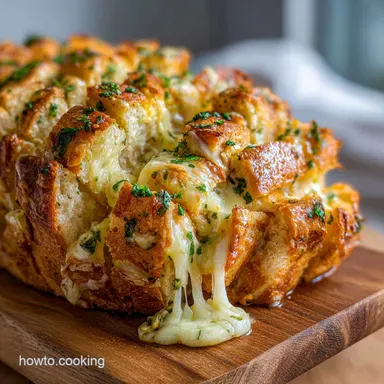
Cheesy Pull Apart Bread
Ingredients:
Instructions:
Nutrition Facts:
| Calories | 367 kcal |
|---|---|
| Protein | 15.8 g |
| Fat | 19.1 g |
| Carbs | 33.5 g |
| Fiber | 1.2 g |
| Sugar | 2.1 g |
| Sodium | 745 mg |
