The Golden Standard Truly Classic Perfectly Puffy Fry Bread
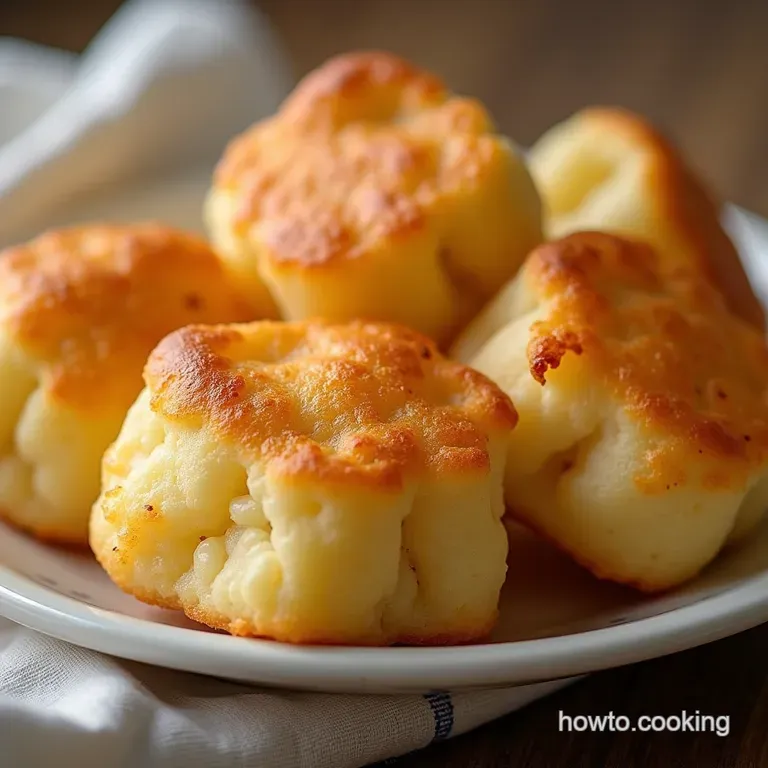
- The Golden Standard: Truly Classic, Perfectly Puffy Fry Bread
- Unearthing the Comfort: Why This Recipe Matters
- Assembling Your Dough Components for Success
- The Essential Toolkit for Perfect Frying
- Mastering the Dough: Mixing and Proofing Techniques
- Elevating Your Experience: Serving Suggestions and Variations
- Recipe FAQs
- 📝 Recipe Card
The Golden Standard: Truly Classic, Perfectly Puffy Fry Bread
This recipe delivers authentic, light-as-a-feather Native American style Fry Bread. Known for its tender crumb and delightfully crisp, slightly chewy exterior, it’s the perfect canvas whether you prefer it dusted with sugar and cinnamon (sweet style, like a doughnut) or topped with savoury chili, beans, or ground meat (the famous Indian Taco style).
It’s pure, unapologetic comfort food magic. Achieving this golden standard requires attention to detail, especially when navigating the deep frying process, which is where many Easy Fried Bread Recipes often fall short.
This endeavor falls squarely in the Medium difficulty range. While the dough itself is straightforward (much like making pizza dough), the key challenge for home cooks lies in mastering the deep frying technique.
Temperature control is crucial too cold, and it gets greasy; too hot, and it burns before cooking through. This requires a little confidence and attention. Expect about 20 minutes of active preparation time, followed by a necessary 60– 90 minutes for the dough to rest and prove.
In total, you are looking at roughly 1 hour and 45 minutes until this delicious Fried Flour Bread is ready to grace your table, yielding about 10 12 medium pieces.
Unearthing the Comfort: Why This Recipe Matters
There is a profound connection forged when preparing food with such historical significance. This isn't just about frying dough; it’s about replicating a technique perfected over generations.
The beauty of Classic Fry Bread lies in its adaptability and its inherent simplicity, relying on basic pantry staples to create something extraordinary.
A Heritage Bite: Defining Authentic Preparation
The journey into Fry Bread History reveals a resilience, born from necessity but evolved into a celebrated comfort food. Authentic preparation prioritizes simple ingredients flour, salt, leavening, and liquid to create maximum lift and lightness when dropped into hot fat.
Our specific blueprint calls for three cups of all-purpose flour (360g) balanced by one tablespoon of baking powder, which acts as our primary leavener, crucial for achieving that signature puff.
We incorporate richness using ½ cup of whole or 2% milk alongside 1 ¼ cups of warm water (around 105° F– 115° F) and 2 tablespoons of vegetable oil directly into the Fried Bread Dough Recipes .
Achieving That Cloud Like Interior Texture
The secret to a cloud like interior hinges on two main factors: proper leavening and gentle handling during the initial mixing phase. The baking powder must be fresh to provide the necessary initial lift upon hitting the hot oil.
On top of that,, we must use warm liquids, about 105° F to 115° F, to ensure the ingredients combine seamlessly without shocking the dough structure, leading to a tender crumb rather than a tough one.
Sweet or Savory? Setting the Stage for Your Bread
Before we even mix the ingredients, it’s vital to decide the final destination of your Classic Fry Bread . If you plan on coating it in cinnamon sugar, you might lean towards including a tiny pinch more salt in the dough to balance the coming sweetness.
Conversely, if you are aiming for an Indian Taco base, you might substitute a small amount of the salt for a pinch of cayenne pepper right in the dry mix. This pre-planning ensures the foundation perfectly complements your chosen Fry Bread Toppings .
Assembling Your Dough Components for Success
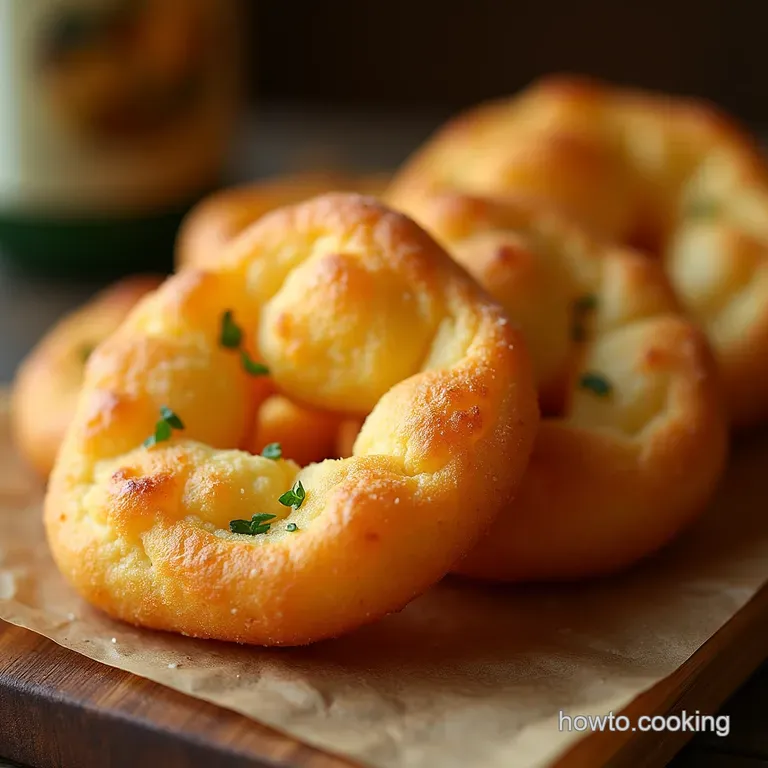
Creating a fantastic Classic Fry Bread Recipe begins with meticulous assembly of the dry ingredients. In your largest mixing bowl, whisk together the 3 cups of all-purpose flour (360g), the full tablespoon of baking powder (15g), and 1 teaspoon of fine sea salt (6g).
A thorough whisking here ensures the leavening agent is evenly distributed, which is non-negotiable for consistent puffing across every piece.
Once the dry components are perfectly married, move to the liquids. In a separate, smaller vessel, whisk together the 1 ¼ cups of warm water (300ml), the ½ cup of milk (120ml), and the 2 tablespoons of vegetable oil (30ml).
The warmth of the water is key here, helping the fats and liquids integrate smoothly before they meet the flour.
Related Recipes Worth Trying
- Foolproof Stovetop Bread Soft NoOven Flatbread Recipe — Need an easy stovetop bread recipe when the ovens off This simple pan bread recipe yields soft puffed flatbreads ready in under an hour Perfect for beginners
- Easy Amish Apple Fritter Bread Recipe for Weekend Brunch — Bake the ultimate Amish Apple Fritter Bread This recipe ditches the frying for a wonderfully moist loaf cake bursting with spiced apples Get the foolproof...
- Easy Almond Flour Bread Recipe Light Tender Loaf — Bake the ultimate low carb bread recipe This easy almond flour bread is light fluffy and perfect for sandwiches Forget dry glutenfree resultsthis loaf is a...
The Essential Toolkit for Perfect Frying
While the ingredients are humble, the equipment required to execute this dish properly elevates it from a flat disc to a perfect French Fried Bread Recipe . You need precision, especially regarding heat management, which separates amateurs from masters of deep frying.
Precision Measurement: Dry Mix Essentials
As mentioned, the dry mixture requires accuracy. Too much flour results in a dense, heavy bread that struggles to puff. Too little baking powder means you rely solely on steam for expansion, leading to a flatter, less airy result.
We measure the 1 tablespoon of baking powder carefully because it is the primary driver of the lofty texture we seek in this Fried Flour Bread .
The Liquid Alchemy: Water Temperature Secrets
The temperature of your liquids is more important than you might think. Aiming for that lukewarm 105° F to 115° F range ensures the fats in the dough melt just enough to create tender pockets, and the dough becomes highly pliable for kneading and rolling.
Cold liquids can make the dough stiff and hard to work with later on.
Oil Selection and Depth: A Frying Foundation
For the actual frying, you must select a neutral, high heat oil, such as canola, vegetable, or peanut oil. You will need 4 to 6 cups (1 to 1.5 litres) to ensure you achieve a depth of about 1.5 to 2 inches in your heavy bottomed pot or Dutch oven. Crucially, you must use a candy or deep fry thermometer.
This tool is the backbone of ensuring your oil maintains a stable 350° F ( 175° C) during the entire cooking process, guaranteeing that beautiful golden exterior without soaking the interior in grease.
Mastering the Dough: Mixing and Proofing Techniques
The process of bringing these components together requires a gentle touch, focusing on developing structure without creating toughness.
Kneading Nuances: Developing the Perfect Gluten Structure
When combining the wet and dry ingredients, mix only until a shaggy mass forms. Then, turn the dough out onto a lightly floured surface. You need to knead this dough gently for about 5 to 7 minutes.
The goal is to achieve a dough that is smooth and elastic, but you must resist the urge to overwork it, as this develops too much gluten, resulting in a chewy, tough bread rather than a tender one.
Resting Period: Why Patience Yields Better Results
Once kneaded, place the dough into an oiled bowl, cover it tightly cling film works perfectly and allow it to rest in a warm location for a minimum of 45 minutes, ideally up to an hour. This resting period is essential; it allows the gluten strands to relax completely.
A relaxed dough is much easier to roll out evenly and results in a significantly fluffier final product. This step is often overlooked in quick versions of How To Make Fried Bread .
Shaping Your Classic Fry Bread Without Tearing
After the rest, divide the dough into 10 to 12 equal portions. Roll each portion into a neat ball first, then gently flatten and roll out into an oval or circle, aiming for about ¼ inch thickness. This thickness provides the best balance of crisp crust and airy interior.
Before it hits the oil, cut a small vent hole (about ½ inch) directly in the centre of each piece. This seemingly minor step is vital; it allows steam to escape evenly, preventing the bread from ballooning improperly.
Temperature Control: Ensuring Even Cooking and Fluffiness
As you prepare to fry, ensure your oil has reached precisely 350° F ( 175° C). This temperature is the sweet spot that initiates rapid expansion from the baking powder and steam while sealing the exterior quickly.
Never overcrowd the pot; drop only one or two pieces in at a time. If you add too much cold dough, the oil temperature will plummet, leading to greasy, heavy Fried Flour Bread . Fry each side for about 45 to 60 seconds until richly golden brown, watching as it puffs up dramatically.
Elevating Your Experience: Serving Suggestions and Variations
Once golden and drained briefly on paper towels, the true joy of your Classic Fry Bread begins the application of flavour.
From Honey Butter to Chili: Savory Topping Ideas
The versatility of this dish is perhaps its greatest strength. For a sweet approach, immediately toss the hot bread in a mixture of granulated sugar and cinnamon. Alternatively, for a savoury experience the famous Indian Taco pile on seasoned ground beef, pinto or kidney beans, shredded cheese, fresh shredded lettuce, diced tomatoes, and a generous dollop of sour cream.
This contrast between the slightly oily, crisp bread and the cool, fresh toppings is sensational.
Transforming Your Classic Fry Bread with Add-Ins
While the base recipe is perfect, you can infuse character directly into the dough. Consider incorporating 1 teaspoon of dried rosemary or sage into your dry ingredients for an earthy flavour profile that pairs wonderfully with hearty beef or venison chili.
If you enjoy a subtle background heat, a light sprinkle of smoked paprika into the dry mix will give the bread a beautiful colour and warmth without overpowering the main toppings.
Optimal Storage Methods to Maintain Crispness
Since this is a fried item, freshness is paramount. If you have leftovers, the primary challenge is preventing them from becoming overly hard or soggy. Allow the bread to cool completely, then store it in a single layer in an airtight container lined with paper towels at room temperature for up to two days.
Avoid refrigeration, as this tends to dry out the bread quickly.
Troubleshooting Common Texture Issues (Too Hard? Too Greasy?)
If your bread comes out too hard, the most likely culprit is over kneading or rolling the dough too thin. Overworking toughens the structure. If your bread is consistently greasy, you must address your oil temperature.
If the temperature drops below 340° F, the bread spends too long absorbing fat without properly crisping its exterior. Remember the thermometer is your best tool for avoiding overly greasy Easy Fried Bread Recipes .
If it’s puffing too much in the middle, double check that you cut that central vent hole deep enough to allow steam to escape freely.

Recipe FAQs
3 ingredient fry bread
For perfectly puffy results, ensure your oil for frying maintains a consistent temperature between 350°F and 375°F; this is non-negotiable for that desired light interior. If you lack a thermometer, a small dough scrap should float immediately and brown within 30 seconds.
Store cooled fry bread in a paper bag at room temperature for up to a day, as refrigeration will toughen the texture. You can substitute the milk with buttermilk for a tangier flavor profile.
Grandma's fry bread recipe
For that authentic, puffy texture, ensure your water is just lukewarm (105°F 115°F) when mixing the dough; temperature is key for activating the yeast or baking powder correctly.
When frying, maintaining the oil temperature between 350°F and 375°F is crucial for a crisp exterior without absorbing excess grease. Fry bread is best enjoyed immediately, but leftovers can be reheated briefly in a moderate oven to restore some crispness.
Authentic Navajo fry bread recipe
For truly authentic results with your Classic Fry Bread, ensure your water is comfortably warm (around 105°F to 115°F) to properly activate the yeast if using, or simply ensure it’s not too cold for the baking powder.
The secret to that perfect puff lies in the frying stage: maintain oil temperature precisely between 350°F and 375°F (175°C to 190°C). These tender morsels are best enjoyed immediately, but leftovers can be briefly reheated in a dry oven.
Classic fry bread recipe easy
To ensure your Classic Fry Bread achieves that signature puff, make certain your water is lukewarm, not hot, when mixing the dough to properly activate the yeast or baking powder. Rest the dough in a warm spot for at least an hour until it visibly doubles in size for optimal texture.
Fry in oil heated precisely to 365-375°F (185-190°C) for a crisp exterior without greasiness.
How did the Navajo make fry bread?
Traditionally, the Navajo created their fry bread by mixing flour, salt, leavening, and water, sometimes incorporating lard or rendered fat into the dough for richness. This simple dough was then patted or stretched into thin rounds and quickly deep fried in hot fat, often lard or rendered meat fat, until golden brown and puffed.
For the best results at home, ensure your frying oil maintains a steady temperature between 350°F and 375°F for that signature light texture. These are best enjoyed immediately, though leftovers can be briefly reheated in a warm oven to restore a little crispness.
How unhealthy is fry bread?
As a deep fried food, Classic Fry Bread is inherently high in fat and calories, making it an indulgent treat rather than an everyday staple. To mitigate this slightly, ensure your frying oil is consistently hot (around 350-375°F) so the bread cooks quickly, minimizing oil absorption.
For storage, leftover fry bread is best eaten fresh, but can be briefly kept in an airtight container at room temperature for up to a day.
Classic Puffy Fry Bread

Ingredients:
Instructions:
Nutrition Facts:
| Calories | 218 kcal |
|---|---|
| Protein | 3.3 g |
| Fat | 12.4 g |
| Carbs | 16.8 g |
| Fiber | 0.2 g |
| Sodium | 4079 mg |
