Traditional Pecan Pie: the Classic Golden Southern Holiday Dessert
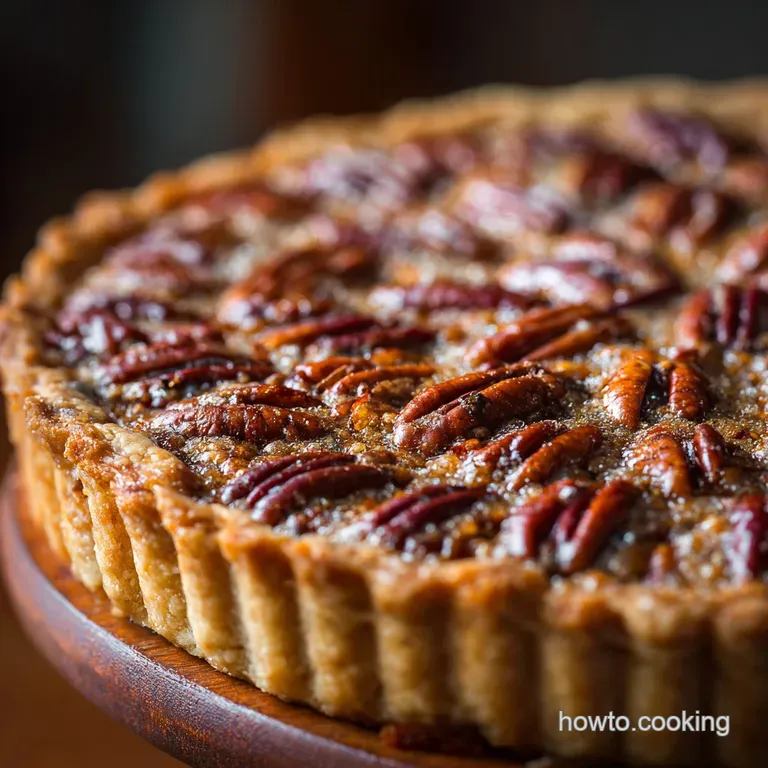
- The Classic Golden Pecan Pie: A Southern Tradition Done Right
- The Science of Perfect Pecan Pie Texture: No Soggy Bottoms Allowed
- Essential Ingredients for the Best Traditional Pecan Pie
- How to Bake the Perfect Pecan Pie: Detailed Method
- Pecan Pie Troubleshooting: Expert Tips & Fixing Common Issues
- Storing and Reheating Your Baked Pecan Pie
- Perfect Pairings and Serving Suggestions
- Recipe FAQs
- 📝 Recipe Card
The Classic Golden Pecan Pie: A Southern Tradition Done Right
When that traditional pecan pie slides out of the oven, smelling heavily of molasses, vanilla, and toasted nuts, the holidays officially begin. It’s an intoxicating, rich aroma, and honestly, nothing else comes close to that perfect combination of sticky, fudgy filling and crunchy pecans.
The texture contrast between the silken custard and the brittle nuts is why we bother with dessert at all.
For years, I stressed over fancy holiday desserts, but this Traditional Pecan Pie Recipe is the quiet hero. It is incredibly cheap to make, requires almost zero fancy technique you just need a whisk and it actually keeps really well. This means you can bake it early, giving you more time to focus on that perfect roast or just relaxing with a glass of wine.
I’ve made every pecan pie mistake in the book, from soup like fillings to charcoal black crusts, but I've finally perfected the method. This homemade pecan pie recipe is absolutely foolproof, delivering the deep caramelized flavor and perfect slice every single time.
Let’s crack on and get this holiday baking masterpiece sorted.
The Science of Perfect Pecan Pie Texture: No Soggy Bottoms Allowed
This isn’t just about throwing ingredients together; it’s about managing moisture and heat distribution, which sounds complicated, but it’s actually really simple. We are dealing with a heavy, wet filling inside a delicate, buttery vessel, so structure is everything.
The secret weapon here is melted butter and the mandatory blind bake of the crust.
Defining the Authentic Pecan Pie Flavor Profile
A truly traditional pecan pie should taste like deep caramel, not just sticky sugar. That’s why we use dark corn syrup and brown sugar, which introduce those rich, molasses notes, giving the filling depth.
It needs to be sweet, of course, but the salt and pure vanilla extract are essential to stopping it from tasting one-dimensional. The final pie should be fudgy in texture, holding its shape beautifully when sliced.
Brief History of the Traditional Pecan Pie
Pecans are native to the Southern United States, so naturally, this glorious dessert originated there. While recipes for pecan filling existed earlier, the modern pie form really took off in the 1920s and 30s. It became synonymous with holiday baking, particularly Thanksgiving and Christmas.
It’s a classic for a reason.
Why We Blind Bake the Crust (And Why It Matters)
This is a non-negotiable step. It's the only way to avoid a dreaded soggy bottom, which happens when the wet filling steams the raw bottom crust into a gluey mess. Blind baking means pre-baking the crust until it’s partially set, creating a strong barrier. It’s totally worth it.
The goal is to set the bottom structure so it stands up to the heavy, syrupy filling you’re about to pour in, preventing that nightmare of a weak crust.
Chef's Note: Blind baking also helps the crust edges hold their shape better during the long bake time needed for the filling to set.
Achieving the Deep Caramelized Color and Flavor
We achieve that dark, glorious filling color not just through dark syrup, but by strategically using melted butter. The fat mixes perfectly with the sugars and eggs, leading to a richer, less gelatinous set.
Pro Tip: Toasting the pecans before adding them to the filling gives them a deep, nutty complexity that permeates the entire dessert.
Essential Ingredients for the Best Traditional Pecan Pie
I always preach quality over quantity, and that matters here, especially when dealing with such simple ingredients. You don't need a lot of ingredients, but they need to be good. This is what truly makes a great [Homemade Pecan Pie].
Choosing the Right Pecan Variety (Halves vs. Pieces)
I use a mixture, honestly. I usually stir in pecan pieces into the filling itself because they distribute the nutty flavor better throughout the custard. Then I save the perfect, unbroken pecan halves for arranging beautifully on the top before baking.
Halves just look much better for presentation, especially for holiday baking.
Balancing Sweetness: The Role of Corn Syrup vs. Maple Syrup
Dark corn syrup (or golden syrup) provides the classic viscosity and texture; it ensures the filling stays sticky and firm, unlike a simple sugar syrup. You need that stickiness for the pecans to adhere properly.
I know some people want a [Traditional Pecan Pie Without Corn Syrup], but using all maple syrup will result in a much thinner, runnier set and a more pronounced maple flavour. Use dark corn syrup for the authentic experience, trust me.
Butter, Eggs, and Vanilla: Quality Matters
Use large, fresh eggs; they are the structural core of this custard based filling. The eggs set the whole pie! I use unsalted butter because I control the salt level, and I melt it before adding it to the filling. Finally, please skip the imitation vanilla extract.
Use the pure stuff it makes a difference when there are so few flavor elements at play.
Ingredient Swaps and Dietary Adjustments (e.g., GF Crust Options)
You absolutely don't have to follow this exactly, particularly if you have dietary concerns. Here are the swaps I recommend.
| Ingredient To Swap | Recommended Substitution | Notes on Result |
|---|---|---|
| Dark Corn Syrup | Golden Syrup or Light Molasses | Molasses will deepen the color and flavor dramatically. |
| Brown Sugar | Coconut Sugar | Will yield a slightly less moist filling; tastes faintly of caramel. |
| All-Purpose Flour | gluten-free 1:1 Baking Blend | Works fine for the crust! The filling is already GF. |
| Pecans | Walnuts or Cashews | Walnuts are the closest textural match if you can’t get pecans. |
How to Bake the Perfect Pecan Pie: Detailed Method
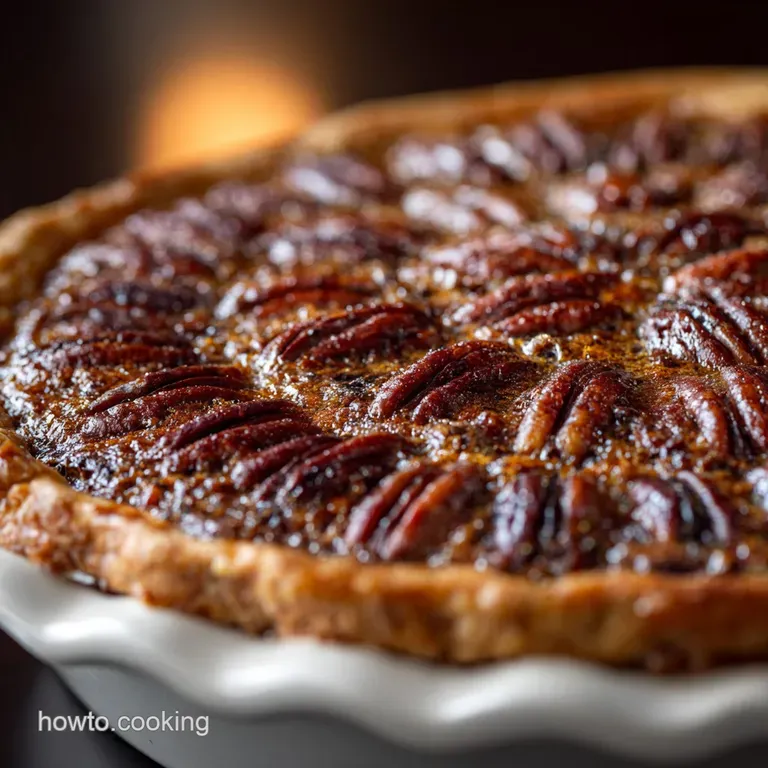
Getting the crust right and managing the oven temperature are the two biggest hurdles. If you nail these steps, you’ll have the best pecan pie recipe on the block.
Preparing the Shortcrust Pastry Dough and Blind Baking
Handle the dough as little as possible. The goal is a flaky, tender crust, and warm hands melt the butter, which ruins the flakiness. Roll out your chilled dough and fit it snugly into the pie plate. Now, for the blind baking: line it with parchment and fill it with dried beans or weights.
This prevents the sides from collapsing. Once partially baked, remove the weights and let it dry out a bit more. That little bit of extra time ensures zero sogginess.
Whisking the Filling: Temperature Control is Key
We want the butter melted, the syrup warmed slightly, and the brown sugar fully dissolved. Whisk the butter, syrup, sugar, vanilla, and salt together until it’s smooth and glossy. The crucial step is the eggs. Whisk the eggs in gently.
If you whisk them too aggressively, you introduce too much air, and that air will expand in the oven, causing the whole surface to dome and crack severely when it cools.
Arranging the Pecans and Pouring the Filling
Mix the smaller pecan pieces into the wet filling now. Place the blind baked crust (on a baking sheet!) into the oven. Why the sheet? It makes pouring easier and catches any rogue drips. Carefully pour the filling mixture into the crust.
Then, take those beautiful whole pecan halves and arrange them in a decorative circle or pattern on top. Don't worry, they will float beautifully as the filling sets.
Monitoring the Bake: The 'Wiggle' Test for Doneness
Bake at 350°F (175°C) initially. After about 20 minutes, your crust edges will likely be getting too brown. Stop! This is the time to add your foil shield. Cover the edges and continue baking.
The pie is done when the edges are completely firm but the very center (a circle about 2 inches wide) still has a slight, jelly like wobble. That gentle wiggle means the eggs have set just enough.
Pecan Pie Troubleshooting: Expert Tips & Fixing Common Issues
I’ve had pies explode, pies crack, and pies stick. These are the three things that used to derail my holiday baking attempts, and how I finally conquered them.
Preventing Pecans from Floating or Sinking
We actually want a mix of floating and sinking for textural interest! Stirring the pecan pieces into the filling ensures some are suspended throughout the custard. Arranging the pecan halves on top after pouring the filling is key; they stay right on the surface.
If you mix the big halves in early, they often sink to the bottom like stones.
Shielding the Crust Edges from Burning
This is the biggest headache with any long bake pie. The crust is thin and exposed, and it always browns too fast. Use aluminium foil. I create a long, thin strip, fold it into a ring, and simply place it over the crimped edges after 20 minutes of baking.
This reflects the heat away and keeps them golden, not burnt.
Why Your Filling Cracked (And How to Stop It)
Cracking happens for two reasons, both related to the eggs. First, over whisking (introducing too much air) causes puffing and then collapse. Second, and most commonly, overbaking causes the edges to set too hard while the center is still cooking. When the center finally shrinks upon cooling, the stiff edges pull apart, resulting in a horrible chasm. Use the wobble test, remove the pie, and allow it to cool slowly. If you want a perfectly set, crack free experience, you might also want to look at my tips for Creamy Pumpkin Pie: The Silken, Crack Free Recipe for Thanksgiving , which uses similar principles for custard pies.
Storing and Reheating Your Baked Pecan Pie
Patience is required here; you cannot rush the cool down. But does it freeze well? You betcha.
Countertop vs. Refrigerated Storage Times
Because this pie relies on eggs to set the filling, it technically needs to be refrigerated for food safety after cooling. Let it cool on a rack for about 4 hours until it's barely warm. After that, cover it loosely with foil or plastic wrap.
You can keep it on the countertop for up to 12 hours after baking, but for longer storage, refrigerate it for 3 4 days .
Guide to Freezing Whole or Sliced Pecan Pie
This is excellent news for make-ahead holiday planners. Bake the pie completely and cool it entirely. Wrap the whole pie tightly in plastic wrap, then wrap it again in aluminium foil. Freeze for up to 2 months.
To thaw, unwrap it (this prevents condensation from making the crust wet) and let it thaw overnight in the refrigerator.
Reheating the Perfect Slice
If you want that fresh from-the-oven warmth, preheat your oven to a low 300°F (150°C). Place the whole pie or slices on a baking sheet. Reheat for 10 to 15 minutes, or until just warmed through. Do not microwave it unless you enjoy a chewy, tough crust.
Perfect Pairings and Serving Suggestions
The sweetness of the pecan pie filling demands a little contrast to balance the flavor.
The Best Scoops: Vanilla, Bourbon, or Coffee Ice Cream?
Vanilla is a classic, but Bourbon or Coffee ice cream is where the magic happens. The slight bitterness or sophisticated heat of the bourbon cuts through the sugary richness perfectly. Another great option is a dollop of cold, tangy crème fraîche.
It’s light, slightly sour, and truly the perfect textural counterpoint to the sticky filling.
If you enjoy a truly decadent crust, consider trying this recipe in a deeper dish format, like my recipe for Pecan Pie: The Cracking Classic Recipe for Deep Dish Perfection . The extra height allows for a fantastic ratio of filling to crust. Serve with strong coffee and enjoy!
Recipe FAQs
Why is my crust always soggy underneath the filling?
A soggy bottom is usually caused by the filling moisture soaking into the uncooked pastry. The critical solution is blind baking (par-baking) your crust fully before you pour in the filling. Ensure you use pie weights and bake until the crust is pale golden before adding the liquid.
How can I tell if my pecan pie filling is fully set and not runny?
The pie is done when the edges are set and slightly puffed, but the very center (about a 1-2 inch circle) still has a slight wobble, similar to gelatin. Do not wait until the entire pie is firm, as the residual heat will finish setting the center as it cools. Overbaking results in a tough, rubbery filling.
Can I add bourbon or chocolate chips to this traditional recipe?
Yes, these are excellent variations often enjoyed in the South. For a deeper flavor, stir in 1 to 2 tablespoons of good quality bourbon along with the vanilla extract. If using chocolate, sprinkle about 1/2 cup of semi sweet chips over the bottom of the crust before adding the liquid filling.
The edges of my pecans and crust are burning before the filling sets. What should I do?
If you notice the nuts or the crust edges browning too quickly, loosely tent the entire pie with aluminum foil for the remainder of the baking time. Alternatively, you can create a foil "shield" ring placed just around the crust edge from the beginning to prevent premature burning.
Can I use honey or maple syrup instead of corn syrup?
Light corn syrup is essential for the traditional texture; it provides the necessary viscosity and clear, glossy finish without overpowering the caramel flavor. While honey or maple syrup can technically substitute, they will result in a much thinner, runnier filling and significantly alter the classic taste profile.
How should I store leftover Traditional Pecan Pie?
Due to the high egg and sugar content, Pecan Pie is safest when stored in the refrigerator after it has completely cooled. Cover it loosely with plastic wrap or foil; it will remain delicious for up to 4 days. Serve chilled or slightly warmed for the best texture.
Can I freeze Pecan Pie, and how should I thaw it?
Pecan Pie freezes exceptionally well. Once the pie is completely cool, wrap it tightly in plastic wrap followed by a layer of aluminum foil, and freeze for up to two months. To thaw, unwrap the pie and place it in the refrigerator overnight, then let it sit at room temperature for 30 minutes before serving.
Classic Traditional Pecan Pie Recipe
Ingredients:
Instructions:
Nutrition Facts:
| Calories | 1428 kcal |
|---|---|
| Protein | 17.4 g |
| Fat | 104.2 g |
| Carbs | 116.8 g |
