Spaghetti Marinara in 20 Minutes
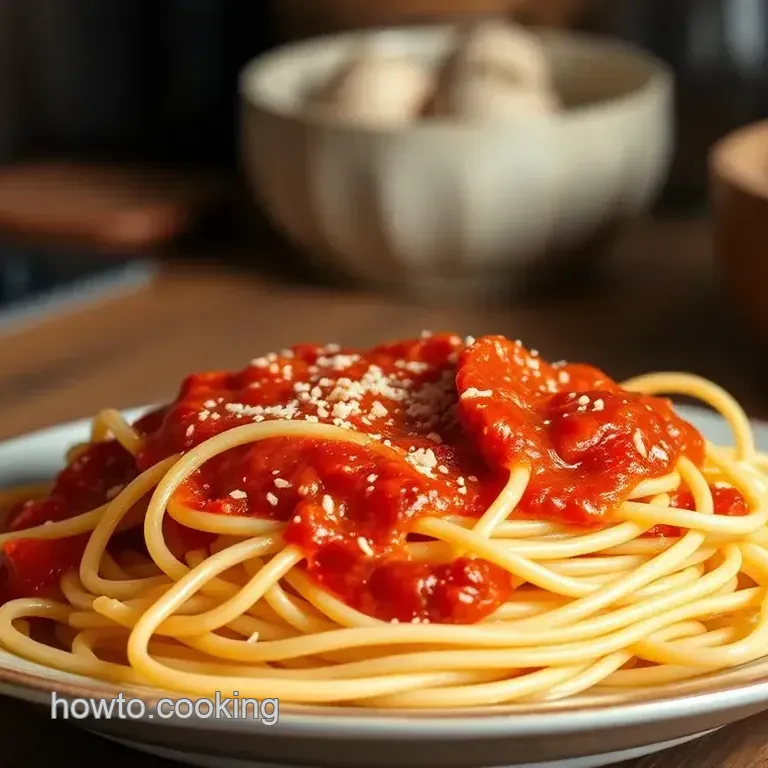
- Time: 5 mins active + 15 mins cooking
- Flavor/Texture Hook: Rich, savory sauce with a bright basil finish
- Perfect for: Busy weeknights and budget-friendly family meals
Spaghetti Marinara
Hear that sizzle? That's the sound of garlic hitting hot olive oil, and it's the start of something great. I used to think that a real Italian sauce had to bubble on the stove for an entire afternoon to be authentic. I was told that shortcuts always meant losing flavor, and for a while, I believed it.
But here's the deal: you don't need a whole day to get a rich result. This 20 Minute Spaghetti with Classic Marinara Sauce is the only recipe you need for a quick and tasty dinner. It challenges the myth that slow cooking is the only way to reach those deep, savory notes.
We're using a few smart tricks to compress the time without losing the soul of the dish. You can expect a bold, punchy sauce that clings to the pasta. It's a straightforward approach to Spaghetti Marinara that doesn't compromise on quality.
Quick Meal Specs
Here is the breakdown. This recipe offers a quick turnaround, making it ideal for those moments when you're hungry but still want something wholesome.
- For a spicier kick
- double the red pepper flakes.
- For a sweeter sauce
- add one finely grated carrot to the garlic.
- For a thicker coating
- simmer for 12 minutes instead of 10.
Because this is a rapid stovetop meal, it is helpful to compare it to the oven-baked method.
| Method | Time | Texture | Best For |
|---|---|---|---|
| Stovetop | 20 min | Smooth and glossy | Weeknight dinners |
| Oven Baked | 45 min | Concentrated and jammy | Potlucks |
How This Sauce Works
I've found that a few small changes make a huge difference in how this Spaghetti Marinara tastes.
- Fried Paste: Searing the tomato paste removes the metallic edge and adds a concentrated sweetness.
- Herb Timing: Adding fresh basil at the very end keeps the aroma bright instead of muted.
- Starch Bond: Tossing the pasta directly in the pan lets the sauce grip the noodles.
The Essential Pantry List
You probably already have most of these staples in your pantry. For a more old-school base, feel free to check out my Nonnas classic marinara for another version.
| Ingredient | What It Does | Best Swap |
|---|---|---|
| Crushed Tomatoes | Provides body and acidity | Tomato purée (slightly thinner) |
| Tomato Paste | Adds richness and color | Extra tomato purée (less intense) |
| Garlic | Supplies the base aroma | Garlic powder (use 1/4 tsp) |
| Olive Oil | Carries flavor and prevents sticking | Avocado oil (neutral taste) |
The Full List: 16 oz spaghetti Why this? Standard thickness holds the sauce well 2 tbsp extra virgin olive oil Why this? Heart-healthy fats for a rich foundation 4 cloves garlic, minced Why this? Fresh garlic is a must here 1/2 tsp crushed red pepper flakes Why this? Introduces a subtle, warming heat 1 tsp dried oregano Why this? Earthy notes balance the acidity 1 can (28 oz) crushed tomatoes Why this? Guarantees a consistent texture and taste 2 tbsp tomato paste Why this? Intensifies the tomato profile 1/2 tsp sea salt Why this? Brings out the best in all the other ingredients 1/4 tsp black pepper Why this? Provides a light, woody accent 1/4 cup fresh basil leaves, torn Why this? A crucial fresh finish
Required Kitchen Tools
You don't need any fancy gear for this. A standard setup works just fine.
- 12 inch skillet: This gives the sauce plenty of room to bubble and reduce.
- Large pot: For boiling the spaghetti.
- Colander: To drain the pasta.
- Wooden spoon: Better than metal for stirring tomato based sauces.
Step by step Process
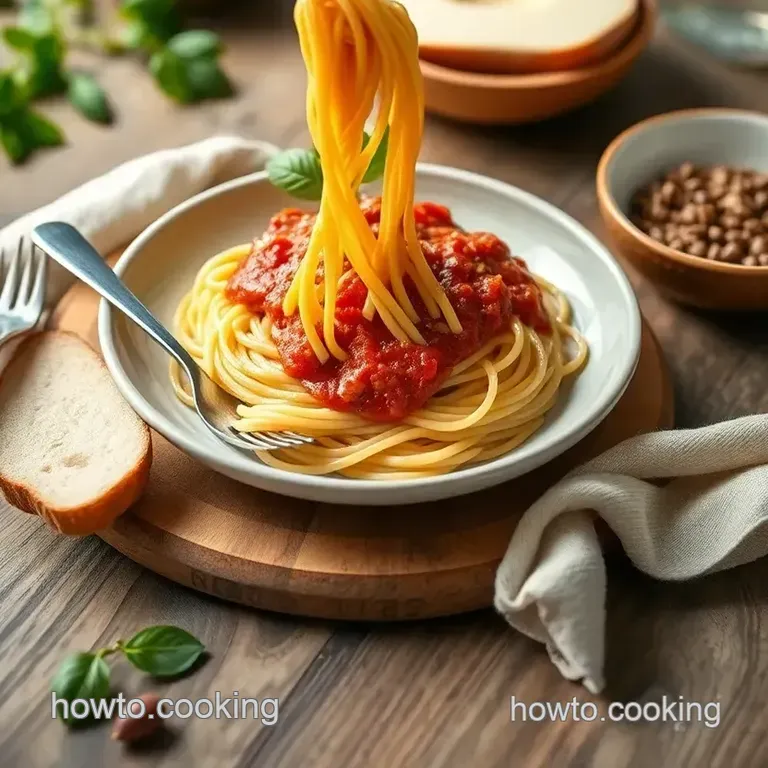
Let's dive in. Make sure your pasta water is boiling before you begin the sauce to prevent the noodles from becoming soggy while the sauce finishes.
- Warm the olive oil over medium heat in your 12-inch skillet.
- Stir in the minced garlic and red pepper flakes. Keep stirring for 1-2 minutes until the garlic is translucent and fragrant. Note: Avoid browning the garlic, as it can taste bitter.
- Mix in the tomato paste and dried oregano.
- Cook for 2 minutes, stirring frequently, until the paste deepens to a rich, dark red.
- Add the crushed tomatoes.
- Stir in the sea salt and black pepper.
- Bring the mixture to a light bubble, then reduce the heat to low.
- Simmer for 10 minutes until the sauce thickens and takes on a glossy look.
- Stir in the torn basil leaves just before turning off the heat.
- Toss the finished sauce with your cooked spaghetti and serve.
For the best results, I suggest undercooking the pasta by one minute and completing the cooking process directly in the sauce. This allows the Spaghetti Marinara to cling to every strand.
Fixing Common Issues
Even a simple recipe can go sideways. I've dealt with these a few times, and they're all easy to fix.
If your sauce tastes too sharp or acidic, don't reach for the sugar. I prefer using a tiny pinch of baking soda. It neutralizes the acid without making the dish taste like candy.
When the sauce feels too thin, it usually means it hasn't simmered long enough to reduce the water content. Just give it another few minutes on medium low. If you're in a rush, a teaspoon of extra tomato paste can thicken it up quickly.
Finally, burnt garlic is the fastest way to ruin a batch of Spaghetti Marinara. If you see brown specks, it's already too late. Start over. Trust me, it's not worth the bitter taste.
| Problem | Root Cause | Solution |
|---|---|---|
| Too acidic | High tomato acidity | Add a pinch of baking soda |
| Too watery | Not enough reduction | Simmer for 3-5 extra minutes |
| Bitter taste | Garlic overcooked | Lower the heat; start over if burnt |
Adding Your Own Twist
Spaghetti Marinara is wonderfully versatile, making it a great way to use whatever ingredients you have on hand. To keep the meal budget-friendly, feel free to swap components based on what is currently on sale.
If you prefer a heartier dish, I recommend adding Italian meatballs to the sauce. Simply brown the meatballs in your skillet before you begin cooking the garlic.
For a "garden style" variation, stir in some sautéed spinach or zucchini during the final simmer. To make this low carb, replace the wheat pasta with spaghetti squash or spiralized zucchini. Just remember to drain the vegetable noodles thoroughly so they don't water down the sauce.
| Premium Ingredient | Budget Alternative | Impact | Savings |
|---|---|---|---|
| Fresh San Marzano | Canned Crushed | Similar taste, less prep | $3-5 per can |
| Pine Nuts | Toasted Sunflower Seeds | Nutty flavor, slightly different crunch | $4-6 per oz |
| Fresh Oregano | Dried Oregano | Slightly more pungent, less bright | $2-3 per bunch |
Saving Your Leftovers
Leftover Spaghetti Marinara stores beautifully. I've found that the taste actually deepens by the following day as the herbs meld with the sauce.
Keep the sauce and pasta in separate containers in the refrigerator. This prevents the noodles from soaking up all the liquid and becoming a mushy clump. The sauce remains fresh for 4 days, and the pasta for 3.
For freezing, only save the sauce. Place it in freezer-safe bags and press out the air. It stays good for about 3 months. To serve, let it thaw in the fridge overnight and warm it up in a skillet with a little water.
To minimize waste, freeze any remaining tomato paste in small dollops on a tray. Once frozen, move them into a bag. You can toss a single cube into any soup or stew for a boost of richness.
Ways To Serve It
Presentation makes a difference, even for a simple meal. I like to twirl the pasta into a nest using a long fork or tongs.
Pair this dish with a crisp green salad or some toasted garlic bread. Since the Spaghetti Marinara is quite rich, a side of steamed broccoli or roasted asparagus provides a nice, fresh contrast.
For a more decadent version, top the dish with a handful of shaved Parmesan or Pecorino Romano. A drizzle of high-quality olive oil on top just before serving adds a professional touch. If you're serving a crowd, keep the pasta in a large bowl and let people scoop their own sauce.
How This Sauce Works
The key to this Spaghetti Marinara is the rapid caramelization of the tomato paste. Frying the paste in oil removes the raw, metallic taste of canned products and creates a deep base.
According to USDA FoodData Central, tomatoes provide a significant amount of lycopene, which makes this a nutritious choice for the family. By using a quick simmer instead of a long boil, we keep the basil's volatile oils intact.
Recipe FAQs
How to make a quick marinara sauce?
Sauté garlic and red pepper flakes for two minutes, then stir in tomato paste and oregano. Add crushed tomatoes and simmer for ten minutes before finishing with fresh basil.
Is it true that marinara is too simple to be used as a standard spaghetti sauce?
Actually, no. This recipe creates a rich, flavorful base that works perfectly as a standalone spaghetti sauce.
What is the best way to prepare spaghetti with marinara?
Boil your pasta first so it is ready as soon as the sauce finishes simmering. Toss the cooked noodles directly into the pan with the tomato and basil mixture for the best coating.
Can I customize this marinara to make it a heartier meal?
Stir in vegetables or proteins before adding the crushed tomatoes. If you enjoy this method of building deep flavor with a slow simmer, you will love the process used in our Sicilian tomato sauce.
Spaghetti Marinara in 20 Minutes

