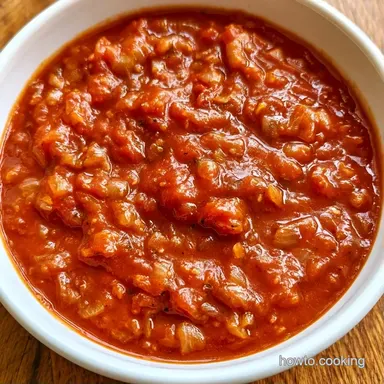
Home Canning Tomato Sauce: Savory Garden Harvest
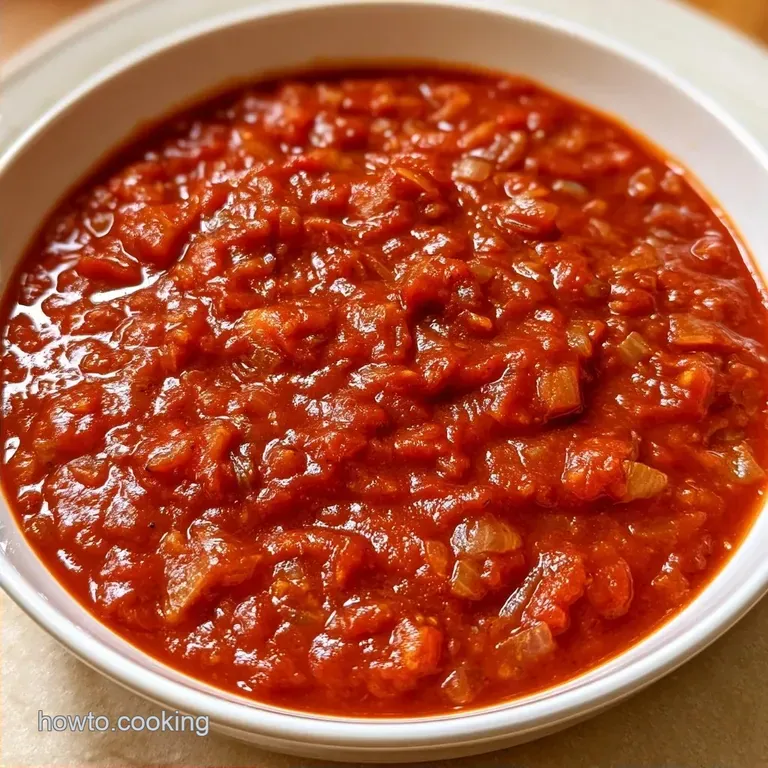
- Time: 60 min active + 240 min processing/simmering
- Flavor/Texture Hook: Thick, mahogany colored, and savory
- Perfect for: Bulk meal prep and garden harvests
Easy Home Canning Tomato Sauce
There is nothing quite like the scent of 30 pounds of tomatoes simmering on the stove. That bright, sharp aroma permeates every room, signaling that summer has arrived. In my early attempts to preserve a garden harvest, I once produced something resembling a thin soup.
I mistakenly assumed the sauce was "thick enough" and skipped the reduction, only to discover it was watery and tasteless when served over pasta.
That error proved that patience is the most vital part of the process. Achieving a deep, concentrated flavor requires allowing the liquid to evaporate slowly. Because this Tomato Sauce lets the fruit's natural sugars provide the sweetness, there is no need for refined sugar to offset the acidity.
You will eventually fill your pantry with jars that far surpass any commercial brand. It is the perfect way to create a Tomato Sauce that tastes genuinely wholesome and home grown.
Why This Recipe Works
- Added Acidity: Tomatoes vary in pH, so adding lemon juice ensures the Tomato Sauce stays acidic enough to prevent bacteria growth.
- Open Pot Reduction: Simmering without a lid lets steam escape, which thickens the base and concentrates the flavor.
The Essential Ingredient List
To save money, look for bulk boxes or "seconds" at a nearby farm. These tomatoes often have odd shapes or minor bruises that won't matter once they've been processed through the food mill.
| Ingredient | What It Does | Best Swap |
|---|---|---|
| Fresh Tomatoes (30 lbs) | Forms the foundation of the sauce | Roma or San Marzano for less water |
| Lemon Juice (2 tbsp) | Reduces pH levels for safety | Citric acid powder (1/2 tsp) |
| Yellow Onion (2 cups) | Contributes savory depth | White onion (slightly sharper) |
| Garlic (6 cloves) | Imparts a pungent aroma | Garlic powder (1 tsp) |
- 1 tsp sea salt The purpose
- Brings out the natural tomato sugars
- 1 tbsp dried oregano The purpose
- Classic earthy flavor
- 1 tbsp dried basil The purpose
- A sweet, peppery finish
Tools You Will Need
While you can make do with basic equipment, a few key items streamline the process. A stockpot with a heavy base is essential to prevent scorching during the extended simmer. If a food mill isn't available, a sturdy spoon and a fine mesh sieve will do the job, albeit more slowly.
For the canning stage, use a water bath canner or a large pot fitted with a rack. Ensure all jars are thoroughly sterilized. Although wiping the jar rims is the most tedious step, it is crucial for achieving a proper seal.
To help you decide, here is a comparison between the traditional approach and a faster alternative.
| Feature | Fast Method | Classic Canning |
|---|---|---|
| Prep Time | 15 mins | 60 mins |
| Shelf Life | 5 days (fridge) | 1 year (pantry) |
| Flavor | Bright/Fresh | Deep/Concentrated |
We will be following the classic route to focus on long term preservation.
Step-by-step Cooking Process
Phase 1: Preparing the Harvest
- Score a small 'X' into the base of each tomato. Blanch in boiling water for 30-60 seconds until the skins split, then immediately transfer to an ice bath to peel them.
- Cut away the stem end and roughly dice the tomatoes into quarters.
- Pass the diced tomatoes through a food mill to strain out the seeds. Note: This results in a smooth, seedless puree.
Phase 2: Developing the Flavor
- Set a large pot over medium heat and add olive oil. Sauté onions and garlic for 5-7 minutes until fragrant and translucent.
- Mix in the Tomato Sauce puree along with the sea salt, oregano, basil, and black pepper.
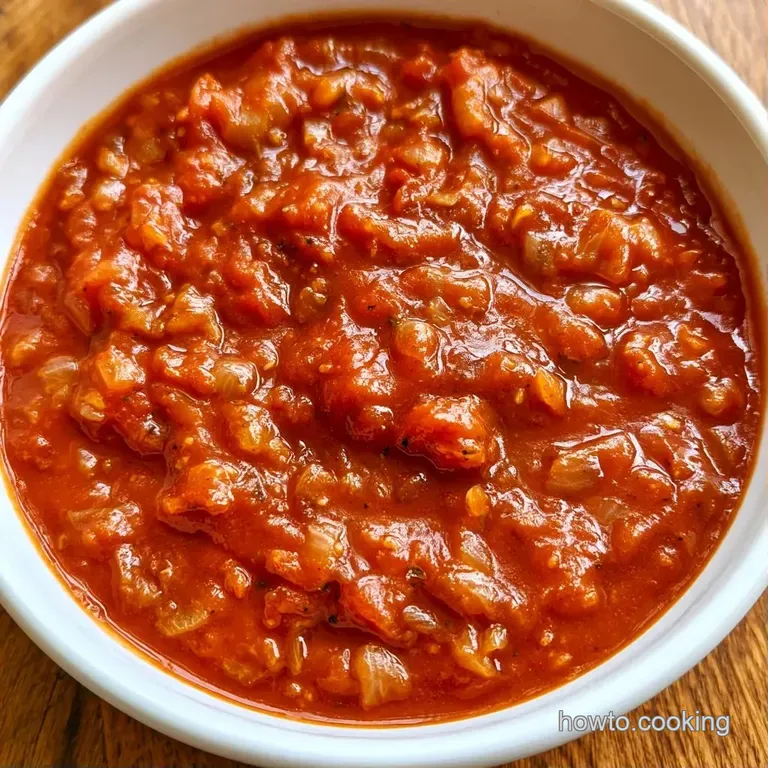
- Raise the temperature until boiling, then lower the heat. Let it simmer uncovered for 45-60 minutes, stirring every so often, until the Tomato Sauce has thickened.
- Stir in the lemon juice right before taking the pot off the heat. Note: Adding acid at the end preserves its brightness.
Phase 3: The Canning Process
- Pour the hot sauce into sterilized pint jars, leaving a 1/2 inch gap at the top.
- Clean the rims and secure the lids.
- Use a water bath canner to process the jars following USDA guidelines for a safe seal.
Solving Common Tomato Sauce Issues
The most frustrating part of this process is when the texture isn't quite right. Usually, it's a matter of water content. Some tomatoes are just juicier than others, especially the heirloom varieties.
Fixing a Watery Base
If your sauce looks like soup, don't add cornstarch or flour. That ruins the clean taste. Just keep the pot uncovered and simmer for another 20-30 minutes. You'll see the bubbles get larger and slower as it thickens.
Managing Bitter Notes
Sometimes the seeds or the core can add a bitter edge. Using a food mill as suggested in the steps usually prevents this, but if it's still there, a tiny pinch of salt often neutralizes the bitterness.
Preventing Bottom Scorching
Since this is a thick puree, it loves to stick. Use a flat edged wooden spoon to scrape the bottom every 10 minutes. If you see brown bits forming, turn the heat down immediately.
| Problem | Fix |
|---|---|
| Watery Tomato Sauce | Simmer uncovered for 30 more mins |
| Lids won't seal | Check rim for residue; re process jars |
| Too acidic | Add a tiny pinch of salt or a carrot slice |
Tomato Sauce Swaps
This base is simple to customize depending on your preference. For a bolder taste, I suggest stirring in a tablespoon of tomato paste during the sauté; this intensifies the color and adds a savory umami depth.
To keep it lighter, create a bright home canning marinara by adding fresh minced parsley and a pinch of red pepper flakes at the end. If you prefer a longer simmer, you can turn this into a Tomato Spaghetti Sauce by doubling the garlic and stirring in a splash of red wine.
A few simple tweaks for specific results: For a brighter acidity? → stir in 1 tsp lemon zest For a sweeter profile? → add 1 finely grated carrot during the sauté For more heat? → add 1/2 tsp crushed red pepper
Preserving Your Tomato Sauce
Store your jars in a cool, dark spot once they have cooled and the lids have popped. Tomato Sauce generally remains good for up to a year; just remember to verify the seal every few months.
For an alternative to canning, you can use silicone molds or freezer bags to store the sauce. This allows you to enjoy a fresh tomato sauce quality without investing in canning tools. Simply let the sauce defrost in the refrigerator overnight prior to use.
Remember that acidifying each jar is essential when canning Tomato Sauce to ensure it is safe for shelf storage. Following the National Center for Home Food Preservation requirements for lemon juice (1 tbsp per pint) is a mandatory safety step.
Don't let the tomato skins go to waste. You can grind them into a powder after drying in a low oven, or put them in the compost bin to support next year's harvest.
Serving Your Tomato Sauce
This is a versatile base. I love using it for a classic pasta dish, but it also works as a dip for toasted sourdough. For a richer meal, stir in a dollop of mascarpone or heavy cream right before serving to create a creamy Tomato Sauce.
Another great use is as a base for shakshuka. Just simmer some eggs in a skillet full of this sauce and top with feta cheese. It's a fast way to turn your pantry stash into a brunch feast.
Since this homemade Tomato Sauce is low sodium, you have total control over the seasoning. Taste it right before it hits the plate and add a crack of fresh pepper or a drizzle of olive oil to bring it all together.
Recipe FAQs
Can this tomato sauce be canned?
Yes, this recipe is designed for canning.
Tip: sterilize your jars before filling to ensure long term safety.
How do I remove the seeds?
Run the chopped tomatoes through a food mill.
Tip: a food mill also helps achieve a perfectly smooth consistency.
Do I need to peel the tomatoes?
Peeling prevents tough skins from appearing in your finished sauce.
Tip: use an ice bath immediately after blanching for the fastest peeling.
Is it true that lemon juice is optional?
No, and here's why. Adding acid is critical for safe home canning to prevent spoilage.
Tip: stir in the lemon juice just before removing the pot from the heat.
How can I thicken the sauce?
Simmer the puree uncovered for 45 60 minutes.
Tip: stir occasionally to prevent the bottom from scorching during reduction.
What makes the flavor so rich?
Sautéing the onions and garlic in olive oil builds a fragrant foundation.
Tip: if you enjoyed mastering this aromatic base, see how it works in our fire roasted salsa.
Home Canning Tomato Sauce