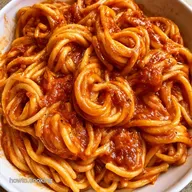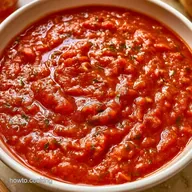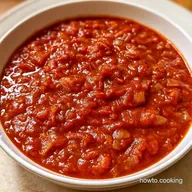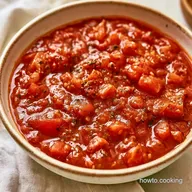
Garden-Fresh Tomato Sauce
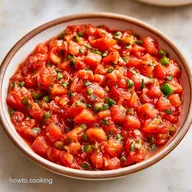
Roma tomatoes cook into a fresh pasta sauce with a bright profile, giving tomato sauce canners a lighter alternative to long roasted batches.
Roma tomato sauce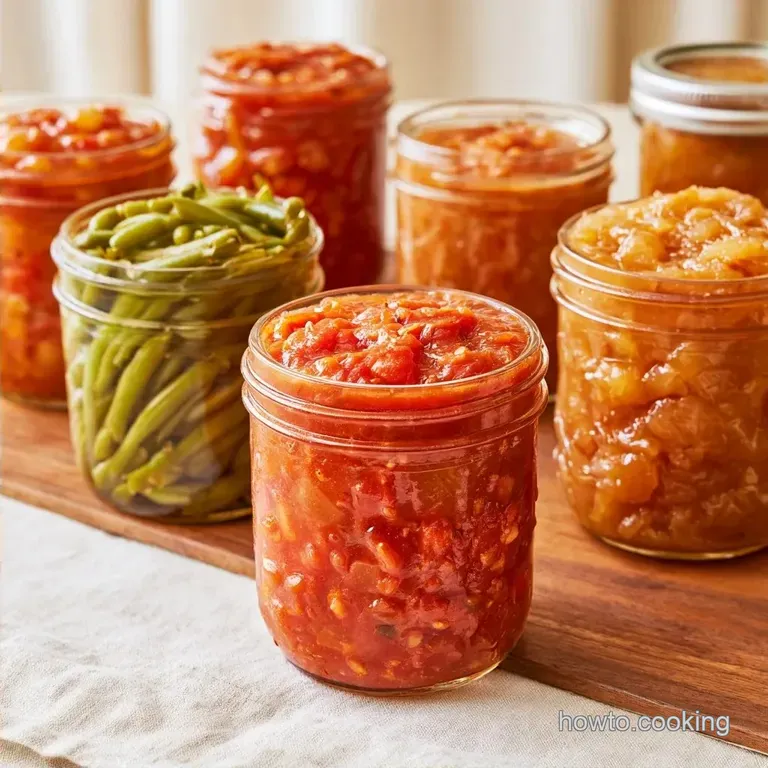
A bubbling pot, warm jars, and the sharp scent of vinegar mark the start of a canning day. This collection is for home cooks preserving summer produce, stocking practical meals, or learning where water bath canning ends and pressure canning begins.
Choose tomato sauces, fruit jams, pickles, relishes, green beans, soups, and meat based meals. If a jar recipe uses low acid vegetables or meat, follow the pressure canning directions closely because acidity changes which method is appropriate.
Canning preserves food by heating filled jars so air is displaced and a seal forms as they cool. High acid foods such as fruit jams, pickles, and many tested tomato recipes often use a water bath; low acid foods such as green beans, meat, and soups require pressure canning.
Watch the jar, not just the clock. If bubbles stop moving and the lid dips after cooling, the seal may have formed, but safe processing still depends on a tested recipe, correct acidity, headspace, and method.
Start with acidity and ingredients. Water bath canning suits jams, pickled vegetables, and tested tomato or salsa recipes, while pressure canning is used for green beans, beef stew, chili, and vegetable soups because low acid foods need a different process.
Think about your pantry. Pick jams for toast, sauces for pasta and pizza, and quart jars of beans or stew for meal planning. If a recipe contains meat or a thick soup base, don't substitute a water bath because the jar may not heat safely throughout.
Roma tomatoes, roasted tomatoes, and concentrated tomato paste all take different routes to a thick sauce. The fresh versions keep a brighter tomato aroma, while roasting darkens the edges and adds a deeper cooked note.
Use these when you want pasta or pizza sauce on hand. If a sauce is intended for canning, keep its tested acid amount unchanged; reducing vinegar or bottled lemon juice can alter the safety of the finished jars.
Roma tomatoes cook into a fresh pasta sauce with a bright profile, giving tomato sauce canners a lighter alternative to long roasted batches.
Roma tomato sauceFried tomato paste adds depth in 50 minutes, so this spaghetti sauce suits cooks who want a darker flavor without hours of simmering.
50-minute sauceThirty minutes is enough for this fresh tomato pizza sauce, which keeps the flavor direct and the texture loose enough to spread.
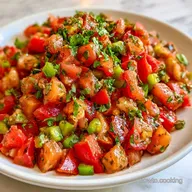
pizza saucePrecise acid makes this fresh tomato sauce suitable for home canning, while its two hour cook concentrates the sauce before it reaches the jars.
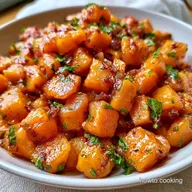
acidified tomato sauceRoasting chars the tomatoes before canning, adding darker edges and concentrated flavor to a meal prep sauce that takes 195 minutes total.
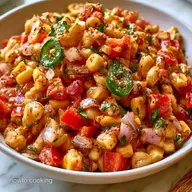
roasted tomato sauceChunky tomato salsa, garden salsa, corn salsa, and apricot salsa bring different colors and textures to the pantry. Roma tomatoes help reduce watery salsa, while fruit based versions lean bright and sweet beside grilled meat or cheese.
Choose a tomato salsa for chips and tacos, or try the corn and apricot versions for a sharper contrast. If you change the balance of tomatoes, peppers, onions, vinegar, or fruit, use a tested canning formula rather than guessing at the water bath time.
Twelve pints turn a chunky salsa into a substantial pantry batch, with a water bath angle for preserving tomatoes, peppers, and onions.
12-pint salsa batchCorn keeps the salsa crisp and sweet in this five pint batch, adding a vegetable forward choice beyond traditional tomato based canning recipes.
five-pint corn salsaApricot, heat, and acidity meet in this 15 minute salsa, a fresh fruit condiment that works especially well beside pork.
fruit salsaRoma tomatoes help this seven to eight pint garden salsa stay chunky, making it a practical water bath option for a large harvest.
chunky garden salsaFruit jams set through cooking, sugar, acid, and sometimes pectin. Apples and cranberries contribute natural structure, while peach jam uses low sugar pectin and strawberry jam relies on a rapid boil for its final thickness.
These jars are for breakfast, baking, and small gifts. If the spoonful stays glossy and loose after cooling, the batch may need a different set method; don't keep boiling blindly, because fruit flavor can turn dull before the texture improves.
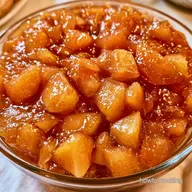
Lemon zest sharpens this apple jam, while the 220°F finish gives it a dense set for toast, pastries, and labeled canning jars.
apple and lemonLow sugar pectin lets the peach flavor stay prominent, giving fruit jam canners an option with a less sugary finish than standard formulas.
low-sugar peach jamA rapid boil thickens this strawberry jam without store-bought pectin, and the six to eight jar yield fits a moderate canning session.
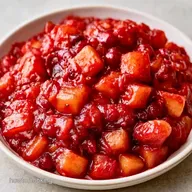
no-pectin strawberry jamCranberry and apple create a tart, naturally structured jam in 50 minutes, with a bright color suited to holiday breakfasts and gifts.
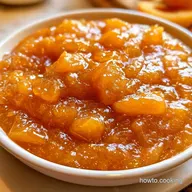
tart fruit jamFresh apricots, lemon juice, and sugar make this 60 minute jam a straightforward water bath project with a bright fruit finish.
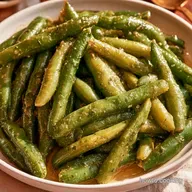
water-bath apricot jamGreen beans are a classic pressure canning project, with raw pack and hot pack approaches producing slightly different jar textures. Seasoned beans add garlic forward flavor, while plain beans are more flexible for later meals.
Pick these recipes when you have a garden surplus or want a ready vegetable side. If beans are packed too tightly, liquid circulation suffers, so leave the stated headspace and follow the pressure and altitude adjustments in the recipe.
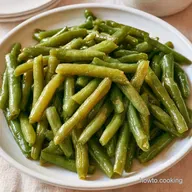
Seven quarts of plain green beans provide a flexible pantry staple, with pressure canning suited to this low acid vegetable.
7-quart bean batchGarlic forward seasoned beans add more flavor than a plain jar, while pressure canning keeps this seven quart vegetable batch shelf ready.
seasoned green beansHot packing keeps this green bean method distinct from raw packing, with a 55 minute process for bright, firm vegetables.
hot-pack methodBeef stew, chili, chicken chili, carrot soup, and asparagus soup bases turn preserved produce into meals rather than condiments. Meat based jars are substantial and savory, while vegetable bases can be finished with fresh ingredients after opening.
Pressure canning is the relevant method here. If a soup contains dairy, flour, noodles, or a thick purée, check the recipe carefully because dense mixtures can heat unevenly and some ingredients are better added when the jar is reheated.
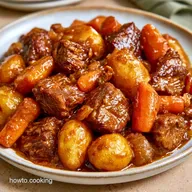
Beef stew takes the collection into full pantry meals, using pressure canning for a two hour batch with meat and vegetables.
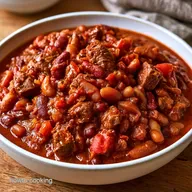
pressure-canned stewBeans, beef, and chili spices make this a complete pressure canned meal, distinct from the vegetable jars and fruit preserves elsewhere here.
chili with meatWhite chicken chili offers a lighter colored alternative to beef chili, with pressure canning directions for pantry ready poultry and bean meals.
chicken chiliCarrot soup belongs in the pressure canning branch because it uses a low acid vegetable, giving the pantry a smooth soup base for later meals.
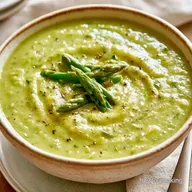
carrot soup baseAsparagus, potato, and leek create a thicker soup base, but dairy concerns make this a recipe to assess carefully before preserving.
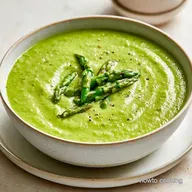
asparagus leek soupThis one hour asparagus soup base separates the vegetable preparation from final serving, so fresh finishing ingredients can be added later.
one-hour soup baseVinegar gives dilly beans, beets, cauliflower, sauerkraut, chow chow, piccalilli, and summer squash their tangy profile. Salt soaks and spiced brines help vegetables keep a firmer bite, while curry, dill, and cider vinegar shift the flavor in distinct directions.
Use these jars beside sandwiches, roasted meats, or a cheese plate. If vegetables sit too long in a weak or diluted brine, they can soften and lose acidity, so measure the pickling liquid instead of adjusting it casually.
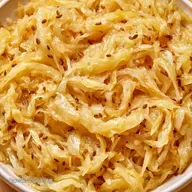
Seven quarts of sauerkraut bring fermented cabbage flavor to a heat bath preservation project, with a sharper profile than ordinary vegetable pickles.
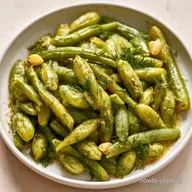
7-quart sauerkrautThese dilly beans take 25 minutes and bring a sharp, savory snap, giving quick pickle fans a smaller project than full pantry batches.
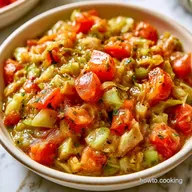
25-minute picklesA salt soak helps this Amish chow chow retain a firm bite, pairing green tomatoes with relish style seasoning for sandwiches and meats.
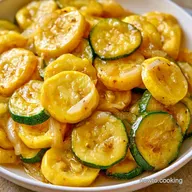
green tomato relishVinegar brine gives six pints of summer squash a tangy preserved profile, offering a canning route for zucchini season produce.
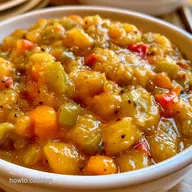
pickled summer squashGreen tomatoes, vinegar, and relish spices form a seven pint piccalilli, giving surplus end of-season produce a tangy preserve.
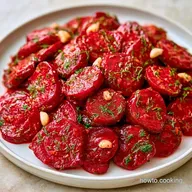
seven-pint piccalilliDill and garlic season these mahogany red beets, creating a vibrant pickled side for salads, sandwiches, or a preserved vegetable plate.
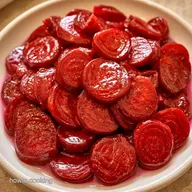
dill beet picklesCider vinegar gives these classic beets a rounded tang, while the 26 hour schedule includes the resting time needed for flavor to develop.
cider vinegar beetsTurmeric and curry spices turn cauliflower into a vivid 20 minute pickle, adding an Indian inspired flavor direction to the vegetable section.
curry-spiced pickleLet sealed jars cool undisturbed, then check the lids and wipe away sticky residue before labeling. Store them in a cool, dark, dry place, and refrigerate any jar that fails to seal. USDA guidance recommends 165°F (74°C) for reheating leftovers such as canned stew or chili.
Bulging lids, spurting liquid, mold, an off smell, or unusual fizz are reasons to discard the food without tasting it. Home canned low acid foods need pressure processing, while pickled foods and opened jars belong in the refrigerator rather than on the shelf.
| # | Recipes | Best For | Time | Difficulty |
|---|---|---|---|---|
| 1 | Tomato Sauce with Roma Tomatoes | fresh pasta sauce | 45 min | Not provided |
| 2 | Tomato Spaghetti Sauce in 50 Minutes | weeknight tomato sauce | 50 min | Not provided |
| 3 | Pizza Recipe Tomato Sauce in 30 Minutes | homemade pizza night | 30 min | Not provided |
| 4 | Tomato Sauce with Fresh Tomatoes | pantry tomato sauce | 2 hr | Not provided |
| 5 | Roasted Tomato Sauce Canning: Meal Prep | roasted tomato flavor | 195 min | Not provided |
| 6 | Salsa Recipe Home Canning for 12 Pints | large-batch salsa | Time varies | Not provided |
| 7 | Corn Salsa Recipe for Canning: 5 Pints | five-pint salsa batch | Time varies | Not provided |
| 8 | Apricot Salsa in 15 Minutes | fruit salsa with pork | 15 min | Easy |
| 9 | Garden Salsa for 7-8 Pints | garden tomato salsa | Time varies | Not provided |
| 10 | Apple Jam with Lemon Zest | apple-forward breakfast jam | Time varies | Easy |
| 11 | Peach Jam with Low-Sugar Pectin | lower-sugar fruit jam | Time varies | Not provided |
| 12 | Strawberry Jam for 6-8 Jars | small-batch berry jam | Time varies | Not provided |
| 13 | Cranberry Apple Jam in 50 Minutes | tart holiday jam | 50 min | Not provided |
| 14 | Apricot Jam: Water Bath Method | water bath fruit jam | 60 min | Not provided |
| 15 | Canning Green Beans for 7 Quart Jars | plain pantry vegetables | Time varies | Not provided |
| 16 | Canning Seasoned Green Beans: 7 Quart Jars | garlic-seasoned vegetables | Time varies | Not provided |
| 17 | Hot Pack Green Beans in 55 Minutes | hot-pack green beans | 55 min | Not provided |
| 18 | Canning Beef Stew for Meal Prep | make-ahead pantry meals | 2 hr | Not provided |
| 19 | Pressure Canned Chili Con Carne | meat-and-bean meal prep | Time varies | Not provided |
| 20 | White Chicken Chili: Pressure Canned | pressure-canned chicken meal | Time varies | Not provided |
| 21 | Canning Carrot Soup for 6-8 Pints | pressure-canned soup base | Time varies | Not provided |
| 22 | Asparagus Potato Leek Soup Meal Prep | asparagus soup preparation | Time varies | Not provided |
| 23 | Canning Asparagus Soup Base in 1 Hour | one-hour soup base | 1 hr | Not provided |
| 24 | Canned Sauerkraut for 7 Quart Jars | tangy cabbage side | 45 min | Not provided |
| 25 | Pickled Dilly Beans in 25 Minutes | quick pickled beans | 25 min | Not provided |
| 26 | Amish Chow Chow with Green Tomatoes | green tomato relish | Time varies | Not provided |
| 27 | Canned Summer Squash for 6 Pint Jars | preserving summer squash | 35 min | Not provided |
| 28 | Green Tomato Piccalilli for 7 Pints | tangy green tomato relish | Time varies | Not provided |
| 29 | Dill Pickled Beets for 6 Servings | dill-seasoned beet side | Time varies | Not provided |
| 30 | Pickled Beets with Cider Vinegar | cider vinegar pickles | 26 hr | Easy |
| 31 | Pickled Cauliflower with Curry Spices: 20 Min | spiced vegetable pickles | 20 min | Not provided |
Discover more curated recipe collections
Explore more recipe collections →