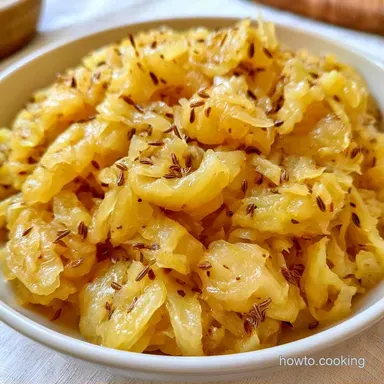
Canning Sauerkraut with Caraway Seeds
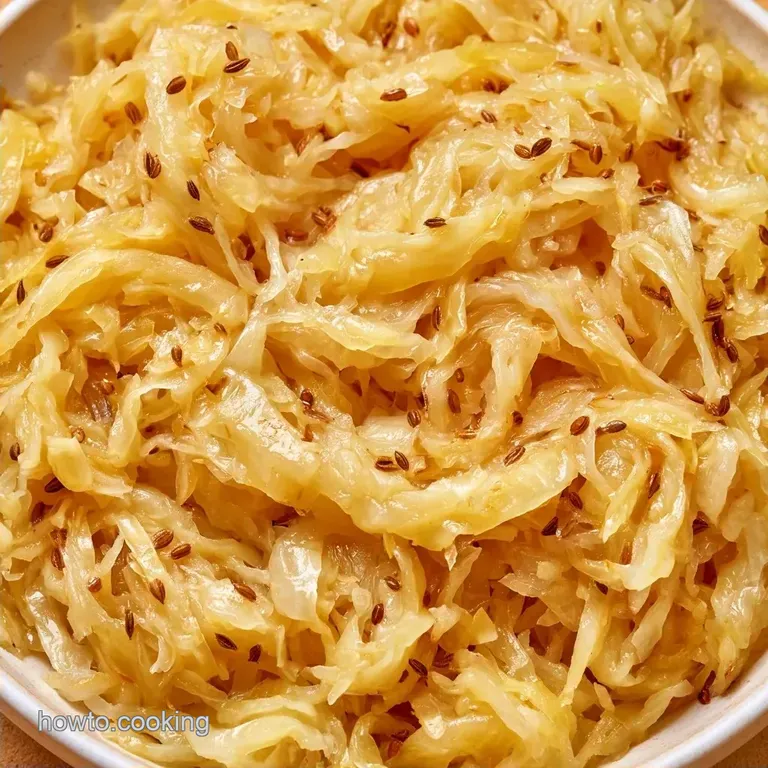
- Time: 30 min active + 2-4 weeks fermenting
- Flavor/Texture Hook: Tangy, sharp, and crisp
- Perfect for: Pantry stocking and winter meal prep
The smell of salted cabbage always takes me back to my grandmother's kitchen in late October. I can still hear the rhythmic thwack of her knife and see her massaging huge piles of cabbage in a ceramic bowl until her arms were tired. She didn't use a fancy scale, just her intuition and a lot of salt.
We're making Canned Sauerkraut today because it's the best way to capture that Old World flavor in a way that lasts. This isn't just about pickling, it's about letting the cabbage transform itself through fermentation.
You'll get a preserve that stays crunchy and sharp. It's the kind of side dish that makes a simple sausage or a piece of roast pork feel like a full meal.
Easy Homemade Canned Sauerkraut
The trick here is the salt to cabbage ratio. Salt draws out water through osmosis, which creates a concentrated brine that keeps the cabbage cellular structure intact.
- Non Iodized Salt: Iodized salt can make the brine cloudy and off color. Canning salt keeps the liquid clear.
- Tight Packing: Pressing the cabbage down removes air pockets. This prevents aerobic bacteria from spoiling the batch.
| Ferment Type | Texture | Tang Level | Shelf Life |
|---|---|---|---|
| Fresh Ferment | Very Crisp | Gradually Increases | 6 Months (Fridge) |
| Canned Shortcut | Crisp/Tender | Consistent/Sharp | 1-2 Years (Pantry) |
Recipe Specs
For this batch, you'll need a bit of elbow grease for the massaging phase. The active work is quick, but the patience happens during the fermentation weeks.
- For extra tang: ferment 4 weeks instead of 2.
- For a crunchier bite: reduce the water bath time to exactly 15 minutes.
- For a softer texture: massage the cabbage for the full 10 minutes.
Gathering Your Essentials
Canned Sauerkraut requires specific ingredients to ensure the pH stays low enough for safe canning. Don't swap the salt for table salt, as the additives will mess with the fermentation.
| Component | Purpose | Substitute Notes |
|---|---|---|
| Green Cabbage | Main bulk and sugar source | Red cabbage: Works, but turns pink/purple |
| Canning Salt | Draws out moisture | Kosher salt: OK if non iodized |
| Caraway Seeds | Earthy, traditional flavor | Celery seed: Similar profile, less anise |
| White Vinegar | Acid boost for stability | Apple cider vinegar: Milder, fruitier taste |
The Ingredient List 10 lbs green cabbage, shredded Why this? Dense heads provide more crunch 1/2 cup canning and pickling salt Why this? No additives to cloud the brine 2 tbsp caraway seeds Why this? Traditional
Savory aromatic 2 cups water Why this? Ensures enough liquid for coverage 1/4 cup white distilled vinegar Why this? Consistent acidity for safety
The Tool Kit
No specialized equipment is required, provided your tools are non-reactive. Steer clear of aluminum bowls, as the acidity and salt can impart a metallic taste to the dish.
- Large glass or stainless steel bowl
- Sharp chef's knife or mandoline
- 7 quart sized Mason jars
- Fermentation weights (glass or ceramic)
- Water bath canner (or a very deep stockpot)
Step-by-step Instructions
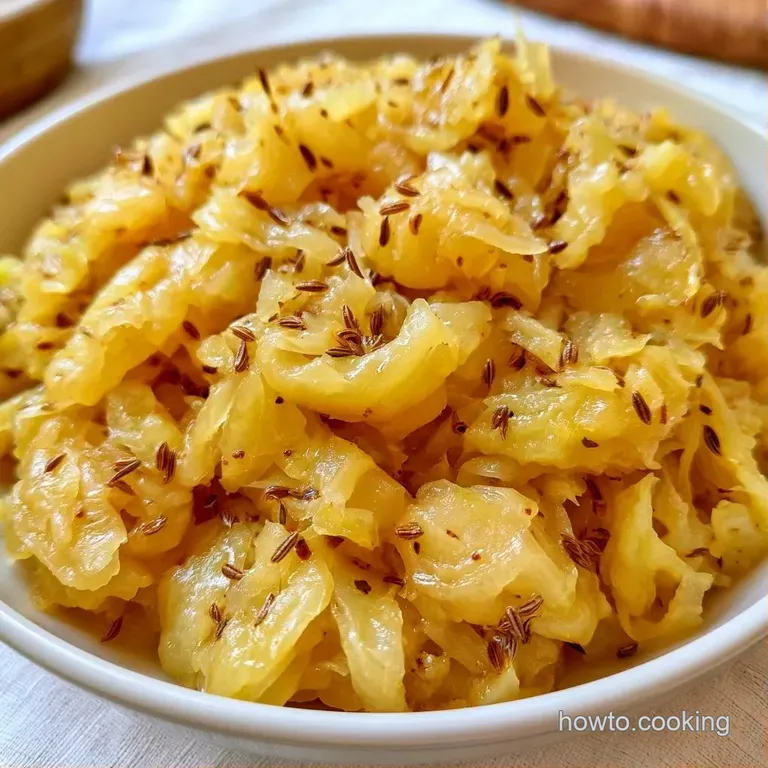
Phase 1: Preparing and Fermenting
- Peel off the outer cabbage leaves, saving one large leaf. Core the head and slice the cabbage into thin shreds.
- Transfer the shredded cabbage to a large bowl and sprinkle with canning salt.
- Squeeze and massage the cabbage firmly for 5-10 minutes until the leaves wilt and a pool of brine accumulates. This process is essential for achieving the proper texture.
- Mix in the caraway seeds.
- Press the cabbage tightly into clean quart jars, ensuring all air pockets are removed.
- Top with the remaining brine until the cabbage is fully submerged.
- Lay the saved cabbage leaf on top and hold it down with a fermentation weight.
- Close the jars with a loose lid and store them in a dark area for 2 to 4 weeks.
Phase 2: Water Bath Canning
- Take out the fermentation weights and the top leaf.
- Transfer the fermented Canned Sauerkraut into sterilized jars, leaving a 1/2 inch headspace.
- Process the jars in a water bath canner for 15 minutes until the timer signals and the jars are hot.
Pro Tips & Pitfalls
Canned Sauerkraut can sometimes act up if the temperature or salt levels are off. If you see a thin white film on top, don't panic. That's usually Kahm yeast, which is harmless. Just skim it off with a clean spoon.
Fixing Mushy Cabbage
Mushiness happens when the salt is too low or the fermentation temperature is too high. Serious Eats' testing suggests that maintaining a cool environment prevents the cell walls from breaking down too quickly.
Handling White Film
Kahm yeast looks like a dusty white layer. It doesn't smell bad, but it can affect the taste if it gets too thick.
Avoiding Flat Flavor
If the result tastes bland, it usually means the fermentation was stopped too early. Wait for a sharp, vinegary scent before canning.
| Problem | Fix |
|---|---|
| Mushy texture | Lower ferment temp / increase salt |
| White film on top | Skim off with a clean spoon |
| Bland flavor | Ferment 1 extra week |
Serving Your Brine
This is a versatile side. I love it piled high on a plate of kielbasa or mixed into a warm potato salad. For a fresh twist, try it as a topping for a Reuben sandwich with melted Swiss cheese.
If you're looking for other pantry staples to go with your preserves, a homemade tomato sauce is a great next project. Both provide that long term storage convenience.
Storage & Zero Waste
Keep your Canned Sauerkraut in a cool, dark pantry. Once you pop the seal, move the jar to the fridge. It stays fresh for about 3-4 weeks after opening.
Don't toss the leftover brine from the bottom of the jar. It's full of flavor and can be used to quick pickle sliced cucumbers or carrots. You can even add a splash to a Dutch oven sauce to add a surprising acidic punch to a heavy meat dish.
Make It Your Own
You can easily tweak the flavor profile of Canned Sauerkraut variations to suit your mood.
- For a spicy kick: Add 1 tsp of red pepper flakes or sliced habaneros during the packing stage.
- For a sweet note: Stir in 1 shredded apple or a handful of dried cranberries.
- For a herbal twist: Use fresh dill sprigs instead of caraway seeds.
According to USDA FoodData Central, cabbage is a great source of vitamin C and K, so keeping these jars in your pantry is a nutritious move for the winter months. Trust me on this, having a jar of homemade preserves ready to go makes weeknight dinners feel much more wholesome.
High in Sodium
1053 mg 1053 mg of sodium per serving (46% 46% of daily value)
The American Heart Association recommends a daily limit of 2,300mg of sodium to maintain heart health.
Tips to Reduce Sodium
-
Reduce Canning Salt-30%
Significantly decrease the amount of canning and pickling salt used in the recipe to lower the primary sodium source.
-
Use Salt Alternatives-20%
Substitute a portion of the salt with a low-sodium salt alternative or potassium based salt, ensuring it remains compatible with the fermentation process.
-
Increase Cabbage Volume-15%
Increase the amount of shredded cabbage while keeping the salt constant to dilute the sodium concentration per serving.
-
Enhance with Spices
Add more caraway seeds, peppercorns, or juniper berries to amplify the flavor and compensate for the reduction in salt.
Recipe FAQs
How do I can sauerkraut at home?
Process the fermented jars in a water bath canner for 15 minutes. This step stops the fermentation and ensures the jars are shelf stable for long term storage.
Can fermented sauerkraut be canned?
Yes, you can can it to stop the active fermentation process. This preserves the flavor and allows you to store the jars in a cool, dark pantry.
What is the required water bath timing?
Process the jars for 15 minutes. This specific duration is necessary to achieve a secure seal and ensure food safety.
Is it true that vinegar is not used in fermented sauerkraut?
Not true. Adding a small amount of white distilled vinegar helps maintain safety and consistency during the canning process.
Why is my cabbage not releasing enough brine?
Massage the shredded cabbage more vigorously for 5 to 10 minutes. This action helps the salt break down the cell walls to release the natural juices.
Which dishes pair well with this?
Serve this as a tangy side for heavy, savory meals. It provides a perfect acidic balance to homemade sloppy joes.
Canned Sauerkraut Recipe