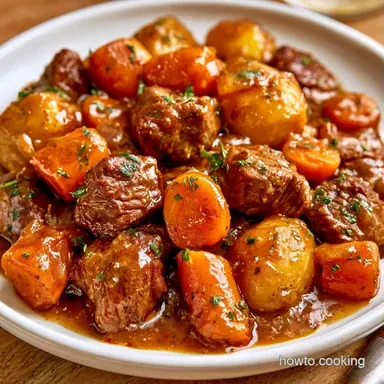
Canning Beef Stew in 2 Hours
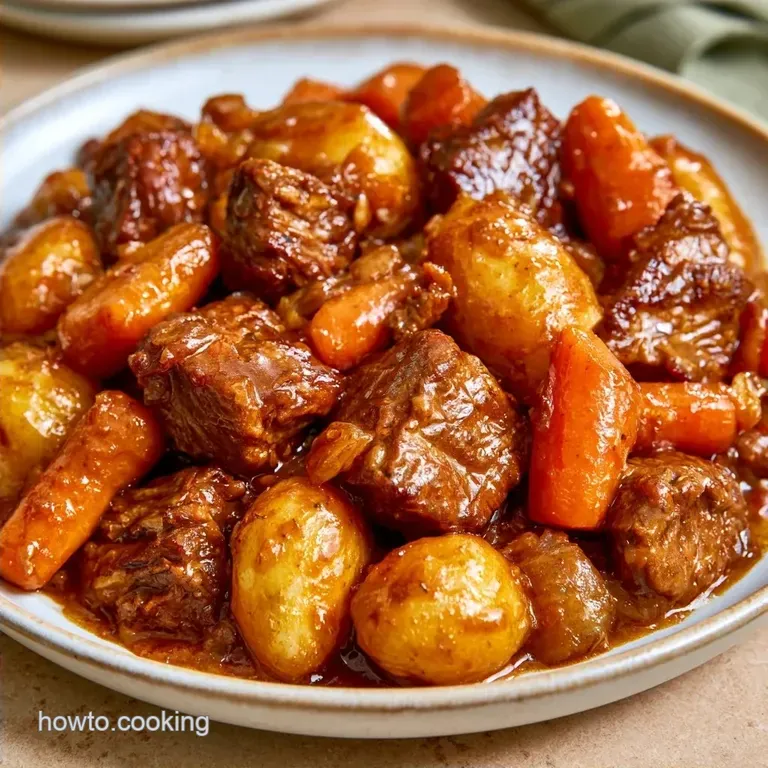
- Time: 30 min active + 90 min processing
- Flavor/Texture Hook: Hearty, beefy broth with tender chunks
- Perfect for: Winter meal prep, budget-friendly pantry stocking
The smell of beef broth and bay leaves fills the kitchen, but usually, it takes hours of simmering before you can even think about the jars. Forget everything you know about spending a whole Saturday pre cooking stews on the stove. You don't need to brown the meat or soften the carrots before they go into the canner.
I used to think pre cooking was the only way to get a deep flavor. But honestly, the pressure canner does all the heavy lifting. It cooks the beef and vegetables right in the jar, which keeps the flavors locked in and saves you a massive amount of cleanup.
This method for Canning Beef Stew is all about efficiency. We're using a raw pack approach, meaning everything goes in uncooked. You'll end up with a pantry full of comforting meals that only need a quick heat up when you're exhausted after work.
Quick Recipe Specs
This approach focuses on using a budget friendly cut of meat that yields high results. Since we aren't pre searing, we rely on the pressure canner's high heat to develop the savory notes.
- Prep time:30 minutes
- Cook time:90 minutes
- Total time:120 minutes
- Yield: 7 quarts
How the Pressure Works
You might wonder why raw meat works here. The pressure canner reaches temperatures far above boiling, which is what actually cooks the food and kills bacteria.
- High Pressure: The canner reaches temperatures that break down tough meat fibers quickly.
- Raw Pack: Putting uncooked meat in jars prevents overcooking and saves hours of stovetop time.
If you've ever made a Slow Cooked Beef Bourguignon, you know that time and heat are what make beef tender. The canner just does it faster and makes it shelf stable. The collagen in the chuck transforms into a silky liquid that naturally thickens the broth.
Essential Stew Ingredients
Since we're canning for the long term, keep your seasonings simple. Complex herbs can sometimes change flavor or lose their punch during the 90 minute processing window.
| Ingredient | What It Does | Best Swap |
|---|---|---|
| Beef Chuck | Provides rich flavor and fat | Beef roast (trimmed) |
| Potatoes | Thickens broth and adds bulk | Parsnips (slightly sweeter) |
| Beef Broth | Liquid base for cooking | Water + beef base |
| Sea Salt | Preserves and enhances taste | Kosher salt |
Right then, let's look at the full list. Make sure your beef is cut into consistent 1 inch cubes. If some are huge and some are tiny, they won't cook evenly.
- 4 lbs beef chuck, trimmed and cut into 1 inch cubes
- 3 lbs potatoes, peeled and cubed Why this? Starch helps thicken the broth naturally
- 1 lb carrots, peeled and sliced into thick rounds
- 1 lb onions, coarsely chopped
- 0.5 lb celery, sliced
- 6 cups beef broth, low sodium Why this? Avoids over salting after the liquid reduces
- 2 tbsp sea salt
- 1 tbsp cracked black peppercorns
- 7 bay leaves
- 1 tsp garlic powder
Necessary Canning Gear
You cannot use a water bath for this. Because beef is low acid, you must use a pressure canner to ensure the food is safe to eat from the shelf.
I recommend a heavy duty canner like a Presto or Ball. You'll also need 7 quart sized jars with new lids and rings. A bubble remover tool is handy, but a plastic spatula works just as well.
Before we move to the steps, look at how this compares to making a fresh pot.
| Feature | Fresh Stew | Raw Pack Canning |
|---|---|---|
| Prep Effort | Low per batch | High once, then zero |
| Energy Cost | High every meal | Low per serving |
| Storage | 3-4 days (fridge) | 1-2 years (pantry) |
Putting it Together
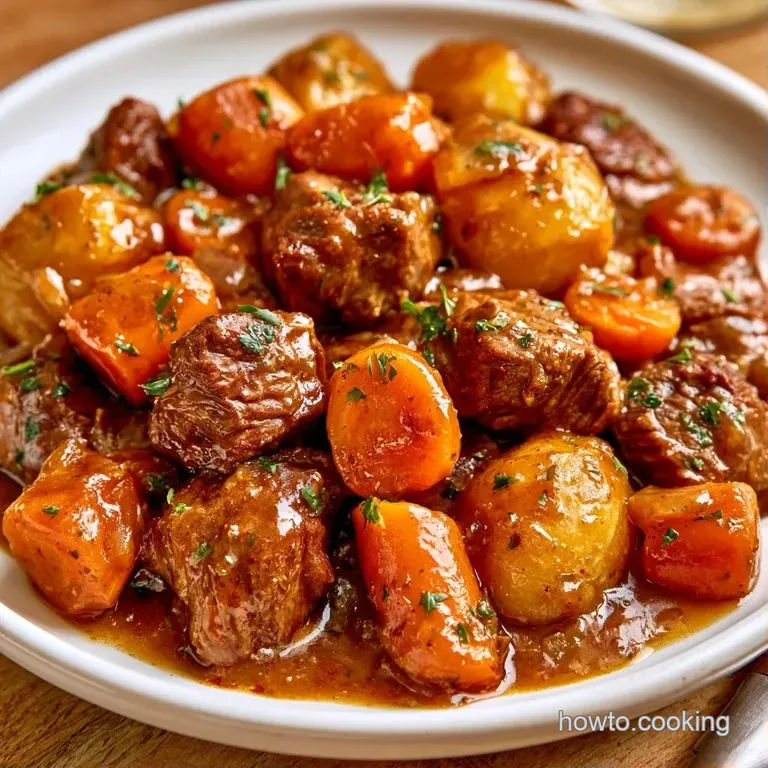
Let's get started. Uniformity is key here. Ensuring each jar contains the same proportion of meat and vegetables guarantees that everything processes evenly.
- Rinse and dice your vegetables to a uniform size, and cut the beef into consistent 1 inch cubes.
- Divide the raw beef cubes equally between 7 quart sized canning jars. Note: Avoid packing them too tightly
- Layer the diced onions, celery, carrots, and potatoes over the beef in each jar.
- Place one bay leaf and a portion of the salt, pepper, and garlic powder into every jar.
- Fill with beef broth, maintaining a precise 1 inch headspace at the top of each jar.
- Use a clean, damp cloth to wipe the rims, center the lids, and tighten the rings until fingertip tight.
- Set the jars in a pressure canner and process at 11 lbs of pressure for 90 minutes. until the timer hits zero and the gauge is steady
- Let the pressure canner cool and depressurize naturally before taking the jars out. Note: Forcing a quick cool down can lead to siphoning
A quick tip: never skip wiping the rims. Even a tiny bit of salt or a stray piece of carrot can prevent a proper seal, risking the entire batch.
Solving Common Issues
Canning beef stew can feel intimidating, but most issues are easy to fix if you know what to look for.
Fixing Floating Veggies
If your carrots and potatoes are floating at the top, it's usually because of trapped air. Use a plastic spatula to gently poke the ingredients and release air bubbles before you put the lid on. This ensures the liquid covers everything.
Avoiding Mushy Potatoes
The trick is the cut. If you cube your potatoes too small, they'll disintegrate during the 90 minutes of high pressure. Keep them in chunky, 1 inch pieces. This gives them the structure to survive the process.
Handling Failed Seals
If a lid doesn't pop after cooling, don't panic. Put that jar in the fridge and eat it within a few days. If you notice this happening often, check that your lids are new and that you aren't over tightening the rings.
Managing Heat Flow
If the meat in the center of the jar feels undercooked (rarely happens with 90 mins), it means your jars were packed too densely. Next time, leave a bit more room for the broth to circulate.
Swapping Stew Ingredients
Feel free to customize this recipe for your budget or dietary preferences. Because we are canning beef stew, the priority is keeping the balance of liquids and solids.
- Low Sodium Version: Opt for a "no salt added" broth and cut the sea salt to 1 tbsp.
- Paleo Friendly: This dish is nearly Paleo as is. Just use a homemade bone broth free of additives.
- Hearty Base: Stir in some pearl onions or parsnips for a profile that is sweeter and earthier.
If you want another beef dish, my Beef and Rotini is a fantastic fast track meal for when you can't wait to open a can.
Decision Shortcut: Extra thick? → add 1 tbsp cornstarch to broth. More heat? → add 1/2 tsp red pepper flakes. Veggie forward? → double the carrots.
Shelf Storage Tips
Store your jars in a cool, dark place like a basement or a pantry. If kept away from direct sunlight and heat, they'll stay good for 1-2 years. When you're ready to eat, just pour the contents into a pot and simmer for 10 minutes.
To avoid waste, save your beef trimmings from the prep phase. Toss them in a freezer bag and use them to make a rich stock for other recipes.
Best Side Dishes
While this stew is satisfying on its own, a few side additions can transform it into a true banquet. A thick, buttered slice of sourdough is the traditional choice for mopping up every drop of the rich broth.
To add more nutritional value, serve the meal over a portion of Cooked Farro. The nutty chew of the grain provides a wonderful contrast to the tender beef and soft potatoes.
Preserving Beef Stew in jars requires some effort upfront, but the reward lasts for months. Keeping a stock in your pantry is like a cozy gift to your future self on a gloomy Tuesday. Just ensure your beef is cut into uniform pieces and your jar rims are wiped clean for a successful seal.
Recipe FAQs
Can you water bath can beef stew?
No, a pressure canner is mandatory. Water baths don't reach the temperatures necessary to kill botulism spores in low-acid foods like beef.
Is it safe to can raw meat in mason jars?
Yes, that's the raw pack method. It's a fantastic way to stock up on cozy meals, similar to our Cowboy Chili.
Do the Amish use water bath canning for meat?
That's a myth. No matter the tradition, meat always requires the intense heat of a pressure canner to be shelf stable and safe.
How to pressure can raw pack beef stew?
Process at 11 lbs of pressure for 90 minutes. Just make sure you leave exactly 1 inch of headspace at the top of the jars before sealing.
Canning Beef Stew