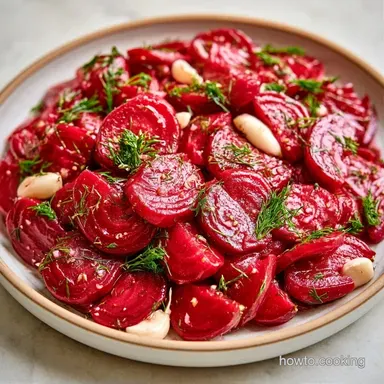
Old Fashioned Garlic Dill Pickled Beets
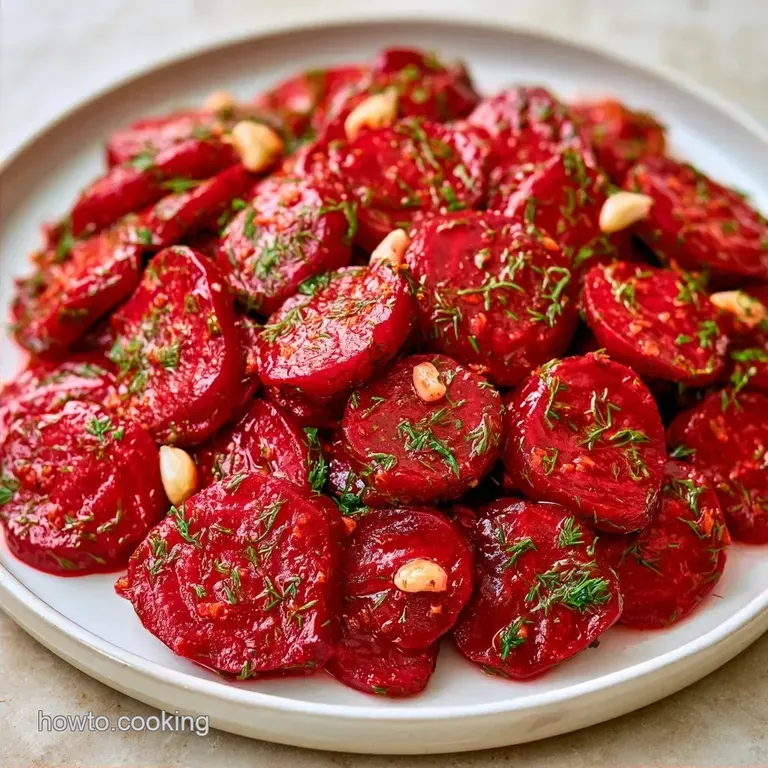
- Time: 15 min active + 1 hour 30 mins cooking + 24 hours chilling
- Flavor/Texture Hook: Zesty, snap tender, and mahogany red
- Perfect for: Holiday platters or meal prep sides
Easy Garlic Dill Pickled Beets
That smell of roasting beets fills the whole house, like a damp forest floor mixed with something sweet. I remember making these for a family brunch a few years back, but I overdid the sugar. They tasted more like candy than a preserve, and my uncle actually made a face.
I realized then that the earthiness of the beet is what we actually want.
Since then, I've shifted toward a punchier, garlic heavy brine. This version of Dill Pickled Beets hits that sharp, acidic note that cuts right through the richness of other party foods. It's a simple process, but it takes patience because you can't just eat them immediately.
The result is a deep, mahogany colored slice that snaps when you bite it. Trust me on the 24 hour wait. The brine needs that time to move from the outside of the beet into the center, otherwise, you're just eating a vinegar coated vegetable.
Why the Texture Works
Foil Roasting: Trapping the beets in foil creates a steam chamber that cooks them evenly without leaching out the color. This keeps them dense and gives them a velvety feel.
Vinegar Balance: Mixing apple cider vinegar with water prevents the acid from "cooking" the beets into mush. It maintains the snap while delivering a bright tang.
Pantry Staples You'll Need
Avocado oil is used for the beets because it remains stable at 400°F without smoking. Adding salt during the roasting process is key to bringing out the vegetables' natural sugars.
The brine gets its fruity character from apple cider vinegar. A small amount of honey balances the acidity without turning the dish into a dessert. Fresh dill is essential here; dried versions often taste flat, whereas fresh sprigs provide a vibrant, grassy punch.
Ingredients
- 2 lbs medium red beets, scrubbed Why this? Uniform size ensures they cook evenly
- 1 tbsp avocado oil Why this? Stable at high roasting temperatures
- 1/2 tsp sea salt Why this? Highlights the beets' innate sweetness
- 1 cup apple cider vinegar Why this? More depth and milder than white vinegar
- 1/2 cup filtered water Why this? Tempers the acidity for a smoother taste
- 2 tbsp honey Why this? Offsets the sharpness of the vinegar
- 1 tbsp coarse sea salt Why this? Vital for the pickling process
- 4 cloves garlic, smashed Why this? Smashing releases more aromatic oils than slicing
- 1/4 cup fresh dill, roughly chopped Why this? The core flavor profile
- 1 tsp whole black peppercorns Why this? Adds a touch of woody warmth
Substitutions
| Original Ingredient | Substitute | Why It Works |
|---|---|---|
| Apple Cider Vinegar | White Wine Vinegar | Comparable acidity. Note: Slightly more pungent |
| Honey | Maple Syrup | Similar consistency. Note: Adds a woody, autumnal note |
| Avocado Oil | Grapeseed Oil | Heat stable. Note: Neutral flavor |
Basic Tool List
Standard kitchen equipment is all that's required. A basic baking sheet and some aluminum foil will handle the main work, while a small saucepan is sufficient for the brine.
The jars are the most critical component. Use sterilized, pint sized mason jars. If you opt for recycled jam jars, scrub them thoroughly to ensure the brine doesn't pick up any leftover strawberry flavor.
The step by step Process
Roast the beets
- Preheat the oven to 400°F (200°C). Arrange cleaned beets on a baking sheet, drizzle with oil, and season with 1/2 tsp salt.
- Wrap the beets securely in a foil packet. Roast for 60–90 minutes until a knife slides into the center without resistance. Note: Larger beets may require the full 90 minutes.
- Let the beets cool for 10 minutes. Use a paper towel to rub off the skins, then cut them into 1/2 inch rounds.
Create the brine
- In a saucepan over medium heat, combine the apple cider vinegar, water, honey, and 1 tbsp sea salt.
- Simmer the mixture until the honey and salt have completely dissolved.
- Take the pan off the heat and stir in the smashed garlic and black peppercorns. Let the flavors infuse for 5 minutes.
Jar and cure
- Distribute the beet slices and fresh dill evenly among three sterilized pint mason jars.
- Pour the hot brine over the beets until they are fully submerged. Tap the jars to release any air bubbles and seal tightly.
- Once cooled to room temperature, refrigerate for at least 24 hours.
Chef's Note: If you're in a hurry, you can use a small handheld blender to emulsify the honey into the vinegar before heating, but the simmering process usually works well.
Fixing Common Texture Issues
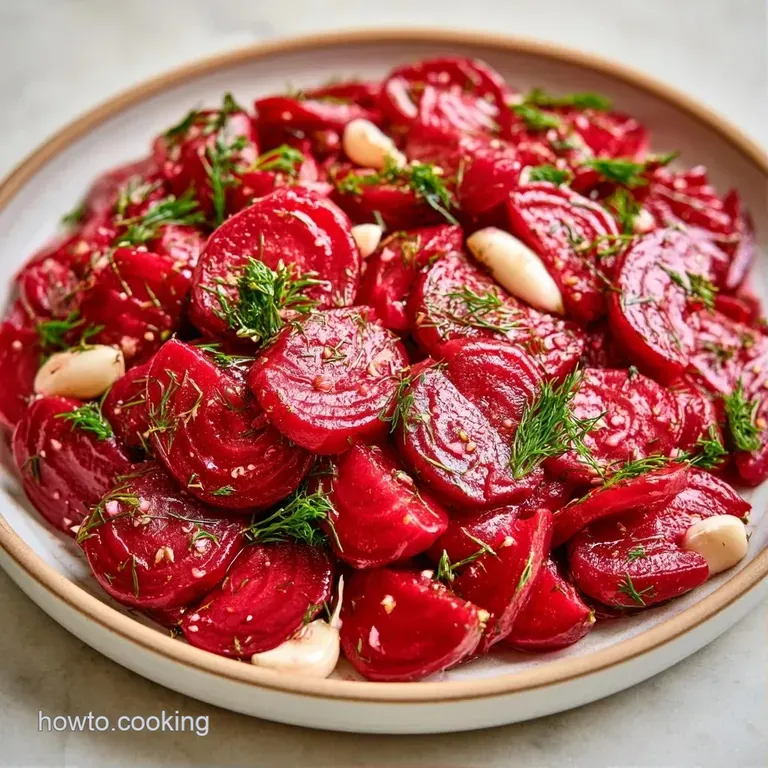
When the beets come out too soft, it's usually because the oven was too hot or they stayed in too long. You want them tender, but they should still have a slight "give" to them.
If the brine looks cloudy, it's usually just the garlic or the honey reacting with the vinegar. It doesn't affect the taste, but it can look odd in the jar.
Too Soft Beets
Check your oven temp. If the beets feel like mush, reduce roast time by 10 minutes next time.
Cloudy Brine
This is usually harmless. Stirring the brine more thoroughly while simmering helps the honey integrate.
Bland Flavor
This happens if the brine is too diluted. Ensure you're using a full cup of vinegar.
| Problem | Fix |
|---|---|
| Mushy Texture | Pull beets at 60 mins and test with a knife |
| Dull Color | Ensure foil packet is sealed tight to trap steam |
| Weak Tang | Increase vinegar by 2 tbsp |
Twists and Ingredient Swaps
If you want a different profile, you can easily tweak the aromatics. For Garlic Dill Pickled Beets, adding a pinch of red pepper flakes gives it a slow burn that's really satisfying.
For those who want a No Sugar Dill Pickled Beets version, just skip the honey. The beets have enough natural sugar to carry the dish, though the flavor will be significantly more aggressive.
If you love root veg, try this warm potato salad as a side. It balances the acidity of the pickles. These also pair great with my classic deviled eggs.
Decision Shortcut More heat? → Add 1/2 tsp crushed red pepper Extra punch? → Double the garlic cloves Brighter look? → Add 1 tsp lemon zest to the jars
Adjusting the Batch Size
Scaling Down (1/2 batch): Use a smaller baking pan. Reduce roasting time by about 15% since the pan isn't as crowded. Beat one egg if you're adding a binder to a salad version, then use half.
Scaling Up (2x-4x): Don't double the salt and spices. Use 1.5x the salt and peppercorns to avoid overpowering the beets. Work in batches when jarring so the brine stays hot enough to sterilize.
| Method | Oven Roast | Stovetop Boil |
|---|---|---|
| Flavor | Concentrated | Diluted |
| Texture | Dense/Snap | Softer/Watery |
| Effort | Set and forget | Requires watching |
Fridge Storage and Waste
Keep your Dill Pickled Beets in the refrigerator. They'll stay crisp and vibrant for up to 3 weeks. Keep the beets fully submerged in the liquid to prevent spoilage.
Don't throw away the beet greens if you bought them with the stems. Sauté them with a bit of garlic and olive oil they taste like a cross between spinach and chard. The leftover brine is actually great for marinating chicken or adding to a vinaigrette.
Freezing and Reheating
Do not freeze pickled beets. The freezing process breaks the cell walls of the vegetable, and when they thaw, they'll turn into a soggy mess. Reheating isn't necessary, but if you want them warm, a quick 2 minute sauté in a pan works.
Serving and Plating Ideas
These look stunning on a white platter. Slice them into rounds and layer them with thin rings of red onion and a sprinkle of extra fresh dill.
For a more modern approach, chop the Dill Pickled Beets and fold them into a goat cheese mousse. The sharpness of the beets cuts through the creamy cheese.
Appetizer Style
Serve a single slice on a toasted baguette round with a smear of cream cheese. It's a classic combo that never fails.
Salad Integration
Toss the beets with arugula, feta, and toasted walnuts. The vinegar from the brine acts as a built in dressing, so you only need a drizzle of olive oil.
Kitchen Myths
Myth: You have to peel beets before roasting. Truth: If you peel first, the juices leak out and the flavor vanishes. Roast them whole in the skin, then rub the skins off after they've cooled.
Myth: Pickling requires a professional canning kit. Truth: For "refrigerator pickles," all you need are clean jars. You only need the heavy duty kits if you're doing long term water bath canning.
Myth: Beets must be boiled to be tender. Truth: Roasting at 400°F concentrates the flavor. Boiling often makes them waterlogged and bland.
Critical Sodium Level
1161 mg 1161 mg of sodium per serving (50% 50% of daily value)
The American Heart Association recommends a daily sodium limit of no more than 2,300 mg for most adults to maintain heart health.
Tips to Reduce Sodium in Your Pickled Beets
-
Slash Pickling Salt-30%
Reduce the 1 tbsp coarse sea salt by half or use a low-sodium pickling alternative to significantly drop the overall sodium content.
-
Minimize Prep Salt-25%
Eliminate or reduce the 1/2 tsp sea salt used for roasting; the brining process provides ample salinity later.
-
Boost Acidity-15%
Increase the apple cider vinegar or add a squeeze of fresh lemon juice to mimic the sharp taste of salt through acidity.
-
Enhance Aromatics
Double the fresh dill and smashed garlic to create a more robust flavor profile that makes the reduction in salt less noticeable.
Recipe FAQs
Which vinegar works best for these beets?
Apple cider vinegar provides the ideal balance of tang and sweetness.
Tip: Use filtered water in the brine to ensure a clean, crisp taste.
Is it true that you must boil beets before pickling them?
No, this is a common misconception. Roasting them in foil at 400°F keeps the flavor concentrated.
Tip: Rub the skins off with a paper towel while they are still slightly warm.
How to properly jar these pickled beets?
Fill sterilized pint jars with sliced beets and fresh dill, then pour over the hot brine.
Tip: Tap jars on the counter to remove air bubbles before sealing tightly.
What side dishes pair well with these beets?
These tangy beets complement creamy sides like a classic potato salad.
Tip: Serve these as part of a holiday platter for a bright, acidic contrast.
Dill Pickled Beets