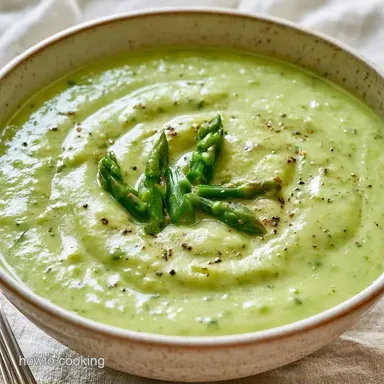
Garden Fresh Canning Asparagus Potato Leek Soup
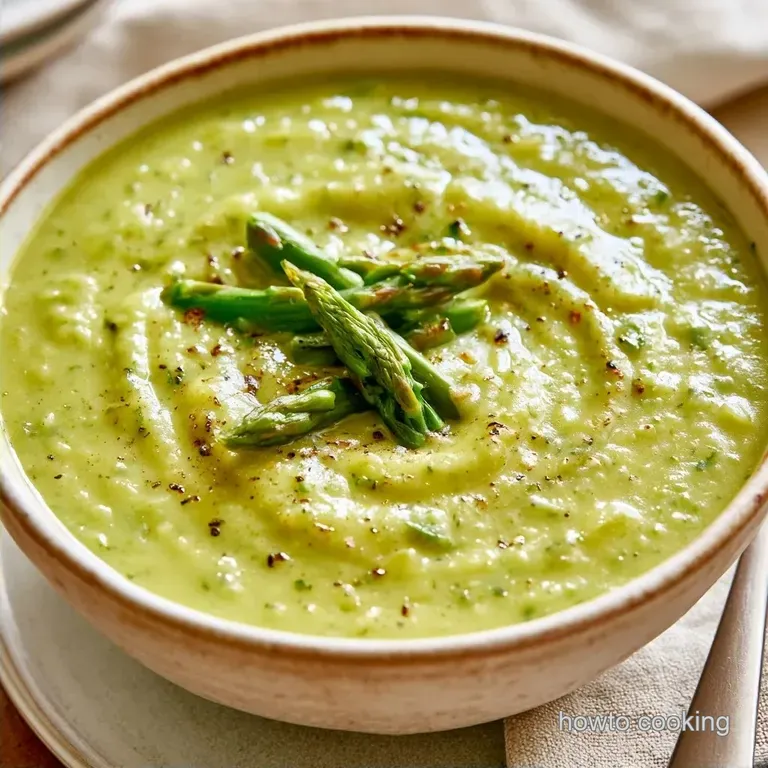
- Time: 20 min active + 45 min cooking (plus processing time)
- Flavor/Texture Hook: Velvety, buttery, and garden fresh
- Perfect for: budget-friendly meal prep and winter comfort
There is something about a leek and potato soup that feels like a hug from a French grandmother. It's the ancestor of the chilled Vichyssoise, but when you add asparagus, it turns into a celebration of the garden. Growing up, these early spring vegetables were a signal that the bleakness of winter was finally ending.
I used to buy these soups in cans, but they usually tasted like salted cornstarch. Making your own means you control the salt and the freshness. When you preserve it properly, you can open a jar in November and suddenly it's April again.
We're going to focus on Canning Asparagus Potato Leek Soup using a pressure canner. Because we're using low acid vegetables, you can't just use a water bath. We'll keep the colors bright and the texture rich by timing the greens just right.
Simple Recipe Specs
This recipe is designed for those who want high-quality results without spending a fortune on luxury ingredients. We use basic root vegetables and seasonal greens. It's a budget friendly way to fill your pantry.
The process takes about 1 hour 45 mins from start to finish, not including the time the canner spends under pressure. You'll end up with six pint jars that stay shelf stable for a year.
For the best results, use Yukon Gold potatoes. They have a naturally buttery flavor and the right amount of starch to thicken the soup without turning it into a gluey paste.
What You'll Need
First, let's break down how each component contributes to the final soup.
| Ingredient | Role | If You Don't Have It |
|---|---|---|
| Yukon Gold Potatoes | Natural Thickener | Russets (will be grainier) |
| Leeks | Aromatic Base | White parts of green onions |
| Fresh Asparagus | Primary Flavor | Frozen asparagus (texture changes) |
| Lemon Juice | Color & Safety | White wine vinegar |
Now, here is your complete list of ingredients. Be sure to wash your leeks thoroughly, as they tend to trap grit.
- 150g leeks (white and light green parts only), sliced Why this? Offers a subtle, onion like sweetness
- 42g unsalted butter Why this? Adds richness and helps soften the leeks
- 900g Yukon Gold potatoes, peeled and cubed Why this? Natural starch creates a creamy consistency
- 450g fresh asparagus, trimmed and sliced into 1 inch pieces Why this? Provides a fresh, earthy spring taste
- 60g fresh baby spinach Why this? Boosts the vibrant green color
- 1.4L low sodium vegetable broth Why this? A liquid base that helps manage salt levels
- 15ml lemon juice Why this? Brightens the taste and stops browning
- 6g sea salt
- 1g cracked black pepper
To stock your pantry with more staples, you might enjoy Roasted Tomato Sauce Canning, which uses a similar preservation method.
Essential Tools
You can't skip the pressure canner here. Since potatoes and leeks are low acid, a water bath won't reach the temperature needed to kill botulism spores. USDA guidance emphasizes that pressure canning is the only safe method for these vegetables.
You'll need a set of six pint jars with new lids and rings. I suggest using a wide mouth jar if you have them, as it's much easier to ladle thick soup into them without making a mess.
Finally, grab a bubble remover tool or a plastic spatula. Trapping air in the soup can lead to "siphoning" or unstable seals, so getting those bubbles out is a must.
Key Cooking Steps
Time to start cooking. Follow these directions closely to ensure the soup doesn't turn an olive drab color.
- Clean the leeks thoroughly to get rid of any sand. Sauté sliced leeks in butter over medium heat until fragrant and translucent (8 to 10 minutes). Note: Do not let them brown, or the soup will look muddy.
- Stir in the broth and cubed potatoes. Bring the mixture to a gentle boil, then simmer for 15 minutes.
- Add the lemon juice and sliced asparagus during the last 5 minutes of simmering. Wait for the asparagus to become bright green before removing the pot from the heat.
- Fold in the baby spinach and allow it to wilt for 30 seconds.
- Ladle the soup into sterilized pint jars. Maintain a 1 inch gap from the top.
- Use a bubble remover tool along the inside of the jars to clear out trapped air.
- Wipe the rims with a damp cloth, place the lids on, and tighten the rings to fingertip tight.
- Process the jars in a pressure canner. For most altitudes, this requires 40 minutes at 10-11 lbs pressure.
- Allow the canner to depressurize naturally. Avoid forcing the lid open to prevent the soup from boiling over in the jars.
Fixing Common Problems
When the Color Fades
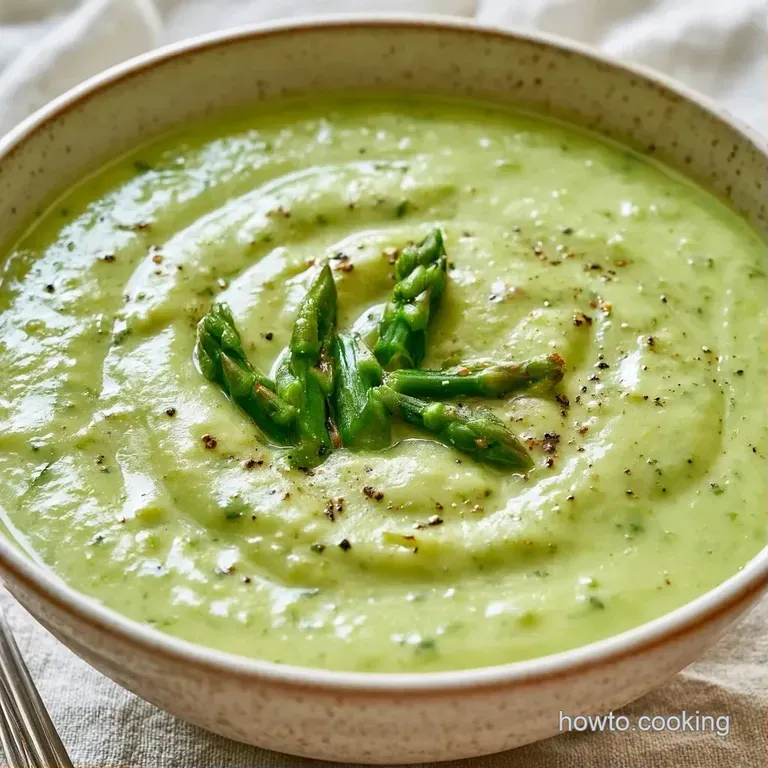
If your soup looks gray or brown, it's usually because the leeks were sautéed too long or the asparagus overcooked. To prevent this, keep the heat medium and add the asparagus only at the very end. If it's already dull, a squeeze of fresh lemon after opening the jar can wake up the flavor.
Fixing Too Thick Soup
Potatoes vary in starch content. If the soup looks like mash before you jar it, stir in a splash more broth. Thick soups can create cold spots during processing, which is a safety risk. It should be pourable, not a thick paste.
Dealing with Seal Failures
If a lid doesn't pop or feels springy after 24 hours, the seal failed. This happens if the rims weren't wiped clean or there was too much air. Put that jar straight in the fridge and eat it within 3 days, or re process it if you're confident the seal was the only issue.
Swaps and Variations
You can tweak this recipe depending on what's in your garden. If you don't have baby spinach, kale works well, though it's heartier. For a different twist, try adding a pinch of nutmeg to the potatoes.
| Original Ingredient | Substitute | Why It Works |
|---|---|---|
| Butter (42g) | Olive Oil (30ml) | Similar fat content. Note: Lacks the buttery richness |
| Vegetable Broth | Chicken Broth | Adds a deeper, savory profile |
| Yukon Gold | Russet Potatoes | Works for thickening. Note: Result is more mealy |
For those who want a different texture, you can blend half the soup before jarring for a smoother finish. However, keeping it chunky makes it feel more like a meal.
- For a creamier taste
- Stir in 30ml of heavy cream after opening and reheating the jar.
- For a brighter zing
- Increase lemon juice to 20ml.
- For a heartier version
- Add 100g of diced carrots during the leek sauté.
Storage and Waste Tips
Keep your jars in a chilled, dim area such as a cellar or larder, where they will remain good for around 12 months. To serve, transfer the soup to a saucepan and warm it over medium heat, stirring every so often.
Save those leek tops instead of discarding them. The dark green portions are too fibrous for this particular soup, but they are ideal for stock. Store them in a freezer bag alongside carrot scraps and onion skins. Once the bag is packed, boil them in water to create a complimentary homemade vegetable base.
If you have woody asparagus ends, don't throw them out. Let them simmer in the broth during the first stage of the recipe and strain them out later; this ensures you extract every bit of flavor from the vegetable.
Great Side Pairings
The soup's deep, earthy profile pairs perfectly with a touch of acidity or some crunch for contrast. Garlic buttered toasted sourdough is a timeless accompaniment.
To make it a fuller dinner, try pairing it with a Warm Potato Salad with Bacon. The savory bacon complements the naturally sweet leeks.
Alternatively, a zesty arugula salad is another great option to brighten up the heavier potato elements. When hosting several guests, a board of crisp apple slices and sharp cheddar provides a wonderful flavor contrast.
Why This Recipe Works
To ensure canned soups don't turn into mush, this recipe utilizes specific chemical properties of the ingredients to maintain texture.
Natural Starch: Yukon Gold potatoes release amylose as they simmer, which creates a rich, creamy consistency without the need for cream, which often separates during the canning process.
PH Balance: A small amount of lemon juice provides a necessary acid boost. While this doesn't turn the soup into a "high acid" food, it prevents oxidation and helps the asparagus retain its bright green color.
For a deeper dive into the nutritional value of these ingredients, you can visit USDA FoodData Central. Pressure canning is far superior to industrial high heat canning when it comes to nutrient preservation.
High in Sodium
840 mg 840 mg of sodium per serving (37% 37% of daily value)
The American Heart Association recommends a daily sodium limit of no more than 2,300 mg for most adults to maintain heart health.
Tips to Reduce Sodium
-
Swap the Broth-30%
Replace the low-sodium vegetable broth with no-salt added vegetable broth or a homemade unsalted stock.
-
Reduce Added Salt-25%
Cut the sea salt in half or eliminate it completely, as the broth already provides a baseline level of salinity.
-
Enhance with Acidity-5%
Increase the amount of fresh lemon juice to brighten the flavors, which tricks the palate into needing less salt.
-
Add Fresh Herbs
Stir in fresh parsley, chives, or thyme at the end of cooking to add depth and aroma without adding sodium.
Recipe FAQs
Is it safe to water bath can asparagus potato leek soup?
No, this is a common misconception.
Tip: Process pints in a pressure canner at 10-11 lbs for 40 minutes to ensure safety.
Do I need to precook asparagus before adding it to the pot?
Surprisingly, no.
Tip: Add sliced asparagus during the final 5 minutes of simmering to maintain a firm texture.
What mistakes cause the soup to lose its bright green color?
Browning typically happens if the vegetables are overcooked or the lemon juice is omitted.
Tip: If you've mastered the seal and headspace process, you can apply those same techniques to our home canning sauce.
Are leeks and asparagus compatible flavors?
Yes, the mild sweetness of leeks balances the earthy notes of asparagus perfectly.
Tip: Sauté leeks in butter until translucent, avoiding deep browning to preserve the delicate taste.
Canning Asparagus Potato Leek Soup