Corn Pudding: the Best Creamy, Old Fashioned Recipe
- Elevating the Classic: The Ultimate Creamy Corn Pudding Recipe
- Essential Components: Ingredients for the Best Creamy Corn Pudding
- The Science of Smooth: Why This Corn Pudding is Pure Custardy Gold
- From Kernel to Comfort: Step-by-Step Corn Pudding Creation
- Troubleshooting Secrets: Chef’s Tips for Flawless Corn Pudding
- Planning Ahead: Storing, Freezing, and Reheating Corn Pudding
- Perfect Pairings: What to Serve Alongside Corn Pudding
- Recipe FAQs
- 📝 Recipe Card
Elevating the Classic: The Ultimate Creamy Corn Pudding Recipe
There is absolutely nothing better than the smell of Old Fashioned Corn Pudding Recipe baking slowly in the oven. That warm, slightly sweet, rich aroma of caramelized corn and melted butter is pure nostalgia, pulling everyone from the far corners of the house.
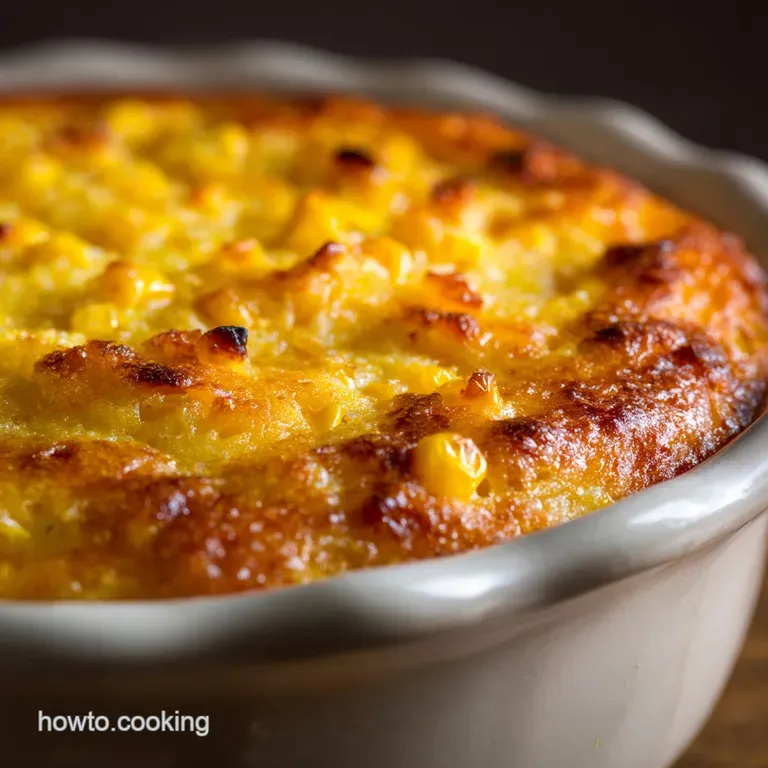
When you pull it out, the top is beautifully golden brown, concealing the silkiest, most unbelievably creamy custard beneath the surface.
This isn’t just a holiday side dish for Thanksgiving or Christmas, though it definitely shines then. This is the ultimate "dump and stir" recipe that saves dinner when you need something cheap, comforting, and seriously impressive for a crowd.
I've perfected this version over years of trial and error, moving away from dry, cakey cornbread imposters toward true, Homemade Corn Pudding Casserole perfection.
Trust me, if you’ve had corn pudding before and found it too grainy or dry, you’ve been eating the wrong kind. We are moving past the quick mixes and diving into the real deal: a true, custardy southern dream that anchors any barbecue or Sunday supper.
Let's crack on and talk about how we get that perfect texture every single time.
Defining the Perfect Corn Pudding Texture (Custardy vs. Dry)
The difference between a great corn pudding vs corn casserole often comes down to the binder. Casseroles tend to rely heavily on cornmeal or Jiffy mix, resulting in a firm, bread like structure that is delicious but distinctly cakey. True corn pudding, however, is a custard.
We are looking for a gentle, melting texture where the eggs and dairy set up just enough to suspend the corn kernels. It should be rich, moist, and almost spoonable, definitely not something you could slice into neat squares.
The goal is fudgy creaminess , achieved by balancing flour, eggs, and rich dairy.
A Brief History of the Southern Corn Custard
This humble, elegant side dish has deep roots in Native American and early Colonial cooking. Corn, being a staple crop, was naturally worked into rich egg custards, which were originally steamed or baked over hearths.
It's a comforting example of utilizing simple pantry ingredients to create something truly spectacular.
My grandma’s recipe used nothing more than farm eggs, cream, and freshly scraped corn, and that memory is what inspired this highly refined, modern version. It truly is the ultimate expression of comfort food simplicity.
What Makes This Recipe the Holiday and Barbecue MVP
This corn pudding recipe is the MVP because it combines two essential elements: structure and liquidity. We use both fresh/frozen kernels for texture and canned cream style corn for its thick, creamy binding liquid.
It holds beautifully when served hot but isn't overly complicated to pull together, making it perfect for busy entertaining. Serve this alongside any smoky, slow cooked meat, and watch it vanish instantly. It’s that good.
Essential Components: Ingredients for the Best Creamy Corn Pudding
This ingredient list looks simple, but every component plays a specific role in achieving that decadent custard texture. I always insist on room temperature ingredients ; it mixes better and ensures the baked product is silky smooth.
| Ingredient | Why We Use It | The Viable Substitute |
|---|---|---|
| Half and Half | Provides fat and moisture. | Whole milk or 1/2 heavy cream + 1/2 milk. |
| Sour Cream | Adds essential tang and richness. | Plain Greek yogurt (full fat) or crème fraîche. |
| Cream Corn | Non-negotiable binder and flavour source. | Two 14 oz cans of drained corn kernels mixed with 1/4 cup cream cheese. |
| All-Purpose Flour | Mild thickening agent. | Cornstarch (use 1/3 less) or a GF baking blend. |
The Science of Smooth: Why This Corn Pudding is Pure Custardy Gold
Achieving that creamy, silky texture isn't luck; it's science. We manipulate the fat and protein ratios to prevent the pudding from turning into cornbread. The secret weapon here is the melted butter, which coats the flour particles, preventing too much gluten development, leading to a much fudgier result.
Selecting Your Corn: Fresh, Frozen, or Canned?
I highly recommend using fresh corn when it's in season; it has the best natural sweetness that truly shines here. If you are using frozen kernels, please thaw them completely and pat them dry with a paper towel.
Chef’s Note: Never add watery, frozen corn directly to the batter. Excess moisture will prevent the custard from setting properly, resulting in a sloppy, soupy pudding instead of a tight, beautiful Homemade Corn Pudding Dish .
Dairy Decisions: Whole Milk vs. Heavy Cream (The Fat Ratio)
I stick with half and half because it’s the perfect middle ground; it’s richer than whole milk but doesn’t risk separating like heavy cream might under long, slow cooking.
That addition of sour cream is also crucial, offering a tang that cuts through the intense sweetness and richness, making the overall flavor far more complex and interesting.
If you only have whole milk, that's fine, but consider adding another tablespoon of melted butter or a splash more sour cream for richness.
Strategic Sweetening: Balancing Sugar and Corn's Natural Flavor
We only use a 1/4 cup of sugar, which keeps this firmly in the "side dish" category. Fresh corn is already naturally sweet, and we don't want to overpower that lovely flavor. The small amount of sugar simply helps the kernels caramelize slightly on the top edge, adding depth.
If you want a dessert style pudding, go ahead and increase the sugar to 1/3 cup, or even swap some for brown sugar for a deeper molasses note.
The Role of Fresh Corn Milk vs. Processed Creamed Corn
This recipe requires both structural corn kernels and the smooth binder. Canned cream style corn provides that ready-made smooth base without requiring complicated steps. However, if you are using fresh cobs, there’s a trick:
After cutting the kernels off the cob, take the back (blunt) side of your knife and scrape down the empty cob over your mixing bowl. This extracts the corn milk and pulp , which are concentrated sources of starch and sugar.
Adding this natural milk takes the flavor intensity up about five notches.
From Kernel to Comfort: step-by-step Corn Pudding Creation
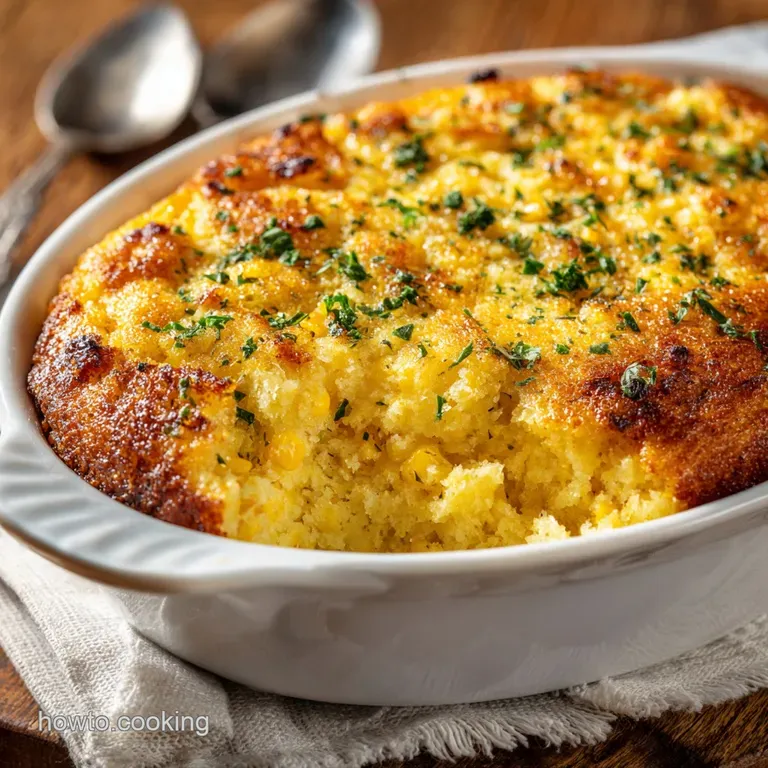
This is a true "dump and stir" process, but paying attention to the details ensures a perfect custardy result. Let's get to mixing!
Prepping the Corn and Baking Vessel
Preheat your oven to 375°F (190°C) and grab your 8x8 dish. Generously grease the dish with butter ; this prevents sticking and encourages that lovely golden brown crust we all love.
While the oven heats, melt your butter and set it aside it needs to cool slightly before it meets the eggs.
Mixing the Custard Base (The Wet and Dry Marriage)
In one bowl, whisk together all your dry ingredients (flour, sugar, baking powder, salt, pepper, and nutmeg). Make sure to break up any little clumps of baking powder so they mix evenly. In a separate, large bowl, whisk your eggs until light and frothy, then combine them with the half and half and sour cream.
Now, gradually add the dry mixture to the wet mixture, whisking until just combined. This is where I once made a mistake: I thought more mixing meant better pudding, but it only resulted in a tough, rubbery texture. Stop mixing the moment the flour disappears!
The Critical Baking Stage: Spotting the Perfect Jiggle
Pour the finished batter into your prepared dish. Bake for 45 to 50 minutes. You need to watch it closely toward the end. The edges should be set, puffy, and golden brown, but the absolute center should still have a very slight, shy jiggle when you gently tap the dish.
A skewer inserted near the edge should come out clean. If you wait until the entire middle is completely set and solid, the residual heat will overcook it outside the oven.
Resting Time: Why Patience Equals Perfect Pudding
Don't skip the resting step! When you pull the pudding out, it’s still cooking. The resting period of 10 minutes allows the proteins in the eggs to finish setting up without drying out, resulting in that perfectly tight, creamy internal structure.
If you cut into it too soon, it will weep and appear sloppy.
Troubleshooting Secrets: Chef’s Tips for Flawless Corn Pudding
Preventing a Dry or Grainy Texture
The number one cause of dry corn pudding is usually either over baking or using too much flour and not enough fat. Always measure your flour precisely ; three tablespoons is plenty to bind this dish without making it cakey.
If you suspect your oven runs hot, cover the dish loosely with foil for the last 15 minutes of baking.
Dealing with Cracks and Over Browning
If the top browns too quickly, it often means the custard underneath is setting too fast and shrinking, causing cracks. If you notice cracking starting around the 30 minute mark, reduce your oven temperature by 25°F and cover the top loosely with foil.
Test Kitchen Trick: The Water Bath Advantage
Want the absolute creamiest texture possible? Use a water bath (or bain marie ). Place your 8x8 baking dish inside a larger roasting pan. Fill the roasting pan with about an inch of boiling water, ensuring the water level comes halfway up the sides of the corn pudding dish.
This gentle steam ensures even cooking and prevents the edges from drying out.
Planning Ahead: Storing, Freezing, and Reheating Corn Pudding
Can You Make Corn Pudding Casserole Ahead of Time?
Yes, absolutely! This is why it’s a killer Thanksgiving side dish. You can assemble the entire batter (Steps 1 7) up to 24 hours in advance. Pour it into the baking dish, cover it tightly with plastic wrap, and store it in the refrigerator.
CRITICAL STEP: Let it sit at room temperature for at least 30 minutes before baking to ensure even cooking.
Optimal Refrigeration and Shelf Life
Once baked and cooled, cover the dish tightly with foil or transfer leftovers to an airtight container. It keeps beautifully in the refrigerator for up to 4 days. If you are serving a big crowd, this Jiffy Corn Casserole: The Easiest Cheesy Corn Pudding Recipe can be a good backup option to feed everyone!
Reheating Methods for Maintaining Creaminess
Never microwave the whole dish! That’s a recipe for dry edges and rubbery eggs. For a large portion, cover the dish with foil and reheat in a 300°F (150°C) oven for about 15– 20 minutes until heated through.
For small, individual servings, the microwave is fine, but only for about 30 seconds at a time. The foil keeps the steam in, helping the pudding retain its moisture and creaminess.
Perfect Pairings: What to Serve Alongside Corn Pudding
This buttery, slightly sweet side dish pairs wonderfully with savory proteins that have a good bark or crust.
- BBQ Favorites: Think smoky pulled pork, tender ribs, or slow smoked brisket.
- Holiday Staples: It's absolutely mandatory next to any roasted ham or turkey.
- Savory Variations: If you wanted to serve another version of this side dish, perhaps alongside steak, check out my recipe for Savory Corn Pudding: The Ultimate Creamy Cheddar Jalapeño Side Dish — it brings the heat!
Recipe FAQs
Why is my corn pudding dry or grainy instead of creamy and custardy?
This common issue is typically caused by overbaking or using too high an oven temperature. For a truly creamy custard texture, ensure you remove the pudding when the center is still slightly wobbly, as residual heat will continue to set it outside the oven.
Using full fat dairy, as specified, is also crucial to maintaining richness and moisture.
How should I store leftover corn pudding, and can I freeze it?
Store any leftovers in an airtight container in the refrigerator for up to four days. While technically possible, freezing is highly discouraged for custard based dishes like this pudding. The rapid temperature change causes the dairy to separate and become watery or grainy upon thawing and reheating.
Can I use frozen or canned corn instead of fresh corn kernels?
Yes, frozen corn works well, but it must be completely thawed and thoroughly patted dry with a paper towel before mixing into the batter to prevent extra moisture. If you opt for canned corn, ensure it is very well drained and rinsed to remove excess sodium and liquid, which can dilute the flavor.
I don't have heavy cream. Can I use milk or half and-half?
Heavy cream provides the luxurious fat content essential for the pudding's rich mouthfeel, but you can substitute it with half and-half for a slightly lighter consistency. Avoid using low-fat or skim milk exclusively, as the reduction in fat will result in a less flavorful and looser set for the custard base.
Why did my pudding crack or dome significantly while baking?
Cracking and doming occur when the pudding's exterior sets too quickly before the center has fully cooked, often due to high heat. Try lowering your oven temperature by 25°F and extending the baking time slightly to ensure gentle, even cooking.
Alternatively, baking the dish in a water bath (bain marie) can regulate the temperature and prevent crust formation.
Can I make this recipe gluten-free or dairy-free?
To make the recipe gluten-free, substitute the standard all-purpose flour with an equal amount of a quality gluten-free blend. Achieving a dairy-free version is challenging due to the heavy cream requirement, but you could try full fat coconut milk or a high-quality vegan cream alternative, though the flavor profile will change.
Can the corn pudding batter be prepared ahead of time?
The batter can be mixed and refrigerated in an airtight container up to 24 hours before baking. If preparing ahead, the flour/cornstarch binder should be thoroughly whisked in again just before pouring to ensure it hasn't settled at the bottom.
Since the batter will be cold, you may need to add an extra 5 to 10 minutes to the total baking time.
Creamy Homemade Corn Pudding
Ingredients:
Instructions:
Nutrition Facts:
| Calories | 320 calories |
|---|---|
| Fat | 18 g |
| Fiber | 2 g |
