Creamy Chicken Alfredo Recipe with Seared Chicken
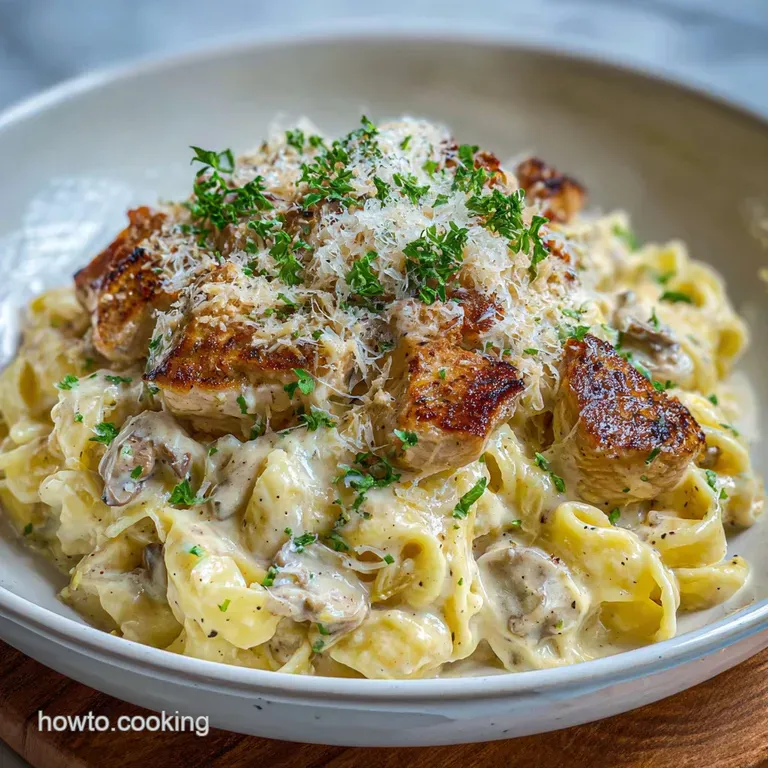
- Time: Active 10 minutes, Passive 20 minutes, Total 30 minutes
- Flavor/Texture Hook: Velvety, garlic infused cream sauce with golden seared chicken
- Perfect for: A wholesome family dinner or building your kitchen confidence
- Master the Ultimate Classic Chicken Alfredo Recipe
- Why This Wholesome Method Delivers Results
- Essential Cooking Times and Success Metrics
- Selecting Quality Elements for Better Flavor
- Minimal Equipment for a Stress Free Meal
- Simple Steps to Achieve Restaurant Results
- Quick Fixes for Common Cooking Mistakes
- Wholesome Variations Your Family Will Love
- Smart Storage and Zero Waste Methods
- Serving Suggestions for a Polished Look
- Very High in Sodium
- Recipe FAQs
- 📝 Recipe Card
Master the Ultimate Classic Chicken Alfredo Recipe
Imagine the sound of 1.5 lbs of thinly sliced chicken breasts hitting a hot pan. That sharp, rhythmic sizzle is the first sign of a great meal. I remember the first time I tried making this without a jar.
I was so nervous the sauce would break or turn into a grainy mess, but the aroma of minced garlic hitting melted butter changed everything. It’s a scent that fills the house and immediately brings everyone to the kitchen.
We’ve all been there, staring at a pot of noodles and hoping they don't stick together. But when you swirl that fettuccine into a shimmering pool of Parmigiano Reggiano and heavy cream, something happens. The sauce transforms from a liquid into a velvety coating.
It’s not just about the food, it's about the confidence you feel when you realize you can create something this flavorful with just a few basic tools.
This chicken alfredo recipe isn't about fancy gadgets or complicated steps. It’s about understanding how a few high-quality ingredients work together. We’re moving away from bland, pre made options and focusing on a technique that works every single time.
Trust me, once you see how the starch in the pasta water binds everything together, you'll never go back to the store-bought stuff.
Why This Wholesome Method Delivers Results
The Physics of the Emulsion: Starchy pasta water acts as a bridge between the fats in the butter and the liquids in the cream, creating a stable, silky bond.
- Maillard Reaction: Searing the chicken at a high heat creates a golden crust that adds a nutty, savory depth to the entire dish.
- Starch Suspension: Using 2 tbsp of sea salt in the pasta water seasons the noodles from the inside out, while the released starch thickens the sauce naturally.
- Fat Stabilization: Room temperature heavy cream prevents the sauce from "shocking" and breaking when it hits the hot pan.
- Residual Heat Melting: Adding the cheese after removing the pan from direct heat ensures it melts smoothly without the proteins tightening into clumps.
| Chicken Thickness | Internal Temp | Rest Time | Visual Cue |
|---|---|---|---|
| 1/2 inch cutlet | 165°F | 5 minutes | Juices run clear when pierced |
| 3/4 inch breast | 165°F | 8 minutes | Center is opaque and firm |
| 1 inch breast | 165°F | 10 minutes | Golden brown exterior crust |
Using the right heat is vital. If you’re looking for other ways to master pan seared proteins, you might find the technique in my Rosemary Chicken Sauce recipe helpful for creating that perfect jus.
Essential Cooking Times and Success Metrics
When we talk about a reliable chicken alfredo recipe, we need to focus on the numbers that actually matter. These aren't just suggestions, they're the checkpoints that ensure your chicken isn't rubbery and your pasta isn't mush.
I’ve spent enough time overcooking noodles to know that "al dente" is a narrow window you don't want to miss.
1. Starch Bound Emulsification
The magic happens when you combine the 1 cup of reserved starchy pasta water with the 1.5 cups of freshly grated Parmigiano Reggiano. The starch prevents the cheese proteins from clumping together. This creates a sauce that is thick enough to coat the back of a spoon but fluid enough to swirl around the fettuccine.
It's a fundamental skill that builds your intuition as a cook.
2. The Maillard Foundation
By using 2 tbsp of extra virgin olive oil to sear the 1.5 lbs of chicken breasts, we're building a flavor base. Don't crowd the pan. If the pieces are too close, they’ll steam instead of sear, and you'll miss out on that beautiful golden color.
That color represents developed sugars and proteins that make the chicken taste wholesome and rich.
3. Residual Heat Integration
Once the 2 cups of heavy whipping cream and 1/2 cup of unsalted butter have simmered, the heat needs to be managed carefully. If the pan is too hot when you add the cheese, the fat will separate. I always pull the pan off the burner for 30 seconds before whisking in the Parmigiano Reggiano.
This tiny pause is what guarantees a velvety finish.
Selecting Quality Elements for Better Flavor
| Component | Science Role | Pro Secret |
|---|---|---|
| Heavy Whipping Cream | Provides the fat structure for the sauce | Use room temperature cream to prevent curdling |
| Parmigiano Reggiano | Adds saltiness and acts as a natural thickener | Grate it yourself from a block for better melting |
| Starchy Pasta Water | Emulsifies the butter and cream into a cohesive sauce | Save more than you think you need; it's liquid gold |
Choosing the right ingredients is the difference between a meal that's just okay and one that feels special. For instance, always use unsalted butter so you can control the seasoning with the 1 tsp of kosher salt and the 2 tbsp of sea salt for the pasta.
- 1.5 lbs boneless skinless chicken breasts (Substitute: Chicken thighs for more moisture) Why this? Lean protein that sears quickly and stays tender in the sauce.
- 1 lb fettuccine pasta (Substitute: Linguine or Penne) Why this? Wide surface area is ideal for holding onto thick cream sauces.
- 2 cups heavy whipping cream (Substitute: Half and half with a teaspoon of cornstarch) Why this? Provides the necessary fat for a stable, rich emulsion.
- 1.5 cups freshly grated Parmigiano Reggiano (Substitute: Pecorino Romano for a sharper tang) Why this? Melts into a smooth texture unlike pre shredded varieties.
- 1/2 cup unsalted butter (Substitute: Salted butter, but reduce added salt) Why this? Adds a silky mouthfeel and classic buttery aroma.
- 3 cloves garlic, minced (Substitute: 1 tsp garlic powder) Why this? Fresh garlic provides a punchy, aromatic base that dried spices can't match.
- 1/4 tsp freshly grated nutmeg (Substitute: Ground mace) Why this? A tiny amount cuts through the richness and adds complexity.
| Feature | Fresh Block Cheese | Jarred/Pre shredded |
|---|---|---|
| Melting Quality | Smooth and integrated | Grainy or stringy |
| Flavor Profile | Nutty and complex | Salty and flat |
| Additives | None | Cellulose (anti clumping agents) |
Minimal Equipment for a Stress Free Meal
You don't need a kitchen full of gadgets to make a great alfredo recipe. A large pot for the fettuccine and a wide skillet for the sauce are the main players. I prefer a heavy bottomed skillet because it distributes heat evenly, preventing the butter from burning while you're mincing the 3 cloves of garlic.
For the Golden Protein
Use a wide skillet to give the chicken room to breathe. A pair of tongs is your best friend here for flipping the cutlets without piercing the meat and losing those precious juices. If you have a cast iron skillet, that's even better for getting a consistent sear on the 1.5 lbs of chicken.
For the Pasta
A large stockpot is essential for boiling the 1 lb of fettuccine in plenty of water. You want the noodles to move freely so they don't clump. Don't forget a simple measuring cup to scoop out that 1 cup of starchy pasta water before you drain the pot.
It’s a step I used to forget all the time until I started leaving the cup right next to the stove.
For the Homemade Chicken Alfredo Sauce
A whisk is vital for incorporating the 1.5 cups of Parmigiano Reggiano into the 2 cups of heavy cream. It helps break up any small bits of cheese and ensures the 1/2 cup of butter is fully emulsified.
If you’re feeling confident, you can also use a microplane to grate that 1/4 tsp of nutmeg directly into the pan for the freshest aroma.
Simple Steps to Achieve Restaurant Results
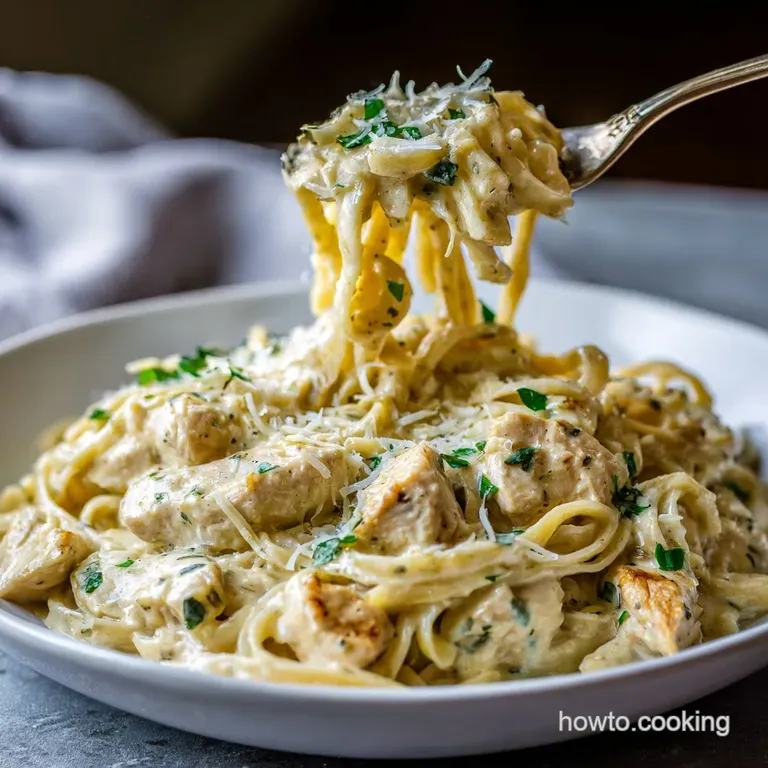
- Season the meat. Rub the 1.5 lbs of chicken cutlets with 1 tsp kosher salt, 1/2 tsp black pepper, and 1 tsp garlic powder. Note: This ensures flavor is locked into the protein before it hits the pan.
- Sear the chicken. Heat 2 tbsp olive oil in a skillet and cook chicken for 5 minutes per side until golden and firm.
- Boil the water. Fill a large pot with water and add 2 tbsp sea salt until it tastes like the ocean.
- Cook the pasta. Drop 1 lb of fettuccine into the boiling water and cook for 8 minutes until slightly firm to the bite (al dente).
- Save the water. Carefully dip a cup into the pasta pot to reserve 1 cup of starchy water until the cup is full.
- Melt the butter. In the skillet, melt 1/2 cup unsalted butter over medium heat and sauté 3 cloves of minced garlic until fragrant but not brown.
- Simmer the cream. Pour in 2 cups of heavy whipping cream and the 1/4 tsp of nutmeg, simmering for 3 minutes until slightly thickened and bubbly.
- Incorporate the cheese. Remove the skillet from heat and whisk in 1.5 cups of Parmigiano Reggiano until the sauce is smooth and glossy.
- Combine everything. Add the cooked fettuccine and sliced chicken to the skillet, drizzling in the reserved pasta water until the sauce coats every strand.
- Final garnish. Toss in fresh parsley and serve immediately while the sauce is hot and velvety.
Quick Fixes for Common Cooking Mistakes
Sometimes things don't go exactly as planned, and that's okay. The most common issue with a chicken alfredo recipe is the sauce texture. If you notice things looking a bit off, don't panic. Most sauce problems are caused by temperature or timing, and they're usually easy to fix with a little extra pasta water.
Sauce is Grainy
This usually happens if the heat was too high when the cheese was added, causing the proteins to tighten and separate from the fat. To fix this, add a splash of your reserved pasta water and whisk vigorously over very low heat. The starch helps pull the sauce back together.
Next time, make sure you pull the pan off the burner before adding the cheese.
Sauce is Too Thin
If your sauce looks more like milk than a velvety coating, it likely hasn't simmered long enough or needs more cheese. Let it sit for a minute or two off the heat, as it will naturally thicken as it cools. If it’s still too thin, whisk in another handful of freshly grated Parmigiano Reggiano.
The cheese acts as a natural binder.
Chicken is Dry
Dry chicken is often a result of overcooking or not letting the meat rest. When you sear the 1.5 lbs of chicken, aim for an internal temp of 165°F and then let it sit on a cutting board for 5 minutes before slicing. This allows the juices to redistribute.
If it's already dry, toss it thoroughly in the warm alfredo sauce to help rehydrate the fibers.
| Problem | Root Cause | Solution |
|---|---|---|
| Clumping Pasta | Not enough water or no stirring | Stir immediately after dropping into boiling water |
| Broken Sauce | Heat too high during cheese addition | Whisk in a tablespoon of hot pasta water off heat |
| Bland Flavor | Under seasoned pasta water | Add a pinch of salt to the final tossed dish |
- ✓ Pat the chicken completely dry before seasoning to ensure a crisp sear.
- ✓ Always grate cheese from a block to avoid the grainy texture of pre shredded bags.
- ✓ Reserve the pasta water before draining; you cannot recreate it with tap water.
- ✓ Use room temperature cream to prevent the sauce from breaking.
- ✓ Let the chicken rest for 5 minutes before slicing to keep it juicy.
Wholesome Variations Your Family Will Love
If you want to add some color to your meal, try making chicken alfredo with broccoli. Just toss some fresh broccoli florets into the pasta water during the last 3 minutes of cooking. They’ll come out perfectly tender and ready to be coated in that velvety sauce.
It’s an easy way to make the meal feel more balanced without extra pans.
For those nights when you're truly short on time, you can try a version of chicken alfredo with jar sauce, but I recommend "doctoring" it up. Sauté the 3 cloves of garlic in butter first, then add the jarred sauce and a splash of heavy cream.
This bridges the gap between convenience and that homemade feel we love.
If you enjoy the creaminess of this dish but want something with a different flavor profile, the Velvety Chicken Cabbage recipe uses a similar "velveting" technique to keep the protein tender while offering a speedy, flavorful alternative for busy weeknights.
| Strategy | Action | Result |
|---|---|---|
| Extra Creamy | Add 2 oz of cream cheese | A thicker, tangier sauce |
| Spicy Kick | Add 1/2 tsp red pepper flakes | Cuts through the richness |
| Lighter Version | Swap half the cream for broth | Thinner but more savory |
Smart Storage and Zero Waste Methods
Storing leftovers of this alfredo recipe requires a bit of care. The sauce will naturally thicken and "tighten" in the fridge as the fats solidify. It will stay fresh in an airtight container for up to 3 days.
I don't recommend freezing this dish because the cream and cheese emulsion often separates and becomes grainy upon thawing.
To reheat, avoid the microwave if possible. Instead, place the pasta in a skillet over low heat and add a splash of milk or water. As it warms up, whisk gently to bring the emulsion back together.
For a zero waste tip, if you have leftover sauce but no pasta, use it as a dip for crusty bread or drizzle it over roasted vegetables the next day.
Serving Suggestions for a Polished Look
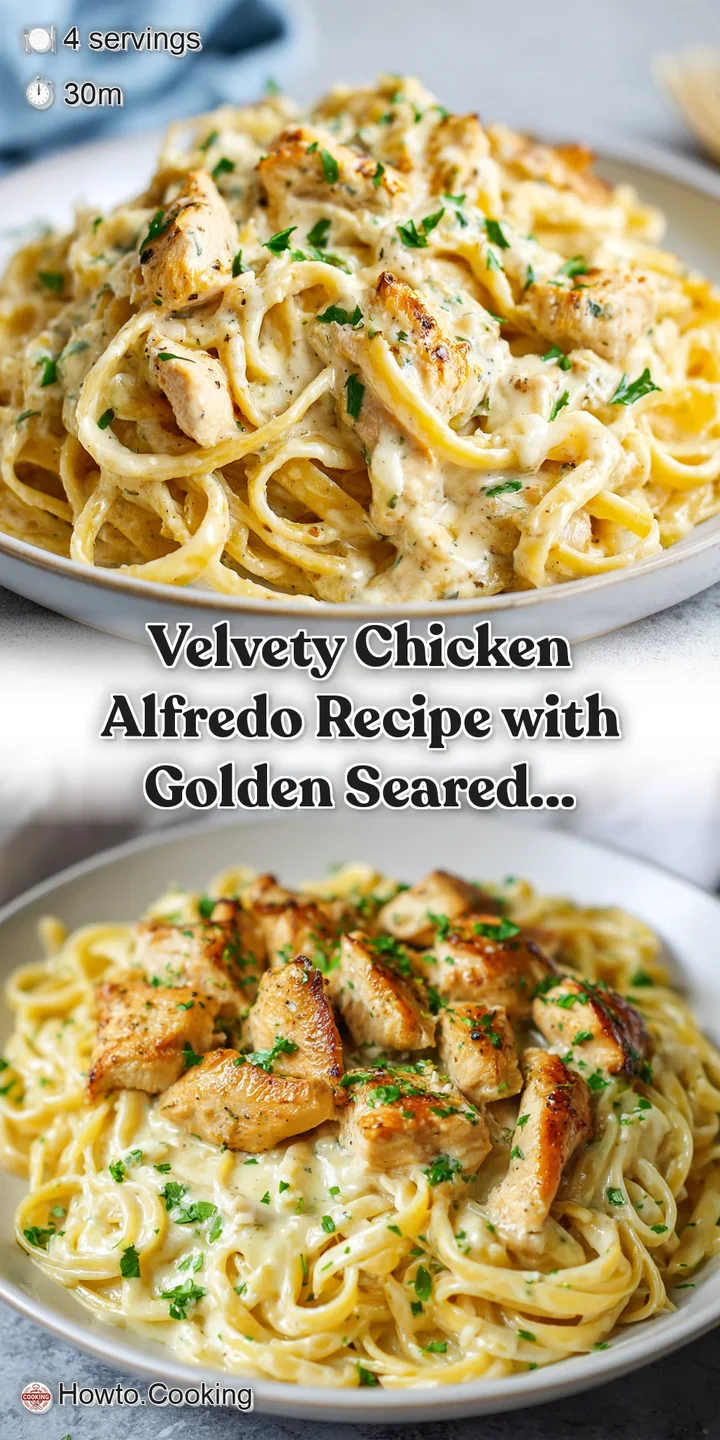
Presentation is everything when you've put work into a meal. Serve this in warmed shallow bowls to keep the sauce from cooling down too quickly. A final dusting of freshly grated Parmigiano Reggiano and a sprinkle of chopped parsley adds that pop of color that makes the dish look as good as it tastes.
If you're looking for the perfect pairing, a crisp green salad with a lemon vinaigrette works wonders. The acidity of the lemon cuts right through the heavy whipping cream and butter, cleansing your palate between bites. For another herbaceous option, you might look at the sides suggested in the Light Herbaceous Greek recipe for inspiration on fresh, bright flavors.
- If you want a deeper flavor, use browned butter instead of regular melted butter.
- If you want a more rustic feel, use pappardelle instead of fettuccine.
- If you want to save time, use a rotisserie chicken instead of searing your own.
Very High in Sodium
1340 mg mg of sodium per serving (58% of daily value)
The American Heart Association recommends limiting sodium intake to about 2,300mg per day for most adults. This recipe exceeds that limit.
Tips to Reduce Sodium in Your Fettuccine Alfredo
-
Reduce or Substitute Cheese-15%
Parmigiano Reggiano is a significant source of sodium. Reduce the amount used by half, or substitute with a lower sodium cheese like fresh mozzarella (packed in water, drained) or ricotta. Reducing cheese saves up to 15%.
-
Cut Back on Added Salt-25%
The recipe calls for a total of 2.5 teaspoons of salt (1 tsp kosher salt + 2 tbsp sea salt). Reduce the amount of salt added to the chicken and pasta water by half, tasting and adjusting as needed. Use 1/2 tsp kosher salt for chicken and 1 tbsp sea salt for pasta. This will reduce sodium up to 25%.
-
Use Unsalted Butter-5%
Ensure you are using unsalted butter as specified in the recipe. If salted butter is used accidentally, it will significantly increase the sodium content. Using unsalted butter is essential for controlling sodium.
-
Rinse Pasta-3%
While it removes some starch, briefly rinsing the cooked pasta can help wash away excess sodium from the salted cooking water. This will result in minimal sodium reduction, approximately 3%.
-
Flavor with Herbs & Spices
Enhance the flavor of your Alfredo with fresh herbs like basil, oregano, or thyme, and spices like red pepper flakes to add depth without sodium. Using fresh herbs adds flavor and depth without increasing the sodium content.
Recipe FAQs
What are the ingredients for Chicken Alfredo?
The core ingredients are: Chicken, fettuccine pasta, heavy whipping cream, unsalted butter, freshly grated Parmigiano Reggiano, garlic, salt, pepper, and nutmeg.
What makes Chicken Alfredo taste better?
Use fresh, high-quality components and master the emulsion. Grate your own Parmigiano Reggiano block, sear the chicken properly for the Maillard reaction, and use starchy pasta water to bind the sauce.
What's the secret to good Alfredo?
The secret is stabilizing the emulsion using reserved starchy pasta water. This starchy liquid acts as the bridge between the fat (butter/cream) and the cheese, creating a sauce that coats the pasta instead of breaking into oil.
What are common mistakes when making Alfredo?
The most common mistake is adding cheese while the pan is over high heat, causing the sauce to clump or separate. Also, using pre-shredded cheese prevents a smooth melt, leading to a grainy texture.
How to make the sauce thicker if it looks too runny?
Remove the pan from heat and slowly whisk in more freshly grated Parmigiano Reggiano. The cheese protein tightens as it cools slightly, thickening the sauce.
Can I substitute heavy cream with milk for a lighter sauce?
No, you should avoid substituting heavy cream entirely if you want classic texture. Milk lacks the necessary fat content to create a stable emulsion with the butter and cheese.
How to ensure the chicken is tender and not tough?
Sear the chicken quickly over medium high heat until it reaches 165°F, then immediately let it rest for 5 minutes before slicing. If you want to explore similar temperature control techniques for proteins, see how the same principle works in our Rosemary Chicken Sauce recipe.
Easy Chicken Alfredo Recipe
Ingredients:
Instructions:
Nutrition Facts:
| Calories | 1456 kcal |
|---|---|
| Protein | 71 g |
| Fat | 91 g |
| Carbs | 90 g |
| Fiber | 3.5 g |
| Sugar | 4.2 g |
| Sodium | 1340 mg |
