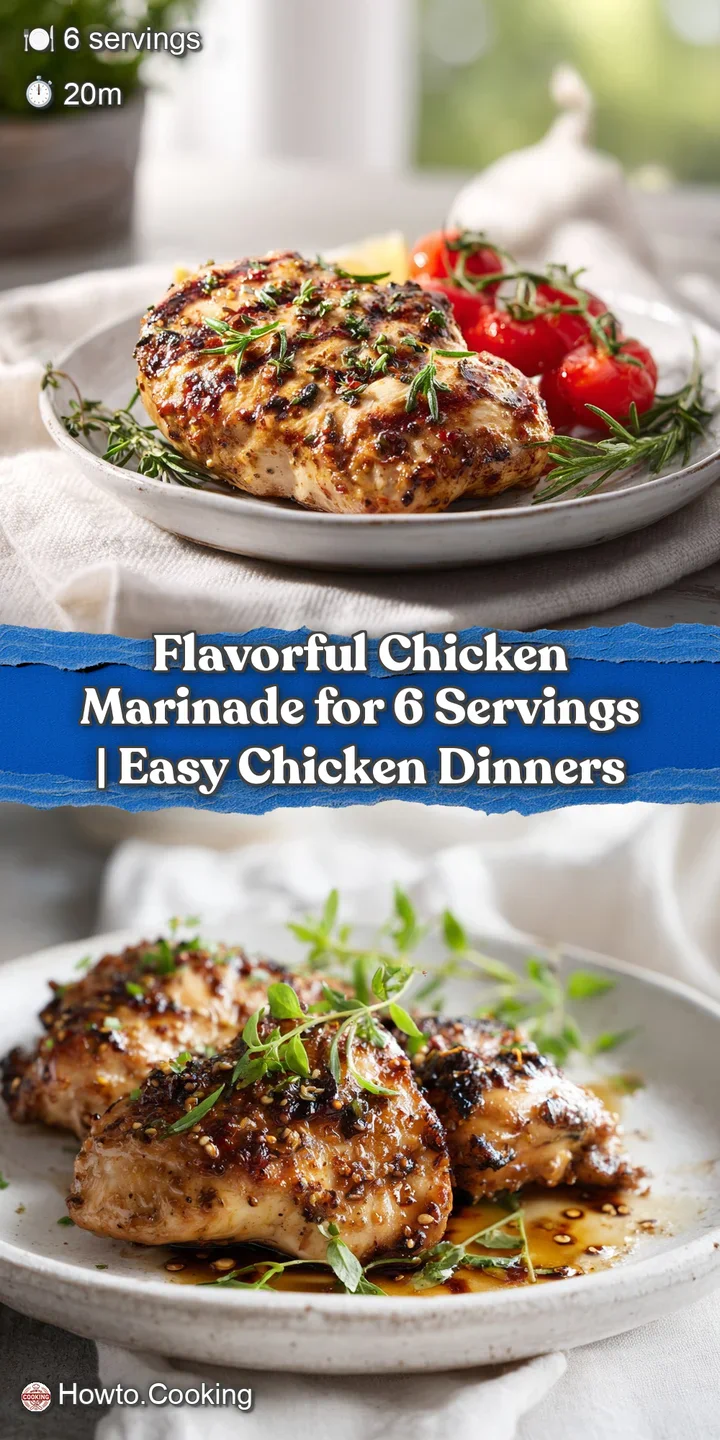
Flavorful Chicken Marinade: Velvety Finish
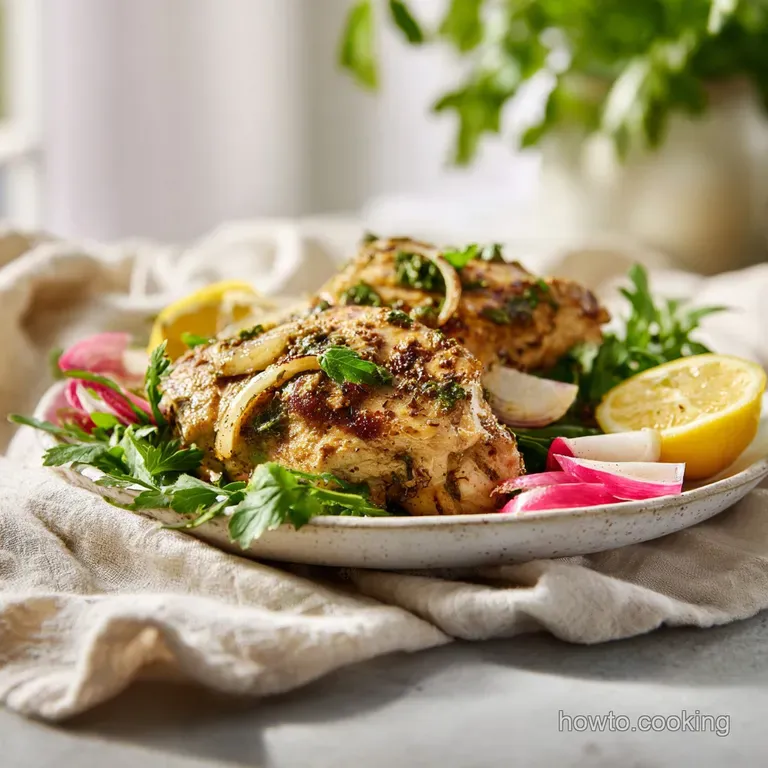
- Time: Active 10 minutes, Passive 30 minutes, Total 40 minutes
- Flavor/Texture Hook: A savory sweet glaze with a velvety finish
- Perfect for: Stress free weeknight dinners or healthy meal prep for the office
Creating the Best Chicken Marinade
The first time I really understood the importance of a good soak, I was standing in a smoke filled kitchen at 7:00 PM on a Tuesday. I had thrown some plain chicken breasts into a pan, hoping for the best, only to end up with something that had the texture of a dry sponge.
It was disappointing, bland, and honestly, a bit of a chore to chew. I realized then that heat alone doesn't make a meal; it’s the preparation that happens before the flame even touches the metal that defines the dish.
That experience sent me on a mission to find a foolproof chicken marinade that wouldn't require a pantry full of rare ingredients. I wanted something that would make the meat shimmer with a mahogany glaze and taste like it had been slow cooking for hours, even if it only sat for thirty minutes.
This specific blend of balsamic, soy, and honey is what I call my "back pocket hero." It’s reliable, it’s wholesome, and it turns a basic protein into the star of the show every single time.
You don't need to be a professional to get these results, and you certainly don't need a kitchen full of gadgets. We're focusing on the fundamental balance of salt, acid, and fat to do the heavy lifting for us.
Once you see that first piece of chicken hit the pan and hear that satisfying sizzle as the honey begins to caramelize, you’ll never go back to plain poultry again. Trust me, the aroma of garlic and oregano hitting the hot oil is enough to bring everyone to the table before you even call them.
The Science of Tenderness
The Osmotic Draw: Salt in the soy sauce breaks down the tightly wound protein strands, allowing moisture to seep into the meat rather than being squeezed out during cooking. This creates a built in reservoir of juices that prevents the "sponge" effect even if you overcook it by a minute or two.
| Thickness | Internal Temp | Rest Time | Visual Cue |
|---|---|---|---|
| 1/2 inch | 165°F (74°C) | 3 minutes | Juices run clear |
| 1 inch | 165°F (74°C) | 5 minutes | Firm to the touch |
| 1.5 inches | 165°F (74°C) | 8 minutes | No pink at the bone |
A thicker cut of meat requires a longer rest time because the heat continues to move toward the center even after it leaves the pan. If you cut into it too soon, those precious juices will end up on your cutting board instead of in your mouth.
Component Analysis
| Ingredient | Science Role | Pro Secret |
|---|---|---|
| Extra Virgin Olive Oil | Heat Conductor | Carries fat soluble flavors from herbs deep into the meat. |
| Balsamic Vinegar | Fiber Softener | The acetic acid gently dissolves connective tissue for a tender bite. |
| Honey | Maillard Catalyst | Lowers the temperature at which browning occurs for a better crust. |
| Dijon Mustard | Emulsifier | Binds the oil and vinegar together so the marinade coats evenly. |
The interaction between the honey and the balsamic vinegar is particularly interesting. While the vinegar works on the texture, the honey provides the sugar needed for the Maillard reaction, which is that beautiful browning we all crave.
Essential Recipe Specs
When we talk about a reliable chicken marinade, we have to look at the numbers. This recipe is designed to cover 2 lbs of chicken breasts, which typically feeds about six people. If you are using thighs, the fat content in the meat is higher, but this marinade still works beautifully to cut through that richness.
We are aiming for a total time of 20 minutes, excluding the resting or marinating time. The prep is a quick 10 minutes of whisking and mincing, and the actual cook time on the stove is another 10 minutes. It’s the definition of a fast but high-quality meal. If you're looking for a different flavor profile for a side dish, you might try my Rosemary Chicken Sauce recipe which uses a pan jus technique that is just as quick.
Chef's Tip: If you're in a rush, use a fork to prick small holes all over the chicken breasts. This creates "flavor channels" that allow the marinade to penetrate the center of the meat in half the time.
Gathering Your Flavor Elements
To get the most out of this dish, we need to be specific about what goes into the bowl. I always suggest using freshly squeezed lemon juice rather than the bottled kind. The bottled version often has preservatives that can leave a slightly metallic aftertaste when heated.
- 1/2 cup extra virgin olive oil: This provides the base and prevents sticking.
- 1/4 cup balsamic vinegar: Adds a rich, dark acidity.
- 1/4 cup reduced sodium soy sauce: This is our primary salt source and adds umami.
- 2 tbsp freshly squeezed lemon juice: Provides a bright, high note finish.
- 2 tbsp honey: For sweetness and that essential caramelization.
- 1 tbsp Dijon mustard: Helps the marinade stick to the chicken.
- 4 cloves garlic, minced: The aromatic backbone of the dish.
- 1 tsp dried oregano: Adds an earthy, Mediterranean vibe.
- 1 tsp dried basil: Works in tandem with the oregano for a herb forward scent.
- 1/2 tsp red pepper flakes: Just enough for a tiny tingle, not a burn.
- 1/2 tsp coarse kosher salt: Enhances all the other flavors.
- 1/2 tsp freshly cracked black pepper: Adds a bit of woody heat.
- 2 lbs boneless skinless chicken breasts: The canvas for our flavors.
Substitution Strategy
| Original Ingredient | Substitute | Why It Works |
|---|---|---|
| Balsamic Vinegar | Apple Cider Vinegar | Similar acidity levels, though it will be less sweet and more fruity. |
| Honey | Maple Syrup | Provides a similar sugar content for browning with a woodier flavor. |
| Soy Sauce | Tamari | Keeps the recipe gluten-free while maintaining the deep salty umami. |
| Dried Oregano | Fresh Thyme | Offers a more floral, bright herb flavor use double the amount. |
Using a substitute like maple syrup can actually be a fun way to change the season of the dish. Maple feels very autumnal, while honey keeps it classic and summery. Just remember that maple syrup is slightly thinner than honey, so your glaze might be a bit more liquid.
Minimal Tools Required
You don't need a stand mixer or any heavy machinery here. The beauty of a great chicken marinade is its simplicity. I personally love using a large gallon sized freezer bag for the marinating process. It allows you to squeeze out the air so that every square inch of the chicken is in contact with the liquid.
If you prefer not to use plastic, a flat glass baking dish works just as well. Just make sure you flip the chicken halfway through so it doesn't just flavor one side. A simple wire whisk and a sturdy bowl are all you need to get the emulsion started.
For the cooking phase, a heavy bottomed skillet like a cast iron pan is your best friend. It holds heat consistently, which is vital for getting that golden brown exterior without drying out the middle.
The Cooking step-by-step
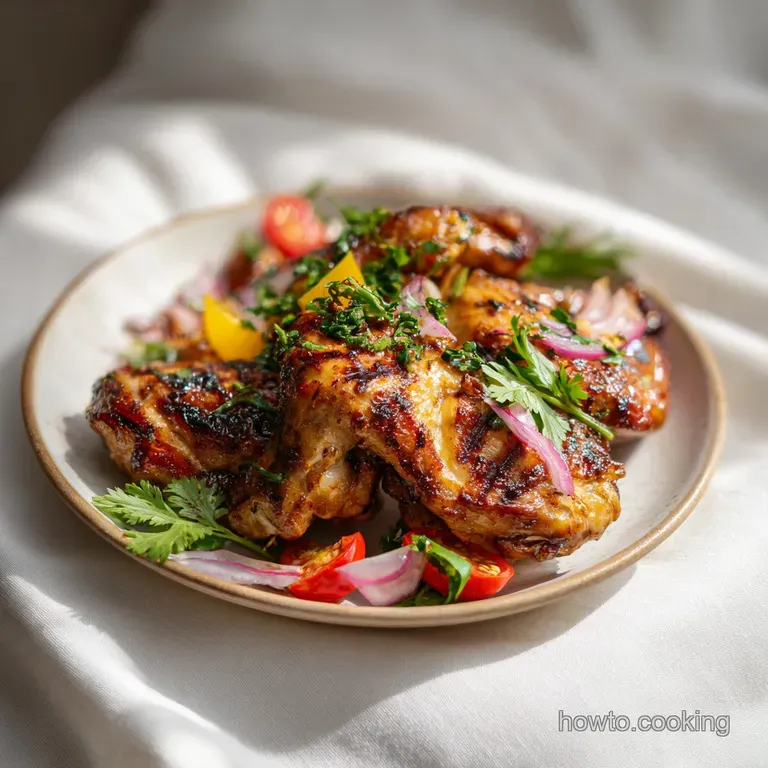
- Whisk the base. In a medium bowl, combine the olive oil, balsamic vinegar, soy sauce, lemon juice, honey, and Dijon mustard. Note: Whisking the mustard in first helps the oil and vinegar stay combined.
- Add aromatics. Stir in the minced garlic, oregano, basil, red pepper flakes, salt, and black pepper.
- Prep the chicken. Pat the chicken breasts dry with paper towels to remove excess moisture. This ensures the marinade sticks rather than sliding off.
- Combine. Place the chicken in a large resealable bag or a shallow dish and pour the marinade over it.
- Marinate. Seal the bag, removing as much air as possible, and refrigerate for at least 30 minutes. Wait until the meat feels slightly less firm, which indicates the acid is working.
- Preheat the pan. Set your skillet over medium high heat with a tiny drizzle of oil. Wait until the oil shimmers and barely smokes.
- Sear the first side. Remove chicken from the marinade, letting the excess drip off, and place in the pan. Listen for a loud, aggressive sizzle.
- Cook. Sauté for about 5 to 7 minutes without moving the chicken to develop a crust.
- Flip. Turn the chicken over and cook for another 5 minutes until the center is no longer pink and the internal temp reaches 165°F (74°C).
- Rest. Move the chicken to a plate and cover loosely with foil for 5 minutes. Note: This lets the fibers relax and reabsorb the juices.
Achieving the Mahogany Crust
The secret to that deep, dark color isn't just the balsamic; it's the honey. As the chicken cooks, the water in the marinade evaporates, leaving behind the sugars and fats. These sugars undergo a process called pyrolysis at high temperatures, which creates that complex, slightly sweet, and savory crust that defines a high-quality chicken marinade.
| Fresh Garlic | Jarred Garlic | Flavor Impact | Savings |
|---|---|---|---|
| 4 Cloves | 2 tsp | Pungent & Sharp | None |
| Hand minced | Pre minced | Mild & Sweet | Save 2 mins |
While pre minced garlic is a fantastic shortcut for busy nights, it lacks the sulfurous punch of fresh cloves. If you use the jarred stuff, add an extra half teaspoon to compensate for the lost intensity.
Fixes for Common Problems
Sometimes, things don't go exactly as planned. Maybe your pan wasn't hot enough, or perhaps you left the chicken in the fridge for two days instead of two hours. It happens to the best of us!
One common issue is the chicken turning out "mushy." This usually happens if the marinade is too acidic or if the chicken sits in it for more than 24 hours. The acid literally starts to cook the meat, breaking it down into a paste like texture.
Why Your Chicken Stuck
If you try to flip your chicken and it feels like it's glued to the pan, don't force it! This is the chicken telling you it isn't ready. When the proteins have seared sufficiently, they will naturally release from the metal. If you tear it away, you leave all that flavorful crust behind.
| Problem | Root Cause | Solution |
|---|---|---|
| Rubbery Texture | Overcooked meat | Use a meat thermometer to pull at exactly 165°F (74°C). |
| Burnt Exterior | Heat too high | Lower to medium heat; the honey in the marinade burns easily. |
| Bland Center | No marinating time | Use the "fork prick" method to speed up flavor absorption. |
Common Mistakes Checklist
- ✓ Never pour used marinade over cooked chicken (cross contamination risk).
- ✓ Pat the chicken dry before marinating for better adherence.
- ✓ Avoid using extra large chicken breasts; they cook unevenly.
- ✓ Don't crowd the pan - if you put too much meat in at once, the temperature drops and the chicken steams instead of searing.
- ✓ Always let the meat reach room temperature for 15 minutes before cooking for a more even heat distribution.
Fun Recipe Variations
Once you have the basic technique down, you can start playing with the profile. If you're feeling like a bit of a spicy kick, you could turn this into a spicy honey sriracha version by swapping the balsamic for rice vinegar and adding two tablespoons of sriracha.
The logic remains the same salt, acid, fat but the vibe changes completely.
For those who want a more Asian inspired dish, you might consider my Velvety Chicken Cabbage recipe which uses a technique called "velveting" to keep the chicken tender. It’s a great way to see how different cultures solve the problem of dry poultry.
Greek Yogurt Variation
Substituting half of the olive oil with plain Greek yogurt creates a "tandoori style" coating. The lactic acid in yogurt is much gentler than the acetic acid in vinegar, allowing for a longer marinating time without the risk of the meat turning mushy.
It also creates a thick, creamy charred exterior that is absolutely incredible on the grill.
Adjusting for Large Groups
If you are doubling the recipe for a backyard barbecue, don't just double everything. Scale the salt and red pepper flakes to 1.5x only, otherwise, the flavor can become overwhelming.
When cooking in large batches, it’s best to sear the chicken in the pan and then finish it in a 350°F (180°C) oven to ensure all pieces reach the correct temperature at the same time.
Storage and Leftover Tips
This chicken marinade is a meal prepper's dream. You can cook a large batch on Sunday and have protein ready for the entire week. Cooked chicken will stay fresh in an airtight container in the fridge for up to 4 days.
If you want to freeze it, I recommend freezing the chicken inside the marinade in a freezer bag. As it thaws, it continues to marinate, meaning you get maximum flavor with zero extra effort on the day you cook it.
To reheat, avoid the microwave if possible. It tends to turn chicken rubbery. Instead, slice the chicken thinly and warm it in a skillet over medium heat with a splash of water or chicken broth. This creates a little steam that keeps the meat moist while it warms through.
Zero Waste Suggestions
Don't throw away those herb stems! If you have leftover marinade that hasn't touched raw meat, you can simmer it in a small saucepan for 5 minutes to create a thickened glaze to pour over roasted vegetables. If you have leftover cooked chicken, it makes a phenomenal addition to a Silky Lemon Chicken recipe the next day. The balsamic and garlic notes add a surprising depth to the soup base.
Common Kitchen Misconceptions
One myth I hear all the time is that marinating "seals in the juices." Science tells us this isn't true. Moisture loss happens as soon as the protein fibers contract under heat. What a marinade actually does is increase the meat's capacity to hold liquid through salt induced swelling and add a layer of fat that mimics the sensation of juiciness.
Another common belief is that you should marinate for 24 hours for the "best" flavor. In reality, most marinades only penetrate a few millimeters into the meat. After about 6 hours, you've reached the point of diminishing returns, and the texture can actually start to suffer.
A short, high impact soak of 30 to 60 minutes is usually the sweet spot for a perfect chicken marinade.
Perfect Serving Ideas
This chicken is incredibly versatile. Because it has those Mediterranean notes from the balsamic and oregano, it pairs beautifully with a fresh Greek salad or some roasted lemon potatoes. If you want something heartier, serve it over a bed of fluffy quinoa or brown rice to soak up any of the extra pan juices.
I also love slicing the leftovers cold for a Caesar salad. The savory punch of the soy and garlic in the chicken pairs perfectly with the creamy, salty dressing. No matter how you serve it, the goal is to keep it simple and let the quality of the marinade shine through.
You've done the work of balancing the flavors, so now you get to enjoy the results!
Recipe FAQs
What should I marinate my chicken in?
A balanced mix of acid, fat, and salt is ideal. Aim for a ratio featuring ingredients like olive oil (fat), balsamic vinegar (acid), and soy sauce (salt) to tenderize and carry flavor deep into the fibers.
What are the three main ingredients when marinating?
Acid, Fat, and Salt. The acid (vinegar/citrus) breaks down surface proteins, the fat (oil) carries fat-soluble flavor compounds, and the salt enhances all existing tastes while retaining moisture.
How to basic marinate chicken?
Whisk together your acid, fat, salt, and aromatics in a bowl. Pat your chicken dry completely before submerging it in the mixture in a sealed bag or dish for at least 30 minutes.
What are the secrets for the best chicken marinade?
Use sugar to aid browning and don't over marinate acidic mixtures. Sugar, like honey, promotes the Maillard reaction for a better crust, but too much acid over 24 hours can turn the texture mushy.
Can I use the marinade as a sauce after the chicken is done?
No, this creates a serious cross contamination risk. Any marinade that has touched raw chicken must be boiled vigorously for at least five minutes to ensure safety before serving.
How long is the optimal marinating time for chicken breasts?
Aim for 30 minutes up to 6 hours maximum. Beyond six hours, especially with high acid marinades, the exterior proteins can break down too much, resulting in a slightly pasty texture.
Is it true that marinating longer always equals more flavor?
No, this is a common misconception; flavor penetration is shallow. Marinades primarily work on the surface, so once the meat feels slightly firm (indicating acid action), longer soaks add little benefit and risk textural damage.
Flavorful Chicken Marinade
Ingredients:
Instructions:
Nutrition Facts:
| Calories | 142 kcal |
|---|---|
| Protein | 1.0 g |
| Fat | 13.0 g |
| Carbs | 6.3 g |
| Fiber | 1.2 g |
| Sugar | 4.0 g |
| Sodium | 475 mg |
